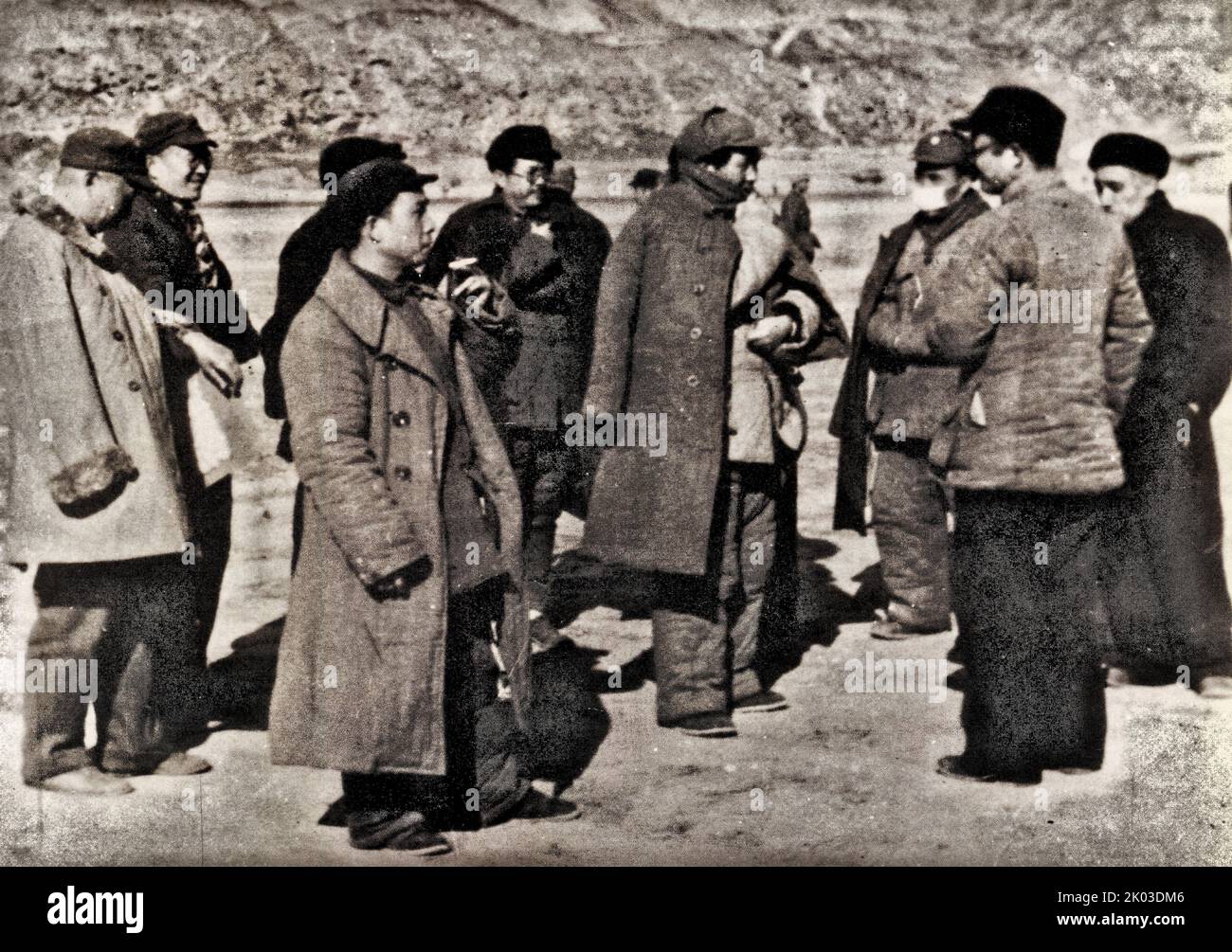
Zhang Wentian
 China
ChinaAlso known as: Lo-fu, Zhang Ying, Chang Wen-t'ien
Birthday
August 30, 1900
Birth Sign
Virgo
Birthplace
Nanhui County, Shanghai, China
Age
Died at 75
About
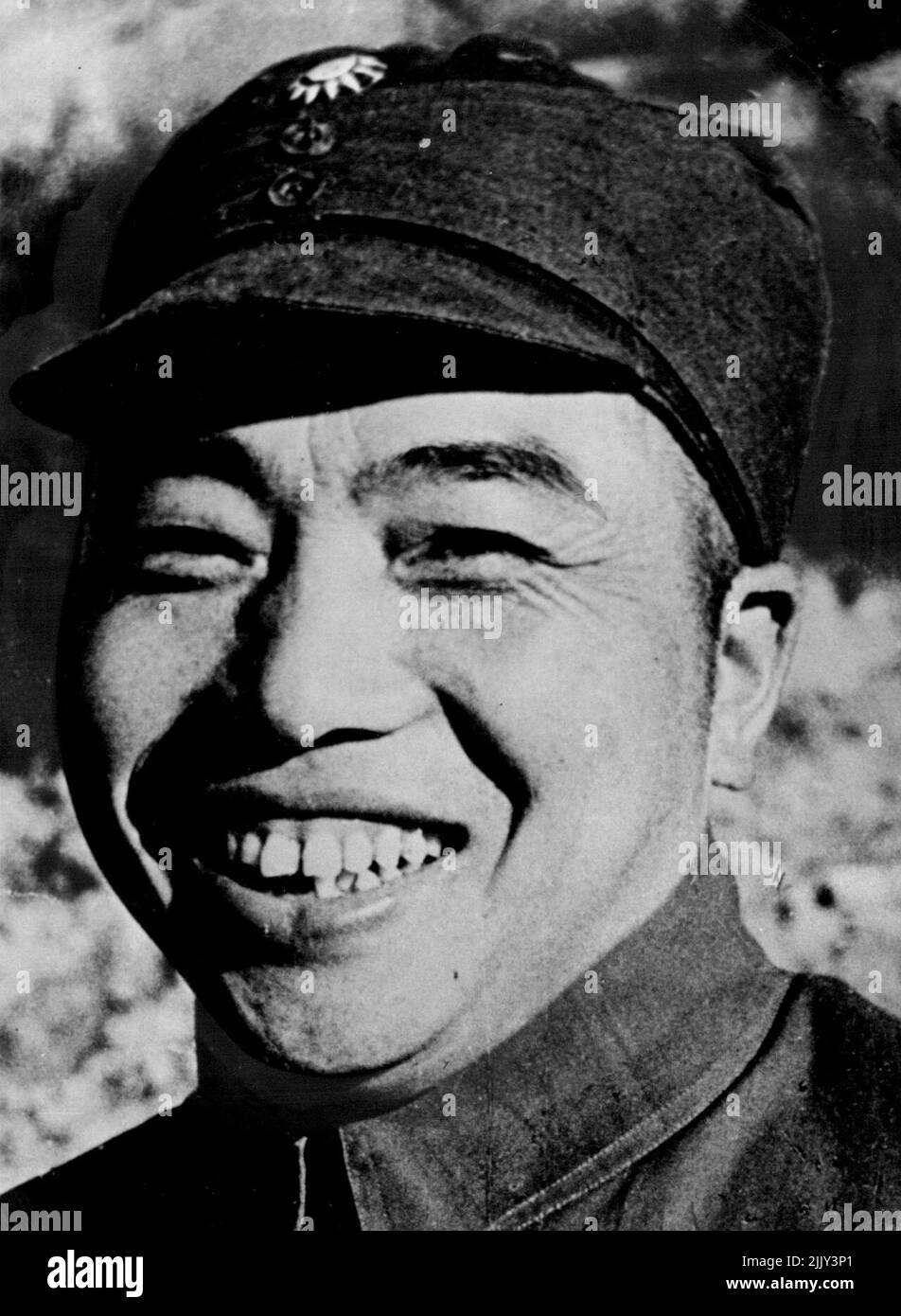
Zhang Wentian was a high-ranking Chinese Communist Party leader, politician, and diplomat who served as General Secretary of the CCP from 1935 to 1943. Born Zhang Ying in Nanhui County, Shanghai, he played a pivotal role in the party's early history, particularly during the Long March and the Zunyi Conference that elevated Mao Zedong to prominence. His career spanned revolutionary struggle, diplomatic service, and internal party politics, marked by both prominence and later marginalization.
Zhang's legacy is complex. He was a member of the Moscow-trained "28 Bolsheviks" faction before shifting allegiance to Mao, and he later fell from power after supporting Peng Dehuai's criticism of the Great Leap Forward at the 1959 Lushan Conference. During the Cultural Revolution, he was persecuted and eventually rehabilitated after Mao's death. Today, he is remembered in official CCP historiography as a loyal revolutionary, and his former residence in Shanghai is preserved as a historical site.
Early Life & Background
Zhang Wentian was born on August 30, 1900, in Nanhui County, which is now part of Pudong New Area, Shanghai. His family background was modest, and details of his early childhood are sparse. He pursued engineering at the Hohai Civil Engineering School, an unusual path for a future revolutionary, before spending a year at the University of California. This overseas exposure likely broadened his worldview and contributed to his later political development.
In 1925, Zhang formally joined the Chinese Communist Party. Soon after, he traveled to Moscow, where he studied at Sun Yat-sen University from 1926 to 1930. During this period, he became part of the "28 Bolsheviks," a group of Chinese communists trained in Moscow and aligned with Wang Ming and Bo Gu. This faction was known for its ideological rigidity and Moscow backing. Zhang also served as Principal of the Academy of Marxism and Leninism, reflecting his deep engagement with Marxist theory and his intellectual standing within the party.
His early political career was shaped by these experiences. The 28 Bolsheviks initially held significant influence, but their policies often clashed with the realities of the Chinese revolution. Zhang's time in Moscow and his role in the academy positioned him as a key figure in the party's theoretical and organizational apparatus, setting the stage for his later rise and eventual shift in allegiance.
Career Growth
Zhang Wentian's political career reached its zenith during the Long March (1934–1935). Initially part of the 28 Bolsheviks, he shifted his support to Mao Zedong, a move that proved decisive. At the Zunyi Conference in January 1935, Zhang was elevated to General Secretary of the CCP, a position he held until 1943 when the role was dissolved. This period marked the consolidation of Mao's leadership, with Zhang playing a supporting yet significant role.
After the establishment of the People's Republic of China, Zhang served as Ambassador to the Soviet Union from April 1951 to January 1955, and as First Vice Minister of Foreign Affairs from December 1954 to November 1960. His diplomatic work included a cable to Zhou Enlai regarding the Asian-African Conference in 1955, demonstrating his involvement in key foreign policy matters.
However, his career took a fateful turn at the 1959 Lushan Conference, where he supported Peng Dehuai's criticism of Mao's Great Leap Forward policies. This led to his removal from effective power. During the Cultural Revolution (1966–1976), he was criticized as an associate of Peng and Liu Shaoqi, enduring persecution. After Mao's death, Deng Xiaoping oversaw his political rehabilitation, restoring his reputation as a revolutionary figure.
Career Timeline
Public Image & Style
Zhang Wentian is remembered in official CCP historiography as a loyal proletarian revolutionary who "worked faithfully for the party and the people all his life." His public image is shaped by his role in the Long March and his tragic fall at Lushan, which adds a layer of complexity. He is often portrayed as a principled leader who paid a heavy price for his convictions. His former residence serves as a memorial, and his story is taught as part of CCP history, particularly the internal factional struggles of the revolutionary era. Unlike modern political figures, he has no social media presence, but his legacy is maintained through official channels and historical scholarship.
Fame & Fandom
Zhang Wentian commands the attention of historians, political scientists, and students rather than a modern celebrity fanbase. His legacy is defined by rigorous study of his pivotal role in the early Chinese Communist Party, specifically his support for Mao Zedong at the Zunyi Conference and his subsequent marginalization. There are no organized fan campaigns, birthday billboards, or streaming pushes associated with his name, nor does a formal fandom exist to champion his memory through contemporary pop culture rituals. The term "fan" in this context refers strictly to academic researchers examining the internal factional dynamics of the 1930s and the founding of the People's Republic. While he remains a subject of significant scholarly interest, evidenced by steady traffic to historical records, he operates entirely outside the sphere of commercial entertainment fame. Consequently, the iFANN Global Fame Engine has evaluated his standing but found that he does not currently hold a placement in the published rankings, including the Global Top 1,000 or any Top-100 scope list. He is not ranked among the world's most famous figures in the current edition of the database.
Interesting Facts and Legends
Zhang Wentian operated under the alias "Lo-fu" throughout his revolutionary career, a designation frequently appearing in historical documents and intelligence reports. His former residence in Zhuqiao Town, Pudong New Area, Shanghai, spans 686 square meters and stands today as a protected heritage site accessible to visitors. Despite holding the highest office in the party, he accumulated no personal wealth, adhering strictly to the communist ethos of his era. His Wikipedia page maintains modest but consistent readership, recording approximately 3,800 English and 6,012 Chinese views over a thirty-day period. A central narrative in his biography concerns the Zunyi Conference of January 1935, where he formally assumed the title of General Secretary before transferring power to Mao Zedong, an act described by historians as the moment that saved the Red Army. Another recurring theme highlights his refusal to seek personal power; despite his capabilities, he preferred working behind the scenes, a trait often summarized by the sentiment that he "never took power" when it was within his grasp. These verified events form the core of his historical legend, distinguishing him from contemporaries who sought the trappings of authority.
Family & Personal Life
Details about Zhang Wentian's family are limited in available sources. He was married, though the name and background of his spouse are not widely documented. His personal life remained largely private, reflecting the era and his position. His former residence in Shanghai is now a memorial, but no information about his descendants or extended family is readily available in the research.
Notable Connections
Zhang Wentian's political life was intertwined with several key figures. He initially aligned with Wang Ming and Bo Gu as part of the 28 Bolsheviks, but later supported Mao Zedong during the Long March. He sent a cable to Zhou Enlai regarding the Asian-African Conference in 1955. His support for Peng Dehuai at the Lushan Conference led to his downfall, and he was later rehabilitated by Deng Xiaoping. These relationships define his legacy within the CCP.
Relationships & Dating History
Zhang Wentian was married, though specific details about his spouse and relationship timeline are sparse in the available sources. His marriage was not a subject of public discussion during his lifetime, and the research does not provide names or dates. As of his death in 1976, he was married, but the status of his marriage at that time is not documented. Given the lack of information, this section remains limited.
Death & Aftermath
Died
July 1, 1976 (aged 75)
Death Place
Beijing, China
Cause of Death
Unknown
Zhang Wentian spent his final years in political obscurity following the purges of the Cultural Revolution, living under restricted conditions in Beijing while marginalized from the party's central affairs. On July 1, 1976, he passed away at the age of seventy-five or seventy-six, though the specific medical cause remained undisclosed by official channels. His death occurred just months before the fall of the Gang of Four, a timing that initially muted any immediate public tributes or state-organized mourning ceremonies given the prevailing political climate. Although no specific funeral details are recorded in available sources, historical context suggests his rehabilitation followed shortly after the conclusion of the Cultural Revolution. In 1978, the Chinese Communist Party officially restored his reputation as a loyal revolutionary, effectively reversing the accusations that had led to his earlier downfall. A former residence in Wuxi, Jiangsu Province, now serves as a memorial site for visitors, marking the only physical remnant of his personal life accessible to the public.
Net Worth (Estate Value)
$0
iFANN Editorial Team estimate
As a deceased political figure from a communist state, Zhang Wentian did not accumulate personal wealth in the modern sense. He died in 1976. His estate consists primarily of his former residence in Shanghai, which is now a public memorial site rather than a revenue-generating asset. There is no estate management structure or posthumous income comparable to entertainment or sports figures. Consequently, per iFANN's editorial analysis, his net worth is effectively $0, reflecting a life of service rather than personal gain.
Awards & Accolades
View 2 records, honours and achievementsKnown For
General Secretary of the CCP
1935-1943 · General Secretary
Ambassador to the Soviet Union
1951-1955 · Ambassador
First Vice Minister of Foreign Affairs
1954-1960 · Vice Minister
Keywords
Sources
Quick Facts
- Profession
- politician, diplomat
- Born
- August 30, 1900
- Birthplace
- Nanhui County, Shanghai, China
- Died
- July 1, 1976
- Death Place
- Wuxi, Jiangsu, China
- Gender
- Male
- Birth Sign
- Virgo
- Nationality
- Chinese
- Political Party
- Chinese Communist Party
Personal Details
- Full Name
- Zhang Ying
- Education
- Hohai Civil Engineering School; University of California (one year); Sun Yat-sen University, Moscow (1926–1930)
Frequently Asked Questions
Who was Zhang Wentian?
What happened to Zhang Wentian during the Cultural Revolution?
Was Zhang Wentian part of the 28 Bolsheviks?
When did Zhang Wentian die?
Where is Zhang Wentian's former residence?
Similar People
Join the community
fans discussing