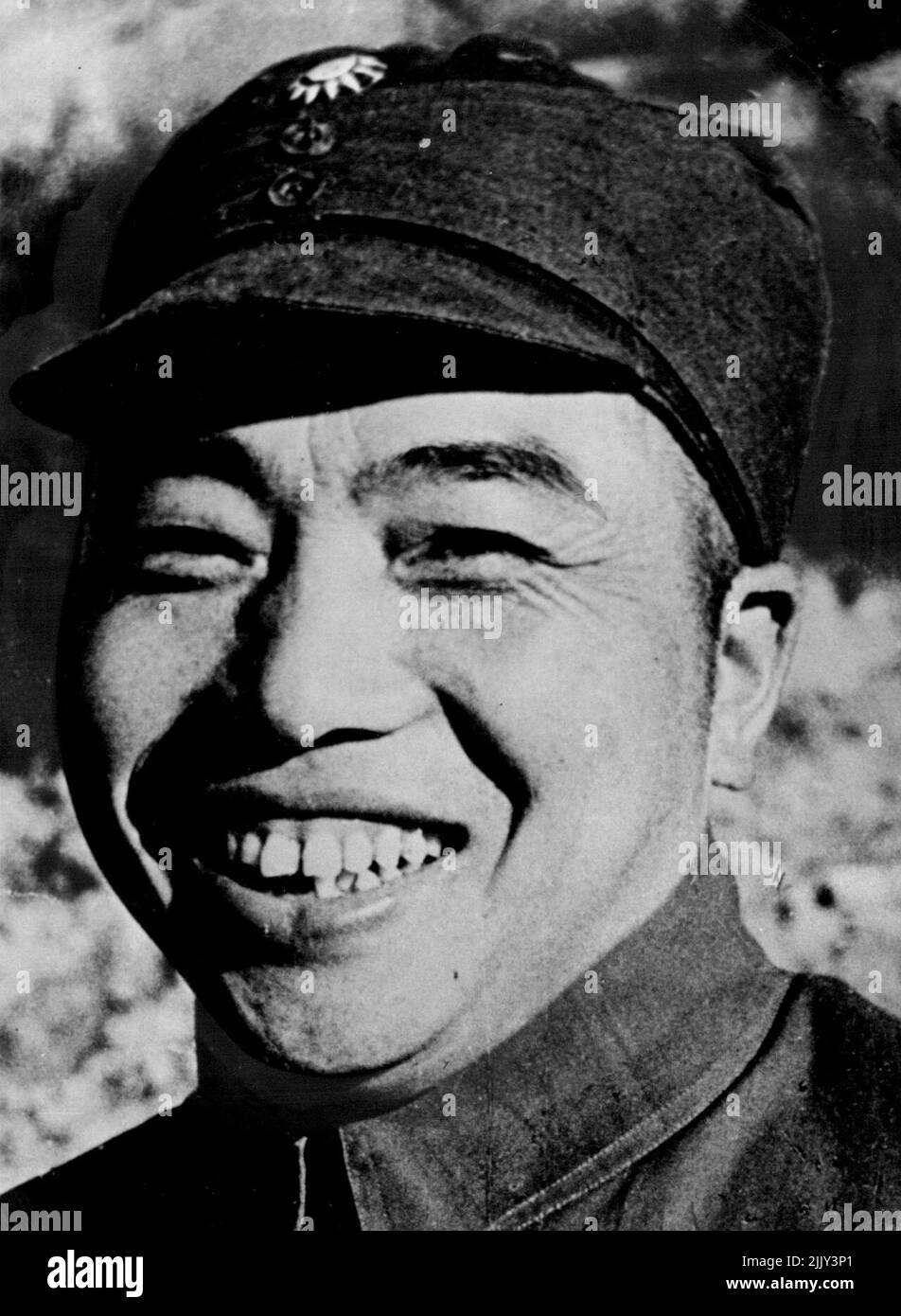
Peng Dehuai
 China
ChinaAlso known as: Peng Teh-Huai, Peng De Huai
Birthday
October 24, 1898
Birth Sign
Scorpio
Birthplace
Xiangtan County, Hunan, China
Age
Died at 76
About
Peng Dehuai (October 24, 1898 – November 29, 1974) was a Chinese military leader and politician who served as Minister of National Defense from 1954 to 1959. He is remembered as one of the most capable generals in the history of the Chinese Communist Party, with a career that spanned the Long March, the war against Japan, the Chinese Civil War, and the Korean War. Peng was known for his blunt honesty and his willingness to challenge Mao Zedong, a stance that ultimately led to his downfall.
Peng's military reputation rests on his command of Chinese forces in Korea, where he faced the United States and its allies to a standstill, and on his earlier victories in Northwest China that helped secure the Communist victory in the civil war. He pushed for a professional, modern army, often clashing with Mao's preference for political control over the military. His criticism of the Great Leap Forward in 1959, expressed in a letter to Mao, resulted in his purge and years of persecution. Posthumously rehabilitated in 1978, Peng is now honored as a symbol of integrity and military excellence.
Early Life & Background
Peng Dehuai was born into a poor peasant family in Xiangtan County, Hunan Province, the same district that produced Mao Zedong. His childhood was marked by hardship; he received only a few years of formal schooling before poverty forced him to leave at age ten to work as a manual laborer. At sixteen, he enlisted as a professional soldier, beginning a military career that would span decades. Over the next ten years, he rose through the ranks of various Hunan warlord armies, from private second class to major, demonstrating exceptional ability and leadership.
In 1926, during the Northern Expedition, his unit joined the Kuomintang, and Peng was introduced to communist ideology. He briefly supported Wang Jingwei's left-leaning government in Wuhan before rejoining Chiang Kai-shek's forces. However, his political convictions led him to join the Chinese Communist Party in 1928, aligning himself with Mao Zedong and Zhu De. This decision set the stage for his rise as one of the CCP's most trusted military commanders.
Career Growth
Peng's rise within the CCP was rapid. In the early 1930s, he defended the Jiangxi Soviet against Chiang Kai-shek's encirclement campaigns with a success rivaled only by Lin Biao. During the Long March (1934–1935), he commanded the Third Army and backed Mao at the crucial Zunyi Conference, a move that helped Mao consolidate power. By 1938, during the Second Sino-Japanese War, Peng commanded two-thirds of the Eighth Route Army. In 1940, he led the Hundred Regiments Offensive, a large-scale campaign against Japanese supply lines, though political disputes led to his recall to Yan'an and a loss of active command for the rest of the war.
After Japan's surrender in 1945, Peng took command of Communist forces in Northwest China. He defended the CCP leadership in Shaanxi, saving Mao from capture at least once, and eventually defeated the Kuomintang in the region, capturing vast supplies and integrating Xinjiang into the People's Republic. In 1950, he was one of the few senior leaders to support Mao's decision to enter the Korean War, and he served as the direct commander of the Chinese People's Volunteer Army for the first half of the conflict. His experiences in Korea convinced him of the need for military professionalization, leading him to reform the army along Soviet lines, a stance that clashed with Mao's preference for a politicized force.
Appointed Minister of National Defense in 1954, Peng continued his reforms and grew increasingly critical of Mao's Great Leap Forward, which caused a nationwide famine. In July 1959, he wrote a letter to Mao criticizing the campaign's excesses, leading to his purge at the Lushan Conference. He was stripped of his positions and lived in obscurity until 1965, when Liu Shaoqi and Deng Xiaoping supported his return to oversee military industries in Southwest China. With the onset of the Cultural Revolution in 1966, Red Guards arrested him, and he was subjected to public humiliation and torture. He was sentenced to life imprisonment in 1970 and died in prison in 1974. After Mao's death, Deng Xiaoping led a rehabilitation effort, and Peng was posthumously exonerated in 1978.
Career Timeline
Public Image & Style
Peng Dehuai is remembered in Chinese Communist historiography as one of the most successful and respected generals in CCP history. He is portrayed as a rough-hewn man from humble beginnings who rose through the ranks on merit. His willingness to criticize Mao's Great Leap Forward policies, even at the cost of his own career, has made him a figure of moral courage in historical accounts. He is also cited as a prime example of the CCP's pattern of purging prominent insiders who fall from grace. There is no official fandom name or fan-culture rituals associated with a historical military figure of this era, but his legacy is honored in military and historical circles.
Fame & Fandom (iFAMOUS Rankings)
Peng Dehuai commands a unique form of reverence that defies the modern machinery of celebrity fandom. Unlike contemporary stars who rely on organized clubs, streaming campaigns, or birthday billboards, his following is rooted in historical gravity and scholarly devotion. There is no formal name for this audience; instead, history enthusiasts and military aficionados keep his legacy alive through academic study, state memorials, and digital documentaries like the 2025 release titled "Peng Dehuai: The General Who Told Mao the Truth and Paid the Price." His presence extends into strategy gaming culture via titles such as World Conqueror 4, introducing him to younger generations without the trappings of a traditional fanbase. This quiet, enduring engagement reflects a man whose life story serves as a moral fable rather than a pop-culture commodity. His stature remains undiminished by time, anchored by verified events like his pivotal letter to Mao during the Lushan Conference and his command during the Korean War. As of August 2026, these contributions have secured his place among the most recognized figures of his nation's history within the iFANN Global Fame Rankings. He is currently the 72nd most famous person in China, a position holding steady from the previous cycle. Furthermore, he stands as the 100th most famous person from China, maintaining his rank with consistent global attention.
Interesting Facts and Legends
Born in Xiangtan County, Hunan, Peng Dehuai shared his home district with Mao Zedong. During the Chinese Civil War, he famously saved Mao from capture at least once. His July 14, 1959 letter to Mao criticizing the Great Leap Forward remains one of the most pivotal documents in modern Chinese history. Although he was one of the few senior leaders who supported entering the Korean War, the conflict brought personal tragedy when Mao's son, Mao Anying, died in a US bombing raid while Peng commanded the Chinese People's Volunteer Army. By 1938, Peng commanded two-thirds of the Eighth Route Army, yet after the Hundred Regiments Offensive, he held no active command for the remainder of World War II. Beyond these facts, the narrative of the "General Who Told Mao the Truth" has become a central legend. Fans still retell the story of his blunt honesty at the Lushan Conference, where he risked everything to speak against disastrous policies, ultimately leading to his imprisonment and death in 1974. This chapter of his life is viewed not just as history but as a timeless tale of integrity versus political expediency.
Family & Personal Life
Peng Dehuai came from a poor peasant family in Xiangtan County, Hunan Province. His father was a peasant farmer. He had no siblings mentioned in historical records. Peng married Pu Anxiu, but the couple had no children. Details of their marriage are sparse, as Peng's military career and later political persecution kept his personal life largely private. He did not have any known pets or notable family anecdotes that have been publicly documented.
Notable Connections
Peng Dehuai was closely associated with several key figures in Chinese Communist history. He was a political rival of Mao Zedong, whom he supported at the Zunyi Conference but later clashed with over the Great Leap Forward. He was an early ally of Zhu De, aligning with him upon joining the CCP. His military success rivaled that of Lin Biao, who later led his persecution during the Cultural Revolution. Jiang Qing was among the radicals who subjected Peng to persecution. Liu Shaoqi and Deng Xiaoping supported his return in 1965, and Deng later led his posthumous rehabilitation. He also had interactions with Wang Jingwei, Chiang Kai-shek, and Mao Anying, whose death in Korea occurred under Peng's command.
Relationships & Dating History
Peng Dehuai was married to Pu Anxiu, but details about their marriage, including the exact dates of their union, are limited in available sources. The couple did not have children together. Given Peng's military career and later political persecution, his personal life remained largely private, and there are no records of other public romantic relationships. At the time of his death in 1974, Peng was married to Pu Anxiu.
- MarriedPu AnxiuPeng was married to Pu Anxiu, but details of their marriage are scarce.
Death & Aftermath
Died
November 29, 1974 (aged 76)
Death Place
Beijing
Cause of Death
Reported complications from malnutrition and neglect
Peng Dehuai, a founding marshal of the People's Republic of China and former Minister of National Defense, died on November 29, 1974, at the age of 76 in Beijing while under house arrest or detention following his political purge during the Cultural Revolution. Contemporary accounts indicate he suffered from severe physical deterioration due to malnutrition, lack of medical treatment, and harsh conditions imposed during his persecution. His final days were marked by isolation after being removed from all public office in 1959, leading to his decline and eventual death in the capital, coroner ruling, or hospital statement made public.
Public reaction to his death was muted and strictly controlled during the immediate aftermath due to the ongoing political climate, with tributes from peers suppressed and state media likely omitting or negatively portraying him. Funeral arrangements were private and low-profile, consistent with his political standing, and official records do not specify a public ceremony, notable attendees, or performances associated with his burial or cremation.
It was only after the end of the Cultural Revolution that the narrative of his suffering began to be acknowledged within official Chinese historiography. The Communist Party of China formally rehabilitated Peng Dehuai in 1978, restoring his honors and acknowledging his role as a key founder of the People's Liberation Army. This posthumous exoneration allowed historical publications, films, and documentaries to detail his military career and the suffering he endured. While there are no specific hall-of-fame inductions named directly after him, he is frequently honored in Chinese military history curricula and museums. His family eventually received an official apology and restoration of his rank and honors from the party, and subsequent memorials emerged as part of broader efforts to restore the reputations of Cultural Revolution victims rather than immediate post-death events.
Net Worth (Estate Value)
$1 Million
iFANN Editorial Team estimate
Peng Dehuai passed away in 1974 while imprisoned, leaving no public records of his personal assets. As a high-ranking Chinese Communist military leader and politician who was purged and later rehabilitated posthumously, he did not accumulate wealth in the manner of Western celebrities. Per iFANN's editorial analysis, his estate is valued at $1 Million. No information regarding estate management or posthumous earnings is available to the public. His legacy remains primarily historical and political rather than financial. As of 2026, his estate is not known to generate any significant revenue, and his historical significance constitutes the primary value he left behind.
Awards & Accolades
View 1 records, honours and achievementsKnown For
Minister of National Defense
1954-1959 · Minister
Chinese People's Volunteer Army
1950-1953 · Commander
Hundred Regiments Offensive
1940 · Leader
Keywords
Sources
Quick Facts
- Profession
- military officer, politician
- Born
- October 24, 1898
- Birthplace
- Xiangtan County, Hunan, China
- Died
- November 29, 1974
- Death Place
- Beijing, China
- Gender
- Male
- Spouse
- Pu Anxiu
- Birth Sign
- Scorpio
Personal Details
- Full Name
- Peng Dehuai
- Spouse
- Pu Anxiu
- Education
- A few years of primary school
Frequently Asked Questions
Who was Peng Dehuai?
What happened to Peng Dehuai?
What did Peng Dehuai do in the Korean War?
Why was Peng Dehuai purged?
Is Peng Dehuai still alive?
Similar People
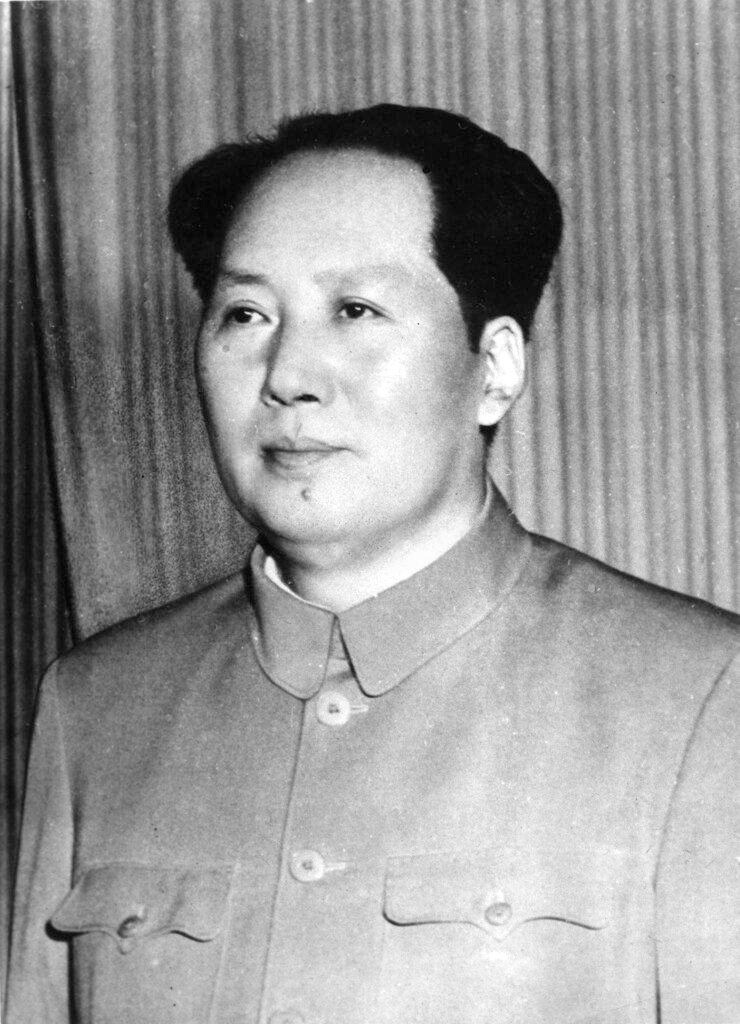
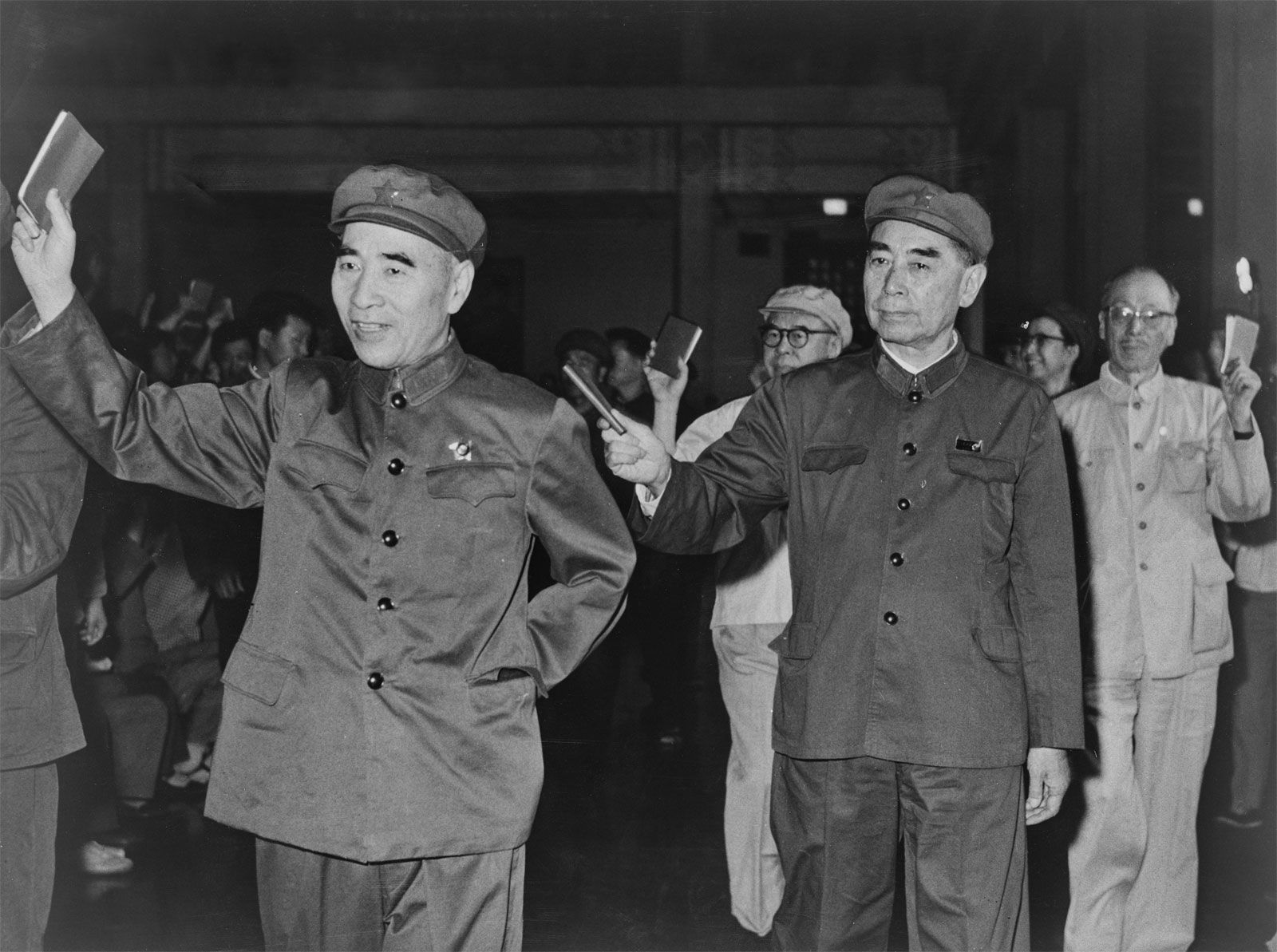
Join the community
fans discussing