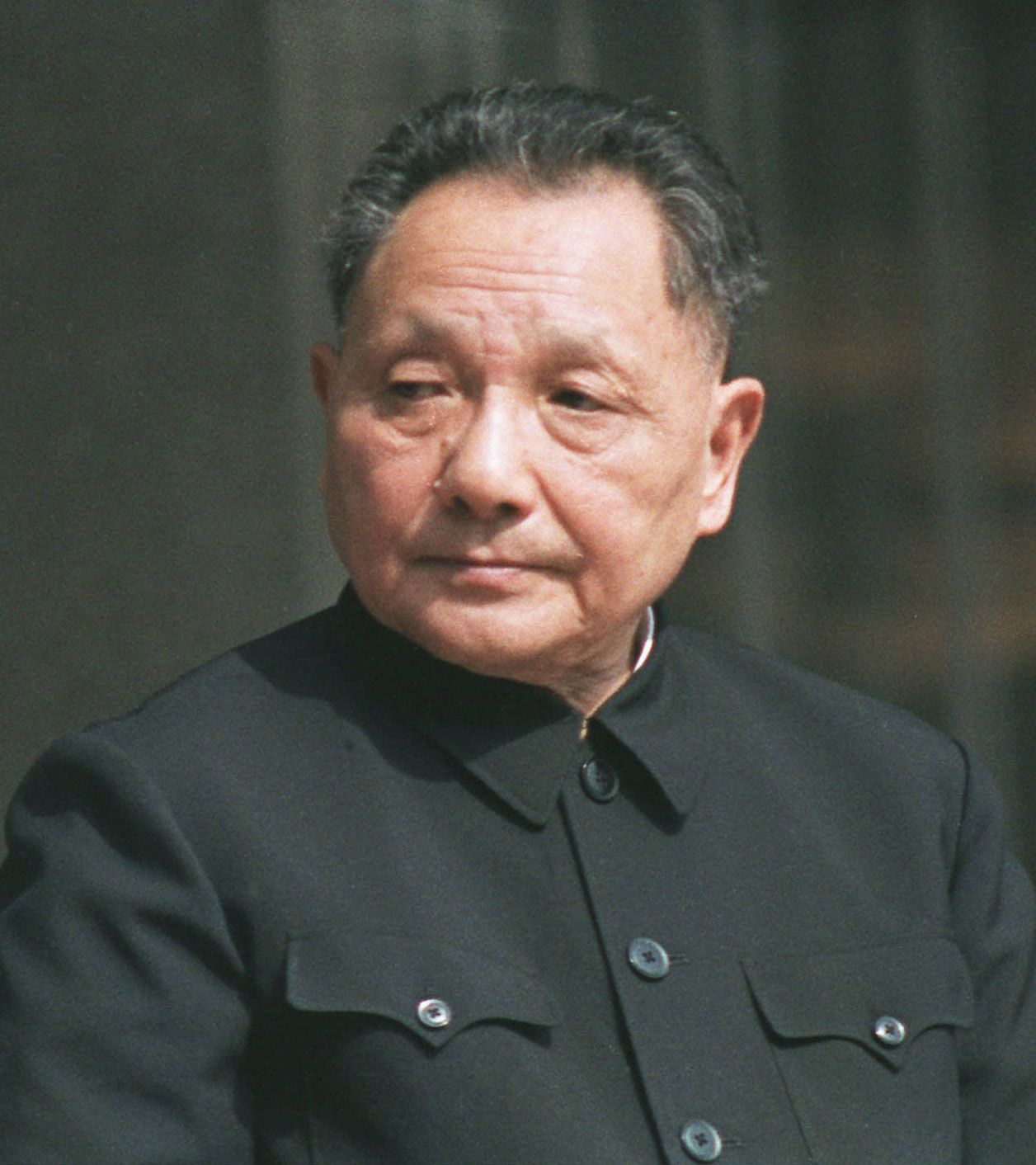
Deng Xiaoping
 China
Chinapolitician•revolutionary•statesman
Also known as: Deng Xixian, The Little Helmsman, Architect of Modern China
Birthday
August 22, 1904
Birth Sign
Leo
Birthplace
Guang'an, Sichuan, China
Age
Died at 92
Height
5 ft 1 in (155 cm)
About
Deng Xiaoping was the paramount leader of the People's Republic of China from the late 1970s until his death in 1997. He is widely celebrated as the architect of modern China, the man who steered the country away from Maoist orthodoxy and toward a market-oriented economy. His policies of reform and opening-up transformed China into a global economic powerhouse, lifting hundreds of millions out of poverty.
Born in 1904, Deng's life spanned nearly a century of upheaval. He was a veteran of the Long March, a key figure in the Chinese Communist Party's rise, and a survivor of political purges. After Mao's death, he consolidated power and launched the reforms that reshaped the nation. His legacy is complex, marked by both economic triumph and the 1989 Tiananmen crackdown, but his impact on China's trajectory is undeniable.
Early Life & Background
Deng Xiaoping was born Deng Xixian on August 22, 1904, in Guang'an, a small town in Sichuan province. His father, Deng Wenming, was a landowner who had studied law in Chengdu. Unlike many families of his class, the Dengs chose a modern education for their son, sending him to a primary school at age five and later to Guang'an County Middle School. In 1919, Deng was admitted to the Chongqing Preparatory School for a work-study program in France, a formative opportunity that would set him on a path of political awakening.
Arriving in France in 1920, Deng worked in factories and encountered Marxist-Leninist ideas. He joined the Chinese Socialist Youth League in 1922 and became a formal member of the Chinese Communist Party in 1924. His time in France was followed by a stint at Moscow Sun Yat-sen University in 1926, where he received political and military training. Returning to China in 1927, Deng immersed himself in revolutionary organizing, becoming a political and military leader within the CCP. He participated in the Long March from 1934 to 1935, served as an educational leader during the war against Japan, and played a key role in the civil war that brought the CCP to power in 1949.
Career Growth
Deng Xiaoping's rise to the top was not linear. He served as vice premier and was a member of the Politburo Standing Committee by the mid-1950s, but he was purged twice during the Cultural Revolution, branded a 'capitalist roader.' After Mao Zedong's death in 1976, Deng outmaneuvered rivals and consolidated power by 1978. His December 1978 launch of the 'reform and opening-up' policy marked a turning point, introducing elements of free enterprise while maintaining Communist Party control.
Under Deng, China's economy grew at unprecedented rates. He championed the creation of special economic zones, encouraged foreign investment, and modernized agriculture and industry. His pragmatic approach, summed up in the famous cat metaphor, prioritized results over ideology. Deng also expanded personal freedoms, but his regime is remembered for the 1989 Tiananmen Square crackdown. He stepped down from official posts in the early 1990s but remained influential until his death in 1997.
Career Timeline
Public Image & Style
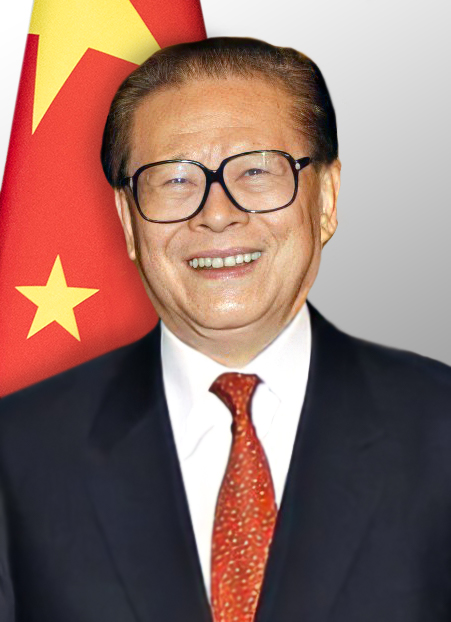
Deng Xiaoping's public image was that of a pragmatic, tough-minded leader who shunned personality cults. Unlike Mao, he discouraged excessive adoration and preferred to work behind the scenes. His small stature and unassuming demeanor belied his political acumen, earning him the nickname 'the little helmsman' in contrast to Mao's 'great helmsman.'
In the West, Deng was often seen as a reformer who opened China to the world, a perception that grew after his 1979 visit to the United States. At home, he was respected for delivering economic growth and stability, though the Tiananmen crackdown tarnished his reputation among some. His image as the architect of modern China has been carefully cultivated by the Communist Party, which credits him with the country's rise.
Fame & Fandom
Deng Xiaoping stands as a towering figure in history, currently recognized the 5th most famous person in China, the 9th most famous person from China, and the 25th most famous person in East Asia within the iFANN Global Fame Rankings. These positions hold steady across cycles, reflecting an enduring legacy that transcends generations. The authority behind these placements tracks global attention across media coverage, search, and consumption signals worldwide, cementing his status not merely as a former leader but as a permanent fixture of historical consciousness.
While modern pop culture often celebrates fleeting stars with organized fan clubs, Deng's audience operates differently. There is no formal fandom name for this revolutionary statesman, nor are there groups rallying around birthday billboards or chart campaigns. Instead, the reverence he commands manifests as state-sponsored veneration and deep historical respect. His supporters do not create inside jokes or engage in viral rituals; they study his policies and honor the economic transformation he engineered. Monuments dedicated to him are maintained by the government rather than funded by grassroots initiatives. This lack of a traditional fanbase does not diminish his impact; rather, it underscores that his influence rests on the tangible results of his leadership, lifting millions out of poverty and reshaping a nation, rather than the performative adoration reserved for entertainers.
Interesting Facts and Legends
Deng Xiaoping stood just 5 feet 1 inch tall, a fact that made him an unlikely physical presence on the world stage despite his immense political power. He was an avid bridge player and a fan of the Chinese card game, often playing with colleagues to relax. Deng also enjoyed swimming, taking to the sea even in his later years. He was known for his simple lifestyle, preferring plain food and modest attire. One of his most famous sayings, 'It doesn't matter whether a cat is black or white, as long as it catches mice,' became a slogan for his pragmatic economic policies. Deng was also a heavy smoker, reportedly going through several packs a day, though he gave up the habit in his later years. He was named Time magazine's Person of the Year twice, in 1978 and 1985.
Beyond these personal habits, legends surround his strategic genius. The doctrine of 'Hide Your Strength and Bide Your Time' remains a widely retold story of his foreign policy advice, instructing China to avoid confrontation while focusing on internal development. This strategy is credited with allowing China to rise without triggering immediate global conflict. Another iconic moment defines his entire era: the launch of Reform and Opening Up in late 1978. This verified event marked the decisive shift from Maoist orthodoxy to market economics, a narrative so central to his legend that it forms the foundation of modern Chinese identity.
Notable Quotes
“It doesn't matter whether a cat is black or white, as long as it catches mice.”
“I am the people's son. I love my country and my people.”
“Development is the absolute principle.”
“We must be bolder than before in reform and opening up.”
“The only way to build socialism is to develop the productive forces.”
Family & Personal Life
Deng Xiaoping was married three times. His first two marriages, to Zhang Xiyuan and Jin Weiying, were brief and took place during his revolutionary years. In 1939, he married Zhuo Lin, a fellow revolutionary, and they remained together until his death. The couple had five children: Deng Lin, an artist; Deng Pufang, who became a disability rights advocate after being paralyzed during the Cultural Revolution; Deng Nan, a vice minister; Deng Rong, a writer; and Deng Zhifang, who studied physics in the US before entering business.
Family life was deeply affected by politics. Deng's children suffered during the Cultural Revolution, and his son Deng Pufang was thrown from a window by Red Guards, leaving him permanently disabled. Despite these hardships, the family remained close. Zhuo Lin was a constant companion and source of support, and Deng often sought refuge in family gatherings and his love of bridge and swimming.
Notable Connections
Deng Xiaoping worked alongside Mao Zedong, Zhou Enlai, and other founding figures of the People's Republic. He later mentored Jiang Zemin, who succeeded him as paramount leader. On the international stage, Deng engaged with US President Jimmy Carter, who hosted his historic 1979 visit to Washington. His reforms were influenced by the economic models of capitalist countries, though he adapted them to Chinese conditions.
Relationships & Dating History
Deng Xiaoping's personal life was marked by three marriages. His first wife, Zhang Xiyuan, was a revolutionary comrade; they married in the late 1920s but divorced shortly after. His second wife, Jin Weiying, also a revolutionary, died in the early 1930s during a period of intense political struggle. In 1939, Deng married Zhuo Lin, the daughter of a wealthy industrialist who had joined the Communist cause. Their marriage lasted nearly six decades, until Deng's death in 1997.
Zhuo Lin was a steadying presence in Deng's life, supporting him through the Cultural Revolution and his purges. They had five children together. As of 2026, Zhuo Lin is deceased, having passed away in 2009. Deng's relationships with his children were close, though his son Deng Pufang's disability brought the family closer. Deng was known to be devoted to his wife, and their partnership was a source of strength throughout his career.
- MarriedZhang Xiyuan1928 - 1931Revolutionary comrade; marriage ended in divorce.
- MarriedJin Weiying1931 - 1933Died in the early 1930s during political turmoil.
- MarriedZhuo Lin1939 - 1997Longest marriage; had five children together.
Death & Aftermath
Died
February 19, 1997 (aged 92)
Death Place
Beijing, China
Cause of Death
Parkinson's disease and pulmonary infection
The official announcement came from the Central Committee of the Communist Party of China on February 19, 1997: Deng Xiaoping had died at 12:10 PM Beijing Time at the Fuxing Hospital in Haidian District, Beijing, at the age of 93. The cause was given as Parkinson's disease compounded by a pulmonary infection, conditions he had been treated for since late 1996. His last public appearance had been during the Southern Tour in Shenzhen on September 2, 1992, after which he largely withdrew from public life, though he continued to offer political guidance until shortly before his death.
The reaction was immediate and immense. In Beijing, millions lined the route of the funeral procession in spontaneous vigils. The government declared a week of national mourning, with flags at half-mast and nationwide moments of silence. International tributes came from leaders such as US President Bill Clinton, who called him a "great statesman," and British Prime Minister Tony Blair, who acknowledged his role in modernizing China. In the weeks that followed, a wave of books, documentaries, and archival footage about his life and policies was published and distributed, and memorial statues and murals were erected in cities like Shenzhen and Shanghai.
The state funeral was held on February 25, 1997, at the Great Hall of the People in Beijing, presided over by Chairman Jiang Zemin, with thousands of domestic and foreign dignitaries in attendance. Following the ceremony, Deng was cremated, and his ashes were scattered into the sea off the coast of Zhuhai, Guangdong Province, as he had requested to avoid creating a site of cult-like worship. Posthumously, the Deng Xiaoping Foundation was established to promote economic development and reform studies, and his life has been chronicled in films and documentary series such as Deng Xiaoping (2001) and The Rise of China. His family has consistently emphasized his humility and dedication to the party and country, often quoting his famous saying: "It doesn't matter if a cat is black or white, as long as it catches mice."
Net Worth (Estate Value)
$10 Million
iFANN Editorial Team estimate
Deng Xiaoping's net worth is difficult to estimate precisely, as he was a state leader who did not accumulate personal wealth in the traditional sense. Per iFANN's editorial analysis, his estate is valued at around $10 million as of 2026, a figure that reflects his modest lifestyle and the lack of commercial ventures. Unlike many modern politicians, Deng did not engage in business or hold personal investments during his lifetime. His income came solely from his government salary, which was modest by international standards. After his death, his estate has earned royalties from his writings and speeches, which are published and studied widely. The estate is managed by his family, particularly his daughter Deng Rong, who has written extensively about her father. The annual income from these sources is minimal, estimated at a few hundred thousand dollars. There have been no major commercial deals involving his name, as the Chinese government regulates the use of his image and legacy.
Awards Won (2)
Deng Xiaoping received few formal awards, as his power was political rather than ceremonial. His most notable recognition came from Time magazine, which named him Person of the Year in 1978 and 1985, honoring his role in transforming China. These selections underscored his global impact.
1985 · Time Magazine
Leadership of China
1978 · Time Magazine
Reform and opening-up
Known For
Reform and Opening-up
1978 · Architect
Special Economic Zones
1980 · Founder
Deng Xiaoping Theory
1992 · Developer
Keywords
Sources
Quick Facts
- Full Name
- Deng Xixian
- Born
- August 22, 1904
- Birthplace
- Guang'an, Sichuan, China
- Died
- February 19, 1997
- Death Place
- Beijing, China
- Gender
- Male
- Spouse
- Zhuo Lin (m. 1939–1997)
- Children
- 5
- Height
- 5 ft 1 in (155 cm)
- Birth Sign
- Leo
Personal Details
- Full Name
- Deng Xixian
- Height
- 5 ft 1 in (155 cm)
- Spouse
- Zhuo Lin
- Children
- Deng Lin, Deng Pufang, Deng Nan, Deng Rong, Deng Zhifang
- Education
- Chongqing Preparatory School; Moscow Sun Yat-sen University
Frequently Asked Questions
How old was Deng Xiaoping when he died?
What was Deng Xiaoping's net worth?
Is Deng Xiaoping still alive?
Why is Deng Xiaoping famous?
What was Deng Xiaoping's height?
Join the community
fans discussing