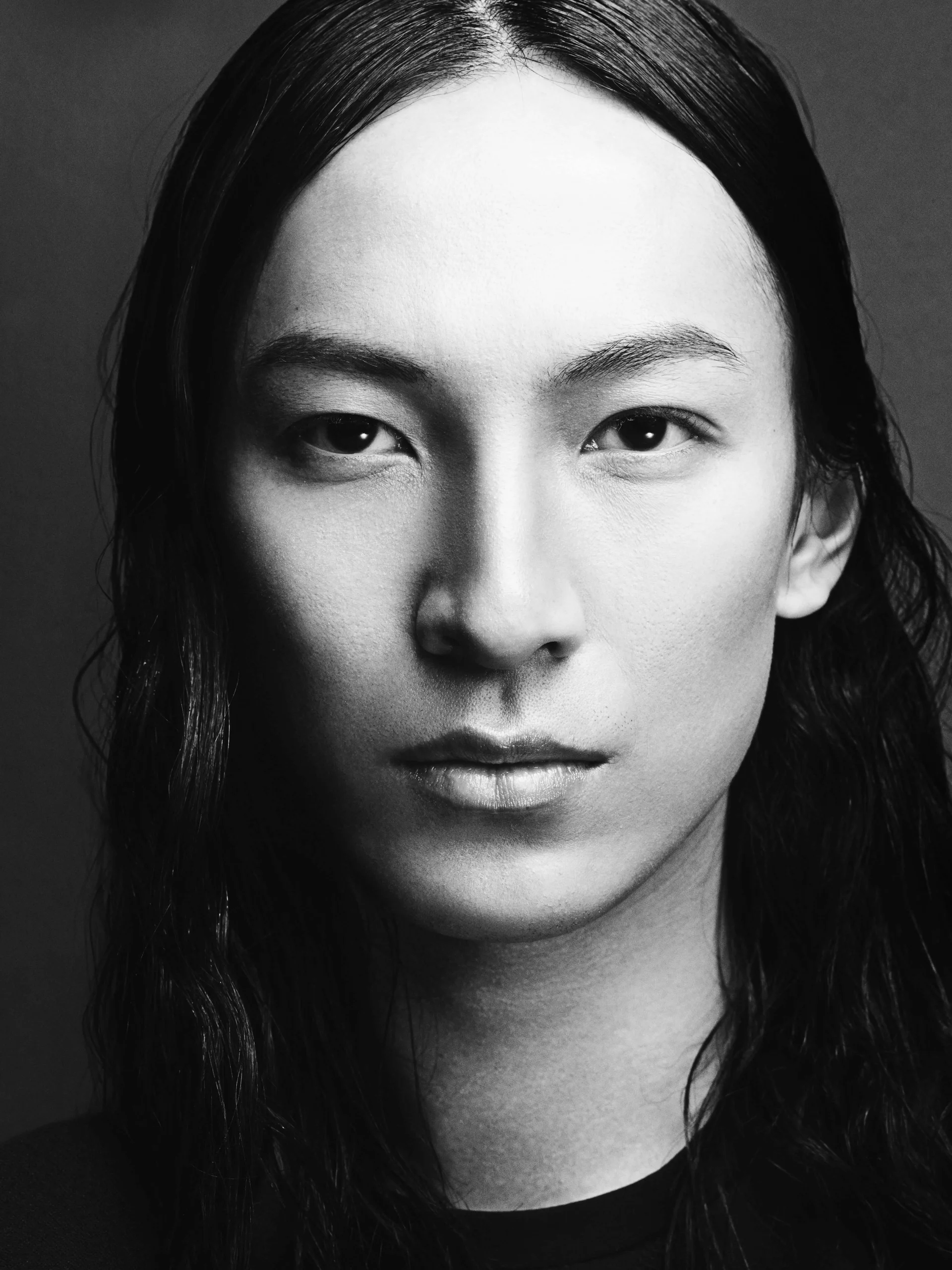
Wang Huning
 China
Chinapolitician•political scientist•political theorist
Also known as: Wang Huning, 王沪宁, Wáng Hùníng, China's ideological czar, China's gray eminence
Birthday
October 6, 1955
Birth Sign
Libra
Birthplace
Shanghai, China
Age
71 years old
About
Wang Huning is a Chinese political scientist and one of the most senior figures in the Chinese Communist Party, currently serving as chairman of the National Committee of the Chinese People's Political Consultative Conference, the country's top political advisory body. He ranks as the party's fourth-highest leader and has spent three decades as its principal ideological draftsman.
Since 2023 he has led the CPPCC, a role that has put him at the center of China's diplomatic calendar. In 2026 alone he toured Tibet, visited North Korea to mark a treaty anniversary and meet Kim Jong Un, met the speaker of Egypt's senate, and publicly warned that China would "resolutely strike" Taiwan independence forces. State media now routinely introduce him as the country's top political advisor.
What sets Wang apart from every other figure at his level is his background. He came to power through the pen, not the podium: a former Fudan University professor who never governed a province or ran a ministry, he built his career writing the ideological language that Chinese leaders govern by. Media outside China call him the party's ideological czar and its gray eminence, a scholar-strategist who works almost entirely out of public view.
Early Life & Background
Born in Shanghai on October 6, 1955, Wang grew up in a city that was still a world away from the global metropolis it became. The story his biographers return to most often is a simple one: as a boy he read his way through much of his local library, an early sign of the bookishness that would define him. He went on to Fudan University, where he studied international politics, and unlike most of his classmates he never really left. He stayed on as a faculty member and became one of the youngest associate professors in China.
By the late 1980s Wang was a fixture of Shanghai's reform-era intellectual scene, known for a restless curiosity that took him across the country to observe how Chinese society was actually changing. He eventually became dean of Fudan's law school, a rare academic credential among the party figures who would later surround him.
The turning point came in 1988, when he spent six months in the United States. He traveled, watched, and took notes, and the result was America Against America, published that same year. His argument was blunt: America's cultural fragmentation, political decay, and social division would eventually hollow it out from within. It was not a bestseller in the West, but it made his name in Beijing. The book is still pulled off shelves by analysts every time American politics fractures, and it remains the single work most associated with him.
Around the same time Wang became linked to "neoauthoritarianism," the argument that a strong centralized leadership was the only way to hold China together through reform. That idea, more than any single book, is what brought him to the attention of the party apparatus. In 1995 he left academia for good, joining the Central Policy Research Office as a director of a research team. He was 39.
Career Growth
The Central Policy Research Office became Wang's home for a quarter century. He was promoted to deputy director in 1998 and to director in 2002, a post he held until 2020, the longest tenure in the office's history. From that desk he wrote, or helped write, the ideological frameworks of three successive leaders: Jiang Zemin's "Three Represents," Hu Jintao's "Scientific Outlook on Development" and "Harmonious Society," and later Xi Jinping's "Chinese Dream" and the national rejuvenation narrative.
His formal rise tracked that work. He joined the CCP Secretariat in 2007, entered the Politburo in 2012, and in 2017 was elevated to the Politburo Standing Committee at the 19th Party Congress, making him one of the seven most powerful people in China. He gave up the CPRO directorship in 2020 after 18 years.
In 2023 Wang succeeded Wang Yang as chairman of the CPPCC, a position that transformed him from behind-the-scenes draftsman into a visible diplomatic figure. The 2026 record shows what that looks like in practice: a July visit to the DPRK for the China-DPRK treaty anniversary, where he met Kim Jong Un, followed days later by a rare tour of Tibet stressing ethnic unity and stability. September brought meetings with the speaker of Egypt's senate alongside Zhao Leji, calls for stronger ties with Angola, and a National Day address urging "pooling strength for national rejuvenation" while vowing to "resolutely strike" Taiwan independence forces. Vietnam's Fatherland Front sent congratulations to him and the CPPCC on October 1.
Career Timeline
Public Image & Style
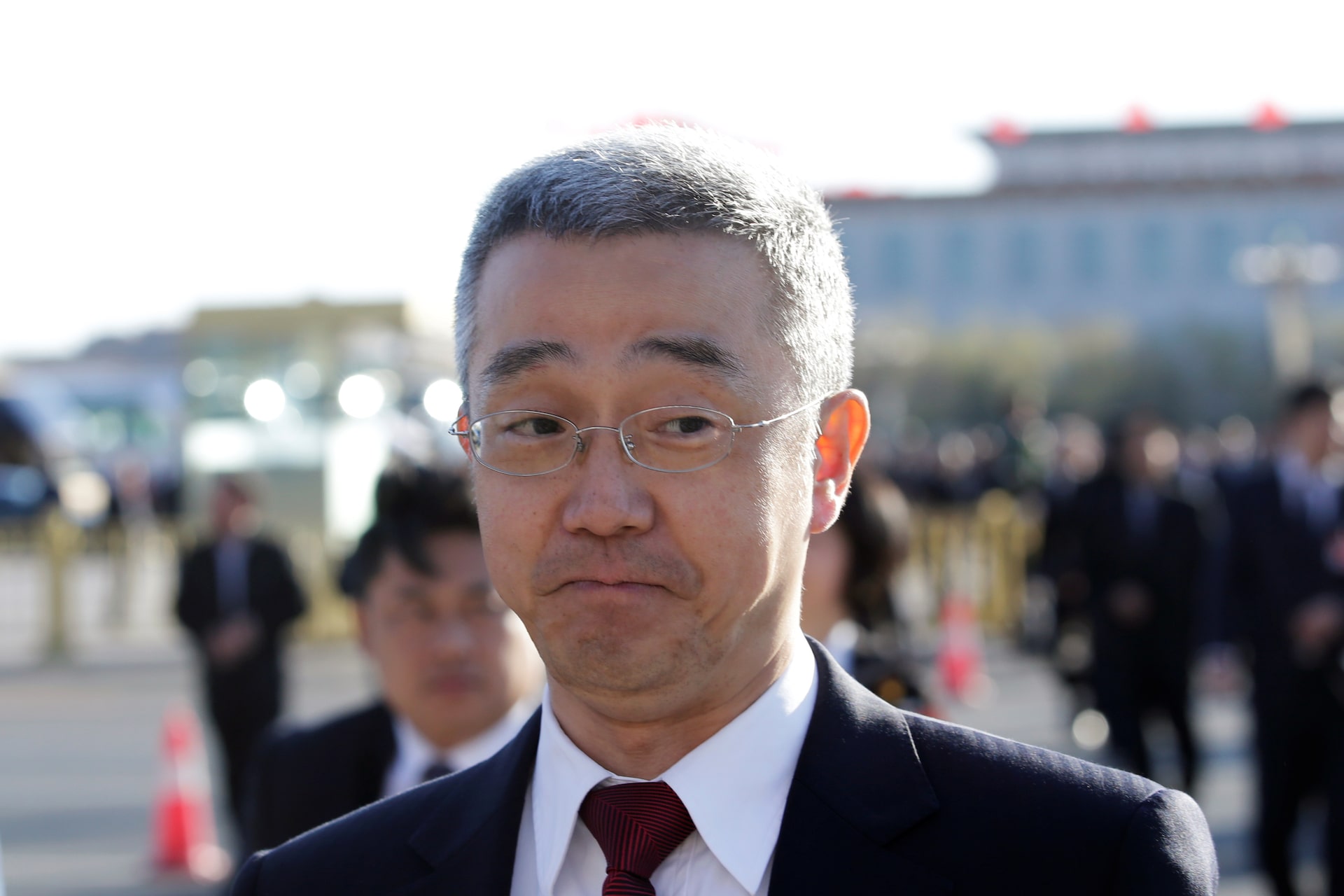
Wang cuts the standard figure of the Chinese party elite: slight, bespectacled, grey-haired, always in a dark suit and tie. What makes the image stick is the contrast between the uniform and the reputation. He is a man of the pen in a world of podiums, and the foreign press has built a small vocabulary around that gap. El País calls him China's ideological czar. Other outlets reach for gray eminence, the power behind the throne, the strategist no one photographs.
His public voice is almost nonexistent by design. He does not give interviews, does not appear on television panels, and does not publish for a general readership. When he does speak, it is in the compressed, formal register of a party document, which is precisely the register he helped write. That reticence has become its own kind of presence: in a system where visibility usually signals power, Wang's near-invisibility is read as evidence of it.
Fame & Fandom (iFAMOUS Rankings)
Wang Huning is the 86th most famous person in China, a placement he has held steady from the previous cycle in the iFANN Global Fame Rankings. He is also featured at No. 89 in the September 2026 iFAMOUS Rankings on the China list. Those numbers are remarkable for a man who has never given an interview and whose name most people outside China would struggle to place.
There is no fandom here in any conventional sense, and it is worth saying plainly: no fan club, no fandom name, no birthday billboards, no streaming campaigns. Wang's audience is political observers, diplomats, and China analysts, people who read his books and track his movements the way other people follow athletes. The closest thing to a fan ritual is the periodic rediscovery of America Against America every time American politics fractures, when his 1988 predictions get passed around again with a note of disbelief.
What holds attention is the mystery. Wang is the fourth-ranking leader of the world's second-largest economy and almost nobody knows what he sounds like. That combination, enormous institutional power and near-total personal reticence, is what keeps his name circulating in dispatches from Beijing to Seoul to Washington. His 2026 trips to North Korea and Tibet generated the kind of coverage usually reserved for heads of state, not advisors.
Interesting Facts and Legends
Wang is the rare senior Chinese leader who has never run a province or a ministry. His entire career was built inside research offices and university seminar rooms, which is why foreign analysts sometimes describe him as the only pure intellectual in China's top ranks.
His 1988 book America Against America has become something close to a legend in China-watching circles. The story fans of political history retell is that he forecast America's Trump-era fractures decades before anyone else, writing from notes taken during a six-month stay in the United States. Analysts cite it with a mix of admiration and unease.
He is famously silent. Wang gives no interviews, publishes nothing for general audiences, and almost never speaks in public, which makes his 2026 diplomatic schedule unusually visible by his standards.
His reading habit is the one personal detail that has survived into the public record: by his own account he worked through much of his local library as a child in Shanghai. He also traveled widely across China in the 1980s, at a time when few academics did.
Notable Quotes
“Pooling strength for national rejuvenation.”
“We will resolutely strike Taiwan independence forces.”
Family & Personal Life
Wang was born in Shanghai in 1955 and raised there. He has kept the rest of his family life almost entirely out of public view, and that privacy is deliberate rather than accidental. Reliable sources document no children and no family stories he has shared publicly. What is known is that he is married, and the entity record lists two spouses, Zhou Qi and Xiao Jialing. Beyond that, the record goes quiet. Biographers who have tried to fill the gap have come away with little, and Wang has never corrected or confirmed the speculation. For a man who has spent thirty years writing the language other people govern by, it is a striking inversion: the author of the system's most quoted phrases has left his own household almost entirely unwritten.
Notable Connections
Xi Jinping is his closest principal, and Wang spent years drafting the ideological language of Xi's era. He advised Jiang Zemin and Hu Jintao before that. Zhao Leji is a frequent 2026 diplomatic counterpart, and he met Kim Jong Un during his July 2026 DPRK visit. The CPPCC leadership and the Central Policy Research Office form the institutional core of his network.
Relationships & Dating History
Wang Huning has kept his personal life almost entirely out of the public record, and that is not an accident. He gives no interviews and has never discussed his marriage or family in public. The entity record lists two spouses, Zhou Qi and Xiao Jialing, and that is essentially the full extent of what reliable sources document. No dating history, no reported divorces, no documented children, and no public romantic relationships beyond those marriages appear in credible reporting.
For a figure of his rank this level of privacy is unusual even by Chinese elite standards. Other senior leaders have at least a documented public biography of family life; Wang's has been scrubbed down to names. Analysts who have tried to fill the gap have come away empty, and Wang has never corrected or confirmed any of the speculation that fills the vacuum.
As of 2026 there is no reported change in his marital status. Readers should treat any tabloid-style claim about his private life as unverified, because there is no credible source behind them.
- MarriedZhou QiListed as a spouse in the entity record; no public details of the marriage have ever been released.
- MarriedXiao JialingCurrentListed as a spouse in the entity record; Wang has never discussed his marriage publicly.
Salary, Net Worth In 2026
$3 Million
iFANN Editorial Team estimate
Wang Huning is a salaried senior official of the Chinese Communist Party, not a business figure, and his personal finances are not publicly disclosed. The iFANN Editorial Team's analysis of his position, career earnings and known assets points to a current net worth of roughly $3 million as of 2026, a figure driven almost entirely by decades of state salary and the modest personal holdings typical of officials at his level. He has no publicly traded business interests, no endorsement deals, and no commercial ventures.
His income has come from two sources across a long career: university pay during his Fudan years and party salary after he joined the Central Policy Research Office in 1995. Senior CCP officials at the Politburo Standing Committee level earn far less than their counterparts in Western governments, and Wang's own reputation for austerity fits the pattern. He does not maintain a public profile that would attract book royalties of any significance, and his academic work has never been marketed as a commercial property outside China.
Any figure circulating online for Wang's wealth should be treated with caution. Unlike celebrities or entrepreneurs, Chinese party leaders do not file public financial disclosures, and no credible outlet has published a verified net worth for him. The estimate here reflects what can reasonably be inferred from a lifetime of public-sector pay rather than any disclosed asset schedule. His financial trajectory has been flat by design, rising with rank rather than with markets, and there is no indication that will change.
Awards & Accolades
View 6 records, honours and achievementsKnown For
America Against America
1988 · Author
Chairman of the National Committee of the CPPCC
2023 · Chairman
Director of the Central Policy Research Office
2002 · Director
Politburo Standing Committee
2017 · Member
Keywords
Sources
Quick Facts
- Profession
- politician, political scientist, political theorist
- Born
- October 6, 1955
- Birthplace
- Shanghai, China
- Gender
- Male
- Spouse
- Zhou Qi, Xiao Jialing
- Birth Sign
- Libra
- Education
- Fudan University
- Current Role
- Chairman, National Committee of the CPPCC
Personal Details
- Full Name
- Wang Huning
- Spouse
- Zhou Qi, Xiao Jialing
- Education
- Fudan University
Frequently Asked Questions
Who is Wang Huning?
How old is Wang Huning?
What did Wang Huning write?
Is Wang Huning married?
What is Wang Huning's net worth?
Similar People

Join the community
fans discussing