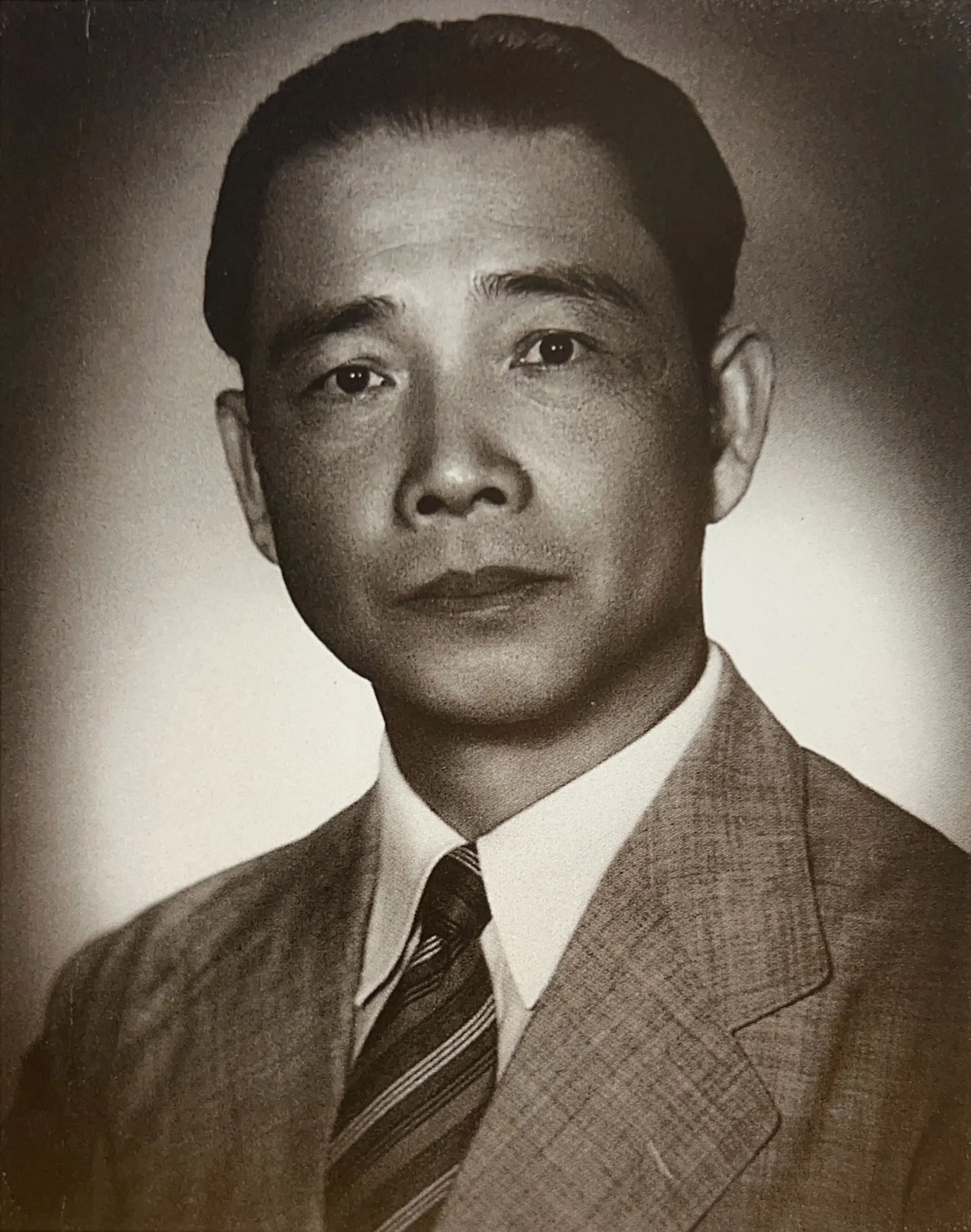
Wang Yang
 China
ChinaBirthday
March 5, 1955
Birth Sign
Pisces
Birthplace
Suzhou, Anhui Province, China
Age
71 years old
About
Wang Yang is a retired Chinese politician who served at the highest levels of the Chinese Communist Party. Born in 1955, he rose from a rural grain depot worker to become the fourth-ranking member of the Politburo Standing Committee, a position he held from 2017 to 2022. His career spanned provincial governance, central economic policy, and national leadership, making him one of the most influential figures in China's modern political landscape.
Wang is best known for his tenure as Party Secretary of Guangdong from 2007 to 2012, where he championed the "Guangdong model" of economic restructuring and social reform. He later served as Vice Premier overseeing poverty alleviation and as Chairman of the Chinese People's Political Consultative Conference from 2018 to 2023. His pragmatic, technocratic style distinguished him from more radical contemporaries, and he remains a respected elder statesman in Chinese politics.
Early Life & Background
Wang Yang was born on March 5, 1955, in Suzhou, a county in Anhui Province, one of China's poorest regions. His family had no political connections, lacking the revolutionary pedigree of the "princeling" faction within the Communist Party. This humble origin would later be cited as evidence of meritocratic advancement within the CCP.
He joined the party in 1972 at age 17, during the Cultural Revolution, and began working at a grain depot in Suzhou as a statistician. Over the next decade, he rose to become depot director, gaining hands-on experience in rural administration. His competence caught the attention of provincial leaders, and he moved into local government roles throughout the 1970s and 1980s.
Wang's formal education came later in his career. He attended the Central Party School for advanced cadre training and earned a degree in management science from the Chinese University of Science and Technology in Hefei. This combination of grassroots work and academic training prepared him for the economic policy roles that defined his later career.
Career Growth
Wang Yang's breakthrough came in 1999 when he transferred to the central government in Beijing, serving in the State Council under Premier Zhu Rongji. His work on economic restructuring initiatives earned him a reputation as a capable technocrat.
In 2005, he was appointed Party Secretary of Chongqing, a major municipality, where he implemented economic development policies. Two years later, he moved to Guangdong, China's economic powerhouse, and joined the Politburo. His "Guangdong model" emphasized industrial upgrading, the "Double Transfer" policy, and social welfare reforms for migrant workers. This approach stood in deliberate contrast to Bo Xilai's populist strategies in Chongqing.
From 2013 to 2018, Wang served as Vice Premier, overseeing agriculture, water management, commerce, tourism, and poverty alleviation. He implemented early phases of Xi Jinping's signature anti-poverty campaign. In October 2017, he was promoted to the Politburo Standing Committee, becoming the fourth-ranked leader. He was elected CPPCC Chairman in March 2018, a role he held until his retirement in March 2023.
Career Timeline
Public Image & Style
Wang Yang's public image within China was that of a pragmatic, reform-oriented technocrat. He was often described as having a "down-to-earth" style, making impromptu visits to factories and farms during his Guangdong tenure. His "Guangdong model" was portrayed in Chinese media as a sophisticated, balanced approach to development, implicitly contrasted with Bo Xilai's theatrical populism.
He did not cultivate a personal following in the manner of entertainers or Western politicians. However, among China-watchers in the West, he was regarded as one of the more moderate and reformist figures in the senior leadership. His retirement in 2023 was noted as a loss for the reformist wing of the CCP.
Fame & Fandom (iFAMOUS Rankings)
Wang Yang commands a unique position in the public sphere, defined not by the fervent adoration typical of entertainers but by the profound respect accorded to a pragmatic statesman who reshaped China's economic trajectory. Unlike pop idols with dedicated fan clubs, his following is an organic appreciation from citizens and observers who value his down-to-earth governance style and his historic rise from a rural worker to the apex of power. There is no formal name for this audience, reflecting the nature of his career where influence stems from policy outcomes rather than celebrity culture. His legacy is woven into the fabric of modern Chinese development, particularly through the 'Guangdong model' that balanced rapid growth with social reform. This steady, substantive impact has secured his standing in global consciousness, placing him among the most recognizable figures of his generation. Per the latest data from the iFANN Global Fame Rankings, Wang Yang is the 56th most famous person in China, a position he has held steady since the previous cycle. This ranking reflects a consistent level of attention across media coverage, search trends, and consumption signals worldwide.
Interesting Facts and Legends
Wang Yang was known for his plain-spoken style, unusual in China's scripted political culture. He utilized social media platforms like Weibo to communicate directly with the public during his Guangdong tenure, a rarity for a provincial party secretary at the time. An early advocate for allowing migrant workers' children to attend urban schools, he pushed for this controversial policy when it was first proposed. Beyond politics, he reportedly enjoys calligraphy and traditional Chinese painting. His ascent from a grain depot worker to the fourth-ranking member of the Politburo Standing Committee is frequently cited as a prime example of meritocratic advancement within the CCP. Notably, he remains one of the few top leaders whose entire career was built almost exclusively on economic management rather than security or party organizational work. While there are no viral legends or fan-driven myths surrounding him comparable to those of entertainers, his career itself serves as a narrative of resilience and administrative skill that resonates deeply with historians of modern China.
Notable Quotes
“Reform is like crossing a river by feeling the stones. Sometimes the stones are not there, and we must find new ways to cross.”
“The government should not do everything. The market should play its role, and the government should play its role. This is not about ideology; it is about what works.”
“Poverty is not a destiny. It is a condition that can be changed with the right policies and the right efforts.”
“I prefer to see problems with my own eyes rather than through reports.”
Family & Personal Life
Wang Yang is married, though his wife's name has never been publicly confirmed. The couple has at least one child. Consistent with the practices of senior Chinese Communist Party officials, Wang has maintained strict privacy regarding his family. Chinese state media has never published details about his wife or children, and he has not spoken publicly about his family life.
His family background was modest, with no political connections. This shaped his identity as a self-made official, in contrast to the princeling faction. There are no public records of his household or personal living arrangements.
Notable Connections
Wang Yang's career intersected with several key figures in Chinese politics. He served under Premier Zhu Rongji in the State Council, worked alongside Premier Li Keqiang during his vice premiership, and implemented policies under President Xi Jinping. His successor as CPPCC Chairman was Wang Huning. Most notably, his rivalry with Bo Xilai, the Chongqing Party Secretary, represented competing visions for China's development.
Relationships & Dating History
Wang Yang's personal romantic history is not a matter of public record. As a senior Chinese politician, his private life has never been covered by state media, and there are no credible reports of relationships beyond his marriage. He is married, though his wife's identity has not been publicly disclosed. There are no documented divorces, separations, or extramarital relationships.
As of 2026, Wang Yang remains married, with his spouse's identity still undisclosed.
- MarriedCurrentSpouse's identity not publicly disclosed.
Salary, Net Worth In 2026
$2 Million
iFANN Editorial Team estimate
Wang Yang's personal net worth is not a matter of public record, as Chinese law requires senior officials to report assets but keeps these declarations confidential. No credible financial outlet has published a verified figure. As a retired government official, his income derives from state salaries and pensions, which are modest by international standards. A Politburo Standing Committee member's annual salary is estimated at roughly ¥150,000–200,000 RMB ($21,000–28,000 USD), and his pension would be similar. Given the lack of public data, any estimate is speculative. However, per iFANN's editorial analysis, his net worth in 2026 is estimated at approximately $2 Million, reflecting decades of government service rather than private wealth accumulation.
Awards & Accolades
View 7 records, honours and achievementsKnown For
Guangdong model
2007–2012 · Architect
Politburo Standing Committee
2017–2022 · Member (4th-ranked)
CPPCC National Committee
2018–2023 · Chairman
Keywords
Sources
Quick Facts
- Profession
- politician
- Born
- March 5, 1955
- Birthplace
- Suzhou, Anhui Province, China
- Gender
- Male
- Birth Sign
- Pisces
- Political Party
- Chinese Communist Party
Personal Details
- Children
- 1
- Education
- Central Party School; Chinese University of Science and Technology (management science)
Frequently Asked Questions
What is Wang Yang's net worth in 2026?
Is Wang Yang still alive?
What did Wang Yang do as a Chinese politician?
Who is Wang Yang's wife?
What is the 'Guangdong model'?
Join the community
fans discussing