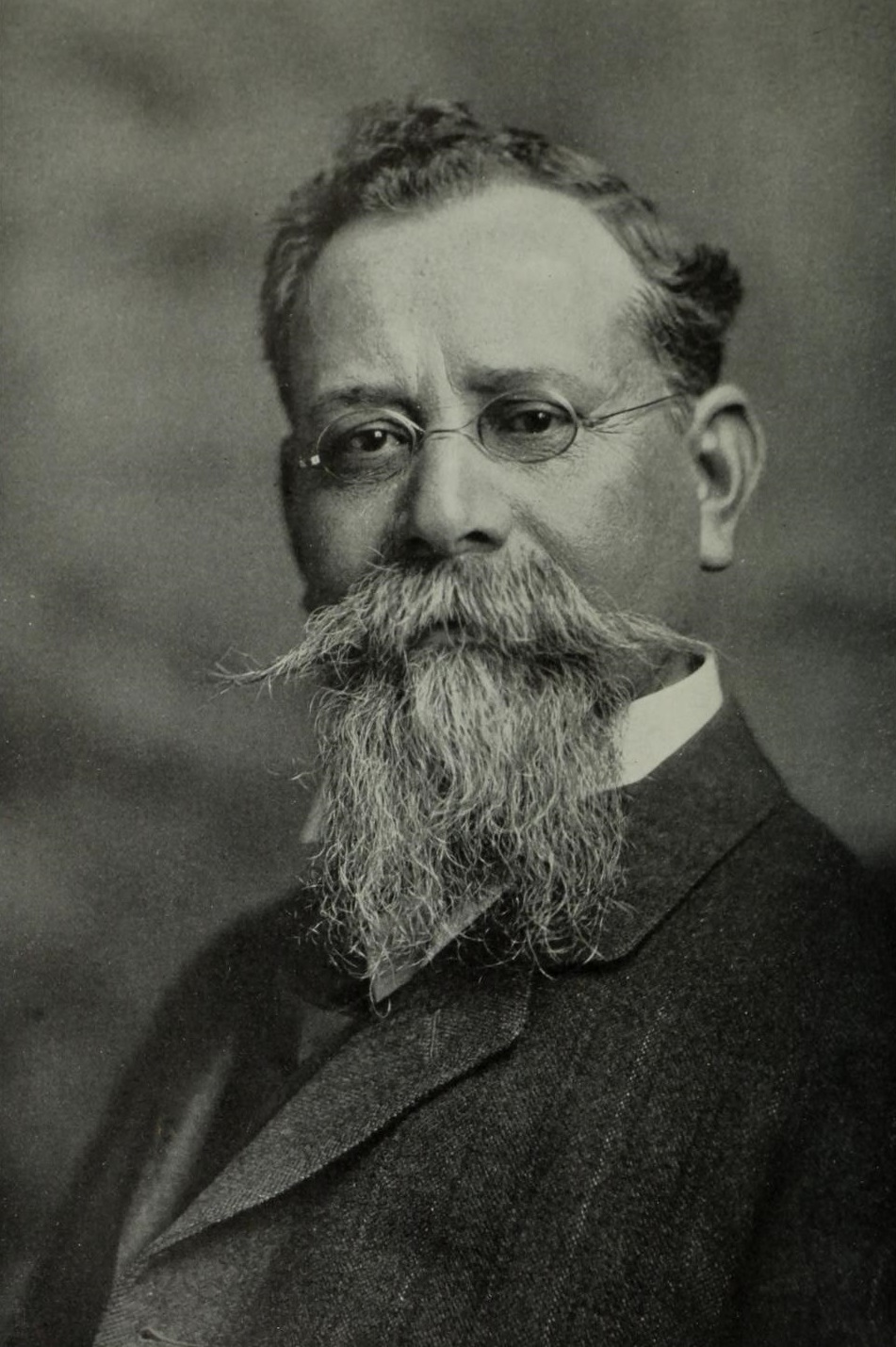
Venustiano Carranza
 Mexico
politician•military personnel•president
Birthday
+1859-12-29
Birth Sign
Sagittarius
Birthplace
Cuatro Ciénegas de Carranza
Age
Died at 60
About
Born in Cuatro Ciénegas, Coahuila, on December 29, 1859, Venustiano Carranza emerged as a significant figure in Mexican politics and military affairs. From a prominent landowning family, he first entered public service as a senator for Coahuila during the era of Porfirio Díaz. Initially aligned with Díaz, Carranza grew disillusioned and later supported Francisco Madero's challenge to the long-standing dictatorship in 1910. When Madero's bid for the presidency was thwarted and the Mexican Revolution ignited, Carranza found himself at the forefront of the struggle. Following Madero's assassination in 1913, Carranza penned the Plan of Guadalupe, a pivotal document that rallied forces against the usurping general Victoriano Huerta and laid the groundwork for the Constitutionalist movement. He organized loyal militias into a formidable army, which ultimately ousted Huerta in 1914.
Fame & Fandom
Venustiano Carranza does not possess a formalized fanbase or an organized community of followers bearing a specific moniker, as his legacy rests on historical statecraft rather than modern celebrity culture. His influence is preserved through academic study and government commemoration rather than grassroots activism or digital campaigns. While the name appears frequently in contemporary news regarding municipal districts in Mexico City and Michoacán, these references denote geographic locations rather than active engagement with the man himself. Despite the absence of a dedicated fandom, his standing in global historical memory remains robust according to the iFANN Global Fame Rankings. Data from August 2026 places him as the 35th most famous person in Mexico, a position he has held steady since the previous cycle. He also ranks as the 81st most famous person from Mexico, maintaining his spot without fluctuation. In the broader context of Latin America, his profile rose slightly to become the 63rd most famous person in the region, moving up from the 64th position last cycle. These placements reflect his enduring presence across media coverage and consumption signals worldwide, cementing his status as a primary figure in national history. The rankings confirm that while he lacks the viral moments of modern entertainers, his impact on political structures ensures a consistent level of recognition among those interested in global affairs.
Interesting Facts and Legends
Carranza was assassinated on May 21, 1920, near Tlaxcalantongo in Puebla while fleeing Mexico City during a coup led by former allies Álvaro Obregón and Plutarco Elías Calles. This event marked the definitive end of his presidency and symbolizes the volatile nature of the post-revolutionary era. Historians widely regard him as the "Godfather of the Mexican Revolution" for his role as the organizer of resistance against Victoriano Huerta and the architect of the progressive 1917 Constitution. His leadership defined labor rights and land reform, establishing a legal framework that remains central to Mexican identity. A central drama in his life involved the ideological split between his moderate Constitutionalists and radical agrarian leaders Pancho Villa and Emiliano Zapata. This conflict culminated in the betrayal and execution of Zapata in 1919, an act ordered by Carranza's forces that established his reputation as a pragmatic politician who prioritized order over radical demands. Unlike modern icons, he did not experience crowds fainting at his appearance; instead, his interactions were strictly military and political, often placing him at odds with more radical factions.
Death & Aftermath
Died
+1920-05-21 (aged 60)
Death Place
Tlaxcalantongo, Hidalgo, Mexico
Cause of Death
Gunshot wounds during ambush
On the night of May 20 to 21, 1920, Venustiano Carranza traveled through a village while fleeing Mexico City after his overthrow by General Álvaro Obregón and Plutarco Elías Calles. His convoy was ambushed by soldiers loyal to the new regime, and during the ensuing flight on horseback, Carranza sustained gunshot wounds that proved fatal before dawn on May 21. While some accounts suggested he might have committed suicide to avoid capture, historical consensus holds that he died from injuries inflicted by pursuing troops, a conclusion drawn from eyewitness testimony rather than a formal autopsy or legal inquest.
The immediate aftermath was defined by political expediency rather than judicial process, as the victorious faction legitimized the killing as a necessary step to secure the presidency. Carranza's body was initially interred in a simple grave at Tlaxcalantongo but was subsequently exhumed and moved multiple times due to ongoing instability and fears that his burial site would become a rallying point for counter-revolutionaries. In 1933, his remains were finally laid to rest in the Monument to the Revolution in Mexico City, marking his transition from a fallen president to a national symbol.
Public reaction to his death remained polarized, with supporters viewing him as a martyr for the Constitution of 1917 while others celebrated the consolidation of power under Obregón. Tributes were limited immediately following the chaos of the revolution, yet his legacy eventually became central to Mexican political discourse, leading to the proliferation of memorials, landmarks, and towns bearing his name. His estate was managed by his family, who retained their land holdings despite the erosion of wealth caused by subsequent agrarian reforms.
Awards & Accolades
Keywords
Quick Facts
- Profession
- politician, military personnel, president
- Born
- +1859-12-29
- Birthplace
- Cuatro Ciénegas de Carranza
- Died
- +1920-05-21
- Death Place
- Tlaxcalantongo
- Gender
- Male
- Birth Sign
- Sagittarius
Join the community
fans discussing