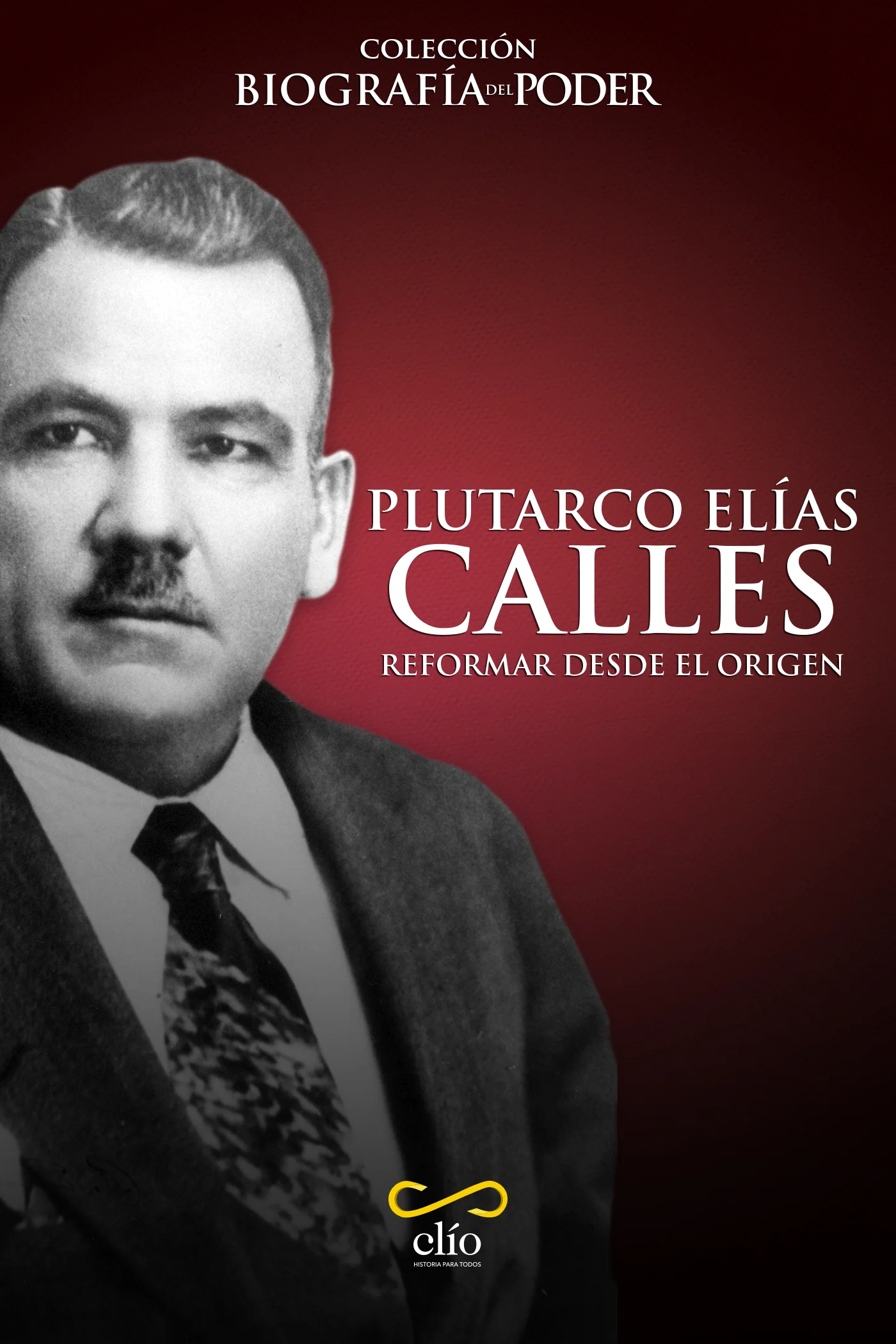
Plutarco Elías Calles
 Mexico
Also known as: El Jefe Máximo, Francisco Plutarco Elías Campuzano
Birthday
September 25, 1877
Birth Sign
Sagittarius
Birthplace
Heroica Guaymas, Sonora, Mexico
Age
Died at 68
About
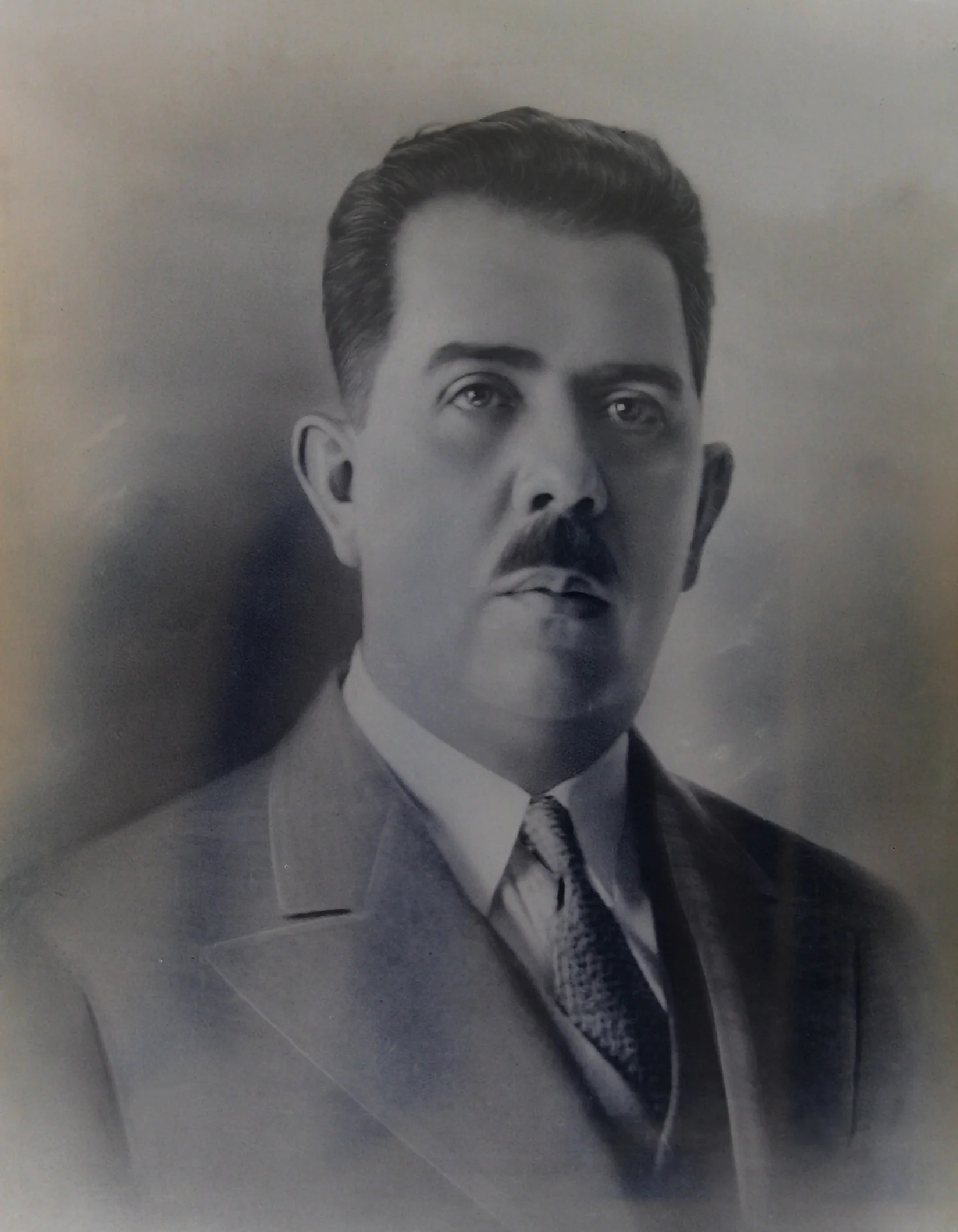
Plutarco Elías Calles, born Francisco Plutarco Elías Campuzano on September 25, 1877, in Heroica Guaymas, Sonora, was a pivotal Mexican politician and military general who served as the 47th President of Mexico from December 1, 1924, to November 30, 1928. His career spanned critical periods of Mexican history, including the Revolution and the decades that followed. He rose through the ranks as a general in the Constitutional Army and later governed the state of Sonora before holding significant cabinet positions. His presidency focused on secularism, labor rights, and land redistribution, fundamentally shaping the modern Mexican state.
Following his term as president, Calles remained the de facto ruler of Mexico for nearly a decade through a period known as the Maximato. During this time, he influenced three successive presidents until his political ouster by Lázaro Cárdenas in 1936. His legacy is defined by his role in founding the Institutional Revolutionary Party (PRI) and his controversial enforcement of anticlerical laws that sparked the Cristero War. He remains a complex figure in historical analysis, representing both the foundations of the modern state and the authoritarian tendencies of the post-revolutionary era.
Early Life & Background
Calles was born into a modest family in Heroica Guaymas, Sonora, but faced early tragedy when his father died while he was an infant. His mother passed away shortly after, leaving him an orphan who was raised by relatives. To support himself, he began working as a clerk in a local store while attending night school. His education was interrupted by the outbreak of the Mexican Revolution, yet he had previously studied law and briefly worked as a teacher and newspaper editor before fully committing to the revolutionary cause.
Before entering the national spotlight, Calles established himself in Sonoran politics. He served as a municipal president and later as a state legislator. During these formative years, he aligned with Venustiano Carranza's Constitutionalists against the regime of Victoriano Huerta and the forces of Pancho Villa. His administrative skill and military prowess allowed him to rise rapidly through the ranks, eventually becoming a General in the Constitutional Army. This period set the stage for his ascent to the governorship of Sonora and his eventual election to the presidency.
Career Growth
Calles's political ascent accelerated during the Mexican Revolution. From 1911 to 1914, he fought under Venustiano Carranza against Victoriano Huerta, rising to the rank of General. Between 1915 and 1920, he served as Governor of Sonora, implementing significant educational and infrastructure reforms. He then became Secretary of War under President Álvaro Obregón from 1920 to 1924.
Elected the 47th President of Mexico in 1924, Calles focused on secularism, labor rights, and land redistribution. His administration strengthened state power over the Catholic Church, leading to strict anticlerical laws. The enforcement of Article 130 of the Constitution sparked the Cristero War from 1926 to 1929, a violent uprising where the government pursued an aggressive policy against the Church, including the execution of priests. After Obregón's assassination in 1928, Calles effectively ruled Mexico from behind the scenes, selecting and controlling three consecutive presidents: Emilio Portes Gil, Pascual Ortiz Rubio, and Abelardo L. Rodríguez. This era, defined by his title "El Jefe Máximo," ended in 1936 when President Lázaro Cárdenas forced Calles into exile in the United States.
Career Timeline
Public Image & Style
Calles is viewed as a complex figure in Mexican history. Some see him as a modernizer who built the foundations of the modern Mexican state through education, labor rights, and infrastructure projects. Others view him as a tyrant who persecuted the Catholic Church and stifled democracy during the Maximato. His public persona was that of a pragmatic and often harsh leader, known for his administrative rigor and decisive action. He earned the moniker "El Jefe Máximo" (The Supreme Leader), which reflects his dominance over the post-revolutionary political scene. He is frequently cited for his declaration regarding the defense of the Constitution, stating he would use all means necessary to uphold it.
Fame & Fandom (iFAMOUS Rankings)
Plutarco Elías Calles maintains a distinct position in the historical record, tracked through global attention metrics that encompass media coverage, search activity, and cultural consumption signals worldwide. According to the September 2026 iFANN Global Fame Rankings, he is the 78th most famous person in Mexico, having shifted from the previous cycle where he held the 79th spot. His standing among those born in the nation places him as the 84th most famous person from Mexico, a decline from the 83rd position recorded last cycle. Within the broader Latin American context, he remains the 78th most famous person in Latin America, holding steady at this rank since the prior assessment. Despite these specific placements, the figure does not command a formalized fanbase; no official or documented name exists for any group of admirers, nor are there organized campaigns, rituals, or personal interactions characteristic of celebrity culture. The audience for his life story consists primarily of historians and students rather than devotees.
Interesting Facts and Legends
Before entering politics full-time, Calles worked as a teacher and edited a newspaper in Guaymas. His portrait appeared on the Mexican 100-peso banknote for decades, cementing his image in the daily lives of citizens. One of the most defining moments of his tenure occurred on July 11, 1926, when Mexican bishops voted to suspend public worship in direct response to his enforcement of anti-religious laws. This decision ignited the Cristero War, a conflict where the state pursued an aggressive policy against the Catholic Church. The story of his "behind-the-scenes" control during the Maximato remains a central piece of Mexican political folklore, illustrating the transition from military caudillos to institutionalized party rule. Additionally, he founded the Partido Nacional Revolucionario (PNR) in 1929, which evolved into the PRI, dominating Mexican politics for 71 years. Artistic depictions of his life remain relevant, including his portrayal in Alberto Beltrán's series 450 Years of Struggle: Homage to the Mexican People.
Notable Quotes
“I have the duty to defend the Constitution... even if I have to use all the means at my disposal.”
“The Church must submit to the State.”
Family & Personal Life
Plutarco Elías Calles was married to Natalia Chacón throughout his adult life. They were his only spouse, and their marriage lasted until his death. Historical records indicate he had children, though specific names and details regarding their upbringing are less prominent in general biographical summaries compared to his political deeds. As a historical political figure, his personal life was kept relatively private compared to modern standards, though his political alliances often dictated his social circle. There are no publicly documented romantic relationships outside of this marriage, nor any records of high-profile flings or engagements prior to his marriage.
Notable Connections
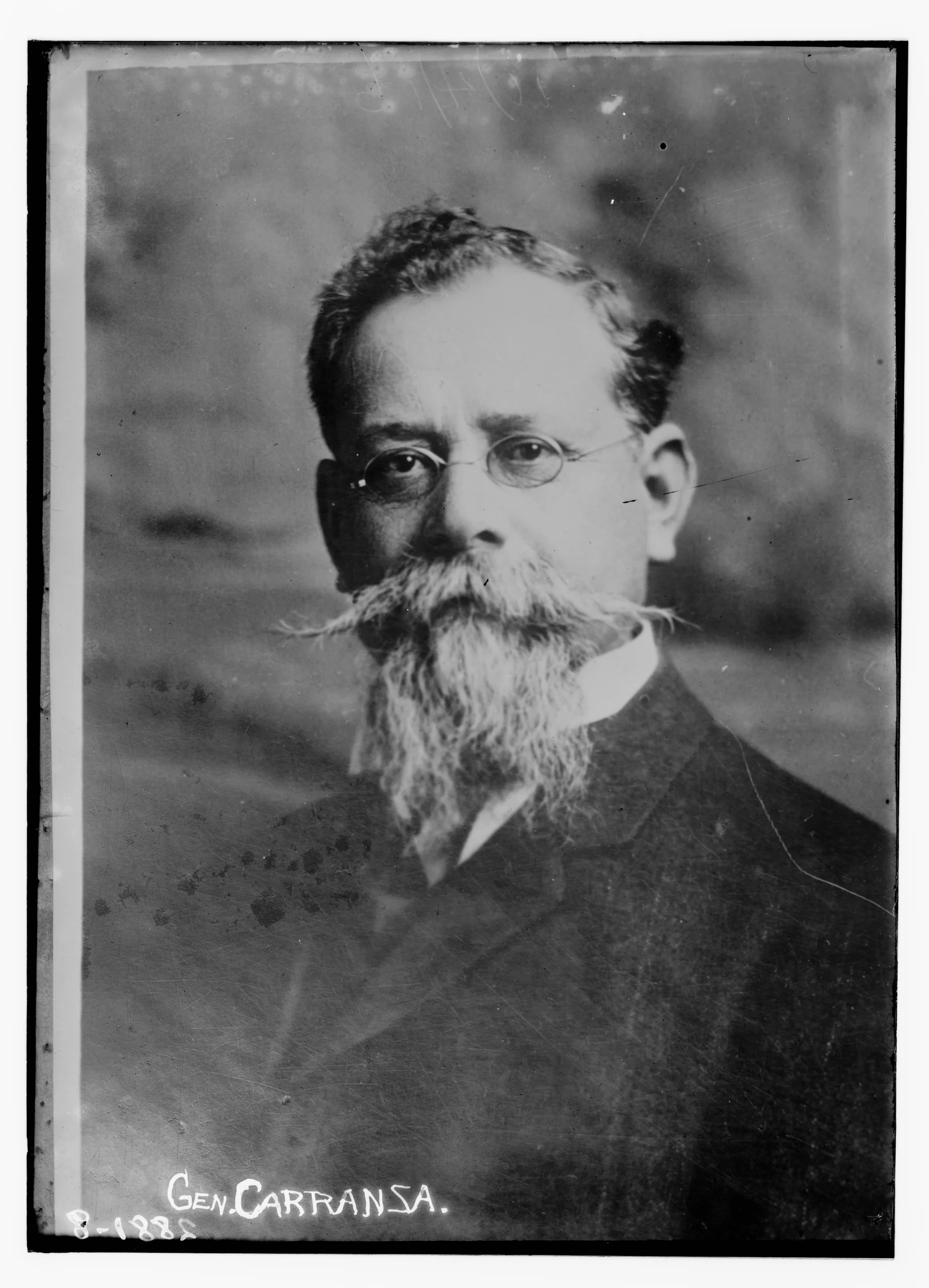
Venustiano Carranza, Álvaro Obregón, Lázaro Cárdenas, Manuel Ávila Camacho, Natalia Chacón, Luis N. Morones.
Relationships & Dating History
Plutarco Elías Calles was married to Natalia Chacón. They were his only spouse, and their marriage lasted throughout his adult life. At the time of his death in 1945, he was widowed following the loss of his wife, who had predeceased him. There are no publicly documented romantic relationships outside of this marriage, nor any records of high-profile flings or engagements prior to his marriage. As a historical political figure rather than a celebrity, his personal life was kept relatively private compared to modern standards, though his political alliances often dictated his social circle.
- MarriedNatalia ChacónSpouse throughout his adult life.
Death & Aftermath
Died
October 19, 1945 (aged 68)
Death Place
Mexico City, Mexico
Cause of Death
Natural causes
Plutarco Elías Calles spent his final years in Mexico City after returning from five years of exile in the United States. He had reconciled with President Manuel Ávila Camacho in 1941, ending a long period of political isolation that began when Lázaro Cárdenas ousted him in 1936. The former president and de facto ruler passed away on October 19, 1945, at the age of sixty-eight within the capital city. Contemporary records do not specify a precise medical cause or detail an autopsy, indicating a natural death without evidence of foul play.
His passing marked the definitive end of the era known as the Maximato, though there were no massive public mourning rituals comparable to modern celebrity funerals. Historical accounts focus on his political legacy rather than immediate tributes or official statements made by peers at the time. He was buried in the Panteón Civil de Dolores in Mexico City. While his personal estate details remain obscure in available sources, his name persists on currency as a historical tribute, and he continues to be the subject of analyses such as the documentary POV: Mexico: Past and Present. Artistic depictions of his life remain relevant, including his portrayal in Alberto Beltrán's series 450 Years of Struggle: Homage to the Mexican People. In 2026, Calles remains a subject of historical analysis, particularly regarding the centenary of the Cristero War, with articles discussing the long shadow of his anticlerical policies and their impact on modern Mexican society.
Net Worth (Estate Value)
$0
iFANN Editorial Team estimate
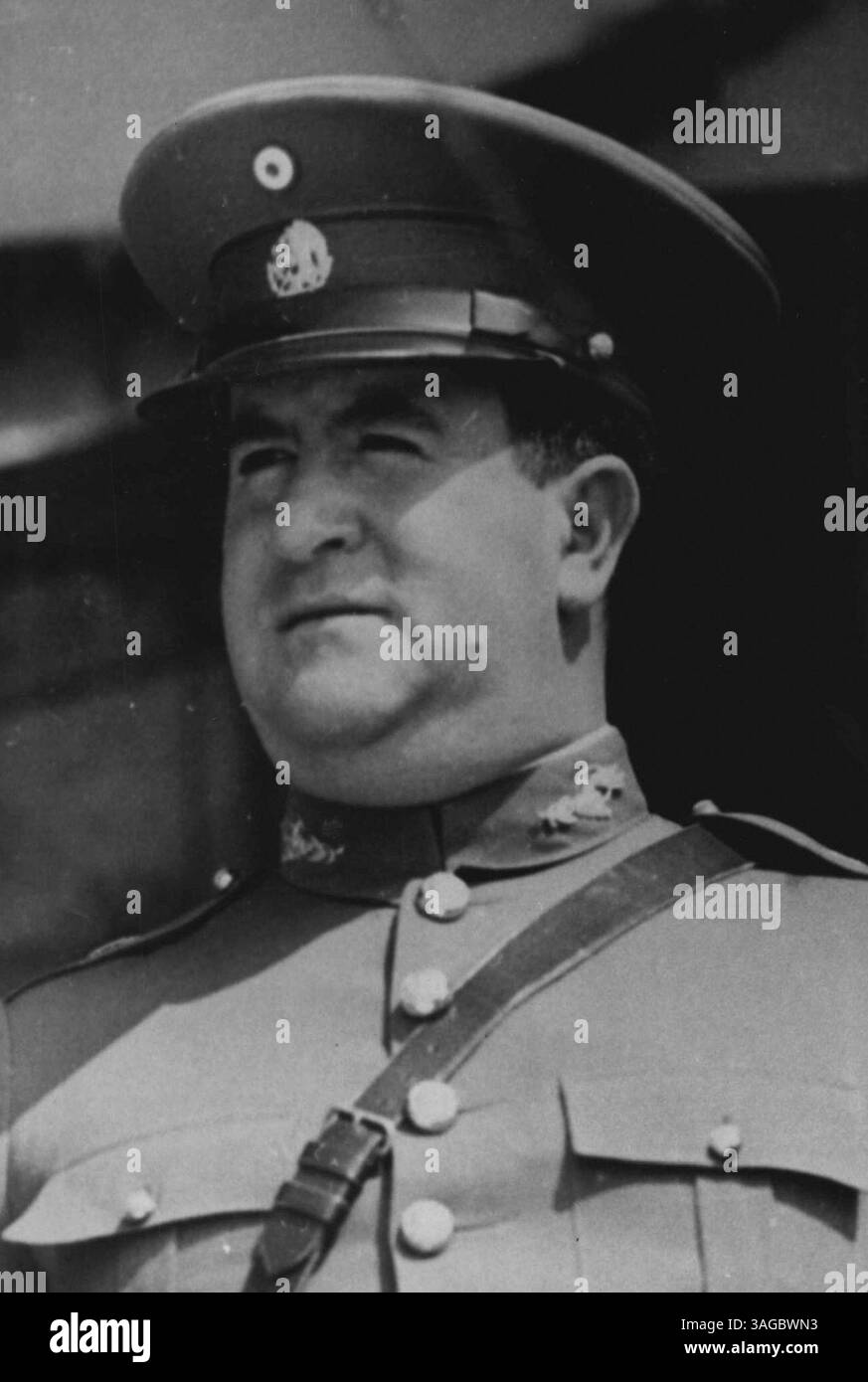
As a historical figure who died in 1945, Plutarco Elías Calles has no current net worth or estate value managed in 2026. His wealth was accumulated through government salaries and political influence during his lifetime, but specific figures for his personal assets are not recorded in modern financial databases. The value of his "estate" today is purely symbolic, represented by his enduring presence in Mexican history, currency, and cultural artifacts. iFANN currently estimates his historical economic impact as part of the broader political economy of the Mexican Revolution, though no monetary figure applies to his personal fortune in the modern sense. Specific height measurements are not widely recorded in standard biographical sources, though he is depicted in historical photographs as a man of average to tall stature for his time, consistent with the typical build of military officers of the Mexican Revolution era.
Awards & Accolades
View 2 records, honours and achievementsKnown For
President of Mexico
1924 · 47th President
The Maximato
1928 · De facto ruler
Cristero War
1926 · Government leader
Keywords
Sources
Quick Facts
- Profession
- politician, military officer
- Born
- September 25, 1877
- Birthplace
- Heroica Guaymas, Sonora, Mexico
- Died
- October 19, 1945
- Death Place
- Mexico City, Mexico
- Gender
- Male
- Spouse
- Natalia Chacón
- Birth Sign
- Sagittarius
Personal Details
- Full Name
- Francisco Plutarco Elías Campuzano
- Spouse
- Natalia Chacón
- Education
- Night school; studied law
Frequently Asked Questions
Who was Plutarco Elías Calles?
When did Plutarco Elías Calles die?
What was the Cristero War?
Did Plutarco Elías Calles have a wife?
Why was Plutarco Elías Calles exiled?
Similar People
Join the community
fans discussing