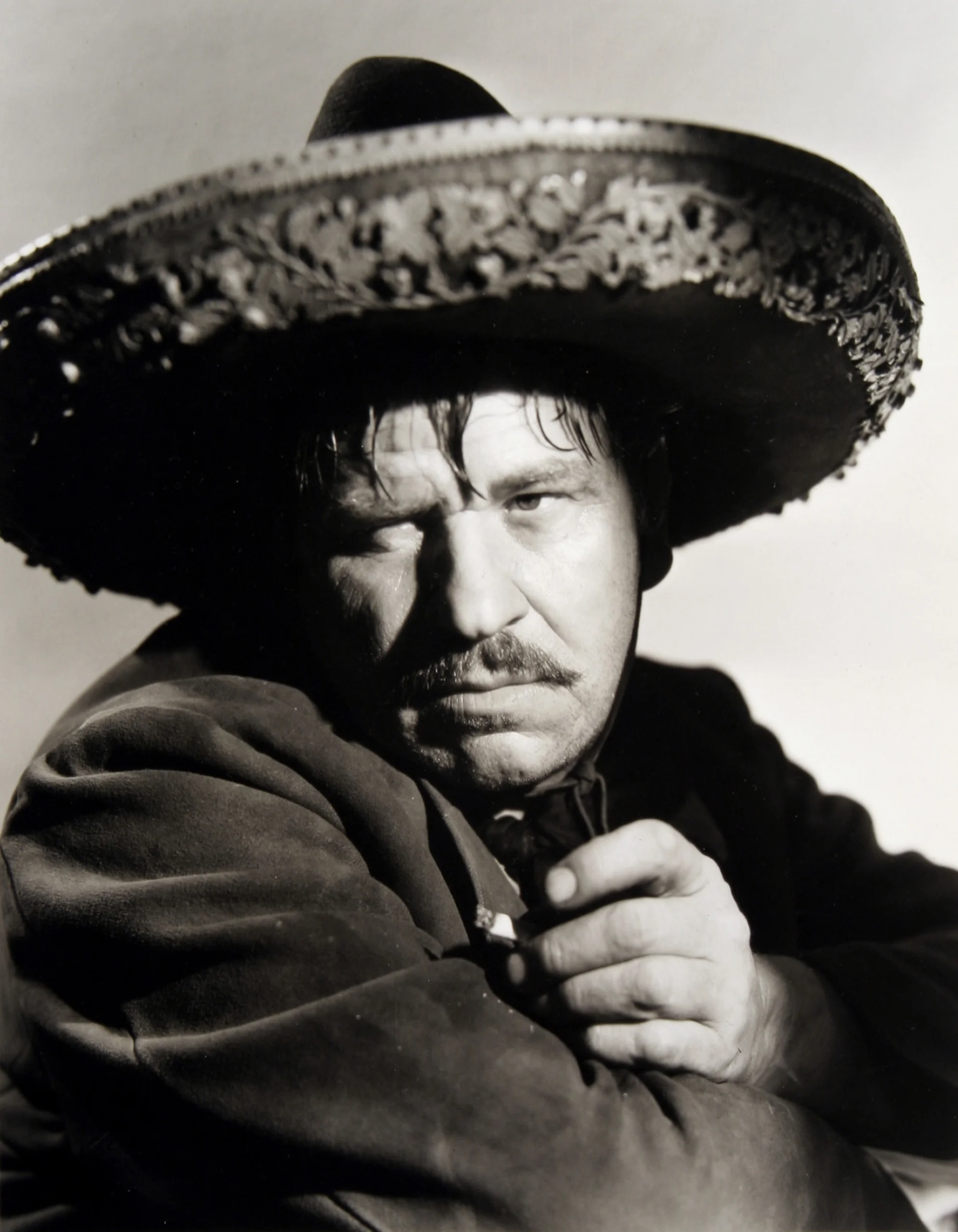
Pancho Villa
 Mexico
revolutionary leader•politician•general
Also known as: José Doroteo Arango Arámbula, Francisco Villa, Doroteo Arango
Birthday
June 5, 1878
Birth Sign
Gemini
Birthplace
San Juan del Río del Centauro del Norte (now Parás), Durango, Mexico
Age
Died at 45
About
Francisco "Pancho" Villa, born José Doroteo Arango Arámbula on June 5, 1878, was a preeminent Mexican revolutionary leader, guerrilla commander, and politician who became one of the most iconic figures of the Mexican Revolution. Unlike modern celebrities whose careers span decades in entertainment or sports, Villa's life was defined by military conquest, political maneuvering, and his eventual assassination. His early years were marked by extreme poverty in Durango, leading him to a life outside the law before he turned his attention to the political upheaval gripping Mexico. Villa emerged as a formidable figure in the fight against the dictatorship of Porfirio Díaz and later against Victoriano Huerta. He led the División del Norte, a formidable cavalry force that played a crucial role in defeating federal troops. At one point, the United States considered recognizing him as Mexico's legitimate leader, a testament to his widespread support and military success. He served as the provisional governor of Chihuahua from 1913 to 1914, a period when his influence reached its zenith. His alliance with Emiliano Zapata further solidified his position as a champion of the common people. Though he died in 1923, Villa's legacy persists in historical memory rather than commercial fandom. He is viewed as both a hero of the revolution and a ruthless warlord, depending on the perspective. His image is characterized by his signature sombrero, mustache, and revolver, serving as a symbol of resistance against oppression and imperialism. Decades after his final ride, he remains a towering figure in the historical consciousness of Mexico and beyond.
Early Life & Background
Francisco Villa was born into extreme poverty in San Juan del Río del Centauro del Norte, now known as Parás, in the state of Durango, Mexico. Historical accounts vary slightly regarding his exact birth year, with some suggesting 1878 while others propose 1879 or even earlier, but 1878 is the widely accepted date. He grew up on an estate owned by the wealthy Ruelas family, where he worked as a laborer and herder from a young age. His education was minimal, consisting mainly of self-teaching and practical skills learned through survival. The pivotal moment that launched his life of outlawry occurred when he was approximately 16 years old. He killed a local landowner named Antonio Diéguez after Diéguez raped Villa's younger sister and threatened to kill him if he did not leave. Fleeing the law, Villa assumed the alias "Pancho Villa," reportedly taking the name from a bandit he had previously robbed or perhaps to honor a local figure, though the exact origin remains part of the legend. Prior to becoming a national hero, Villa spent several years as a bandit and criminal in northern Mexico. He joined various criminal gangs, engaging in robbery and cattle rustling. During this period, he developed exceptional horsemanship and marksmanship skills that would later define his military tactics. He was wanted for murder and theft across multiple states, forcing him to live a nomadic existence. This time outside the law solidified his reputation as a fierce and ruthless fighter, but also cultivated his empathy for the poor, as he often distributed stolen goods among the destitute, earning him the moniker "the Robin Hood of Mexico."
Career Growth
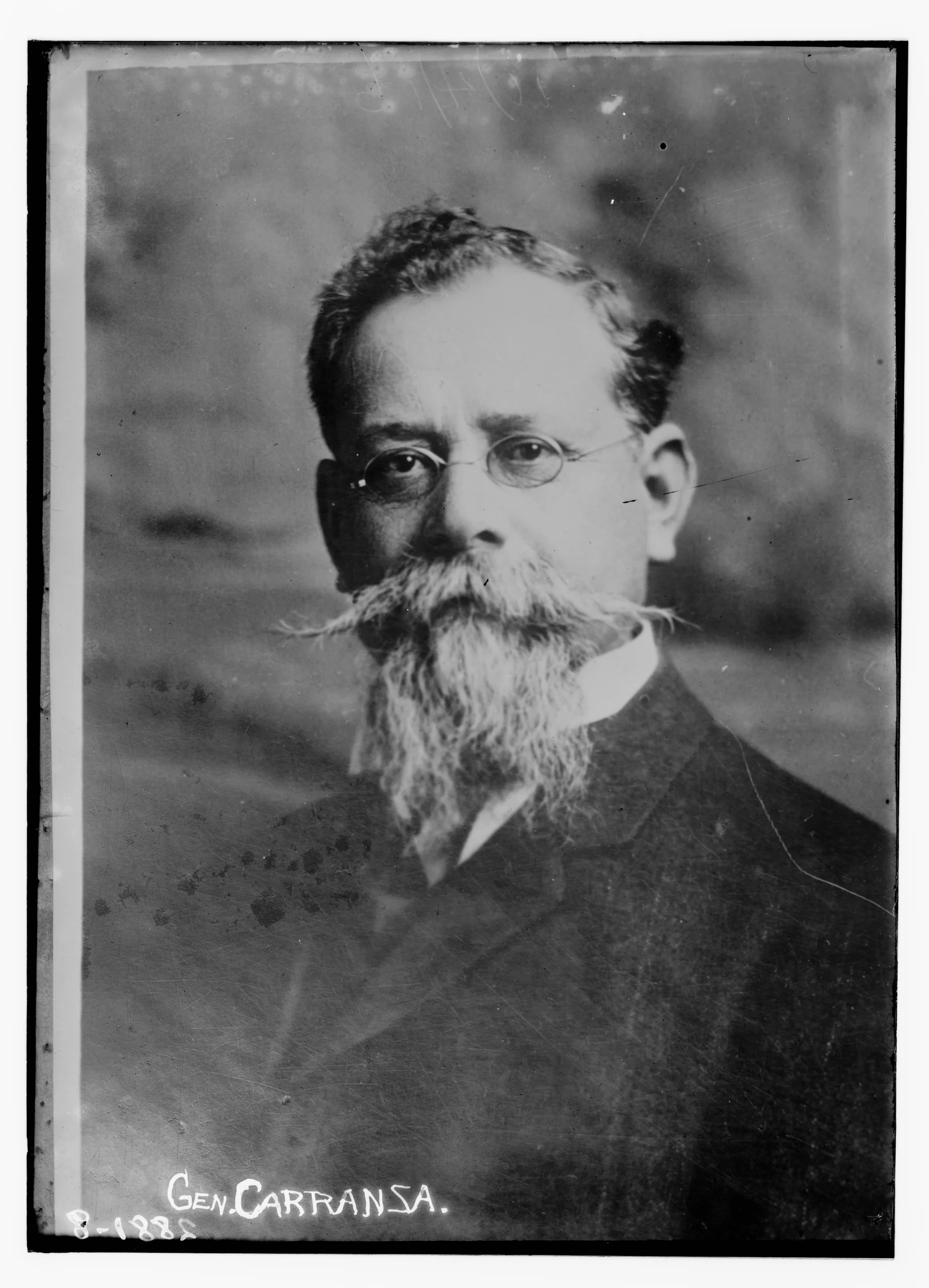
Villa's transition from bandit to revolutionary leader began in earnest around 1910 during the outbreak of the Mexican Revolution against the dictatorship of Porfirio Díaz. He joined Francisco Madero's forces, and his military prowess quickly became evident. He led the División del Norte (Division of the North), a formidable cavalry force that played a crucial role in defeating the federal troops of General Victoriano Huerta after Díaz's fall. In 1913, following the betrayal and murder of President Madero, Villa became a key ally of Venustiano Carranza and later Emiliano Zapata. He was appointed Provisional Governor of Chihuahua, where he implemented significant social reforms, including land redistribution and the establishment of schools for indigenous children, though these efforts were hampered by ongoing warfare. In 1914, his forces won the decisive Battle of Zacatecas, crushing the federal army and effectively ending the rule of Victoriano Huerta. In a bold move to challenge U.S. interventionism, Villa led approximately 500 men across the border into Columbus, New Mexico, on March 9, 1916. The attack resulted in the deaths of over 17 Americans and the destruction of property. This event triggered the massive Punitive Expedition led by General John J. Pershing to hunt down Villa. Although Villa evaded capture, the raid cemented his status as a global anti-imperialist icon. After a series of defeats and political shifts, Villa went into hiding until 1920, when he made peace with the new government under Álvaro Obregón. He was granted amnesty and retired to a hacienda near Parral, Chihuahua, where he lived as a civilian and businessman until his death.
Career Timeline
Public Image & Style
Pancho Villa is portrayed in media and history as a complex figure: a ruthless warlord and a benevolent champion of the poor. His image is characterized by his signature sombrero, mustache, and revolver. He is seen as a symbol of resistance against oppression and imperialism. Contemporary descriptions characterize him as a rugged, imposing figure with a commanding presence, typical of the vaquero (cowboy) culture of northern Mexico. His public persona was built on a foundation of charisma and military success. He was known for his fierce loyalty to his soldiers and his commitment to land reform, though the latter proved difficult to implement during the conflict. The mythos of Villa as a "Robin Hood" figure persists, blending verified acts of redistribution with documented violence into a single, unforgettable persona. This duality defines his enduring legend, ensuring he remains a central figure in Mexican cultural identity.
Fame & Fandom (iFAMOUS Rankings)
Decades after his final ride, Francisco Villa remains a towering figure in the historical consciousness of Mexico and beyond. According to the iFANN Global Fame Rankings, he holds the position of the 19th most famous person in Mexico, a standing he has maintained with remarkable consistency through the latest cycle. His influence extends well past national borders, ranking as the 28th most famous person from Mexico and the 28th most famous person in Latin America across the broader region. Unlike modern celebrities who cultivate active communities, Villa's fanbase consists entirely of historical enthusiasts, scholars, and those drawn to the mythology of the Mexican Revolution. There is no formal name for this group, nor are there organized fan clubs or digital campaigns driving his legacy today. Interest in his life persists through academic institutions, museums, and commemorative events rather than commercial fandom. The community gathering in Columbus, New Mexico, to mark anniversaries of his raids represents a form of remembrance distinct from celebrity worship; these attendees honor a historical moment rather than a living star. Instead, the audience remains a scattered collection of historians and culture seekers who engage with his story as a complex chapter of political history.
Interesting Facts and Legends
Villa was one of the first revolutionary leaders to have his exploits filmed by Hollywood companies. He allowed filmmakers to document his battles, understanding the power of visual media for propaganda. A specific bullet hole in a cantina in Mexico City, allegedly fired by Villa, still exists and is a point of interest for tourists today. Beyond the battlefield, his image has permeated popular culture, serving as the subject of the play Who Will Dance with Pancho Villa?, which explores themes of identity and belonging since its first staging in 1994. In September 2026, this play premiered at GALA in Washington D.C., and a production returned to Healdsburg, California, in late July 2026. In March 2026, Pancho Villa State Park in New Mexico commemorated the 110th anniversary of the 1916 raid on Columbus. Historical records indicate that Villa fathered at least 14 children, many with women other than his legal wife. The story of how he changed his name from José Doroteo Arango Arámbula to Pancho Villa involves a mix of fact and folklore, with the most common version being that he adopted the name after killing a bandit who was raping his sister, or simply to honor a local bandit he admired. In September 2026, the University of Guadalajara published an article analyzing Villa as both a "hero and bandit" who reigns in the Mexican imagination, reflecting ongoing scholarly interest in his dual nature.
Notable Quotes
“I am a soldier of the people.”
“The revolution is a fire that cannot be extinguished.”
Family & Personal Life
Francisco Villa was married once officially to María Luz Corral. They met in the early stages of his revolutionary career, and their marriage was documented. She accompanied him through many of his campaigns and survived him, managing aspects of his estate until his death. Like many leaders of his era, Villa maintained relationships with multiple women, often referred to as soldaderas, who traveled with the army. He fathered at least 14 children, though the exact number varies by source. Many of his children were born to women other than María Luz Corral. Some of his daughters, such as Carmen Villa, became notable figures in their own right, managing his legacy and estate after his death. His family life was deeply intertwined with the chaos of the revolution, with his home often serving as a gathering place for generals and politicians. Specific names of long-term romantic partners outside of Corral are less well-documented in formal records compared to modern celebrity culture, as historical focus remained on his military exploits. The handling of his estate remains a subject of historical speculation rather than documented fact.
Notable Connections
Emiliano Zapata, Venustiano Carranza, General John J. Pershing, Álvaro Obregón
Relationships & Dating History
Francisco Villa was married once officially to María Luz Corral. They met in the early stages of his revolutionary career, and their marriage was documented. She accompanied him through many of his campaigns and survived him, managing aspects of his estate until his death. Like many leaders of his era, Villa maintained relationships with multiple women, often referred to as soldaderas, who traveled with the army. Specific names of long-term romantic partners outside of Corral are less well-documented in formal records compared to modern celebrity culture, as historical focus remained on his military exploits. However, it is widely acknowledged that he fathered several children with different women. At least 14 children were born to him, many of whom were born to women other than María Luz Corral. Some of his daughters, such as Carmen Villa, became notable figures in their own right, managing his legacy and estate after his death. As of 2026, Pancho Villa has been dead for over a century, and there is no current dating history.
- MarriedMaría Luz Corral1910 - 1923His only legally recognized wife; she survived him and managed his estate.
Death & Aftermath
Died
July 20, 1923 (aged 45)
Death Place
Hidalgo del Parral, Chihuahua, Mexico
Cause of Death
Multiple gunshot wounds (assassination)
On the morning of July 20, 1923, Francisco Villa traveled from his estate to Hidalgo del Parral for a celebration marking the anniversary of the Mexican Revolution. After making his final public appearance at the venue, he departed and was driving through the streets when an ambush occurred. Multiple gunmen fired rifles and pistols at close range, striking him with numerous bullets. He was rushed to a local hospital but died shortly after arrival. The official cause of death was ruled as homicide via multiple gunshot wounds. The circumstances surrounding his assassination have remained a subject of historical debate for over a century. While the immediate perpetrators were identified, the masterminds behind the plot were never definitively proven. Various theories suggest involvement by political rivals within the Carranza or Obregón factions, or even agents of the U.S. government due to Villa's continued influence. No legal proceedings conclusively resolved the conspiracy. His funeral took place on July 21, 1923, featuring full military honors. Thousands of mourners lined the streets of Parral to pay their respects. He was buried in the family mausoleum at the Cemetery of San Francisco in Parral, which has since become a site of pilgrimage for those interested in the Mexican Revolution. Over the decades, his legacy has been commemorated in films, literature, and museums, ensuring his story remains a central part of Mexican cultural identity.
Net Worth (Estate Value)
$0
iFANN Editorial Team estimate
As a historical figure, Pancho Villa does not have a net worth in the contemporary sense. During his lifetime, he accumulated wealth through the seizure of assets and the operation of his hacienda, but much of this was lost or dispersed following his death. The handling of his estate remains a subject of historical speculation. There is no documented valuation of his estate as of 2026, nor are there active revenue streams managed by an estate in the way modern celebrity estates operate. Any financial value associated with his name today comes from licensing, tourism, and cultural merchandise, which are generally managed by the Mexican government or private entities, not a direct family trust. As a historical military figure, Villa did not receive modern awards like Oscars or Grammys. However, his honors are deeply rooted in national recognition, including being recognized as a National Hero of Mexico, a title bestowed posthumously and celebrated annually. Several locations bear his name, including Pancho Villa State Park in New Mexico and the Museo de la Revolución in Mexico City, which features exhibits dedicated to his life. His image appears on Mexican currency and is a staple in educational curricula. There are no lists of "wins" in the traditional sense, as the concept of competitive awards did not exist for military commanders in his era.
Awards & Accolades
View 7 records, honours and achievementsKnown For
Mexican Revolution
1910-1920 · Revolutionary Leader
Raid on Columbus
1916 · Commander
Battle of Zacatecas
1914 · General
Keywords
Sources
Quick Facts
- Profession
- politician, partisan, national hero
- Born
- June 5, 1878
- Birthplace
- San Juan del Río del Centauro del Norte
- Died
- July 20, 1923
- Death Place
- Hidalgo del Parral
- Gender
- Male
- Spouse
- María Luz Corral
- Birth Sign
- Gemini
Personal Details
- Full Name
- José Doroteo Arango Arámbula
- Spouse
- María Luz Corral
- Children
- At least 14 children
- Education
- Self-taught; attended no formal schools
Frequently Asked Questions
What was Pancho Villa's real name?
How did Pancho Villa die?
Why did Pancho Villa attack Columbus, New Mexico?
Was Pancho Villa a hero or a villain?
Does Pancho Villa have a living family?
Similar People
Join the community
fans discussing