The Wrecking Crew
 United States
The unsung architects of the 1960s pop sound
18
Members
About
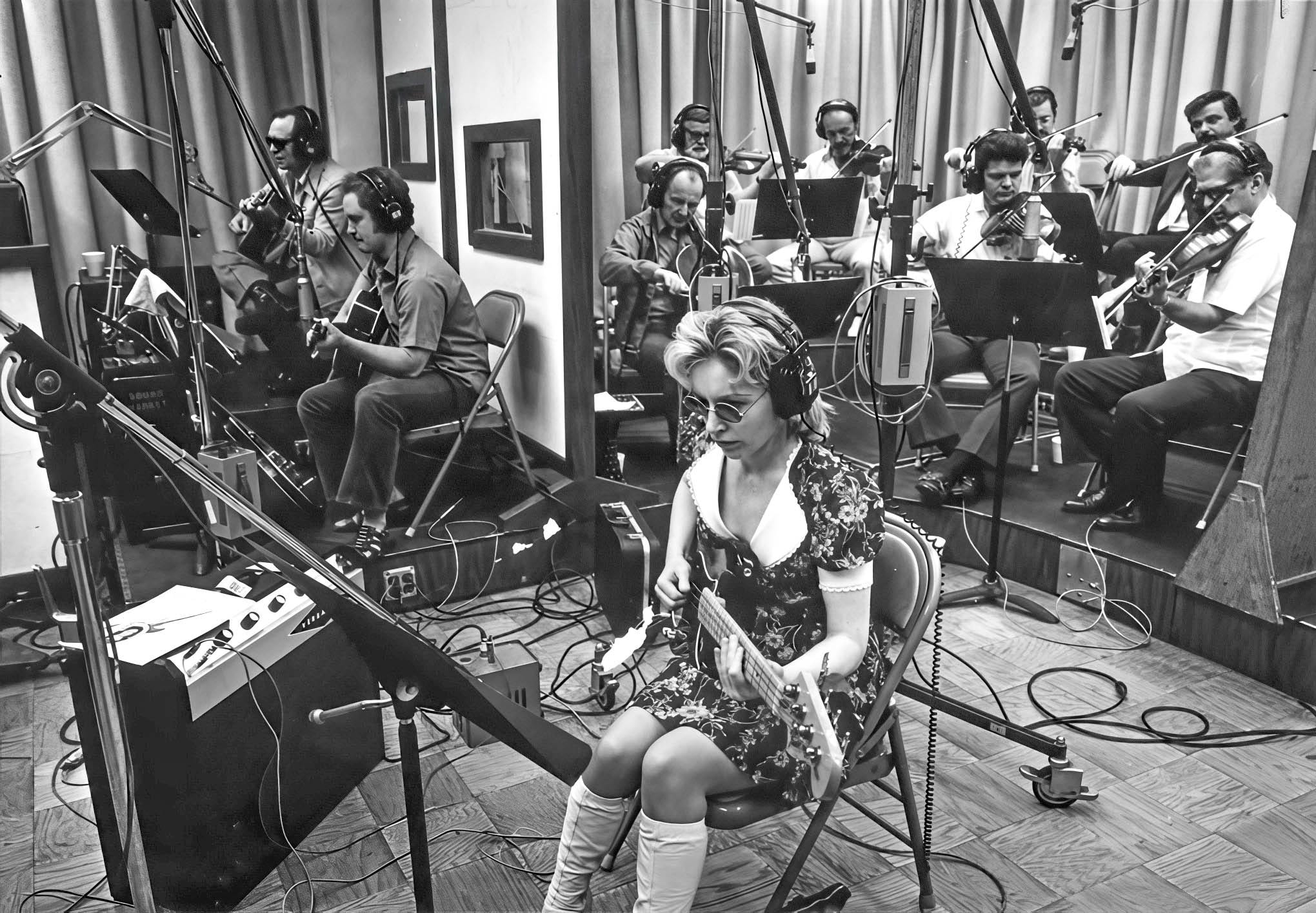
The Wrecking Crew was a highly prolific and influential collective of Los Angeles-based American session musicians who played on countless hit recordings throughout the 1960s and 1970s. While not publicly recognized at the time, they were revered by industry insiders and are now considered one of the most successful and prolific session recording units in history. They were not a formal band with a fixed membership or contract, but rather a rotating pool of elite musicians who could adapt to various genres and perform under pressure. The core group often included highly skilled musicians who were considered "first-call" players. Some of the most prominent members include drummer Hal Blaine, guitarist Glen Campbell, keyboardist Leon Russell, bassist Carol Kaye, guitarist Tommy Tedesco, saxophonist Steve Douglas, keyboardist Larry Knechtel, bassist Joe Osborn, and drummer Earl Palmer. Their collective work underpins many of the most commercially and culturally significant recordings of the 1960s and early 1970s. Though the collective dissolved as the recording industry changed, their legacy lives on through the records they shaped, and they were inducted into the Musicians Hall of Fame and Museum in 2007.
Formation Story
The Wrecking Crew began to coalesce in the late 1950s and early 1960s, with many members already part of the "A-List" session musician circles in Los Angeles. Many of them had backgrounds in jazz and classical music, but they were eager to work on the rock and roll and pop records that were taking over the airwaves. Producer Phil Spector played a significant role in bringing some of these musicians together, utilizing them as the de facto house band for his "Wall of Sound" productions in the early 1960s. Their work on Spector's hits like Be My Baby by the Ronettes and Da Doo Ron Ron by the Crystals made them the most sought-after session musicians in Los Angeles. The name "The Wrecking Crew" is a subject of some contention. Drummer Hal Blaine is credited with coining the name, reportedly in ironic reference to older, more traditional musicians who felt that the younger generation's embrace of rock and roll would "wreck" the music industry. However, guitarist and bassist Carol Kaye disputes this, stating the name was invented by Blaine for self-promotion in 1990 and that the group was sometimes referred to as "the Clique" or "the First Call Gang." A 1977 article in High Fidelity magazine quotes Blaine using the term in the 1960s. Regardless of the name's origin, the group became the go-to session players for virtually every major producer and artist working in Los Angeles throughout the 1960s.
Members
Musical Style
The Wrecking Crew's defining trait was their unparalleled versatility and adaptability across genres. They were instrumental in realizing Phil Spector's ambitious "Wall of Sound" production style in the early 1960s, creating lush, layered arrangements. Subsequently, they became the go-to musicians for a wide range of artists and producers, lending their talents to pop, rock and roll, surf music, folk rock, and even jazz-influenced arrangements. Their formal training in jazz and classical music gave them a technical precision that most rock musicians lacked, while their enthusiasm for new sounds kept them ahead of trends. On a typical session, Hal Blaine might lay down a driving beat, Carol Kaye would lock in a melodic bassline, and Tommy Tedesco would add a signature guitar lick. The result was a polished, professional sound that became the benchmark for pop music in the 1960s and early 1970s. They were also known for their speed and reliability, often cutting a complete song in one or two takes. This efficiency made them indispensable to producers working under tight deadlines and budgets. Their work defined entire genres, from the crisp surf rock of the Beach Boys to the folk-rock jangle of the Byrds.
Cultural Impact
The Wrecking Crew's cultural impact is immense, though largely invisible to the public during their active years. They were the sonic architects behind a generation's soundtrack, shaping the sound of popular music in the 1960s and 1970s. Their work as ghost players on records credited to bands like the Byrds ("Mr. Tambourine Man") and the Monkees (their first two albums), and on seminal albums like The Beach Boys' Pet Sounds, sparked debates about authenticity in rock music. Were these groups real bands, or just frontmen for studio pros? The controversy highlighted the gap between the image of rock bands as self-contained units and the reality of the studio system. The Wrecking Crew's story also underscores the often-invisible contributions of session musicians, whose names rarely appeared on the records they helped create. Their contributions were so pervasive that they can be seen as the hidden infrastructure of the vinyl era. The documentary The Wrecking Crew, directed by Denny Tedesco, finally brought their story to light in 2008, acknowledging their pivotal role in music history and bringing them wider recognition.
Fandom Culture
The Wrecking Crew did not have a traditional fandom during their active years because they were session musicians and not a performing group with a public-facing identity. They did not have an official lightstick, fan color, or fan traditions. However, since the release of the 2008 documentary The Wrecking Crew, a dedicated community of music enthusiasts and historians has grown around their legacy. Fans share deep dives into session credits, debate which members played on which tracks, and celebrate the unsung heroes of the studio. The documentary's Facebook page and various online forums serve as gathering places for those fascinated by the Crew's story. Annual events like the Wrecking Crew tribute concerts occasionally bring together former members and fans, keeping the spirit of the collective alive and fostering a deeper appreciation among music enthusiasts.
Awards & Accolades
View 4 records, honours and achievementsMilestones
Became the de facto house band for Phil Spector, realizing his Wall of Sound production style
Played on The Byrds' debut rendition of Bob Dylan's 'Mr. Tambourine Man'
Contributed to The Beach Boys' seminal album 'Pet Sounds'
Hal Blaine and Earl Palmer inducted into the Rock and Roll Hall of Fame as 'sidemen'
The Wrecking Crew inducted into the Musicians Hall of Fame and Museum
Subject of the documentary film 'The Wrecking Crew' directed by Denny Tedesco
Trivia
Hal Blaine claimed to have played on over 140 top 10 hits, including around 40 number ones, making him one of the most prolific drummers in history and an inaugural "sidemen" inductee to the Rock and Roll Hall of Fame in 2000. His drumming can be heard on everything from Frank Sinatra's Strangers in the Night to Simon & Garfunkel's Bridge Over Troubled Water. Carol Kaye is often considered the "queen" of The Wrecking Crew and one of the best electric bass players of all time, with an estimated 10,000 sessions to her name; she started as a jazz guitarist before switching to electric bass for rock sessions. The Wrecking Crew played on the first two Monkees albums almost entirely, with only Michael Nesmith occasionally contributing guitar. Leon Russell and Glen Campbell both launched successful solo careers after their time in the Crew; Russell became a key figure in the Tulsa sound, while Campbell crossed over into country pop with hits like Gentle on My Mind. The documentary The Wrecking Crew was directed by Denny Tedesco, the son of guitarist Tommy Tedesco, one of the Wrecking Crew members. Keyboardist Larry Knechtel, known as "Larry the Legend," was highly versatile and played with Duane Eddy before joining Spector's sessions; he later became a member of the band Bread. Drummer Earl Palmer was also an inaugural "sidemen" inductee to the Rock and Roll Hall of Fame in 2000.
Keywords
Sources
Quick Facts
- Origin
- Los Angeles, California
- Genres
- rock and roll, pop, surf rock
- Members
- 18
- Status
- Inactive
Group Info
- Formed
- 1960
- Origin
- Los Angeles, California, USA
- Status
- Disbanded (1970)
Social Media
Also Known As
Join the community
fans discussing