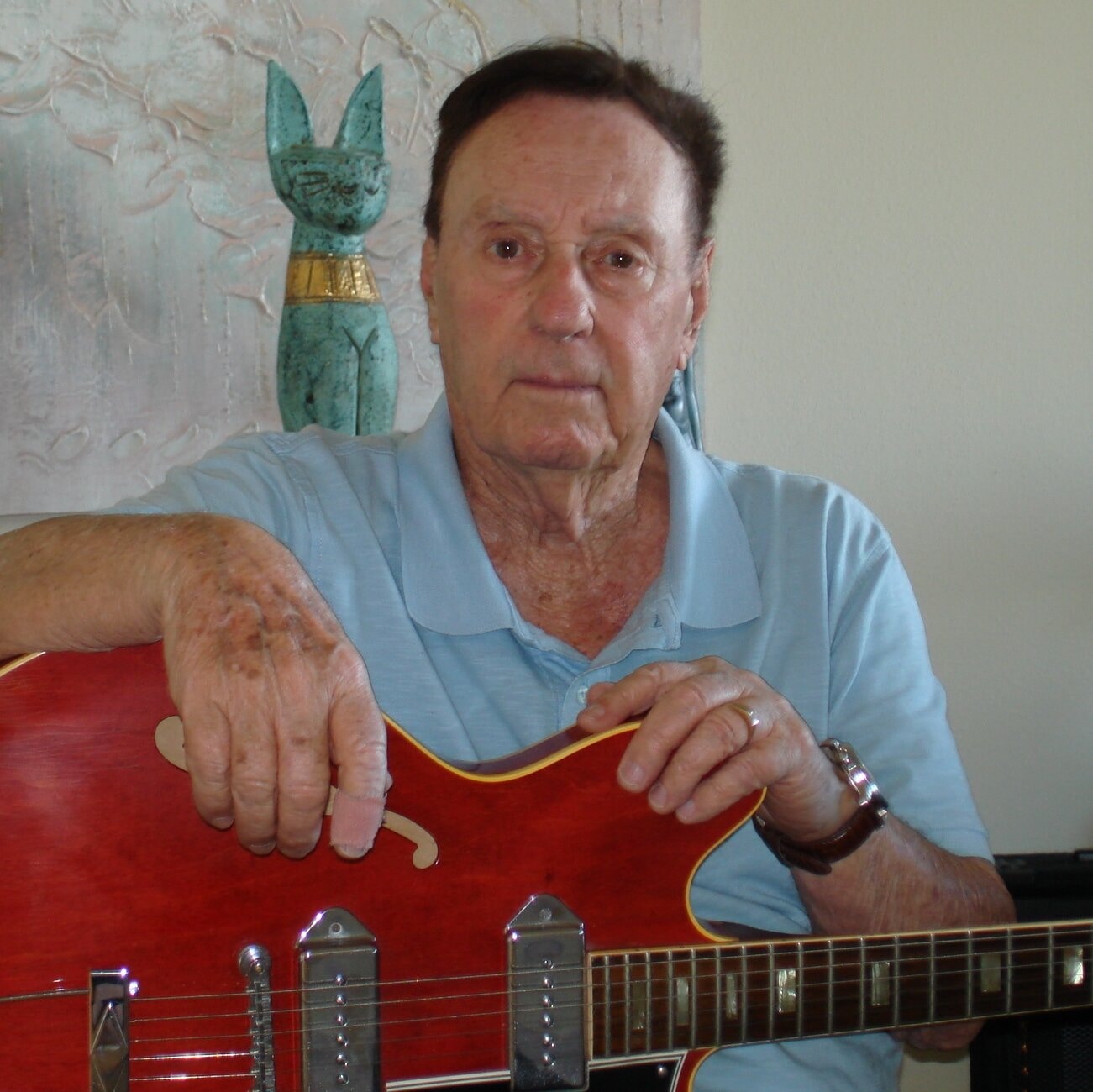
Bill Pitman
 United States
Member of The Wrecking Crew
Birthday
February 12, 1920
Birth Sign
Aquarius
Birthplace
Belleville, New Jersey, United States
Age
Died at 102
About
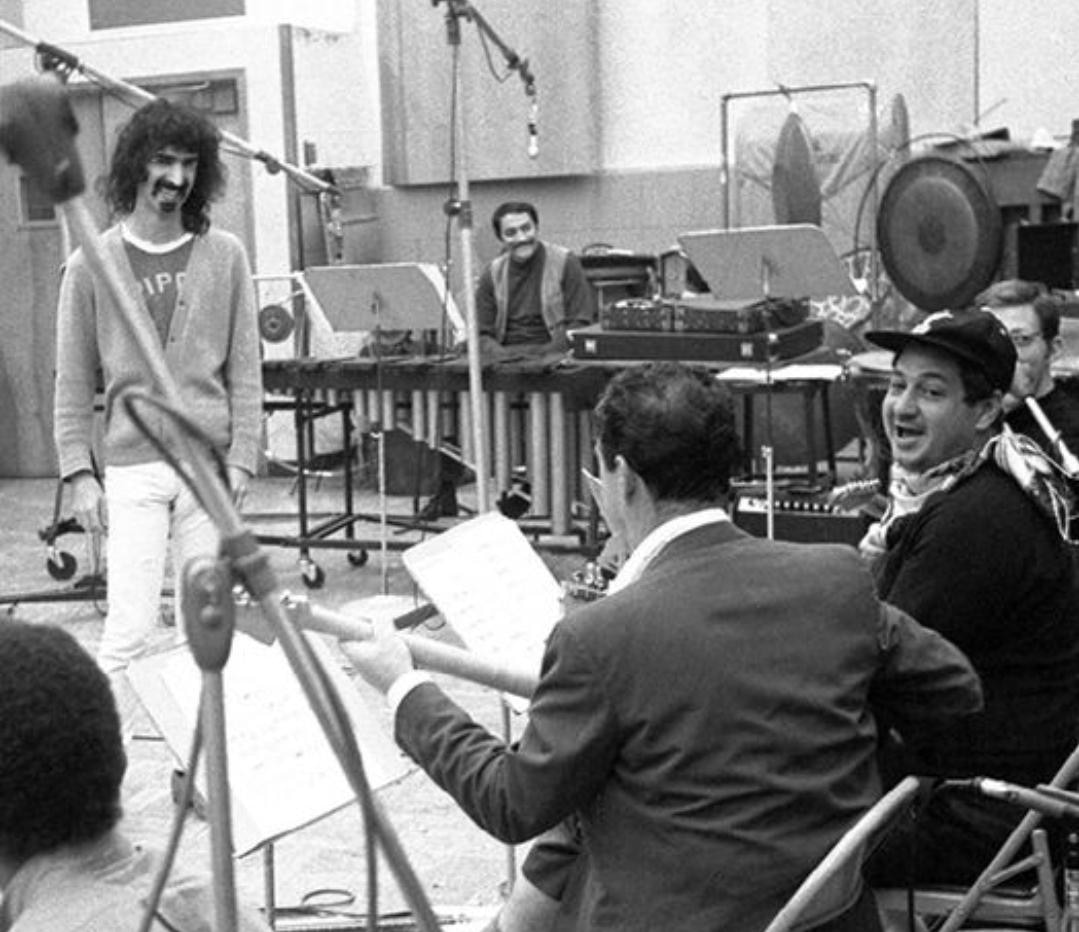
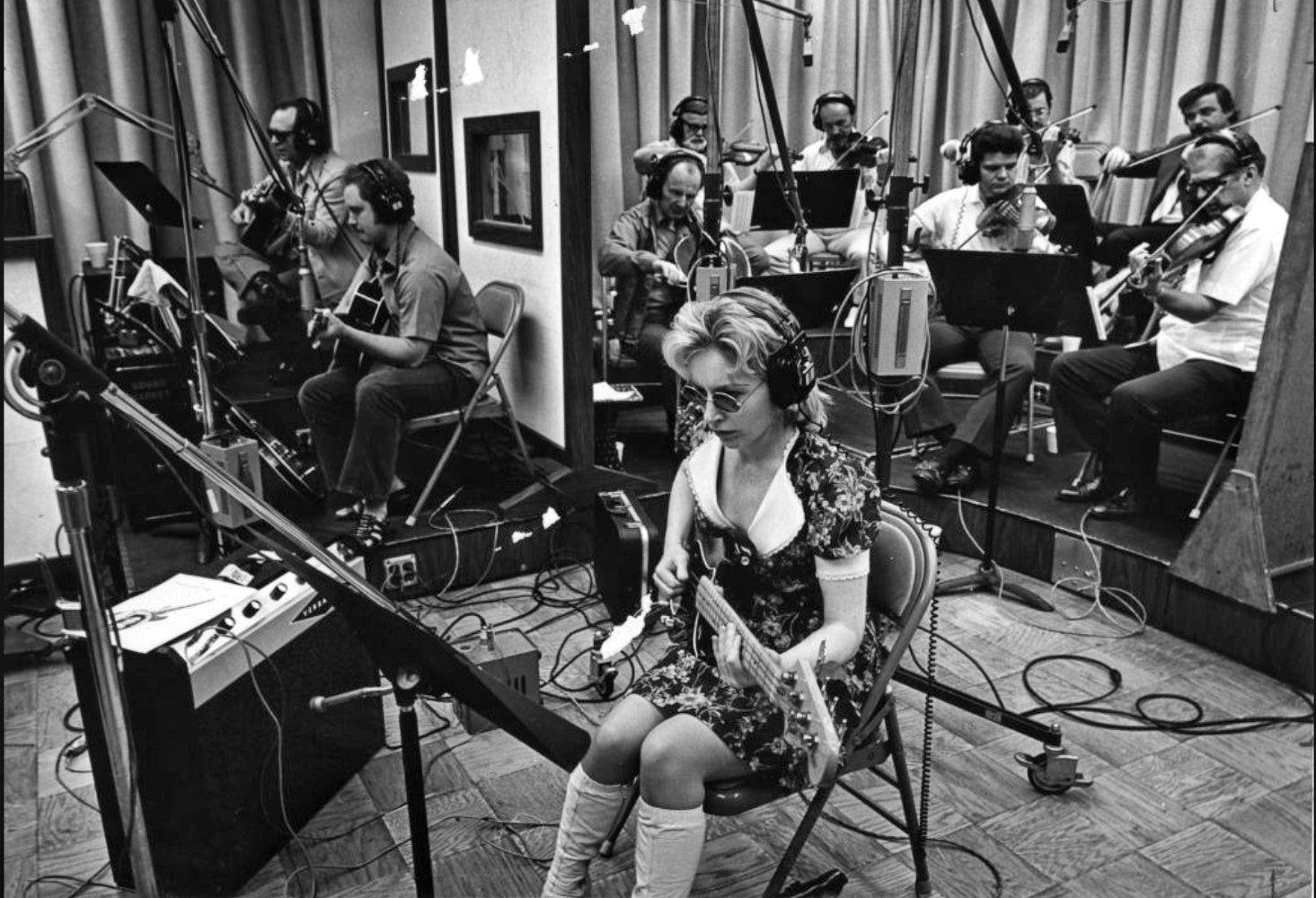
Bill Pitman was an American session guitarist and a founding member of the Wrecking Crew, the loose collective of Los Angeles studio musicians who played on countless hit records from the 1950s through the 1970s. His Danelectro guitar work defined the sound of television's The Wild Wild West, and his ukulele performance on B.J. Thomas' "Raindrops Keep Fallin' on My Head" helped that song win the Academy Award for Best Original Song. Over a career spanning four decades, Pitman appeared on recordings by Frank Sinatra, the Beach Boys, Elvis Presley, and many others, often without receiving public credit. His versatility and steady work made him one of the most in-demand session players of his era. He played on hundreds of hit records, film scores, and television themes, contributing to iconic tracks such as the Beach Boys' "Good Vibrations," Frank Sinatra's "Strangers in the Night," and Nancy Sinatra's "These Boots Are Made for Walkin'." Pitman's signature sound on the Danelectro guitar became a hallmark of 1960s pop and rock music, and his legacy is preserved in the 2008 documentary The Wrecking Crew and the NAMM Oral History Library.
Early Life & Background
Pitman grew up in Manhattan, New York City, where his father worked as a staff bassist at NBC in Rockefeller Center, providing steady income during the Great Depression through freelance work, radio shows, and movie soundtracks. At age five, Pitman decided he wanted to be a musician. He tried piano and trumpet before settling on guitar, taking lessons from John Cali and Allan Reuss. His first guitar was a D'Angelico. As a teenager, he regularly visited New York jazz clubs and absorbed the playing of Charlie Parker and other bebop pioneers.
After serving in the military during World War II, Pitman relocated to California and enrolled at the Los Angeles Conservatory of Music under the G.I. Bill. Six months before completing his degree, his first wife became pregnant, forcing him to leave school and find work. He took a job at a pipe-bending factory, where he stayed for three years. A party at his boss's house changed his trajectory: the boss heard him play guitar and urged him to pursue music professionally, saying, "Bill, after working here for three years, you don't know one end of a screwdriver from the other. It's just not your thing. If I were you, I'd take a chance on your talent."
His first real music job came in 1951 when he joined Peggy Lee's band as a guitarist. He then spent three years playing on the radio program The Rusty Draper Show. The break that launched his session career arrived when he substituted for guitarist Tony Rizzi during a Capitol Records session, leading to steady studio work.
Career Growth
By the late 1950s, Pitman had become a first-call session guitarist in Los Angeles. In 1957, Phil Spector's mother asked him to teach her son jazz guitar, a connection that led to Pitman playing on numerous Spector "Wall of Sound" productions. When "Be My Baby" by the Ronettes became a hit in 1963, Spector named the B-side instrumental "Tedesco and Pitman" after his two favorite guitarists: Pitman and Tommy Tedesco. Pitman played on nearly every West Coast record produced by Phil Spector.
Pitman's session work accelerated through the 1960s. He played on Elvis Presley's Blue Hawaii soundtrack (1961), Frank Sinatra's "Strangers in the Night" (1966), Nancy Sinatra's "These Boots Are Made for Walkin'" (1966), and the Byrds' "Mr. Tambourine Man" (1965). His most celebrated contributions came with the Beach Boys: he played acoustic guitar on the Pet Sounds opener "Wouldn't It Be Nice" and contributed to "Good Vibrations" (both 1966). Brian Wilson later praised Pitman's Danelectro bass playing, saying he could "really cook" and that Wilson would double his part with Ray Pohlman's bass for a layered sound. Pitman also played on the Beach Boys' albums Today! and Summer Days (And Summer Nights!) in 1965.
Pitman discovered the Danelectro guitar at a music shop and developed it into his signature instrument. Ernie Freeman asked him to use it on a session, and that led to playing Danelectro on Jack Nitzsche's "The Lonely Surfer" and the theme for The Wild Wild West (1965-1970). He estimated he played the instrument about 40 percent of the time for the rest of his studio career. In 1969, he played ukulele on B.J. Thomas' "Raindrops Keep Fallin' on My Head," which won the Academy Award for Best Original Song. His film work extended from Blue Hawaii (1961) through Goodfellas (1990), with soundtracks including M*A*S*H (1970), Fast Times at Ridgemont High (1982), and Dirty Dancing (1987). He also earned composition credits for early episodes of Star Trek. Pitman recorded for television shows including I Love Lucy, Bonanza, The Glen Campbell Goodtime Hour, and The Sonny and Cher Comedy Hour. He played on Barbra Streisand's "The Way We Were" (1973). Pitman retired from session work around 1990.
Career Timeline
Public Image & Style
Pitman was virtually anonymous outside the music industry but revered within it. The Wrecking Crew was described by Allegro magazine in 2011 as "crack session players who moved effortlessly through many different styles: pop, jazz, rockabilly, but primarily the two-minute-thirty-second world of hit records." Pitman's signature style included his Danelectro guitar sound and his ukulele work on "Raindrops Keep Fallin' on My Head." He was personally more inclined toward jazz but became a pop music legend through his session work. His legacy is preserved in the 2008 documentary The Wrecking Crew, directed by Denny Tedesco, and in the NAMM Oral History Library. In 2012, he was photographed with his Gibson ES-330 guitar. He is remembered through the official The Wrecking Crew documentary Facebook page, which posted a tribute on his birthday in 2024.
Fame & Fandom (iFAMOUS Rankings)
Bill Pitman's global fame is a quiet, cumulative phenomenon, a half-century of uncredited studio work that surfaced in retrospectives and documentaries long after the records were made. In August 2026, iFANN's Global Fame Engine evaluated his standing and found that, despite his legendary status among musicians and music historians, he does not currently hold a placement in the published rankings, neither the Global Top 1,000 nor any Top-100 scope list. This absence is less a measure of his impact than a reflection of his career's nature: he was a session player, not a frontman, and his name never graced a marquee.
His fanbase, such as it is, has no formal name. There is no documented fandom moniker, no organized club, no coordinated campaigns. Instead, his admirers are classic rock and pop enthusiasts, guitar aficionados, and historians who revere the output of the Wrecking Crew as a whole. The closest thing to a community hub is the official Facebook page for the 2008 documentary The Wrecking Crew, which marked his 100th birthday with a video tribute and later posted condolences upon his death, drawing comments from fans sharing memories. On Reddit, subreddits like r/thebeachboys mourned his passing, and retrospectives from major outlets cemented his legacy as a revered figure. His fame is collective, channeled through the group's mythos rather than individual star power, a legacy that lives in the grooves of the records he shaped.
Interesting Facts and Legends
Bill Pitman taught a young Phil Spector jazz guitar in 1957, at the request of Spector's mother. When "Be My Baby" became a hit in 1963, Spector named the B-side instrumental "Tedesco and Pitman" after Pitman and Tommy Tedesco. Pitman worked for three years in a pipe-bending factory before his boss encouraged him to pursue music professionally. He earned composition credits for early episodes of Star Trek. Pitman played on soundtracks for films spanning from Blue Hawaii (1961) to Goodfellas (1990), nearly three decades of film work. He lived to 102 years old, celebrating his 100th birthday in 2020.
Among the legends that surround Pitman, one of the most retold is his ukulele performance on "Raindrops Keep Fallin' on My Head", a story that highlights the Wrecking Crew's versatility, as a guitarist was called upon to deliver a defining sound on an instrument he rarely played. Another iconic moment is his Danelectro guitar work on the theme to The Wild Wild West, a twangy, instantly recognizable riff that became part of American pop culture. And his contributions to the Beach Boys' Pet Sounds (1966) are often cited in the mythology of that album, with fans and historians pointing to Pitman's guitar on tracks like "God Only Knows" as evidence of the session players' genius. These stories, verified and retold, form the core of his legend, a legend that finally gained public recognition through the 2008 documentary The Wrecking Crew, which gave him and his peers their due.
Notable Quotes
“I went on the G.I. Bill, but my wife got pregnant about six months before I finished my degree, so I had to go to work. I didn't know anything except how to play the guitar, but I had no contacts in the business.”
“Bill, after working here for three years, you don't know one end of a screwdriver from the other. It's just not your thing. If I were you, I'd take a chance on your talent.”
“Bill played the Dano bass and was amazing. He played really great bass and I got the best from him because you can get the slightly higher sound out of the Dano and I'd double him with Ray Pohlman, and put Ray on the bottom and Bill on top and you've got two great bass parts. Bill Pitman could really cook.”
Family & Personal Life
Pitman was born on February 12, 1920, in Belleville, New Jersey, to a father who was a staff bassist at NBC. He grew up in Manhattan, New York City, with his family. No information about siblings is available. He was married twice. His first wife became pregnant about six months before he finished his music degree, forcing him to leave school; no further details about her are known. At the time of his death, he was married to Janet Pitman, who confirmed his passing to the New York Times. They lived in La Quinta, California. Pitman died on August 11, 2022, at age 102, at his home in La Quinta, after fracturing his spine in a fall and spending four weeks in a rehabilitation center followed by a week under hospice care.
Notable Connections
Pitman worked closely with fellow Wrecking Crew guitarist Tommy Tedesco; Phil Spector, whom he taught guitar and later played for; Brian Wilson and the Beach Boys; Frank Sinatra; Elvis Presley; Barbra Streisand; B.J. Thomas; Nancy Sinatra; the Byrds; the Ronettes; Peggy Lee; and Carol Kaye.
Relationships & Dating History
Pitman's first marriage occurred in the late 1940s or early 1950s to an unnamed woman who became pregnant six months before he completed his music degree, forcing him to leave school. No further details about her identity or the marriage's duration are known. He later married Janet Pitman, who was his wife at the time of his death in 2022. They lived in La Quinta, California. Janet Pitman confirmed his passing to the New York Times.
- MarriedUnnamed first wifeMarried in late 1940s or early 1950s; pregnancy forced Pitman to leave school. No further details.
- MarriedJanet Pitman? - 2022Wife at time of Pitman's death; confirmed his passing to the New York Times.
Death & Aftermath
Died
August 11, 2022 (aged 102)
Death Place
Palm Springs, California, USA
Cause of Death
Complications arising from a fractured spine sustained prior to his hospitalization
William Keith Pitman died on August 11, 2022, at a rehabilitation center in Palm Springs, California, following a four-week stay after sustaining an injury. His wife Janet Pitman confirmed the passing to the New York Times and cited complications arising from a fractured spine as the cause of death, a detail provided through family statements rather than official medical records. The music community responded with immediate tributes honoring him as one of the last surviving charter members of the Wrecking Crew, prompting extensive retrospectives in Vintage Guitar magazine and Pitchfork that highlighted his contributions to the sound of American popular music. Details regarding the specific date, time, and location of Bill Pitman's funeral or private memorial service have not been made public. It is unknown whether his remains were buried or cremated, though given the privacy often afforded to centenarian figures and the lack of public announcement, it is likely the service was a private family affair.
Net Worth (Estate Value)
$5 Million
iFANN Editorial Team estimate
As a session musician, Pitman earned fees per recording session and was a first-call studio player commanding premium rates. He worked steadily from the late 1940s through approximately 1990. His work on film scores, television themes, and hit records generated ongoing royalty income, particularly from enduring hits like "Good Vibrations," "Raindrops Keep Fallin' on My Head," and the The Wild Wild West theme. No specific net worth figures were reported in available sources. iFANN's editorial analysis currently estimates his estate at $5 million as of 2026. He also earned residuals from the 2008 documentary The Wrecking Crew, which continued to stream on Hulu after his death.
Awards Won (1)
As a session musician, Pitman did not receive individual competitive awards. His most notable collective honor is the Academy Award for Best Original Song for "Raindrops Keep Fallin' on My Head" (1969), on which he played ukulele.
1969 · Best Original Song
Raindrops Keep Fallin' on My Head
Known For
Raindrops Keep Fallin' on My Head
1969 · Ukulele player
The Wild Wild West Theme
1965 · Danelectro guitarist
Good Vibrations
1966 · Session musician
Strangers in the Night
1966 · Session musician
Be My Baby
1963 · Session musician
Keywords
Sources
Quick Facts
- Profession
- session musician, guitarist
- Born
- February 12, 1920
- Birthplace
- Belleville, New Jersey, United States
- Died
- August 11, 2022
- Death Place
- La Quinta, California, United States
- Gender
- Male
- Birth Sign
- Aquarius
Personal Details
- Full Name
- William Keith Pitman
- Spouse
- Janet Pitman
- Education
- Los Angeles Conservatory of Music
Frequently Asked Questions
How did Bill Pitman die?
What songs did Bill Pitman play on?
Was Bill Pitman in The Wrecking Crew?
What instrument did Bill Pitman play?
How old was Bill Pitman when he died?
Join the community
fans discussing