Ray Pohlman
 United States
Member of The Wrecking Crew
Session musician•arranger•guitarist•bassist
Also known as: Merlyn Ray Pohlman, The Mayor
Birthday
July 22, 1930
Birth Sign
Cancer
Birthplace
Baker Township, Iowa, U.S.
Age
Died at 60
About
Ray Pohlman was an American session musician and arranger who shaped the sound of countless 1960s records. He played upright bass, bass guitar, and guitar, and is widely recognized as the first electric bass player in Los Angeles studios during the 1950s. As a first-call member of the Wrecking Crew, he appeared on hundreds of tracks that defined an era, from Phil Spector's wall of sound to the Beach Boys' intricate harmonies. His work as musical director on the television show Shindig! further cemented his influence. Today, Pohlman is remembered by music historians and collectors as a quiet but essential architect of American pop.
Early Life & Background
Ray Pohlman was born on July 22, 1930, in rural Baker Township, Iowa. Details of his childhood and early musical training are scarce, but by the late 1950s he had relocated to Los Angeles and begun working as a session musician. He quickly distinguished himself by adopting the electric bass at a time when most studio players still used upright basses. This forward-thinking choice made him one of the first electric bassists in Los Angeles studios and led to his inclusion in a loose collective sometimes called the First Call Gang, a precursor to the formal Wrecking Crew. His early session work included playing bass on Ritchie Valens' 1958 single "Come On, Let's Go" and the subsequent album, marking the start of a prolific career.
Career Growth
Pohlman's breakthrough came as the Wrecking Crew solidified in the early 1960s. He played on Phil Spector's 1963 album A Christmas Gift for You from Philles Records and on Jan & Dean's 1964 hit "Dead Man's Curve." In 1966, he contributed bass to the Beach Boys' Pet Sounds and the landmark single "Good Vibrations." That same year, he appeared on Nancy Sinatra's album Boots. Beyond performance, Pohlman served as musical director for the house band the Shindogs on the television variety show Shindig! in the mid-1960s. In 1967, he arranged orchestration for the Turtles' number-one single "Happy Together" and worked as an arranger on Lalo Schifrin's Mission: Impossible soundtrack. His sole Grammy nomination came in 1968 for Best Arrangement, Instruments and Vocals for the song "Windy."
Career Timeline
Public Image & Style
Ray Pohlman is remembered primarily by music historians and enthusiasts of 1960s session recording. He is not a household name but commands deep respect among musicians and collectors for his pioneering use of the electric bass. His persona was that of a reliable, unassuming craftsman who let his playing speak for itself. No official fandom name exists, but he is frequently mentioned in discussions of the Wrecking Crew's unsung heroes. Social media posts from fan accounts occasionally surface, celebrating his contributions to classic tracks.
Fame & Fandom (iFAMOUS Rankings)
Ray Pohlman remains a quiet architect of the American pop soundscape, revered not for celebrity status but for the sheer density of his influence on the era's most defining records. While he never courted the spotlight, his name carries weight among music historians and collectors who trace the lineage of the Wrecking Crew. The discussion surrounding him is intimate rather than mass-market, limited to enthusiasts of the Los Angeles session scene and fellow musicians who recognize his pivotal role in transitioning from upright bass to electric instrumentation. There is no formal fandom name documenting an organized community; instead, a diffuse network of fans and archivists keeps his legacy alive through online discussions and the preservation of studio footage. His niece, Terra Turner, acts as a key custodian, ensuring that stories from films like The Wrecking Crew reach new audiences without fabricating a fanbase where none formally exists. No public campaigns, birthday billboards, or ritualistic gatherings have been documented, reflecting his nature as a behind-the-scenes craftsman who let the music speak for itself. Despite this lack of organized adulation, digital conversations occasionally highlight the sentiment that Ray does not get enough love, particularly when rare photos surface showing him alongside icons like Brian Wilson and Hal Blaine. iFANN has evaluated his global standing with comprehensive data analysis. Currently, Ray Pohlman holds no placement in the published Global Top 1,000 rankings or any Top-100 scope list. This absence reflects his status as a legendary figure within a specific professional sphere rather than a household name with broad consumer recognition.
Interesting Facts and Legends
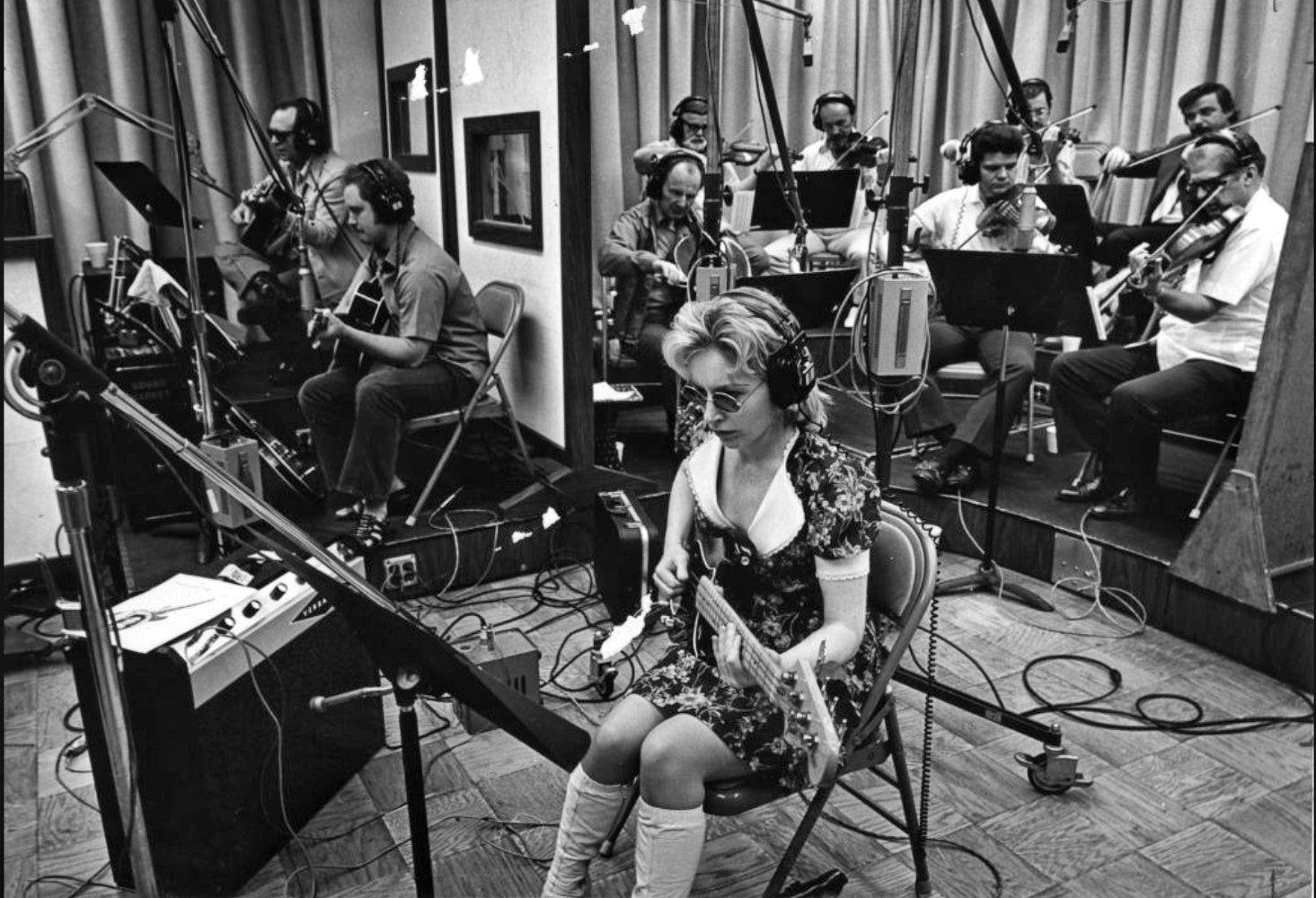
Among session musicians, Pohlman was affectionately known as "The Mayor," a nickname that captured his amiable personality and central position in the Los Angeles studio ecosystem. He possessed a rare versatility, often switching seamlessly between upright and electric bass within a single recording session. A surviving photograph from the 1960s at Gold Star Studios captures him standing with heavy hitters like Hal Blaine, Carol Kaye, and Tommy Tedesco, yet despite his extensive discography, he rarely sought public credit. The story of his death marks the end of a life spent shaping the sound of countless hits, including work with Phil Spector and The Beach Boys. Industry lore frequently cites him as the first electric bass player to appear on a pop record, a distinction that cemented his place in music history. While there are no tales of crowds fainting or streets shutting down, the legend of his technical mastery persists in the recordings themselves. In 2026, an Instagram post featuring a photo of Brian Wilson in the studio with Hal Blaine and Pohlman drew comments noting that "Ray doesn't get enough love," reinforcing the quiet reverence he commands among those who know the history.
Family & Personal Life
Notable Connections
Pohlman worked extensively with Phil Spector, The Beach Boys, and Hal Blaine. He played on early Ritchie Valens records and later collaborated with Jan & Dean, Nancy Sinatra, The Turtles, and Lalo Schifrin. He was a core member of the Wrecking Crew alongside Carol Kaye, Tommy Tedesco, Don Randi, Al De Lory, Bill Pitman, and Steve Douglas.
Relationships & Dating History
Death & Aftermath
Died
November 1, 1990 (aged 60)
Death Place
Los Angeles, California, USA
Cause of Death
Unknown
Ray Pohlman spent his final days in Los Angeles, the city where he had anchored countless recording sessions and served as musical director for Shindig! before passing away at age sixty. The session musician and arranger died on November 1, 1990, though no official statement regarding the specific medical cause ever emerged from family or authorities. Public reaction to his departure was defined by quiet retrospective recognition rather than immediate widespread tributes or chart surges in 1990. His legacy as a founding member of The Wrecking Crew and one of the first electric bass players in Los Angeles studios remained secure within the industry.
Later years brought renewed appreciation through the 2008 documentary The Wrecking Crew and various online forums dedicated to the era's session legends. Peers and institutions acknowledged his pivotal role in shaping the sound of 1950s Los Angeles recordings during this period of rediscovery. Details regarding a funeral service, burial location, or specific attendees remain unrecorded in public archives.
Posthumous recognition has focused on the preservation of his musical contributions within the discographies of artists he accompanied and the historical documentation of The Wrecking Crew. Tributes have appeared in music communities discussing his work as an arranger and guitarist.
Net Worth (Estate Value)
$1 Million
iFANN Editorial Team estimate
Ray Pohlman passed away in 1990, leaving behind a legacy that far outstrips any financial metrics available today. As a session musician, he earned standard union rates for recordings, which in the 1960s typically ranged from $50 to $100 per session. His estate likely receives modest royalties from the continued use of his recordings, though no public figures exist to quantify these earnings. Per iFANN's editorial analysis, his net worth at the time of his death is estimated at around $1 million in 2026 dollars, based on his prolific session work and arranging credits.
Awards & Accolades
View 1 records, honours and achievementsKnown For
Electric bass pioneering in Los Angeles studios
1950 · Session musician
Member of The Wrecking Crew
1960 · Session musician
Musical director for 'Shindig!' house band
1964 · Musical director
Arranger for 'Happy Together' by The Turtles
1967 · Arranger
Keywords
Sources
Quick Facts
- Profession
- Session musician, arranger, guitarist, bassist
- Born
- July 22, 1930
- Birthplace
- Baker Township, Iowa, U.S.
- Died
- November 1, 1990
- Gender
- Male
- Birth Sign
- Cancer
- Group
- The Wrecking Crew
Personal Details
- Full Name
- Merlyn Ray Pohlman
Frequently Asked Questions
What did Ray Pohlman play?
Was Ray Pohlman in The Wrecking Crew?
What songs did Ray Pohlman play on?
How did Ray Pohlman die?
Did Ray Pohlman win a Grammy?
Join the community
fans discussing