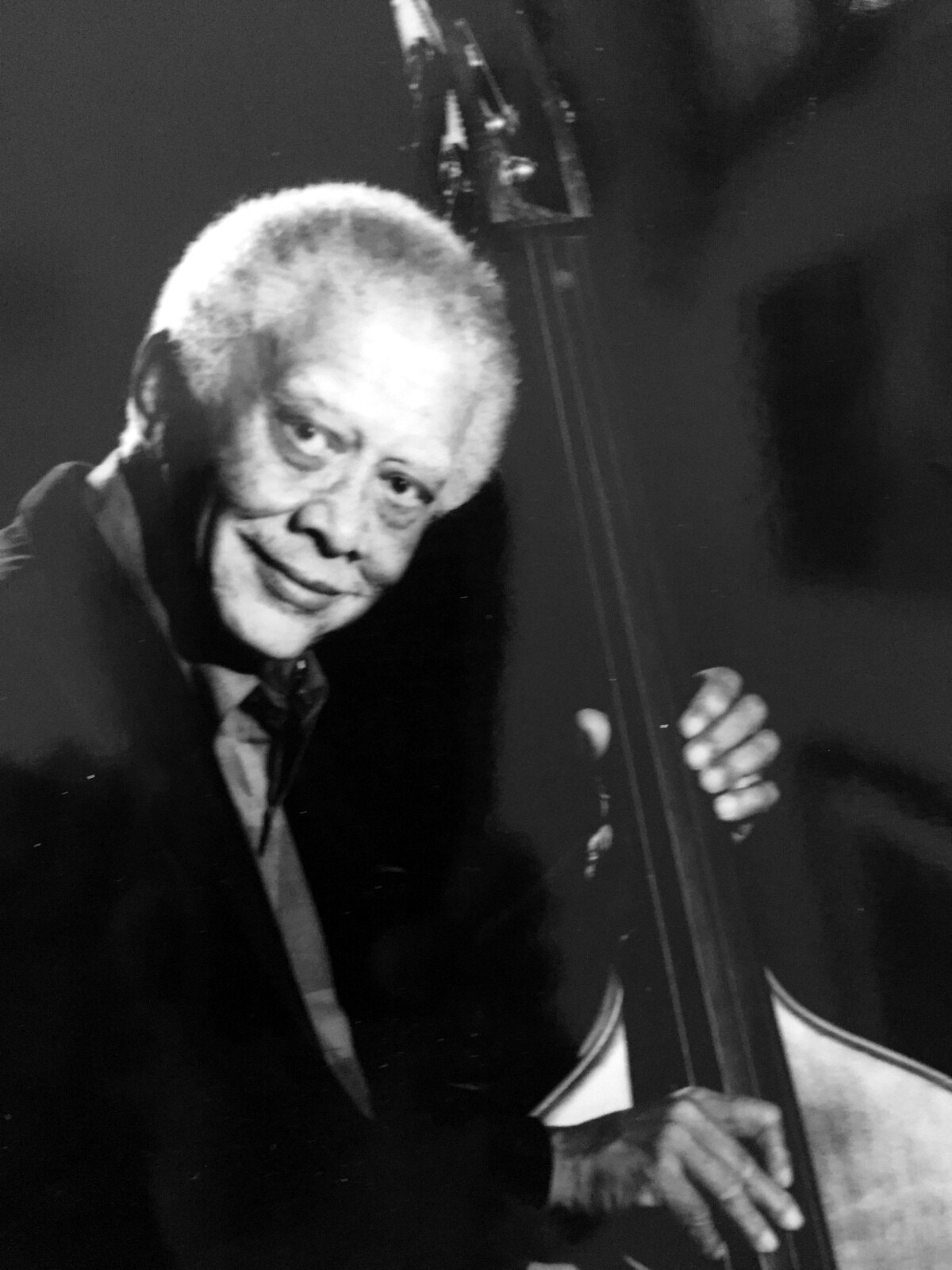
Red Callender
 United States
Member of The Wrecking Crew
jazz musician•double-bassist•tubist
Also known as: George Sylvester Callender
Birthday
March 6, 1916
Birth Sign
Pisces
Birthplace
Haynesville, Virginia, USA
Age
Died at 76
About
Red Callender was an American string bass and tuba player whose career spanned six decades. A charter member of The Wrecking Crew, the legendary Los Angeles session collective, he played on hundreds of recordings across jazz, pop, and rock. Callender co-wrote the 1959 top-10 hit "Primrose Lane" and was one of the first African American musicians to break the color barrier in Hollywood's commercial studios. Known for his versatility on both bass and tuba, he worked with an extraordinary range of artists from Louis Armstrong to James Taylor. His quiet demeanor and reliable musicianship earned him the title "A Very Quiet Giant" from fellow musicians and critics.
Early Life & Background
Red Callender was born George Sylvester Callender in Haynesville, Virginia. His red hair, freckles, and light-brown eyes came from his Barbadian father, earning him the lifelong nickname "Red." From age three, he was captivated by radio broadcasts of bands led by Coon-Sanders and Earl Hines. His family relocated to Atlantic City, New Jersey, where he enrolled at a music school in Bordentown.
There he studied under Professor Alexander Valentine, a veteran of the James Reese Europe band who drilled him in theory, harmony, and composition. Callender progressed from peck horn to tuba and bought his first bass from a schoolmate for $15, practicing from four each morning. During summers he toured the Jersey shore with a band led by Banjo Bernie. After graduating, he moved with his parents to New York, then briefly freelanced before settling in Los Angeles in 1936. He made his recording debut at age 19 with Louis Armstrong's band in 1937.
Career Growth
Callender's breakthrough came when he turned down offers from Duke Ellington's Orchestra and the Louis Armstrong All-Stars to build a career as a studio musician in Los Angeles. In the 1940s, he played in the Lester and Lee Young band, then formed his own trio. He recorded with Nat King Cole, Erroll Garner, Charlie Parker, Wardell Gray, and Dexter Gordon. Around 1940, he taught bass lessons to a young Charles Mingus.
In the 1940s and 1950s, Callender worked as an A&R man for John Dolphin's record label, helping generate hits with Percy Mayfield, Jesse Belvin, Linda Hopkins, Fats Domino, and The Platters. He co-wrote "Primrose Lane" in 1959, which became a top-10 hit and later the theme for the ABC series The Smith Family. In the 1960s, he became the first Black musician to join the staff for NBC and a charter member of The Wrecking Crew, making hundreds of pop records. He performed with Charles Mingus at the 1964 Monterey Jazz Festival. Later in his career, he worked with James Newton's avant-garde woodwind quintet on tuba and performed with Cheatham's Sweet Baby Blues Band. He published his autobiography Unfinished Dream in 1985.
Career Timeline
Public Image & Style
Callender was known as a quiet, highly respected musician who let his playing speak for itself. The Syncopated Times called him "A Very Quiet Giant." He was admired for his versatility on both bass and tuba and his pioneering role as a Black studio musician in Hollywood. His prolific session work across jazz, pop, and rock made him a first-call player for decades. Fans and fellow musicians remember him as reliable, humble, and immensely talented.
Fame & Fandom (iFAMOUS Rankings)
Red Callender moved through the golden age of Los Angeles recording without ever seeking the spotlight. As a charter member of The Wrecking Crew, he anchored the rhythm sections for hundreds of pop and rock hits, yet his name rarely appeared on album credits alongside the vocalists who became household stars. Unlike modern icons, he cultivated no organized following. There is no formal fandom bearing his name, no fan clubs, and no digital communities dedicated to tracking his life or legacy. His audience consists primarily of music historians, jazz enthusiasts, and session musicians who revere his technical mastery rather than a mass celebrity cult. He remains a figure known through discographies and oral histories rather than active fan campaigns or viral moments. While legends of his quiet demeanor persist among peers, there are no recorded instances of crowd disruptions or fan rituals tied specifically to his persona. His influence was profound but executed entirely behind the scenes, leaving a footprint defined by professional respect rather than public adoration. iFANN has evaluated Red Callender's standing within the global cultural landscape. The Global Fame Engine has determined that he does not currently hold a placement in the published rankings for the Global Top 1,000 or any Top-100 scope list. Consequently, no specific numeric rank or score is assigned to him at this time.
Interesting Facts and Legends
Callender purchased his first bass for just $15 from a schoolmate, an investment that launched a six-decade career. Despite offers to join the legendary orchestras of Duke Ellington and Louis Armstrong, he turned down both to focus on studio work in Hollywood. When asked late in life about co-writing "Primrose Lane," he offered a wry dismissal: "Don't remind me." He made a brief appearance in the 1946 film New Orleans, delivering a bebop break on the bass. His autobiography, Unfinished Dream, was co-authored with Elaine Cohen. Beyond these verified facts, a story persists among jazz historians regarding his pivotal role as one of the first African American musicians to break the color barrier in commercial Hollywood studios. This achievement opened doors for future generations of Black artists in the industry. Another enduring narrative highlights his unique versatility; he was celebrated as perhaps the most prominent tuba player in the pop genre while simultaneously being a foundational bassist for The Wrecking Crew. These dual talents allowed him to shape the sound of popular music across decades, earning him the moniker "A Very Quiet Giant" from colleagues who admired his humility and reliability.
Notable Quotes
“Don't remind me.”
“I was one of the lucky ones... because Professor Valentine saw something in me and took me under his wing.”
“The day I joined the dance orchestra with my bass and tuba, my whole career began.”
Family & Personal Life
Notable Connections
Callender worked with Louis Armstrong, Charles Mingus (whom he taught), Nat King Cole, Charlie Parker, Art Tatum, Erroll Garner, Dexter Gordon, and many others. He was a charter member of The Wrecking Crew. His mentor was Professor Alexander Valentine. His autobiography was co-authored with Elaine Cohen.
Relationships & Dating History
Red Callender was married to Mary Lou Callender, who was his wife at the time of his death on March 8, 1992. She confirmed details about his final performance and health struggles. No other public relationships are documented.
- MarriedMary Lou Callender? - 1992Wife at the time of his death.
Death & Aftermath
Died
March 8, 1992 (aged 76)
Death Place
Saugus, California, USA
Cause of Death
Unknown
Red Callender died on March 8, 1992. He was 76 years old at the time of his passing. His death arrived quietly, matching the demeanor that earned him the nickname "A Very Quiet Giant" throughout his six-decade career. Authoritative music databases including Wikipedia, IMDb, and the Discography of American Historical Recordings consistently confirm this date of death alongside records from Rutgers University oral history archives.
While sources do not specify the exact location or medical cause of his passing, the consensus across multiple professional histories establishes the timeline of his life and work without dispute. The available documentation does not record any police investigations, inquests, or legal rulings connected to his end.
The retrospective assessment of his character as a gentleman who let his work speak for himself remains the primary lens through which his legacy is viewed today. Red Callender is noted as the most recorded bass and tuba player on the West Coast, appearing on countless recordings that continue to define his contribution to jazz history.
Net Worth (Estate Value)
$1 Million
iFANN Editorial Team estimate
iFANN currently estimates the estate value of Red Callender at $1 Million as of 2026. This valuation reflects a lifetime of prolific labor as a first-call studio musician in Los Angeles, where he contributed to hundreds of recordings with The Wrecking Crew. His financial portfolio also included earnings from his tenure as an A&R man, royalties generated by co-writing the top-10 hit "Primrose Lane," and income from teaching bass lessons. His autobiography added modestly to his overall wealth during his lifetime.
Awards & Accolades
Known For
Primrose Lane
1959 · Co-writer
The Wrecking Crew
1960 · Charter member
Keywords
Sources
Quick Facts
- Profession
- jazz musician, double-bassist, tubist
- Born
- +1916-03-06
- Birthplace
- Haynesville, Virginia, USA
- Died
- +1992-03-08
- Death Place
- Saugus, California, USA
- Gender
- Male
- Birth Sign
- Pisces
Personal Details
- Full Name
- George Sylvester Callender
- Spouse
- Mary Lou Callender
- Education
- Music school in Bordentown, New Jersey
Frequently Asked Questions
How old was Red Callender when he died?
What instrument did Red Callender play?
Was Red Callender in The Wrecking Crew?
What song did Red Callender write?
Who did Red Callender teach?
Join the community
fans discussing