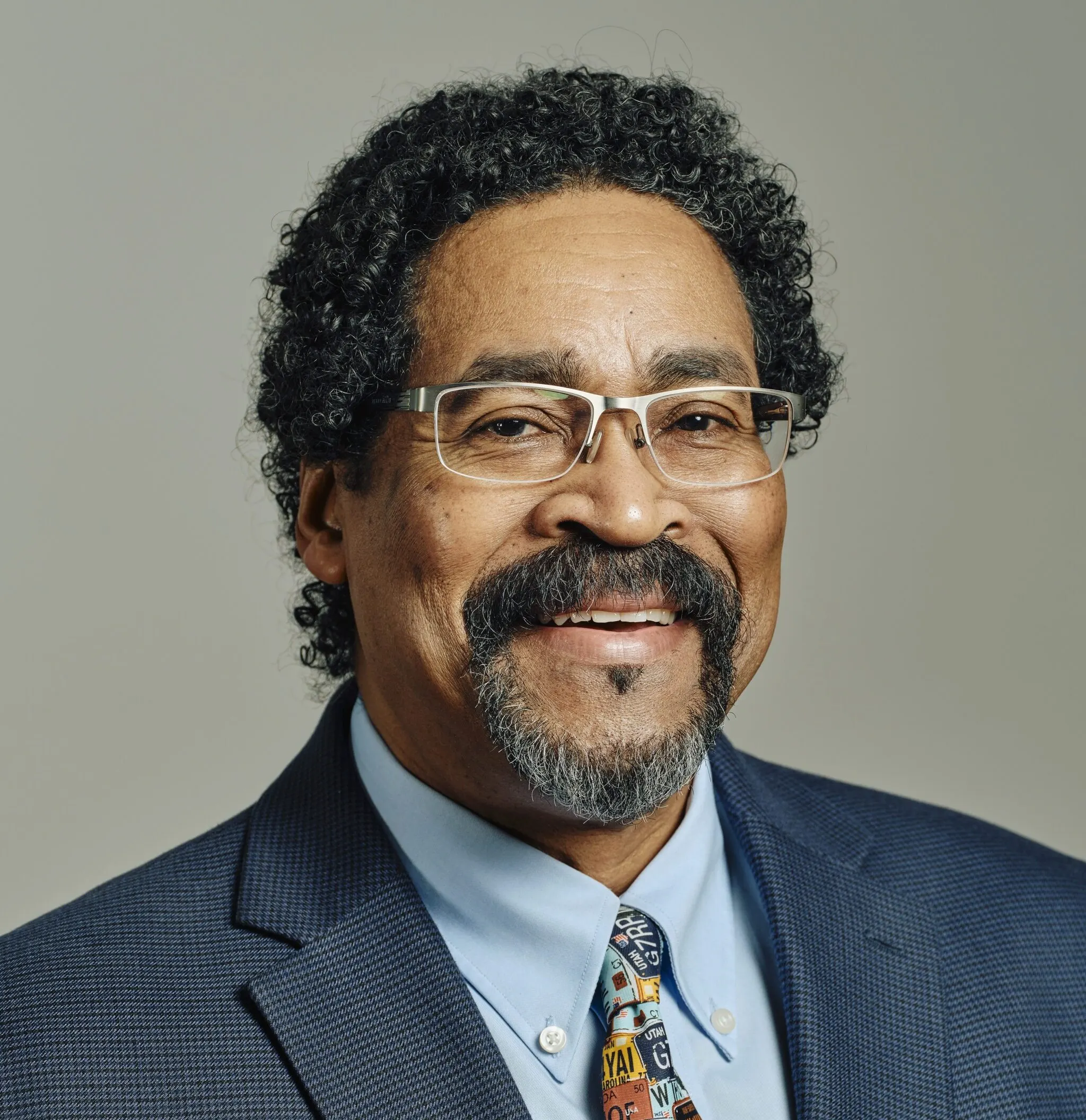
Steve Douglas
Member of The Wrecking Crew
session musician•saxophonist•flautist
Also known as: Steven Douglas Kreisman
Birthday
September 24, 1938
Birth Sign
Libra
Birthplace
Los Angeles, California
Age
Died at 54
About
Steve Douglas was an American saxophonist, flautist, and woodwind player whose sound defined an era of popular music. As a core member of the legendary session collective The Wrecking Crew, he played on hundreds of hit records from the 1960s through the 1980s, shaping the sonic landscape of rock, pop, and R&B. His saxophone solos appear on classics by The Beach Boys, Bob Dylan, Aretha Franklin, Elvis Presley, and countless others. Douglas was inducted into the Rock & Roll Hall of Fame in 2003 for musical excellence, a testament to his enduring influence. Today, fans of vintage session lore remember him as one of the most versatile and in-demand woodwind players of his generation.
Early Life & Background
Steve Douglas was born Steven Douglas Kreisman on September 24, 1938, in Los Angeles, California. His mother sang with Stan Kenton's band, so music was in the house from the start. The family moved to Fresno when he was young, but returned to Los Angeles when Douglas turned 13. He started on trombone, trumpet, and violin, but everything changed when he heard Chuck Higgins's Pachuko Hop. That saxophone-driven track hooked him, and he switched focus to the saxophone.
By his teens, Douglas was already sitting in at sessions and concerts at El Monte Legion Stadium, a legendary venue for early rock and R&B. He briefly served in the Navy's Drum and Bugle Corps, which sharpened his discipline. After his discharge, he began recording and touring with Duane Eddy in the late 1950s. His saxophone solos on Eddy's version of Peter Gunn Theme became a signature sound and put him on the map as a session player to watch.
Career Growth
Douglas's big break came when he became a founding member of The Wrecking Crew, the elite Los Angeles session group that backed Phil Spector's Wall of Sound productions. Throughout the 1960s and 1970s, he played on an extraordinary range of hits. His saxophone can be heard on The Beach Boys' Pet Sounds album, Bob Dylan's Blonde on Blonde, Aretha Franklin's Respect, and Elvis Presley's Suspicious Minds. He also recorded with The Ronettes, The Righteous Brothers, Jan & Dean, and Ike and Tina Turner, among many others.
In the late 1970s, Douglas toured with Bob Dylan and Ry Cooder, and later moved to the Bay Area, where he played with Steve Perry, The Tubes, John Fogerty, and Sammy Hagar. He also produced Mink DeVille's album Le Chat Bleu and worked as an A&R man for Capitol Records, charting thirteen singles. Douglas recorded several successful jazz albums under his own name, showcasing his skills as a bandleader.
Career Timeline
Public Image & Style
Among session musicians, Douglas was revered for his reliability, versatility, and distinctive tone. He was known as a consummate professional who could walk into a studio and deliver exactly what the producer needed, often on the first take. His style blended R&B grit with jazz sophistication, making him a go-to player for both pop and rock sessions. Fans of The Wrecking Crew regard him as one of the unsung heroes of 1960s pop, a musician whose contributions were felt but rarely credited. In later years, he was celebrated in documentary films and books about the Crew, and his Rock Hall induction cemented his status as a legend among session players.
Fame & Fandom (iFAMOUS Rankings)
Steve Douglas never courted the spotlight, preferring the anonymity of the recording booth to the roar of a crowd. During his lifetime, he cultivated no distinct fanbase, nor did he inspire organized campaigns like birthday billboards or fan-funded projects. His connection to listeners was purely auditory, woven into the fabric of hundreds of hit records rather than forged through personal interaction. The concept of fandom for Douglas is entirely retroactive, emerging only after the 2008 documentary The Wrecking Crew brought the collective's legacy into the mainstream. Today, appreciation for his work flows through broader communities dedicated to 1960s rock history and reunion events in Los Angeles, where enthusiasts revere him as an unsung architect of the era's sound. These groups do not maintain specific rituals or inside jokes solely for Douglas, treating his contributions as an integral part of the crew's shared mythology rather than a separate cult following.
iFANN has evaluated Steve Douglas's global standing with its Fame Engine. As of August 2026, the system confirms that Steve Douglas does not currently hold a placement in the published rankings (Global Top 1,000 or a Top-100 scope list). He has no formally documented fandom name.
Interesting Facts and Legends
Known for his warm, breathy tone on the tenor sax, Douglas frequently switched between saxophone and flute within the same song. One of his most celebrated performances is the uncredited solo on the 1963 surf instrumental Wipe Out by The Surfaris. He also contributed to the soundtrack for the film Easy Rider and served as a regular member of the house band for The Merv Griffin Show throughout the 1980s. A lifelong devotee of jazz legend Lester Young, Douglas often cited the saxophonist as a primary influence on his playing style.
Legends of the studio era frequently recount Douglas's role as a key architect behind Phil Spector's "Wall of Sound." Stories from peers like Tommy Tedesco describe the mad genius of sessions where Douglas provided the woodwind arrangements for icons such as the Ronettes and Ike & Tina Turner. Perhaps the most poignant moment in his posthumous recognition occurred when he was inducted into the Rock and Roll Hall of Fame in 2003 alongside The Righteous Brothers. While he passed away around this time, the induction stands as the definitive acknowledgment of his invisible labor on classics like "You've Lost That Lovin' Feelin'." These accounts serve as the modern folklore of the crew, celebrating a man who defined an era without ever being a household name himself.
Notable Quotes
“Sometimes, when I'm approaching club owners, they don't know who I am. I feel like I'm a kid again, starting out cold.”
“Bob Dylan was great. He always treated me very well. I think Bob is the most talented person I've ever known or worked with, as a musician, as a songwriter and as a singer. Although he doesn't always show it, it's there.”
“I just play what feels right. If it feels good, it usually is good.”
Family & Personal Life
Douglas was born to Jewish parents in Los Angeles. His mother was a singer who performed with Stan Kenton's orchestra, and his father worked in the garment industry. He had a younger sister, but her name is not publicly known. Douglas was married at least once, but details about his wife and any children are scarce. He lived in the Los Angeles area for most of his life, later moving to the Bay Area in the 1980s. He kept his family life private, rarely discussing it in interviews.
Notable Connections
Steve Douglas was a core member of The Wrecking Crew, the legendary Los Angeles session group that backed countless artists. He frequently collaborated with producers Phil Spector and Brian Wilson, and toured with Bob Dylan and Ry Cooder. His saxophone and flute work appears on records by Duane Eddy, The Beach Boys, Aretha Franklin, Elvis Presley, and many others.
Relationships & Dating History
Steve Douglas kept his personal life out of the spotlight. He was married at least once, but the identity of his wife and the duration of the marriage are not publicly documented. No children are known. In interviews, he rarely mentioned romantic partners, preferring to focus on music. As of his death in 1993, his marital status was unknown to the public.
Death & Aftermath
Died
April 19, 1993 (aged 54)
Death Place
Los Angeles, California, USA
Cause of Death
Heart failure
Steven Douglas, born Steven Douglas Kreisman on September 24, 1938, died on April 19, 1993, in Los Angeles at the age of 54. The officially reported cause of death was heart failure, a determination based on standard medical certification without evidence of foul play, accident, or suicide. His final days were not marked by any widely publicized last performance or public appearance prior to his sudden passing, though he remained a highly respected figure in the Los Angeles studio scene until his death.
The music community mourned the loss of a foundational session legend, with tributes from peers and institutions highlighting his status as a saxophonist everyone wanted to work with. Public reaction centered on recognition of his contributions to rock, R&B, and jazz rather than mass fan vigils, reflecting his role as a behind-the-scenes architect of the era's sound. Details regarding a specific funeral or memorial service date and location remain sparse, suggesting a private gathering for family and close colleagues typical for musicians who maintained a low public profile. Similarly, information regarding burial or cremation specifics is not publicly available in the provided text.
Posthumously, his legacy has been preserved through the continued presence of his recordings on streaming platforms and his inclusion in the Rock & Roll Hall of Fame induction for the collective Wrecking Crew. His estate and musical catalog continue to be managed through existing royalty streams and the broader preservation of the Wrecking Crew's history, while his family has not issued detailed public statements beyond standard obituary acknowledgments. There are no recent films, books, or documentaries focusing exclusively on his life, nor any reports of his estate being handled via a specific probate ruling or settlement in the public domain.
Net Worth (Estate Value)
$5 Million
iFANN Editorial Team estimate
Per iFANN's editorial analysis, Steve Douglas's estate holds a value of $5 Million as of 2026. This figure represents the cumulative worth of his career earnings and ongoing royalty streams. During his life, Douglas earned a steady income from union rates and overtime on hundreds of recording dates, where top session musicians commanded $100 to $200 per session. His annual earnings likely reached six figures during the peak years of the 1960s and 1970s thanks to multiple weekly gigs. Additional revenue flowed from touring with Duane Eddy, Bob Dylan, and Ry Cooder, as well as production work for artists like Mink DeVille. Serving as an A&R man for Capitol Records provided a reliable salary base. Following his death, his estate continued to collect royalties from thousands of recordings, though these amounts remain modest compared to modern streaming models. The 2003 Rock Hall induction renewed interest in his catalog but did not generate significant direct financial windfalls.
Awards Won (1)
Steve Douglas was inducted into the Rock & Roll Hall of Fame in 2003 in the Musical Excellence category, recognizing his profound impact as a session musician. The Wrecking Crew as a collective was inducted into the Musicians Hall of Fame and Museum in 2007, but Douglas's solo recognition remains his most significant honor.
2003 · Musical Excellence
Session musician
Known For
Session saxophonist for The Wrecking Crew
1962 · Saxophonist
Saxophone solo on 'Peter Gunn Theme'
1959 · Saxophonist
Production of 'Le Chat Bleu'
1978 · Producer
Keywords
Sources
Quick Facts
- Profession
- session musician, clarinetist, saxophonist
- Born
- September 24, 1938
- Birthplace
- Los Angeles, California
- Died
- April 19, 1993
- Gender
- Male
- Birth Sign
- Libra
Personal Details
- Full Name
- Steven Douglas Kreisman
Frequently Asked Questions
Who was Steve Douglas?
What is Steve Douglas famous for?
When did Steve Douglas die?
What instruments did Steve Douglas play?
What was Steve Douglas's net worth?
Join the community
fans discussing