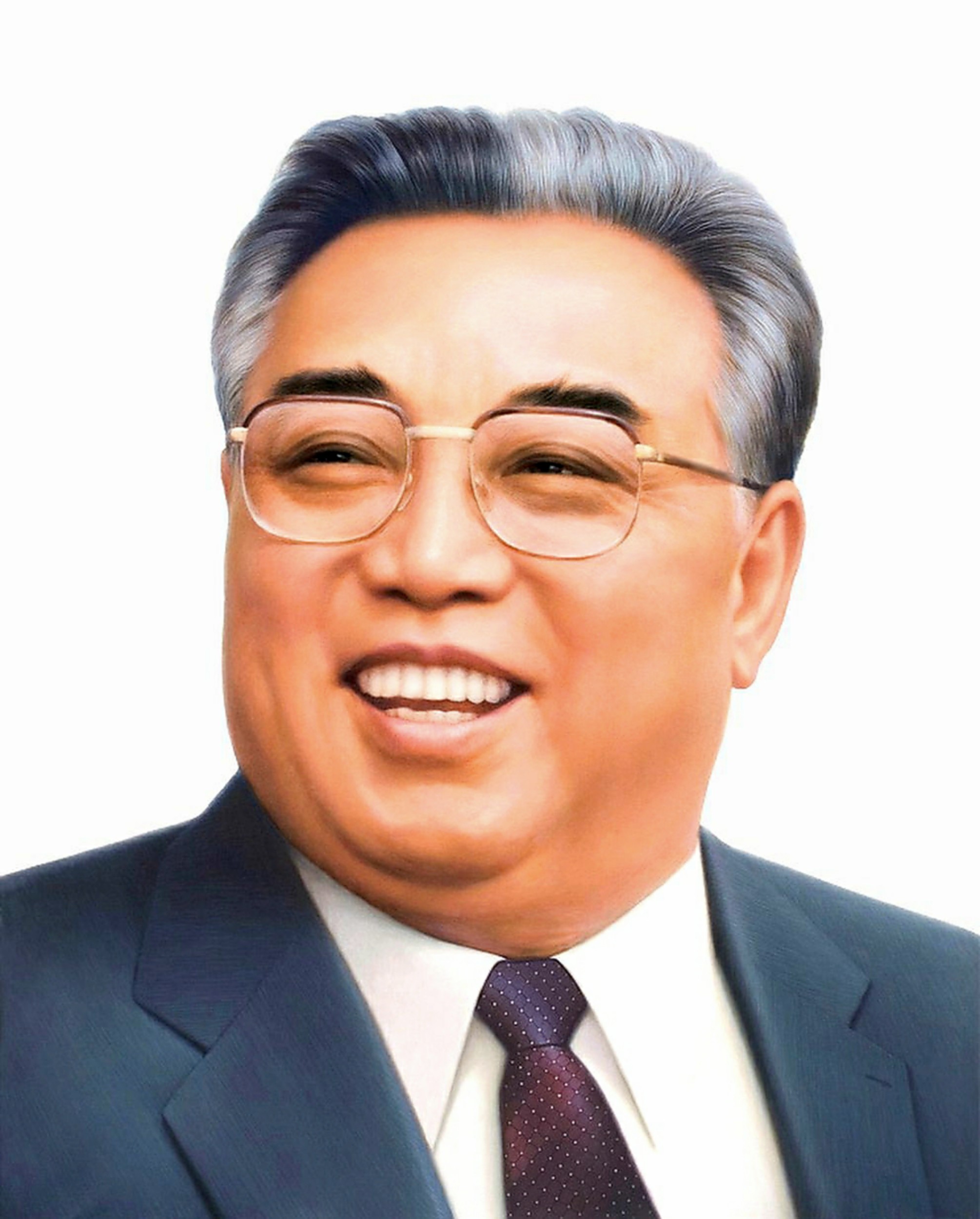
Kim Jong-pil
 South Korea
Also known as: Kim Jong Pil, JP
Birthday
January 7, 1926
Birth Sign
Capricorn
Birthplace
Buyeo County, South Chungcheong Province, South Korea
Age
Died at 92
About
Kim Jong-pil was a towering and controversial figure in South Korean history, serving as the nation's first Director of the Korean Central Intelligence Agency (KCIA), a two-time Prime Minister, and the architect behind the political rise of three different presidents. Often referred to as the "Political Kingmaker," he never held the presidency himself but wielded immense power from behind the scenes during the Cold War era, earning the moniker of the last surviving member of the "Three Kims" who dominated the country's politics.
His influence extended far beyond intelligence work into elected office where he served as a member of the National Assembly for nine terms. He played a critical role in establishing the modern security apparatus of South Korea and navigating the complex political transitions from authoritarian rule to democratization. His career spanned decades of intense political maneuvering, making him one of the most significant architects of modern South Korea.
Early Life & Background
Kim Jong-pil was born on January 7, 1926, in Buyeo County within South Chungcheong Province into the Gimhae Kim clan. His early years unfolded under Japanese colonial rule, a period marked by strict control and suppression of Korean identity. The turmoil of World War II and the subsequent division of the peninsula set the stage for his future path. Before entering high-level politics, he attended Seoul National University to study law, though his education would soon be interrupted by global conflict.
The outbreak of the Korean War in 1950 forced him to abandon his studies and join the Republic of Korea Army. He served as an intelligence officer, rising through the ranks and gaining valuable experience in military strategy and espionage. This background proved foundational for his later career, providing him with the skills and network necessary to navigate the complex political landscape of post-war South Korea. During the war, he built crucial relationships with key figures in the emerging military regime that would later take power under Park Chung-hee. These formative years in the shadowy world of espionage laid the groundwork for his reputation as a ruthless and effective strategist.
Career Growth
Kim Jong-pil's career is defined by his ability to manipulate political currents to maintain influence. Following the May 16 coup d'état led by Park Chung-hee in 1961, he established the Korean Central Intelligence Agency (KCIA) and became its first director. The KCIA quickly became the most powerful organization in the country, tasked with suppressing dissent and ensuring the stability of the Park regime. From 1963 to 1970, he served as a member of the National Assembly, solidifying his position as the "Second-in-Command" to President Park Chung-hee while managing party machinery.
Appointed Prime Minister in 1971, he oversaw significant national development projects while continuing to manage KCIA operations until 1975. His tenure included the infamous 1973 kidnapping of opposition leader Kim Dae-jung in Tokyo, an operation ordered by Park and executed by the KCIA. After resigning as Prime Minister, he remained a powerful figure within the Democratic Republican Party until the assassination of Park Chung-hee in 1979. Exiled from mainstream politics during the 1980s due to his association with the authoritarian regime, he returned to the spotlight in 1990 by forming the United Liberal Democrats party, which merged with the ruling party to help elect Roh Tae-woo. In a remarkable political comeback, he served as Prime Minister again from 1998 to 2000 under President Kim Dae-jung, helping stabilize the government during the aftermath of the Asian financial crisis. He continued to serve in the National Assembly for nine terms total until his death.
Career Timeline
Public Image & Style
Kim Jong-pil's public image is deeply polarized. To some, he is a pragmatic statesman who helped build South Korea's economic miracle and provided stability during turbulent times. To others, he is a symbol of authoritarianism, human rights violations, and the dark side of the country's rapid modernization. His signature style was that of a traditional, stern politician, often seen in formal suits. Media portrayals have ranged from admiring his political acumen to condemning his ruthlessness. He was frequently described as the "Political Kingmaker" who operated from the shadows, wielding immense power without holding the highest office.
Fame & Fandom (iFAMOUS Rankings)
Kim Jong-pil operated within a sphere of political power rather than popular celebrity. His legacy is defined by statecraft, intelligence operations, and his role as a 'kingmaker' who influenced three different presidencies, not by fan clubs, chart-topping albums, or viral cultural moments. Unlike entertainers or athletes, he did not cultivate a formal fanbase with organized rituals, dedicated social media campaigns, or specific fandom names. Public engagement with his life remains strictly historical and analytical, characterized by academic study, political critique, and the documentation of authoritarian governance during the Cold War era. There are no records of birthday billboards, fan-funded subway advertisements, or charitable drives bearing his name, as his career was marked by intense scrutiny regarding human rights and democratic suppression rather than adoration. The narrative surrounding him functions as political folklore, retelling stories of his strategic maneuvering and the 'divide and rule' tactics employed to maintain influence behind the scenes. While some observers may view his contributions to economic modernization as significant, the general public relationship with his memory is one of historical observation rather than active fandom. Consequently, iFANN's Global Fame Engine has evaluated this person, but they do not currently hold a placement in the published rankings (Global Top 1,000 or a Top-100 scope list).
Interesting Facts and Legends
Kim Jong-pil is historically documented as the only person in South Korean history to influence the rise of three different presidents without becoming president himself: Park Chung-hee, Chun Doo-hwan, and Roh Tae-woo. A widely retold story describes his strategy of "divide and rule" under President Park Chung-hee, where he positioned himself as the de facto ruler of domestic affairs while Park handled foreign policy. This narrative became legendary for its effectiveness and ruthlessness, defining his era as the last surviving member of the "3 Kims" trio that dominated South Korean politics. He founded the KCIA in 1961, creating an organization that would become synonymous with political repression and surveillance in South Korea. His involvement in the 1973 abduction of Kim Dae-jung remains one of the most notorious incidents in the nation's political history, nearly causing a diplomatic crisis between South Korea and Japan.
Notable Quotes
“I am the second-in-command.”
“Politics is the art of the possible.”
“The KCIA must be the eyes and ears of the president.”
Family & Personal Life
Kim Jong-pil was married to Park Yeong-ok, and they maintained a relatively private life compared to the public scrutiny he faced in his political career. The couple had children together, though specific details about their names and number are not widely publicized in international sources. There are no records of other marriages, engagements, or high-profile romantic relationships outside of his marriage to Park Yeong-ok. As of his death in 2018, he was widowed. The family kept a low profile, avoiding the spotlight that often accompanies high-ranking politicians.
Notable Connections
Relationships & Dating History
Kim Jong-pil was married to Park Yeong-ok. They shared a long partnership throughout his tumultuous political career, maintaining a relatively private life despite the intense public scrutiny he faced. The couple had children together, though specific details about their names and number are not widely publicized in international sources. There are no records of other marriages, engagements, or high-profile romantic relationships outside of his marriage to Park Yeong-ok. As of his death in 2018, he was widowed, having been married to Park Yeong-ok at the time of his passing. Their relationship stood as a constant in a life defined by shifting political alliances and power struggles.
- MarriedPark Yeong-ok? - 2018Spouse until his death; had children together.
Death & Aftermath
Died
June 23, 2018 (aged 92)
Death Place
Asan, South Chungcheong Province, South Korea
Cause of Death
Sudden health event (undisclosed)
Kim Jong-pil, the former South Korean Prime Minister and founder of the Korean Central Intelligence Agency, died on Saturday, June 23, 2018. He was 92 years old at the time of his passing. Hospital officials reported that he passed away at 8:15 a.m. after being rushed from his home to Soonchunhyang University Hospital in Asan, South Chungcheong Province. The official statement from the hospital confirmed he was declared dead on arrival following a sudden health event requiring immediate transport. Public reaction to his death featured tributes from peers, government officials, and the media characterizing him as both a blessing and a curse and a political kingmaker. Major international outlets including The New York Times, The Washington Post, and Bloomberg published obituaries highlighting his role as one of the Three Kims who dominated South Korean politics, his two terms as Prime Minister, and his founding of the KCIA. Reports from The Korea Herald and Kyodo News also acknowledged his pivotal role in Japan-South Korea normalization.
Funeral arrangements for Kim Jong-pil were conducted as a state funeral befitting his status as a former Prime Minister and key political figure. Such funerals typically involve high-ranking government officials and military honors, though specific dates, locations, and attendees for the ceremony were not detailed in the source material. His estate handling was not publicly disclosed.
Posthumously, Kim Jong-pil's legacy has been cemented through various biographical works and historical analyses with numerous articles published shortly after his death examining his career and impact on South Korean democracy and authoritarianism. While Kim Jong-pil had been a central figure in past political controversies including the 1973 kidnapping of South Korean opposition leader Kim Dae-jung for which he served as KCIA director, these historical events became subjects of retrospective analysis rather than active legal proceedings related to his passing by 2018.
Net Worth (Estate Value)
$5 Million
iFANN Editorial Team estimate
iFANN Editorial Team research estimates Kim Jong-pil's net worth at approximately $5 million. As a long-serving politician rather than a commercial celebrity, his wealth accumulation came primarily from government salaries earned during his multiple terms in the National Assembly and as Prime Minister. Estimates suggest he accumulated moderate wealth through his political career, likely in the range of millions of dollars equivalent, though specific financial records remain private. Unlike entertainers, politicians in South Korea during his era were not known for massive commercial endorsements or business empires. Potential real estate holdings and investments are unverified, but his income streams were consistent with high-ranking government officials of the mid-to-late 20th century. The estate value reflects his lifetime earnings and assets managed by his family after his passing in 2018.
Awards Won (7)
Kim Jong-pil received the Order of Merit for National Foundation, a high-ranking national honour awarded for his contributions to the founding and development of the Republic of Korea. He was recognized for his administrative roles during his tenures as Prime Minister. While not receiving entertainment awards, he is frequently cited in historical texts and academic works as a central figure in modern Korean history.
1963
1967
Known For
South Korean Politics
1961 · Founder of KCIA
Prime Minister of South Korea
1971 · First Term
Prime Minister of South Korea
1998 · Second Term
Keywords
Sources
Quick Facts
- Profession
- politician, journalist
- Born
- January 7, 1926
- Birthplace
- Buyeo County, South Chungcheong Province
- Died
- June 23, 2018
- Death Place
- Asan, South Chungcheong Province
- Gender
- Male
- Spouse
- Park Yeong-ok
- Birth Sign
- Capricorn
Personal Details
- Full Name
- Kim Jong-pil
- Spouse
- Park Yeong-ok
- Children
- Education
- Seoul National University (Law)
Frequently Asked Questions
Who was Kim Jong-pil?
When did Kim Jong-pil die?
Did Kim Jong-pil ever become President?
What was Kim Jong-pil's role in the kidnapping of Kim Dae-jung?
How many times was Kim Jong-pil Prime Minister?
Similar People
Join the community
fans discussing