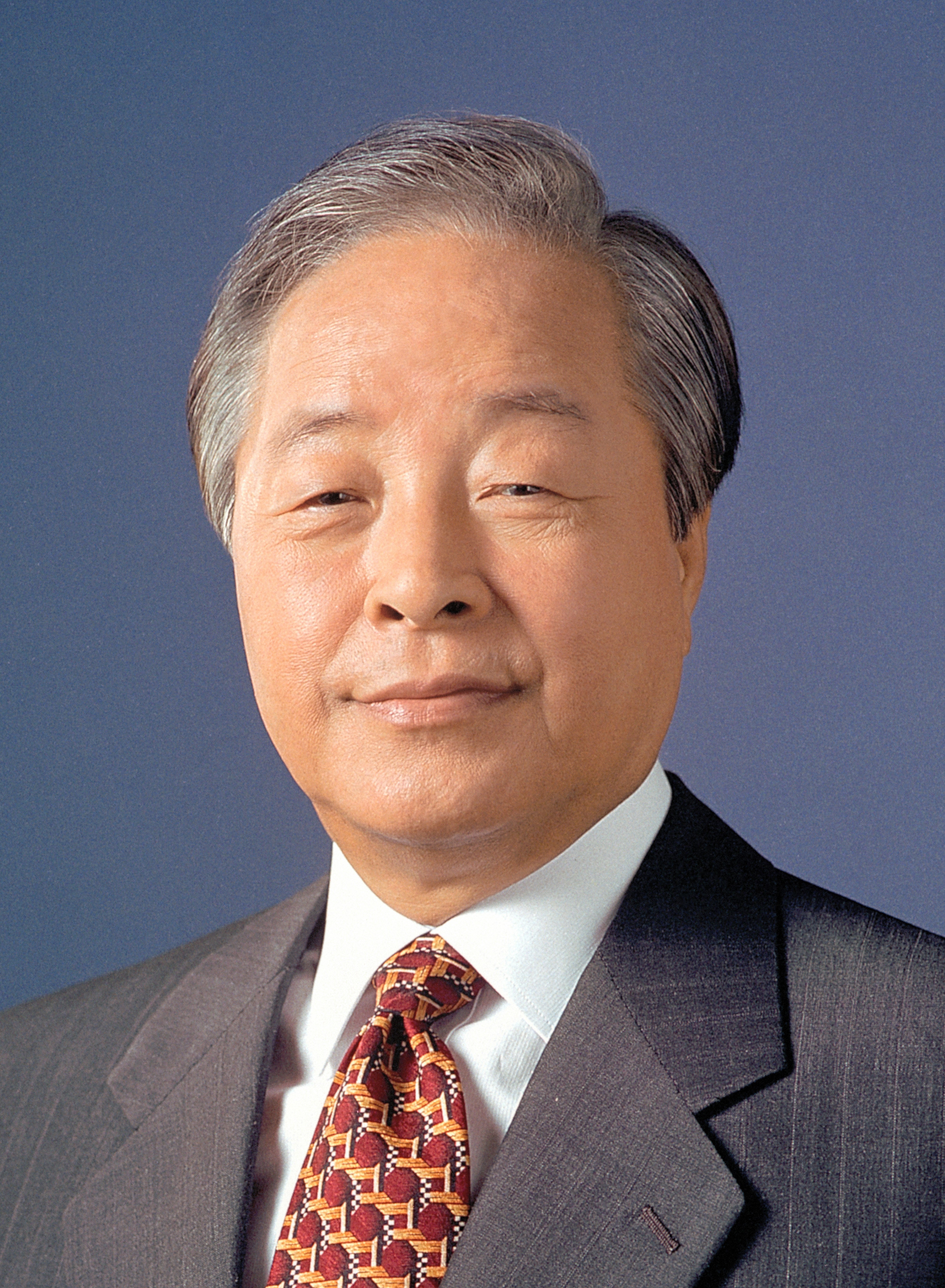
Kim Young-sam
 South Korea
Birthday
+1927-12-20
Birth Sign
Sagittarius
Birthplace
Geoje
Age
Died at 87
About
Kim Young-sam, known by his initials YS, was a South Korean politician who served as the seventh president of South Korea from 1993 to 1998. Born on December 20, 1927, in Geoje, he rose from humble beginnings to become a central figure in the nation's democratic movement. He died on November 22, 2015, at the age of 87, leaving behind a complex legacy that continues to be debated. Kim's political career began remarkably early. At just 25, he became the youngest person ever elected to the National Assembly, a record that still stands. Over the next three decades, he established himself as a formidable opposition leader, challenging the authoritarian rule of Park Chung Hee and Chun Doo-hwan. Alongside Kim Dae-jung, he spearheaded the democratic camp, enduring imprisonment and house arrest for his activism. His art name, Geosan, and his hometown of Gimnyeong reflect his deep roots in Korean culture. In 1992, Kim achieved his ultimate goal, winning the presidential election and becoming the first civilian president in over 30 years. His inauguration on February 25, 1993, marked a watershed moment for South Korea. His presidency focused on anti-corruption reforms, leading to the unprecedented arrest of two former presidents. He also pursued an internationalization policy called Segyehwa, aimed at globalizing the Korean economy and society. However, Kim's final years in office were marred by crisis. The collapse of the Seongsu Bridge and the Sampoong Department Store, along with the 1997 Asian financial crisis, tarnished his reputation. South Korea's economy spiraled into recession, forcing the government to accept billions in conditional loans from the International Monetary Fund. His approval rating plummeted from a historic high of 97% to a mere 6%, a record low until Park Geun-hye's scandal in 2016. After his death, public perception has softened, with a moderately positive reevaluation of his contributions to democracy and reform.
Fame & Fandom
Kim Young-sam commands a global attention defined by his historical stature as the architect of South Korea's democratic transition rather than contemporary celebrity metrics. While his name remains instantly recognizable across East Asia and among students of political history, he currently holds no placement in the published iFANN Global Top 1,000 rankings or any scope-specific top lists. The iFANN Global Fame Engine has evaluated his standing and determined that he does not currently occupy a ranked position within these specific scopes. Consequently, there is no documented fandom name associated with him, as his legacy rests on civic reverence and political study rather than organized fan clubs or commercial followings. Unlike entertainers who cultivate dedicated bases for chart pushes or birthday campaigns, the public engagement surrounding Kim Young-sam manifests through academic discourse, memorial services, and the enduring respect for his role in ending military rule. His audience consists of historians, political observers, and citizens honoring a former head of state, operating without the formal structures, rituals, or self-branded identities typical of modern pop culture fandoms.
Interesting Facts and Legends
Kim Young-sam entered the National Assembly at just 25 years old, securing a record as the youngest elected member that still stands today. He spent decades challenging authoritarian regimes, enduring imprisonment and the stripping of parliamentary immunity to oppose Park Chung-hee and Chun Doo-hwan. His most defining moment came in 1993 when he became the first civilian president in over three decades, marking the culmination of a lifelong struggle for democracy. A widely retold story from his early career highlights his precocious talent and unwavering commitment to public service, often cited to explain his rapid rise. Another legendary chapter involves his leadership during the Gwangju Uprising aftermath, where he split from the ruling party to form the New Democratic Party, a bold move that cemented his status as a rival to other democracy champions like Kim Dae-jung. Though his presidency faced the turmoil of the 1997 IMF crisis, his anti-corruption reforms, such as the Public Official Property Registration Act, remain central to his political narrative. These verified milestones are not merely facts but foundational stories of national identity, remembered for their courage and impact on the country's future.
Death & Aftermath
Died
+2015-11-22 (aged 87)
Death Place
Seoul, South Korea
Cause of Death
Blood infection and heart failure
The passing of Kim Young-sam triggered an immediate outpouring of tributes from domestic and international officials, with South Korean President Park Geun-hye suspending government activities for one day to mourn the nation's first civilian leader in over three decades. The scale of state mourning indicated a significant public gathering of support as citizens lined the streets to pay their respects to the man credited with dismantling military dictatorship and establishing democratic rule. Thousands gathered in Seoul for his funeral procession, which was attended by high-ranking government officials, former presidents, and foreign dignitaries who recognized his profound contribution to democracy in East Asia. Kim Young-sam passed away on November 22, 2015, at Seoul National University Hospital after being admitted due to symptoms of a high fever.
The medical team treated him for complications that eventually led to his death early in the morning. According to official statements released by the hospital and confirmed by family sources, the cause of death was a blood infection (sepsis) and heart failure. Following the funeral service, Kim Young-sam was buried at the National Cemetery in Seoul, specifically in the section reserved for former presidents and national heroes. The proceedings emphasized his legacy as the Father of Democracy in South Korea. In the years since, the Kim Young-sam Presidential Memorial Foundation has been established to preserve his legacy and promote democratic values.
Awards & Accolades
Keywords
Quick Facts
- Profession
- politician
- Born
- +1927-12-20
- Birthplace
- Geoje
- Died
- +2015-11-22
- Death Place
- Seoul
- Gender
- Male
- Spouse
- Son Myung-soon
- Birth Sign
- Sagittarius
Personal Details
- Spouse
- Son Myung-soon
Join the community
fans discussing