Part of the Grand Theft Auto series
Series community
Grand Theft Auto 2
"A cyberpunk underworld where loyalty is currency and chaos is the only law."
Overview
DMA Design stepped away from the original city's layout to craft a retrofuturistic nightmare called Anywhere City. Released in late 1999 for PlayStation and Windows, this sequel dropped players into a cyberpunk metropolis where time seemed stuck between the past and future. You play as a nameless criminal hired by various syndicates to pull off heists while enjoying total freedom to cause chaos on the streets. The experience kicked off with live-action cutscenes that set a gritty tone before handing control over to the player.
Critics gave mixed reactions upon release. Many praised the unique gang loyalty system and the synth-heavy soundtrack, but others found the graphics dated and the controls clunky compared to its predecessor. Reviews for the Game Boy Color version were particularly harsh due to hardware limitations. Despite these flaws, the game sold well enough to keep the franchise alive until Rockstar launched Grand Theft Auto III in 2001, which shifted the series into three dimensions. A Steam re-release in 2008 introduced the title to a new generation of gamers.
Gameplay
The gameplay loop refined the open-world formula established by the first game but introduced several new mechanics that defined the franchise's identity for years. A central feature was the 'Loyalty System,' where the player's standing with different gangs affected how NPCs reacted to them; high loyalty could result in bystanders offering weapons or assistance, while low loyalty could lead to immediate hostility. The game also expanded vehicle variety and added physics-based interactions, such as the ability to toss items like bottles and bricks at enemies or police, adding a layer of tactical combat previously absent in the series.
The Anytime City map was divided into distinct districts, each with unique visual styles and enemy types. Players could engage in free-roam chaos, steal cars, commit robberies, and evade law enforcement, with the police response escalating based on the player's wanted level. The Dreamcast version offered slightly improved graphics and faster load times due to the console's superior hardware, while the Game Boy Color version was criticized for significant graphical downgrades and simplified controls due to hardware limitations.
Story
The narrative follows a nameless protagonist hired by various criminal syndicates to execute heists and eliminate rivals. Unlike its predecessor, which featured a more episodic structure, GTA 2 introduced a cohesive storyline driven by live-action cutscenes produced by the film crew at Rockstar's UK office. These cinematic sequences often featured actors like Ian McNeice and set a gritty, satirical tone before handing control to the player. The plot revolves around the protagonist working for three main factions: the Mob, the Triads, and the Yakuza, while navigating a city plagued by gang warfare and corporate corruption.
The story culminates in a chaotic finale where the protagonist must choose sides or attempt to survive the collapsing cityscape. This structure allowed the developers to explore themes of betrayal and survival within a setting that blended noir crime tropes with 1980s synth-wave culture.
Trailers

Keywords
Sources
Game Info
- Developer
- DMA Design
- Publisher
- Rockstar Games
- Engine
- DMA Design Engine (Enhanced)
- Release Date
- September 30, 1999
- Age Rating
- 17+
- Modes
- Single-player, Multiplayer
- Platforms
- PlayStation, Dreamcast, Game Boy Color, Microsoft Windows
- Composer
- E-Z Rollers
- Protagonist
- Nameless Criminal
- Main Factions
- The Mob, The Triads, The Yakuza
Join the community
fans discussing
More in the Grand Theft Auto series
10 titles
Grand Theft Auto III
Grand Theft Auto: Vice City

Grand Theft Auto: San Andreas
Grand Theft Auto: Liberty City Stories
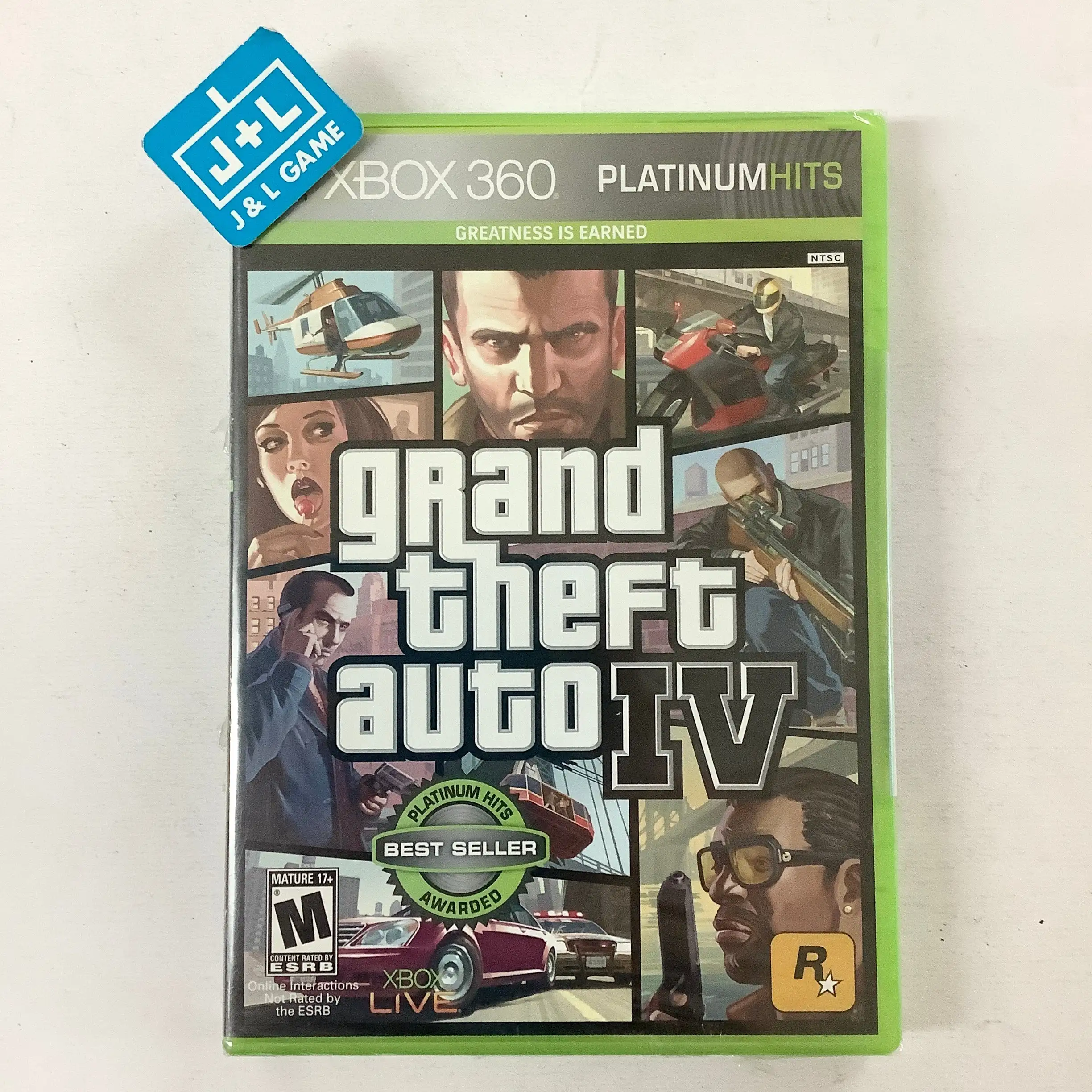
Grand Theft Auto IV

Grand Theft Auto IV: The Lost and Damned
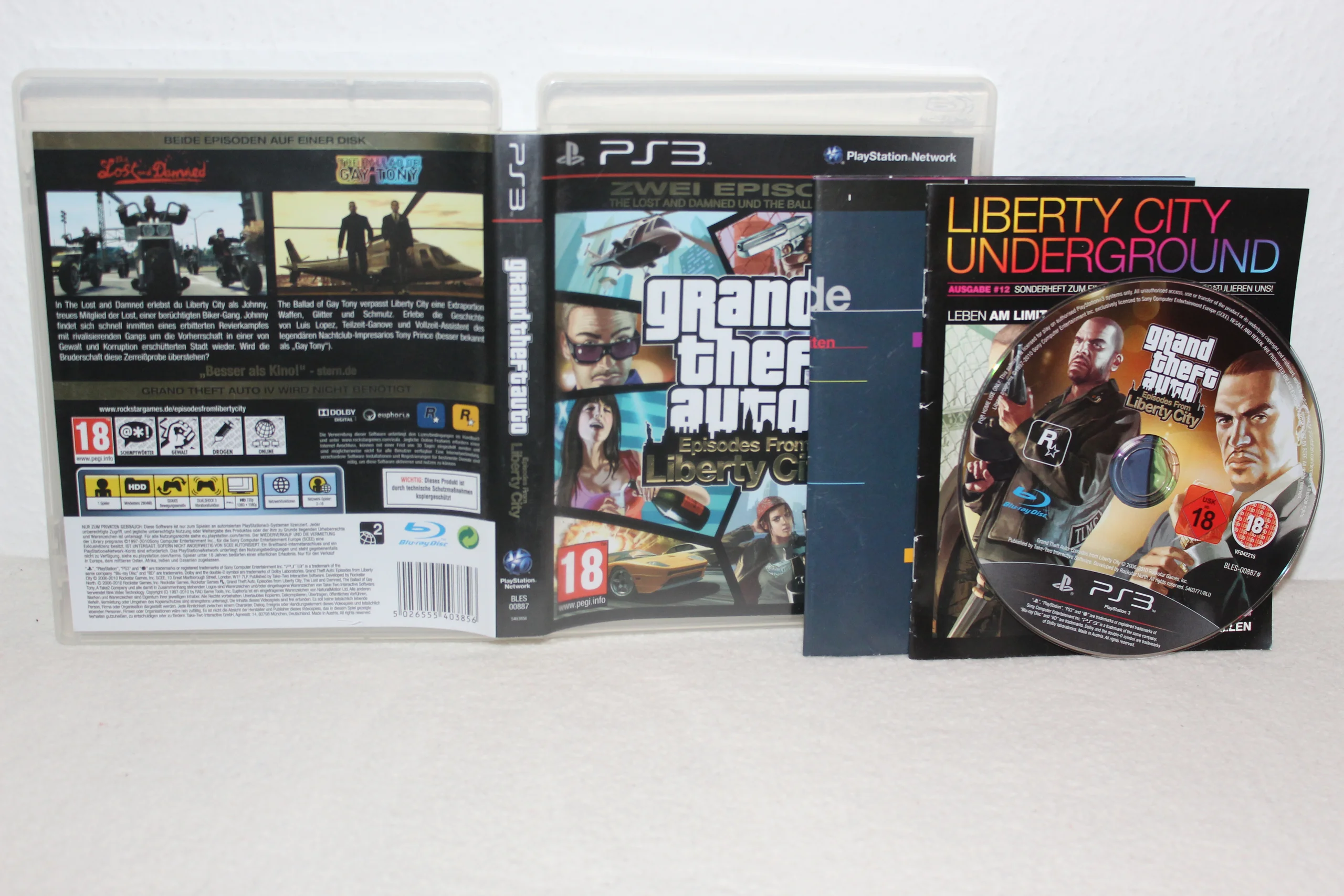
Grand Theft Auto: Episodes from Liberty City

Grand Theft Auto Online

Grand Theft Auto V
Grand Theft Auto: The Trilogy – The Definitive Edition