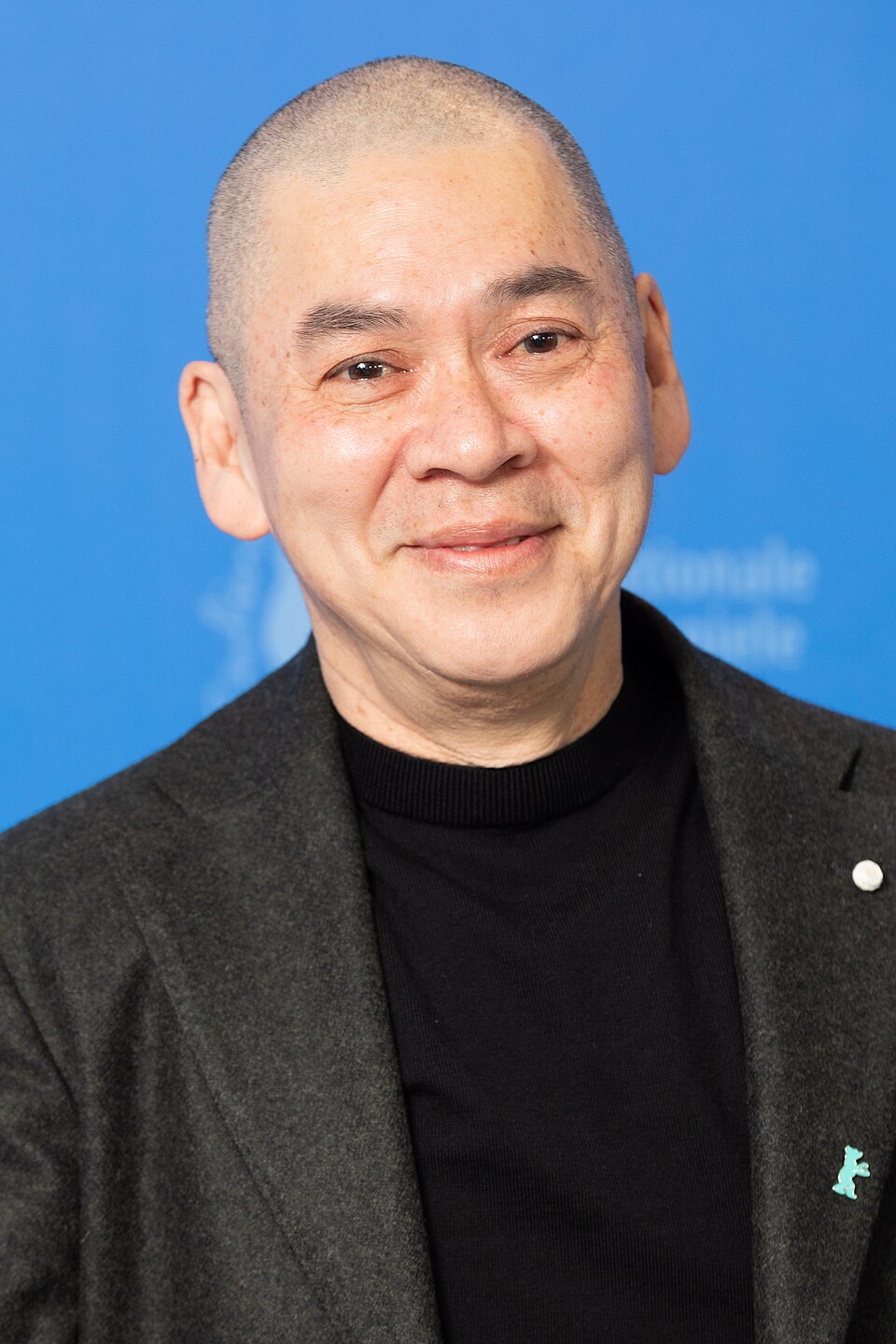
Tsai Ming-liang
 Malaysia
film director•screenwriter•film producer
Birthday
October 27, 1957
Birth Sign
Sagittarius
Birthplace
Kuching, Sarawak, Malaysia
Age
68 years old
Height
5 ft 7 in (170 cm)
About
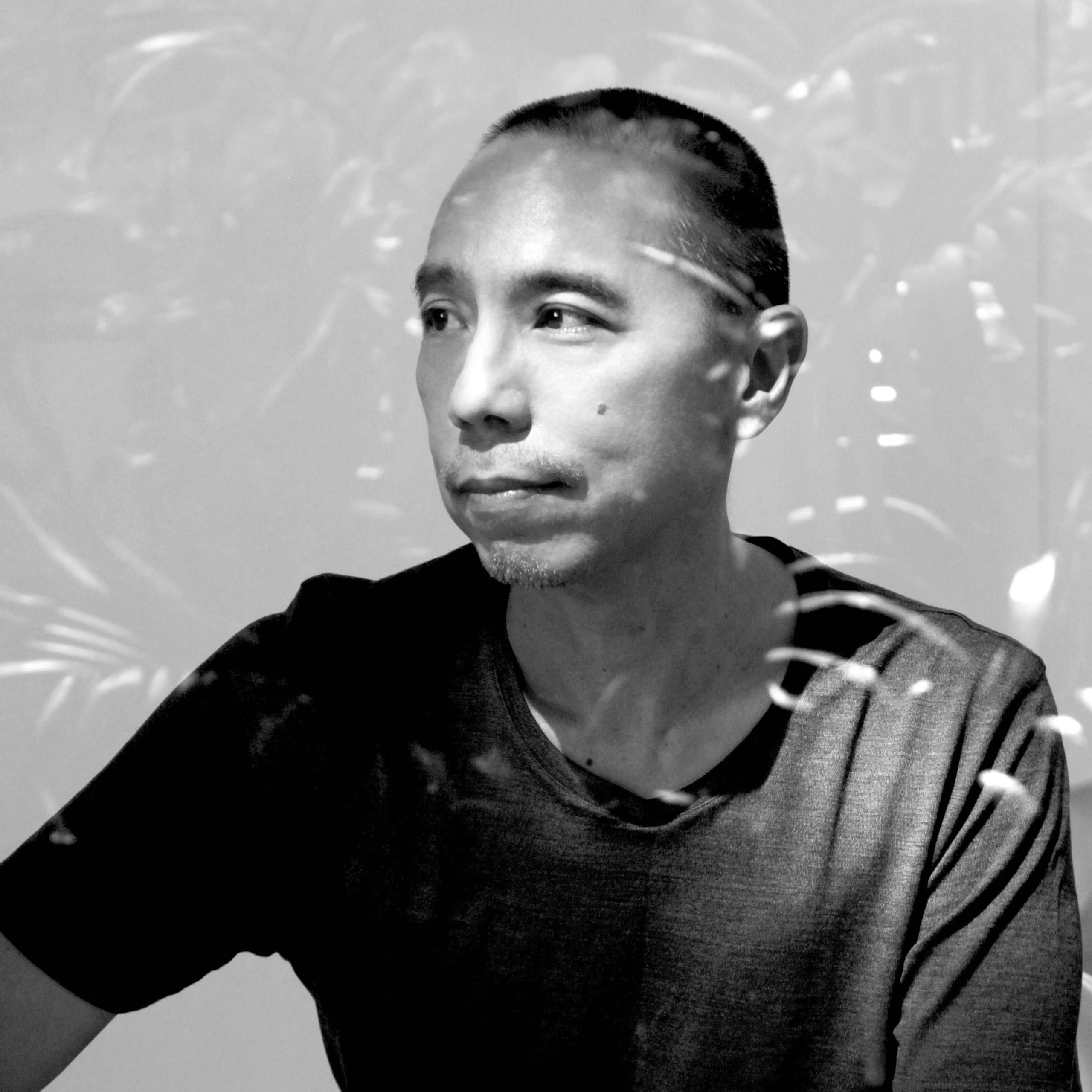
Tsai Ming-liang is a Malaysian-born, Taiwan-based filmmaker and one of the leading figures of Slow Cinema and the Second New Wave of Taiwanese film. His work is patient and severe, built from long static takes, sparse dialogue and an unblinking attention to loneliness in the modern city.
He broke through internationally with Vive L'Amour in 1994, which won the Golden Lion at Venice, and went on to direct films including The River, Goodbye, Dragon Inn and Stray Dogs. A defining feature of his cinema is its constancy: nearly every one of his films stars the actor Lee Kang-sheng, whose ageing body Tsai has filmed across three decades, turning their collaboration into a single extended study of time and the human form.
In recent years Tsai has moved fluidly between the cinema and the gallery, presenting his slow, meditative Walker series as installation art in museums. Critics hold him up as one of contemporary cinema's most uncompromising auteurs, a director who asks audiences to slow down and simply look. His influence reaches well beyond Taiwan, into the wider world of festival and art-house film.
Early Life & Background
Tsai Ming-liang grew up in Kuching, a city on the island of Borneo, in a working-class household. His father was a government clerk and his mother a housewife. The family spoke Hakka at home, and Tsai has said he felt like an outsider in his own community, a feeling that later seeped into his films. He was a quiet child who spent hours alone, watching movies at local theaters.
At 20, he moved to Taiwan to study drama at the National Taiwan University of Arts, graduating in 1981. After school, he worked in Taiwanese television, directing short films and TV movies. His 1991 TV film Boys caught the attention of critics and led directly to his first feature. That same year, he cast a video store clerk named Lee Kang-sheng in the lead role, beginning a partnership that would define his career.
Career Growth
Tsai's first feature, Rebels of the Neon God (1992), premiered at the Venice Film Festival and introduced his signature style: long takes, urban alienation, and a restless camera that barely moves. Three years later, Vive L'Amour won the Golden Lion at Venice, putting him on the world stage. The film, about three lonely people sharing a Taipei apartment, had almost no dialogue and a final shot that ran 10 minutes.
He followed with The River (1997), which won the Grand Jury Prize at Berlin, and What Time Is It There? (2001), which took the same prize. Goodbye, Dragon Inn (2003) became a cult favorite, a ghostly elegy for cinema itself, set in a crumbling Taipei theater. In 2013, Stray Dogs won the Grand Jury Prize at Venice, cementing his late-period mastery.
Since 2014, Tsai has worked increasingly in gallery spaces. His Walker series, featuring Lee Kang-sheng in a red robe walking slowly through cities, has been exhibited at the Venice Biennale and museums worldwide. In 2020, his feature Days won the Teddy Award at Berlin. As of 2026, he is developing The River II, a spiritual sequel to his 1997 film.
Career Timeline
Public Image & Style
Tsai is widely regarded as the master of slow cinema, a label he accepts but does not court. His public persona is that of a serious, slightly reclusive artist. He rarely gives interviews and when he does, he speaks in short, considered sentences. On social media, he posts sparingly, a film still, a shot of a temple, a quote from a sutra. Fans, sometimes called Tsai-ophiles, organize marathon screenings of his work and debate the symbolism of his long takes. Critics describe his style as austere, rigorous, and deeply humane. He is not a celebrity in the traditional sense; his fame is confined to the art-house world, where he is revered as a living master.
Fame & Fandom (iFAMOUS Rankings)
For the devoted Tsai-ophile, the experience is less about celebrity worship and more about a shared, meditative endurance. His audience consists of cinephiles and academic circles who treat his films not as entertainment but as ritualistic events, often gathering for marathon screenings to witness the slow decay of time on screen. There is no organized fanbase with an official name or social media army; instead, admirers form quiet communities around film festivals and retrospective screenings, debating the symbolism of long takes and the physical stamina required to sit through a full feature. The interaction remains strictly professional, mediated by the art-house circuit rather than direct engagement, creating a legend built on artistic consistency rather than viral moments.
This enduring global resonance places him firmly within the canon of international cinema giants. He is currently ranked the 13th most famous person from Malaysia, a standing that has held steady since the previous cycle. This placement reflects his unique position in the cultural landscape, where his work commands attention across major institutions like the American Cinematheque and the Biennale Arte. These rankings are part of the iFANN Global Fame Rankings, which track influence across global media coverage and consumption signals worldwide. While he does not court the spotlight, his presence as a master of slow cinema ensures his legacy is cemented among the world's most significant cultural figures.
Interesting Facts and Legends
Tsai Ming-liang is a devout Buddhist who meditates daily, a practice that deeply influences the contemplative rhythm of his films. He has never owned a car and walks everywhere, embodying the slow-living philosophy his cinema advocates. Known for his fear of flying, he frequently travels to international festivals by train, even for long distances across Europe. His film The Wayward Cloud (2005) included explicit sexual content and was briefly banned in Taiwan. Lee Kang-sheng, his lead actor, was working at a video rental store when Tsai cast him in Boys; he had no formal training. Tsai's films rarely feature professional actors beyond his core troupe.
A defining legend among newcomers involves the physical endurance required to watch his work. Stories circulate of audiences needing to adjust their expectations during scenes where characters spend hours drinking water or sitting still, turning the viewing experience into a test of patience akin to religious pilgrimage. The mythology surrounding his career also centers on his telepathic partnership with Lee Kang-sheng, spanning decades of films like The Hole and Goodbye, Dragon Inn. This collaboration is often cited as a rare instance of non-verbal communication so intense it feels almost supernatural. In 2026, a 35mm theatrical run of The Hole drew fans specifically to see the canonical text on the big screen, reinforcing the idea that his older works are treated as sacred artifacts.
Notable Quotes
“I make films about the people who are left behind, the lonely, the forgotten.”
“Cinema is a place to slow down, to breathe. We are always rushing, and I want to stop that.”
“Lee Kang-sheng is my muse, my mirror. Without him, I would not have a cinema.”
Family & Personal Life
Tsai was born to a Hakka-speaking family in Kuching, Malaysia. His father worked as a government clerk, his mother was a homemaker. He has one younger sister, who still lives in Malaysia. Tsai never married and has no children. He lives alone in a modest apartment in Taipei, surrounded by stacks of DVDs and Buddhist texts. He has said in interviews that his family is his art, and that he considers Lee Kang-sheng and his crew a kind of surrogate family.
Notable Connections
Tsai's most frequent collaborator is actor Lee Kang-sheng, who has appeared in every one of his features since 1991. He also works regularly with actress Chen Shiang-chyi, who starred in The River and What Time Is It There?. Producer Penny Tsai has helped bring many of his projects to fruition, and actress Lu Yi-ching appeared in Vive L'Amour.
Relationships & Dating History
Tsai Ming-liang has never been publicly linked to a romantic partner. His closest relationship is with actor Lee Kang-sheng, whom he met in 1991 when casting the TV film Boys. Lee has appeared in every Tsai feature since. Tsai has described Lee as his muse and mirror, but both have stated their bond is platonic, a deep friendship and artistic partnership. Tsai has said in interviews that he is celibate and has chosen to devote himself entirely to his work. As of 2026, he remains single and lives alone in Taipei.
- DatedLee Kang-sheng1991 - presentLong-term companion and collaborator, though not a romantic partner. They met when Lee was cast in Tsai's TV film Boys.
Salary, Net Worth In 2026
$5 Million
iFANN Editorial Team estimate
Per iFANN's editorial analysis, Tsai Ming-liang's net worth is estimated at $5 million as of 2026. His income comes primarily from film directing, with each feature earning roughly $100,000 to $200,000 in fees and festival grants. Since 2014, his Walker series installations have become a significant revenue stream, with individual works selling for $50,000 to $150,000 to museums and private collectors. He also receives annual grants from Taiwan's Ministry of Culture and has held visiting professorships at universities in Taipei and Hong Kong. He owns a small apartment in Taipei and has no major endorsement deals or commercial ventures. His net worth has grown steadily over the past decade, driven by gallery sales and retrospective screenings.
Awards Won (11)
Tsai Ming-liang has won top prizes at the world's most prestigious film festivals. His Golden Lion for Vive L'Amour (1994) put him on the map. He has since won the Grand Jury Prize at Berlin twice, for The River (1997) and What Time Is It There? (2001), and again at Venice for Stray Dogs (2013). In 2020, Days won the Teddy Award at Berlin. He also received a Lifetime Achievement Award at the International Film Festival Rotterdam in 2022 and an Honorary Leopard at Locarno in 2023.
2022 · Lifetime Achievement
2023 · Honorary Award
Known For
Vive L'Amour
1994 · Director
The River
1997 · Director
What Time Is It There?
2001 · Director
Goodbye, Dragon Inn
2003 · Director
Stray Dogs
2013 · Director
Days
2020 · Director
Keywords
Quick Facts
- Profession
- film director, screenwriter, film producer
- Born
- October 27, 1957
- Birthplace
- Kuching, Sarawak, Malaysia
- Gender
- Male
- Birth Sign
- Sagittarius
Personal Details
- Full Name
- Tsai Ming-liang
- Height
- 5 ft 7 in (170 cm)
- Education
- National Taiwan University of Arts, Bachelor's in Drama, 1981
Filmography
30
Total
15
Film
10
TV
Frequently Asked Questions
Is Tsai Ming-liang married?
What is Tsai Ming-liang's net worth in 2026?
Why does Tsai Ming-liang always use the same actor?
What is Tsai Ming-liang's most famous film?
How old is Tsai Ming-liang?
Similar People
Join the community
fans discussing