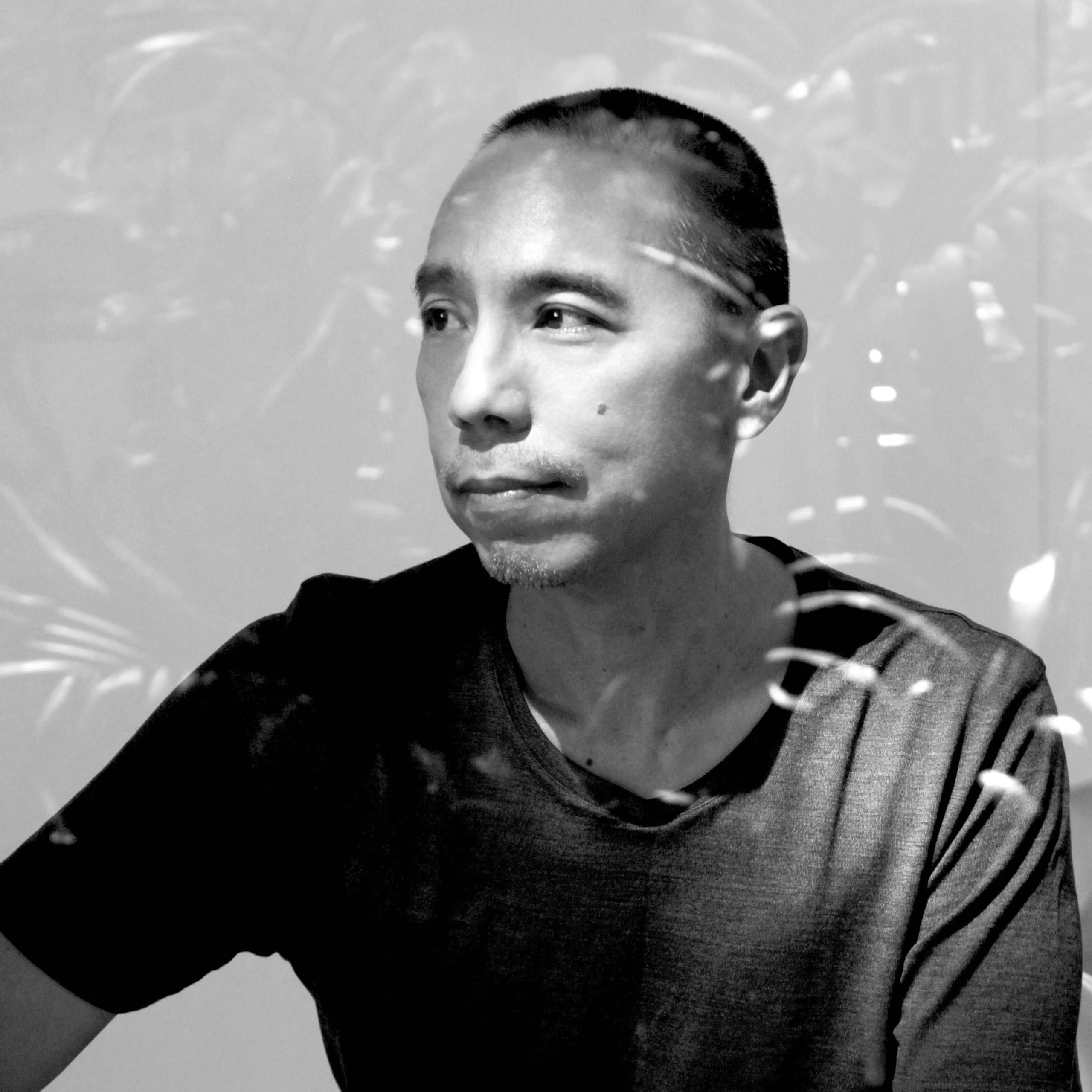
Apichatpong Weerasethakul
 Thailand
film director•film producer•screenwriter
Also known as: Joe Weerasethakul, Apichatpong Weerasethakul
Birthday
July 16, 1970
Birth Sign
Cancer
Birthplace
Bangkok, Thailand
Age
56 years old
About
Apichatpong Weerasethakul is a Thai independent filmmaker, visual artist, and educator who has fundamentally reshaped contemporary cinema. Universally known by his nickname "Joe," he creates dreamlike, meditative works that blur the boundaries between reality, memory, and the supernatural. As of 2026, he serves as a professor at Tama Art University in Tokyo while continuing to produce art that challenges global audiences with its unique blend of Thai folklore, Buddhism, and political commentary.
His career is defined by historic achievements at the world's most prestigious film festivals. He became the first Thai filmmaker to win the Palme d'Or for Uncle Boonmee Who Can Recall His Past Lives in 2010. Prior to this landmark victory, he won the Jury Prize for Tropical Malady and the Un Certain Regard award for Blissfully Yours at Cannes. His influence extends beyond the screen into the visual arts, with major retrospectives held at institutions like the Museum of Modern Art in New York and the Tate Modern in London.
Early Life & Background
Born into an affluent family of rubber plantation owners in Bangkok, Apichatpong Weerasethakul grew up surrounded by wealth but also deeply connected to the rural landscapes of Northeastern Thailand. This region, known as Isan, would later become the spiritual and visual heart of his filmmaking. His father was a prominent industrialist, and his mother was an amateur painter, providing him with early exposure to both business and the arts. He attended Assumption College in Bangkok before seeking formal training abroad.
In the early 1990s, he moved to the United States to study at the School of the Art Institute of Chicago. There, he earned a Bachelor of Fine Arts in 1994 and a Master of Fine Arts in 1995. During his time in Chicago, he began experimenting with video art, creating works that questioned conventional narrative structures. Upon returning to Thailand in the mid-1990s, he co-founded The Cinema Project in 1998. This non-profit organization was established to support independent filmmakers in a country where commercial studios dominated the industry. He started making short films and video installations, including Homage to the King in 1993 and The Last Commandment in 1994, laying the groundwork for his distinctive hybrid style.
Career Growth
Weerasethakul's breakthrough on the international stage arrived with Mysterious Object at Noon, which premiered at the Venice International Film Festival in 2000. This feature-length film established his signature approach: a seamless mix of documentary and fiction that utilized non-actors and blurred the lines between myth and reality. Two years later, Blissfully Yours won the Un Certain Regard award at the Cannes Film Festival, bringing him significant global attention. In 2004, Tropical Malady secured the Jury Prize at Cannes, further cementing his reputation as a visionary auteur. The film's dual structure combined a tender love story with a folkloric tale of a shaman and a tiger.
His momentum continued as Syndromes and a Century became the first Thai film to compete at the Venice Film Festival in 2005. In 2010, he achieved the pinnacle of festival success when Uncle Boonmee Who Can Recall His Past Lives won the Palme d'Or at Cannes. This historic win made him the first Thai director to receive the highest honor at the festival. The film also took home the Grand Prix at the Locarno Film Festival. In 2015, Cemetery of Splendour premiered at Cannes, receiving critical acclaim for its depiction of soldiers suffering from a mysterious sleeping sickness. He expanded his reach with Memoria in 2021, his first English-language feature set in Colombia starring Tilda Swinton. Most recently, in August 2026, The Match Factory acquired rights to four of his films for 4K restoration and world sales.
Career Timeline
Public Image & Style
Known for his quiet, unassuming demeanor, Apichatpong projects an image of a thoughtful intellectual rather than a Hollywood star. His aesthetic is characterized by a slow-paced, meditative style that invites contemplation rather than passive consumption. Media profiles often describe him as the "Godfather of independent Thai cinema," a title reflecting his role in establishing a distinct national voice on the global stage. He avoids traditional marketing campaigns, preferring to let his work speak through festival screenings and gallery exhibitions. His presence in the media is minimal, and he rarely engages in interviews about his personal life, maintaining a boundary between his public art and private self.
Fame & Fandom (iFAMOUS Rankings)
According to the iFANN Global Fame Rankings data from September 2026, Apichatpong Weerasethakul holds the position of the 41st most famous person from Thailand. This placement reflects a sustained level of global attention driven by his contributions to arthouse cinema and visual art. His fame is rooted in critical acclaim and institutional recognition rather than mass-market popularity or tabloid coverage. The rankings track his consistent presence in high-level cultural discourse across Europe, North America, and Asia.
Unlike pop stars who rely on organized fanbases, Weerasethakul operates within a niche sphere of cinephiles, academics, and gallery visitors. There is no official name for his followers, nor are there documented fan clubs or large-scale fan campaigns. Engagement with his work happens through curated channels like film festivals, academic conferences, and museum retrospectives. Fans typically discover his films through recommendations from critics or fellow artists rather than social media algorithms. While he maintains a modest Instagram account to announce screenings, it functions primarily as a professional portfolio rather than a space for fan interaction. His audience consists of individuals who appreciate the intellectual depth and visual poetry of his storytelling.
Interesting Facts and Legends
Apichatpong Weerasethakul is often referred to simply as "Joe" by friends and colleagues worldwide. He frequently casts non-actors from local communities in Northeastern Thailand, drawing them directly from their daily lives to bring authenticity to his films. A recurring motif in discussions of his work is the phrase "sleep furiously," a concept drawn from his own writings that represents the dreamlike state of consciousness he evokes. His ability to transform spaces is legendary; in May 2026, he converted a 17th-century chapel in Brussels into an immersive performance piece titled Flower Forgetfulness. Beyond cinema, he holds teaching positions at Tama Art University in Tokyo, where he mentors the next generation of artists. His work is part of the permanent collections of major museums including MoMA in New York and the Tate Modern in London.
Notable Quotes
“I want to make films that are like dreams, where you don't know what is real and what is not.”
“The past is not dead; it is not even past.”
“We are all just ghosts in the machine of our own memories.”
Family & Personal Life
He was born in Bangkok to Suthipong Weerasethakul, a wealthy industrialist and rubber plantation owner, and Panya, an amateur painter. His upbringing in an affluent household provided him with resources and access to both urban and rural environments in Thailand. Despite his family's prominence, he maintains a fiercely private personal life. There are no public records of marriages, engagements, or confirmed long-term romantic relationships. He does not have publicly disclosed children and keeps his domestic affairs out of the spotlight. His focus remains entirely on his artistic practice, teaching, and curatorial work rather than celebrity culture.
Notable Connections
Relationships & Dating History
Apichatpong Weerasethakul is known for maintaining an extremely private personal life. There are no public records of marriage, engagement, or confirmed long-term romantic relationships. He has never publicly disclosed details about dating history, partners, or children. As of 2026, he is considered single, and his focus remains entirely on his artistic practice, teaching, and curatorial work. Unlike many celebrities, he does not cultivate a public persona regarding his private affairs, and no credible sources report any spouses or children. His privacy is respected by the media and fans alike, allowing his work to remain the sole focus of public discussion.
Salary, Net Worth In 2026
$5 Million
iFANN Editorial Team estimate
As of 2026, research by the iFANN Editorial Team puts Apichatpong Weerasethakul's fortune at around $5 Million. Unlike commercial movie stars, his income does not come from box office percentages or endorsement deals. Instead, his financial stability is derived from a combination of grants, museum commissions, film sales, and his salary as a professor at Tama Art University. His assets likely include real estate holdings in Thailand and potentially abroad, though these are not publicly itemized. The enduring value of his film rights and ongoing institutional support ensures a steady revenue stream. While exact figures are speculative due to his status as an independent artist, his net worth reflects the prestige and longevity of his career in the art world.
Awards Won (8)
Apichatpong Weerasethakul has received numerous prestigious awards throughout his career. He won the Un Certain Regard Award at the Cannes Film Festival for Blissfully Yours in 2002 and the Jury Prize for Tropical Malady in 2004. His most celebrated achievement came in 2010 when Uncle Boonmee Who Can Recall His Past Lives won the Palme d'Or at Cannes, making him the first Thai filmmaker to do so. He also received the FIPRESCI Prize and the Grand Prix at Locarno for the same film. In 2016, he was honored with the Principal Prince Claus Award and the Artes Mundi Prize. Most recently, in June 2026, he was awarded the Legion of Honor by the French government.
2010 · Best Film
Uncle Boonmee Who Can Recall His Past Lives
2004 · Best Film
Tropical Malady
Known For
Uncle Boonmee Who Can Recall His Past Lives
2010 · Director
Memoria
2021 · Director
Tropical Malady
2004 · Director
Cemetery of Splendour
2015 · Director
Keywords
Sources
Quick Facts
- Profession
- film director, film producer, screenwriter
- Born
- July 16, 1970
- Birthplace
- Bangkok, Thailand
- Gender
- Male
- Birth Sign
- Cancer
Personal Details
- Children
- Education
- School of the Art Institute of Chicago (BFA, MFA)
Filmography
28
Total
12
Film
0
TV
Frequently Asked Questions
What is Apichatpong Weerasethakul's most famous film?
Is Apichatpong Weerasethakul married?
Where did Apichatpong Weerasethakul study film?
What is the significance of the phrase sleep furiously?
Has Apichatpong Weerasethakul won any recent awards?
Social Media
Join the community
fans discussing