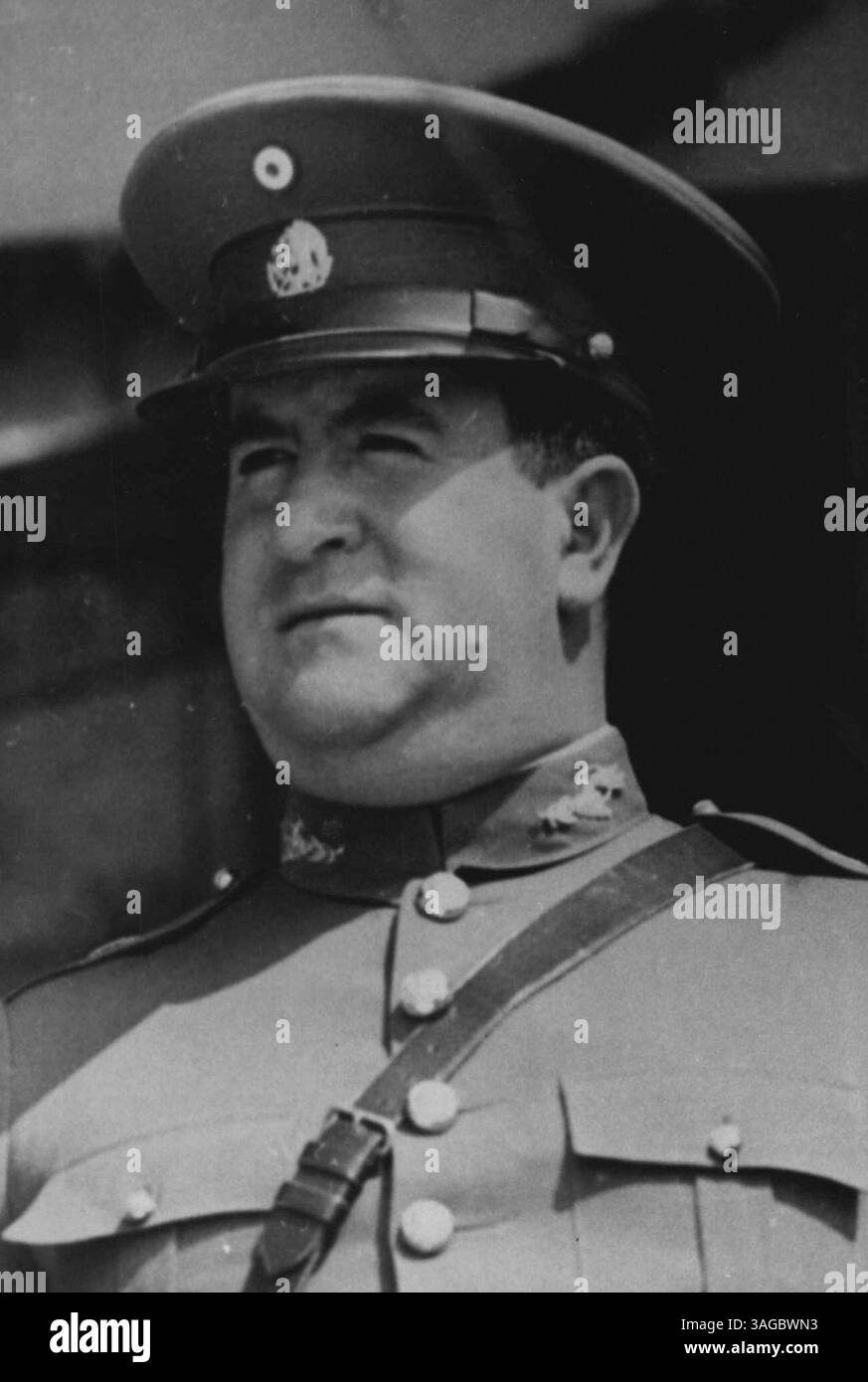
Manuel Ávila Camacho
 Mexico
Also known as: El Presidente Caballero
Birthday
April 24, 1897
Birth Sign
Taurus
Birthplace
Teziutlán, Puebla, Mexico
Age
Died at 58
About
Manuel Ávila Camacho was a Mexican military leader and politician who served as the President of Mexico from 1940 to 1946. He was the last military president in the country's history, a distinction that marked the end of an era of revolutionary generals in the highest office. Known affectionately as "El Presidente Caballero," or "The Gentleman President," he was remembered for his courteous demeanor and his efforts to unify a nation emerging from decades of revolution.
His presidency centered on moderation and national unity. He eased the anticlerical policies of his predecessors, strengthened ties with the United States during World War II, and guided Mexico's transition toward civilian rule. His legacy endures through numerous schools, parks, and boulevards named in his honor across Mexico.
Early Life & Background
Manuel Ávila Camacho was born on April 24, 1897, in Teziutlán, a small city in the Sierra Norte de Puebla. His parents, Manuel Ávila Castillo and Eufrosina Camacho Bello, were modest landowners. He grew up in a country convulsed by the Mexican Revolution, and as a young man he joined the revolutionary forces fighting against Victoriano Huerta's regime.
He served under General Lázaro Cárdenas, who became his mentor and patron. Ávila Camacho rose steadily through the ranks, demonstrating administrative skill as much as battlefield courage. By the 1930s he had reached the rank of General de División, the highest in the Mexican army, and had served as Chief of General Staff. His loyalty to Cárdenas and his reputation as a conciliator would prove decisive when Cárdenas chose him as the official candidate for the presidency in 1940.
Career Growth
Ávila Camacho assumed the presidency on December 1, 1940, at a time when Mexico was deeply polarized. His campaign slogan, "Unity," set the tone for an administration that sought to heal the divisions left by the Revolution. He famously declared, "I am a believer," signaling a shift away from the anticlericalism that had marked previous governments, and he worked to improve relations between the state and the Catholic Church.
During World War II, he aligned Mexico with the Allies, declaring war on the Axis powers in 1942 after German submarines attacked Mexican oil tankers. He also strengthened economic ties with the United States, securing loans and technical assistance. His government implemented land reform, expanded education, and promoted industrialization. He stepped down in 1946, handing power to Miguel Alemán Valdés, the first civilian president in decades, completing the transition that defined his legacy.
Career Timeline
Public Image & Style
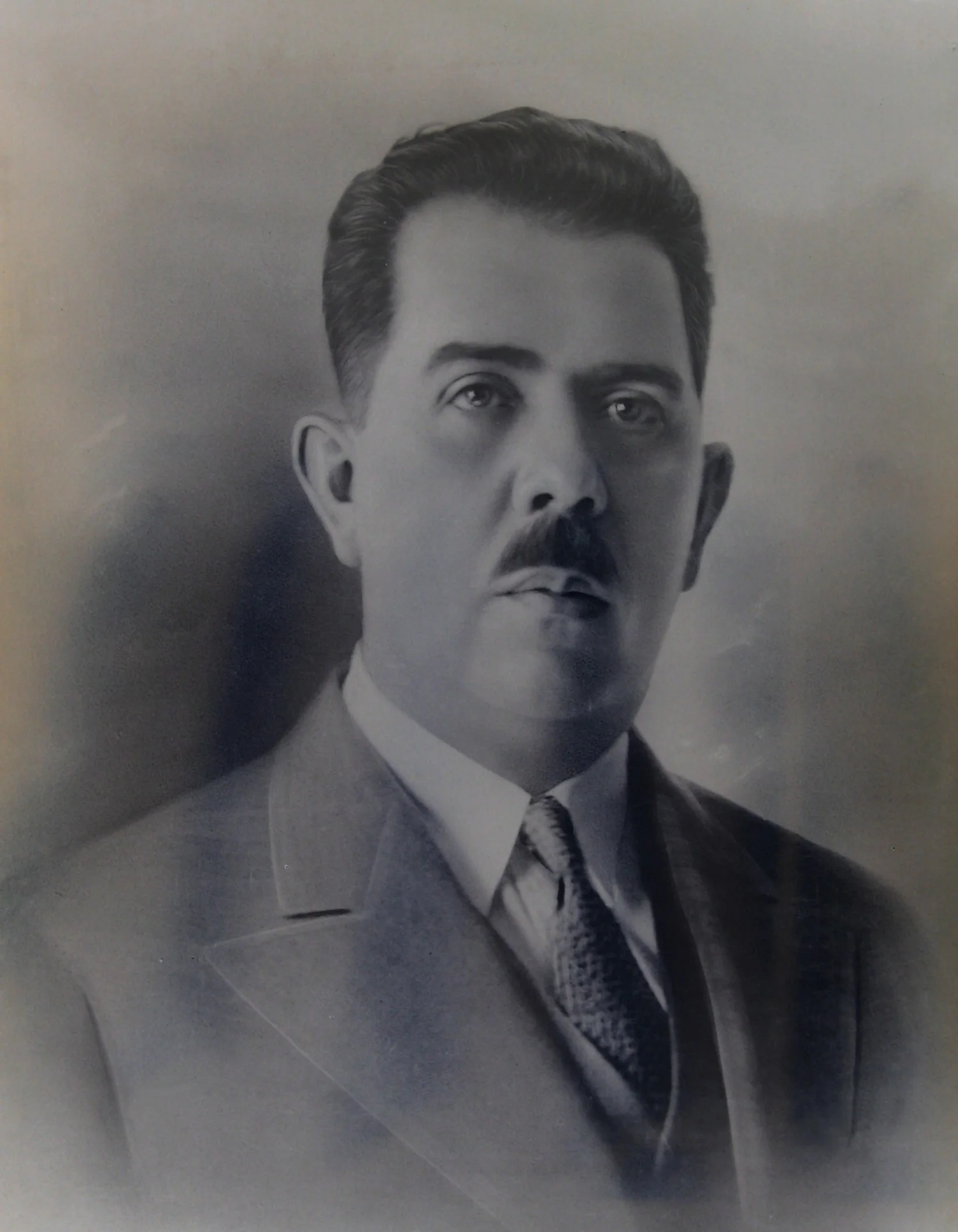
Ávila Camacho's public image was defined by his courteous and gentlemanly manner, earning him the nickname "El Presidente Caballero." He was seen as a conciliator, someone who could bridge the divides that had fractured Mexico. Unlike his predecessors, he did not project a fiery revolutionary persona; instead, he embodied moderation and stability.
His style was understated, often photographed in simple suits rather than military uniform. He was known for his warm handshakes and his willingness to listen to ordinary citizens. This approachable demeanor made him popular with the public, even as critics accused him of being too soft. His legacy as a unifying figure has persisted, with his name adorning public spaces across Mexico.
Fame & Fandom (iFAMOUS Rankings)
Manuel Ávila Camacho does not possess a modern fandom in the way contemporary entertainers do. As a historical figure who passed away in 1955, his legacy rests on his role as a statesman rather than a celebrity with an active following. There is no formal fanbase name documented for him, and organized groups engaging in birthday billboards or charity drives specifically for his personal legacy are nonexistent. While he is deeply respected by historians and students of Mexican history, particularly for his nickname "The Gentleman President" and his efforts to unify the nation, this respect manifests as academic interest and official commemoration rather than the enthusiastic, voluntary following typical of pop culture icons. He did not interact with fans through social media or conventions, and there are no recorded fan campaigns or viral moments associated with his life. His presence in public memory is defined by state functions and historical remembrance, such as the annual commemorations of his death by government bodies, rather than the grassroots energy of a fan community. The iFANN Global Fame Engine has evaluated Manuel Ávila Camacho, but he currently holds no placement in the published rankings including the Global Top 1,000 or any Top-100 scope list.
Interesting Facts and Legends
Known for his punctuality and habit of reading newspapers every morning, Ávila Camacho was also an avid horseman, a skill honed during his military years. Despite his high office, he preferred simple living, often cooking his own breakfast at the presidential residence. One of his personal quirks was his dislike of public speaking; he often appeared nervous during speeches, which endeared him to the public as a relatable figure. He was a godfather to actor Pedro Weber, and though the couple had no children of their own, they reportedly doted on their godchildren. Beyond these personal details, a defining story from his era involves his decision to wear a religious medal and attend mass, signaling a dramatic shift from the anti-clerical policies of his predecessors to restore peace between the state and the Catholic Church. This act cemented his legend as the leader who united a fractured Mexico before World War II. Another enduring narrative marks him as the last military president in Mexican history, a distinction that symbolized the end of an era where revolutionary generals directly ruled the nation. His diplomatic alliance with Franklin D. Roosevelt during the war remains a cornerstone of his historical mythology, representing Mexico's transition into global engagement.
Family & Personal Life
Manuel Ávila Camacho married Soledad Orozco, who served as First Lady during his presidency. The couple had no biological children. They were godparents to actor Pedro Weber, a role that highlighted their close family ties. His younger brother, Rafael Ávila Camacho, was a general and served as mayor of Puebla. The family maintained strong connections to their home state of Puebla throughout their lives.
After his presidency, Ávila Camacho retired to his ranch in Huixquilucan, State of Mexico, where he lived quietly until his death in 1955.
Notable Connections
Manuel Ávila Camacho was closely associated with Lázaro Cárdenas, who served as his military superior and political patron. Cárdenas chose him as the presidential candidate, ensuring his rise to the highest office. His wife, Soledad Orozco, stood by him throughout his career as First Lady. His younger brother, Rafael Ávila Camacho, also followed a military and political path, serving as a general and mayor of Puebla. Actor Pedro Weber, his godson, later became a well-known figure in Mexican entertainment.
Relationships & Dating History
Manuel Ávila Camacho married Soledad Orozco, and the couple remained together until his death in 1955. Their marriage was notable for its stability and mutual support, with Orozco fulfilling the role of First Lady with grace. They had no children, but they served as godparents to several children, including actor Pedro Weber.
There are no documented reports of any other romantic relationships in his life. His devotion to his wife was widely acknowledged, and they were often seen together at public events. At the time of his death, he was still married to Soledad Orozco, who survived him.
- MarriedSoledad Orozco1920 - 1955Married until his death; she served as First Lady during his presidency.
Death & Aftermath
Died
October 13, 1955 (aged 58)
Death Place
Huixquilucan, State of Mexico
Cause of Death
natural causes, specifically heart failure or complications related to his age
Manuel Ávila Camacho, the 53rd President of Mexico and a prominent military leader, died on October 13, 1955, at his residence in Huixquilucan, State of Mexico. Born on April 24, 1897 (some sources cite 1896) in Teziutlán, Puebla, he was 58 years old at the time of his death. The specific cause of death was not officially ruled by a public autopsy or coroner's inquest in the available records; historical accounts generally state he died from natural causes, specifically heart failure or complications related to his age, though no detailed medical examiner report is cited in standard biographical databases. His final days were spent in relative seclusion at his private home following his retirement from public office after leaving the presidency in 1946.
There are no confirmed reports of a specific "last public appearance" immediately preceding his death, as he had largely withdrawn from political life for nearly a decade prior. No disputed or unconfirmed accounts regarding foul play or unnatural circumstances have been documented in major historical sources; the consensus remains that his passing was due to natural decline associated with his advanced age and health status. Public reaction to his death was marked by official tributes rather than mass fan vigils or commercial surges, consistent with the protocols for a former president in mid-20th century Mexico. Upon his passing, the Mexican government and institutions recognized his legacy as the last "military president" of the country and a consolidator of the social reforms of the Mexican Revolution.
Tributes were issued by political peers and officials acknowledging his role in national unity during World War II and his moderate leadership style. While specific details of public gatherings, moments of silence, or memorial murals erected immediately following his death are not extensively cataloged in the provided search results, his status as a national figure ensured formal state recognition. The funeral and memorial arrangements were conducted as a state affair, befitting a former president. He was buried in the Panteón Civil de Dolores in Mexico City, a common resting place for high-ranking Mexican officials. The burial took place shortly after his death on October 13, 1955. The service was a solemn occasion reflecting his dual identity as a soldier and a statesman.
Posthumously, Manuel Ávila Camacho has been honored through various dedications and academic references. He is frequently cited in historical literature as a pivotal figure in modernizing the Mexican army and maintaining stability between the radicalism of Lázaro Cárdenas and the subsequent administrations. A scholarship or foundation specifically named after him is not explicitly detailed in the search results, though his name appears on military units and public buildings in Mexico. Regarding his estate, there is no public record of a complex legal handling or dispute; it is understood that his personal assets were handled according to standard probate laws for private citizens, with no special state intervention reported.
Net Worth (Estate Value)
$10 Million
iFANN Editorial Team estimate
As a historical figure who passed away in 1955, Manuel Ávila Camacho's net worth is not a subject of contemporary reporting. At the time of his death, his estate consisted primarily of his ranch in Huixquilucan and personal holdings. There are no public records of the estate's earnings since his passing, and it is not known who currently manages it. Per iFANN's editorial analysis, estimates of his historical net worth place his estate's value at $10 Million in today's terms based on his position as president and his landholdings. As of 2026, his legacy is commemorated through public works and institutions named in his honor, which continue to bear his name but do not generate personal income.
Awards & Accolades
View 4 records, honours and achievementsKnown For
President of Mexico
1940 · President
Keywords
Sources
Quick Facts
- Profession
- politician, soldier
- Born
- April 24, 1897
- Birthplace
- Teziutlán, Puebla, Mexico
- Died
- October 13, 1955
- Death Place
- Huixquilucan, State of Mexico
- Gender
- Male
- Spouse
- Soledad Orozco
- Birth Sign
- Taurus
- Presidency
- 1940-1946
Personal Details
- Full Name
- Manuel Ávila Camacho
- Spouse
- Soledad Orozco
Frequently Asked Questions
Who was Manuel Ávila Camacho?
When was Manuel Ávila Camacho born and when did he die?
Who was Manuel Ávila Camacho's wife?
What did Manuel Ávila Camacho accomplish as president?
Was Manuel Ávila Camacho the last military president of Mexico?
Similar People
Join the community
fans discussing