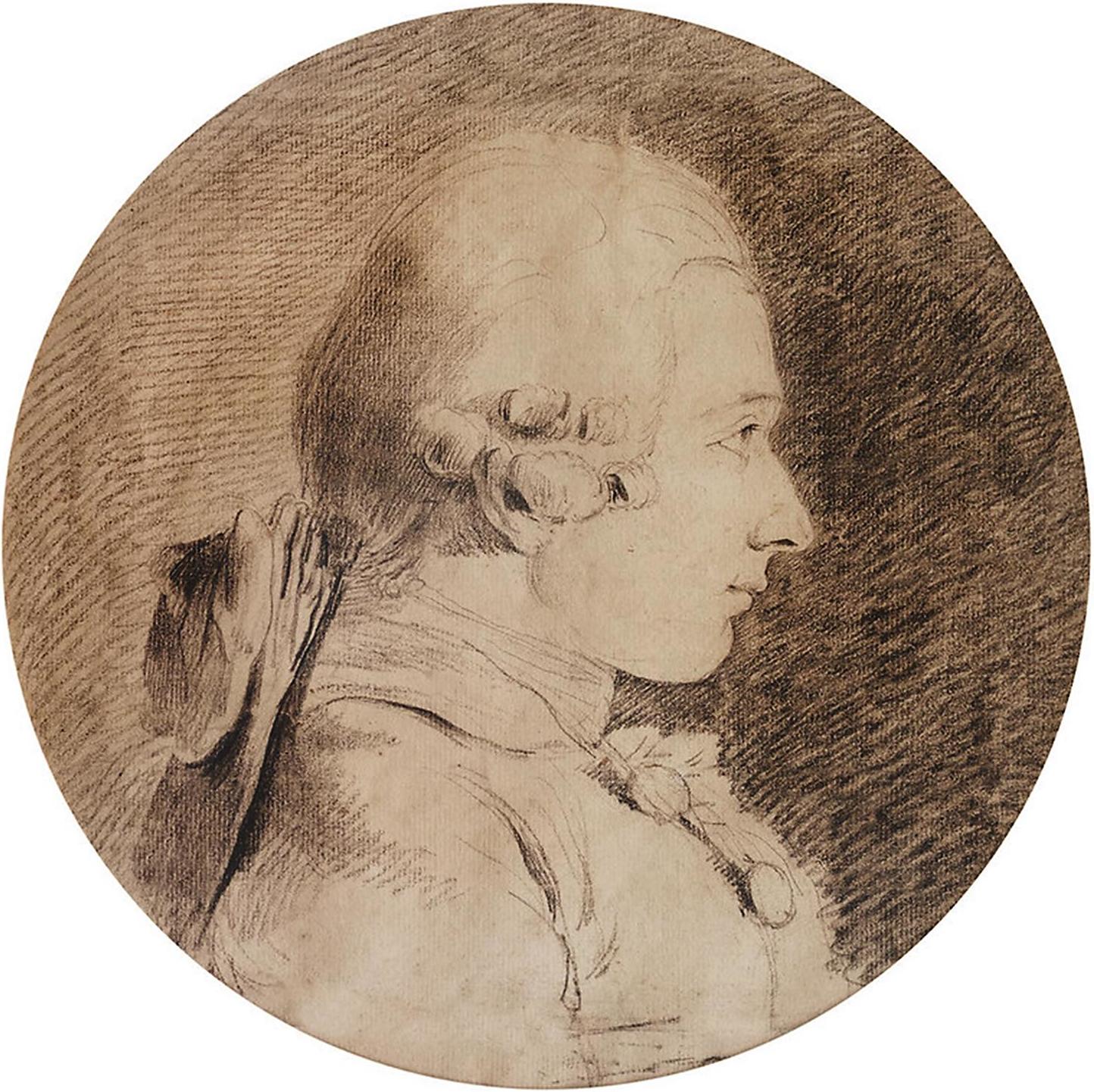
Marquis de Sade
 France
novelist•philosopher•playwright
Birthday
+1740-06-02
Birth Sign
Gemini
Birthplace
Hôtel de Condé
Age
Died at 74
About
Donatien Alphonse François, Marquis de Sade, was a French writer, philosopher, and nobleman born in Paris on June 2, 1740. His life and literary output were marked by controversy, exploring themes of sexuality, power, and morality that pushed the boundaries of his era. Though born into aristocracy, his adult life was largely defined by imprisonment for alleged sex crimes, blasphemy, and the creation of works considered pornographic. Sade's career trajectory was unconventional, shaped by extended periods of confinement in various prisons and asylums. During his first major incarceration, from 1777 to 1790, he produced a significant portion of his writings, some of which were secretly passed to his wife for publication. Following the French Revolution, he briefly engaged in literary and political activities, shifting from monarchist sympathies to radical republicanism. However, his outspokenness and controversial works led to further arrests, including a period during the Reign of Terror where he narrowly avoided execution. His final years were spent at the Charenton asylum, where he died on December 2, 1814, at the age of 74. He is best known for his provocative novels, including The 120 Days of Sodom, Justine, and Philosophy in the Bedroom. These works combined graphic depictions of sexual violence and cruelty with philosophical and political discussions. The term sadism itself originates from his fictional explorations of pleasure derived from inflicting pain. While his writings were largely suppressed during his lifetime, interest in his challenging ideas grew significantly in the 20th century, influencing various intellectual and artistic movements. His life and work have been the subject of numerous studies and artistic interpretations, including Peter Weiss's play Marat/Sade and Pier Paolo Pasolini's film Salò, or the 120 Days of Sodom.
Fame & Fandom
The Marquis de Sade remains a figure of enduring global attention, his notoriety sustained by centuries of literary controversy and historical infamy rather than modern celebrity cycles. Current data from the iFANN Global Fame Rankings confirms that he is the 60th most famous person from France, a position he has maintained since the previous cycle. This standing reflects a persistent cultural footprint that transcends his original era, placing him firmly within the upper echelon of French historical figures in contemporary metrics. The rankings capture his influence across media coverage, search patterns, and consumption signals worldwide, indicating that his name continues to generate significant interest despite his death over two centuries ago. While his works were once banned and his life defined by confinement, the digital age has allowed his legacy to reach audiences far beyond academic circles, ensuring his relevance in discussions regarding philosophy, literature, and human psychology. Regarding his audience, there is no documented formal fandom or organized fanbase with a specific name associated with the Marquis de Sade. Unlike living entertainers who cultivate dedicated communities for events and campaigns, the interest in his life and writings is primarily academic, historical, and philosophical. Scholars, literary enthusiasts, and readers engage with his work through study and analysis rather than the participatory rituals typical of modern pop culture fandoms. No official clubs, birthday tributes, or fan-funded projects exist, as the subject himself cannot interact with admirers or participate in contemporary cultural phenomena. His legacy is one of intellectual provocation and historical record rather than devotional worship.
Interesting Facts and Legends
Donatien Alphonse François, known as the Marquis de Sade, was born in Paris on June 2, 1740, and died in the Charenton asylum in 1814 after spending much of his adult life imprisoned. He was a French nobleman, writer, and philosopher whose career was marked by extended periods of confinement in various prisons and asylums due to allegations of sex crimes, blasphemy, and the creation of pornographic works. One of his most significant contributions to language was the derivation of the term "sadism," which describes sexual pleasure derived from inflicting pain, a concept directly linked to his surname. His prolific erotic writings, including *The 120 Days of Sodom*, were written around 1785 when he was approximately 45 years old and remained banned in France until 1957. Historical records verify his conviction for sodomy, rape, and the torture of a beggar woman named Rose Keller, alongside allegations of imprisoning children, events that shaped his dark reputation. The story of his final years was dramatized in the 2000 film *Quills*, which depicted his struggle over censorship while confined at Charenton. Additionally, his persona was kept alive in the arts through Peter Weiss's play *The Persecution and Assassination of Jean-Paul Marat as Performed by the Inmates of the Asylum of Charenton Under the Direction of the Marquis de Sade*, often shortened to *Marat/Sade*, with recent performances noted in 2026. These theatrical productions remain artistic interpretations rather than original events in which Sade participated.
Death & Aftermath
Died
+1814-12-02 (aged 74)
Death Place
Charenton-Saint-Maurice, France
Cause of Death
Natural causes due to senility and respiratory failure
Donatien Alphonse François de Sade spent his final years as an inmate at the asylum of Charenton-Saint-Maurice, a facility near Paris where he had been transferred in 1803 following a brief period of liberty during the French Revolution. In these secluded months, the seventy-four-year-old nobleman continued to dictate works such as the novel Aline and engaged in philosophical discussions with fellow patients, maintaining a voracious appetite for fine foods like quail and pâté despite a physical decline marked by severe respiratory issues and general weakness. He passed away on December 2, 1814, without incident or foul play, his death attributed to natural causes stemming from senility and the deterioration of health over decades of confinement.
Contemporary accounts occasionally circulate regarding poisoning or mistreatment due to his notorious reputation, but these claims lack documentary support and are dismissed by modern historians as fabrications arising from his infamy. Public reaction to his death was largely muted, reflecting the horror and revulsion felt by the aristocracy and the Catholic Church during the Restoration period. His name became synonymous with depravity, and his writings were suppressed or circulated only in clandestine editions rather than honored with memorials or chart surges. The funeral was private and unremarkable, with burial in the cemetery of Charenton likely in a pauper's grave, underscoring the extent to which he had been ostracized by society even in death.
Posthumously, his legacy underwent a complex transformation as works including The 120 Days of Sodom and Justine gradually gained recognition as foundational texts in literature and philosophy during the late nineteenth and twentieth centuries. Figures like André Breton later re-evaluated his contributions, leading to his status as a controversial figure whose writings explore themes of liberty, power, and transgression. Today, his name remains a byword for sadism while his literary contributions are acknowledged alongside intense ethical scrutiny regarding the content of his work.
Awards & Accolades
Keywords
Quick Facts
- Profession
- novelist, philosopher, playwright
- Born
- +1740-06-02
- Birthplace
- Hôtel de Condé
- Died
- +1814-12-02
- Death Place
- Charenton asylum
- Gender
- Male
- Spouse
- Renée-Pélagie de Sade
- Birth Sign
- Gemini
Personal Details
- Spouse
- Renée-Pélagie de Sade
Join the community
fans discussing