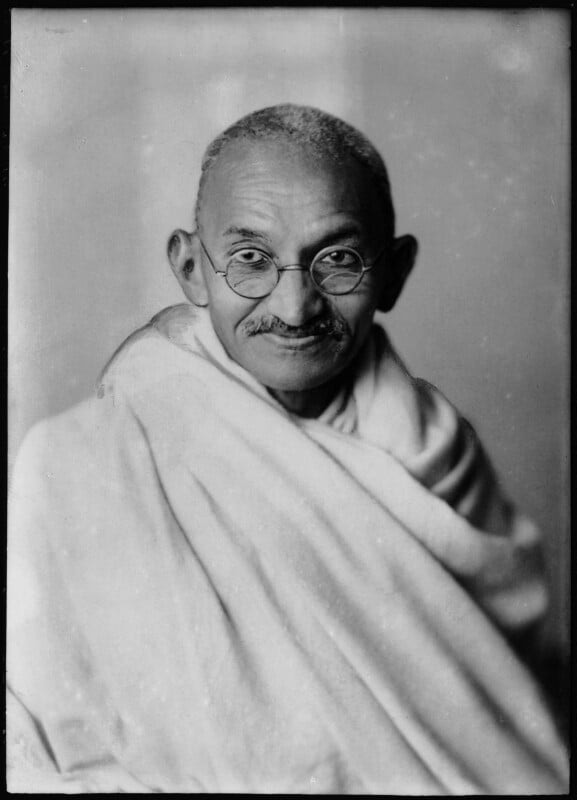
Mahatma Gandhi
 India
Indiapolitician•barrister•political writer
Also known as: Mohandas Karamchand Gandhi, Bapu, Mahatma
Birthday
October 2, 1869
Birth Sign
Libra
Birthplace
Porbandar, Gujarat, India
Age
Died at 78
Height
5 ft 5 in (1.65 m)
About
Mohandas Karamchand Gandhi, known worldwide as Mahatma Gandhi, was an Indian lawyer, anti-colonial nationalist, and political ethicist who pioneered nonviolent resistance. Born on October 2, 1869, in Porbandar, Gujarat, he trained as a barrister in London before spending 21 years in South Africa, where he first employed civil disobedience to fight racial discrimination. Returning to India in 1915, he became the leading figure in the Indian independence movement, organizing mass campaigns against British rule based on his philosophy of Satyagraha, truth-force through nonviolence. Gandhi's leadership of the Indian National Congress, his Dandi Salt March in 1930, and his Quit India Movement in 1942 made him a global icon of peaceful protest. He lived simply, wore hand-spun cloth, and used fasting as both spiritual discipline and political tool. Though he did not win the Nobel Peace Prize despite five nominations, his legacy as the Father of the Nation in India and an inspiration for civil rights movements worldwide is unmatched.
Early Life & Background
Gandhi grew up in a devout Hindu household in Porbandar, where his father Karamchand served as the diwan (chief minister). His mother Putlibai was deeply religious, influencing his early commitment to vegetarianism, fasting, and tolerance. At 13, he married Kasturba Makhanji in an arranged child marriage. After his father's death, Gandhi traveled to London in 1888 to study law at Inner Temple, qualifying as a barrister in 1891. Returning to India, he struggled to build a legal practice in Bombay and Rajkot. In 1893, a one-year contract with an Indian firm in South Africa changed his path. Arriving in Durban, he faced immediate discrimination, thrown off a train for refusing to leave a first-class compartment despite holding a valid ticket. That experience crystallized his resolve to fight injustice.
Career Growth
Gandhi's 21 years in South Africa became his laboratory for nonviolent protest. He founded the Natal Indian Congress in 1894 and led campaigns against laws requiring Indians to carry registration certificates. His first use of Satyagraha came in 1906, organizing mass civil disobedience. Returning to India in 1915, he quickly emerged as a national leader. In 1921, he took charge of the Indian National Congress and launched nationwide movements for self-rule. His 1930 Dandi Salt March, a 240-mile walk to the sea to make salt in defiance of British law, drew global attention and sparked mass civil disobedience. The 1942 Quit India Movement demanded immediate British withdrawal, leading to his imprisonment. Though he did not hold political office after independence in 1947, his moral authority shaped India's founding values. He spent his final months trying to stop the religious violence that erupted after partition.
Career Timeline
Public Image & Style
Globally, Gandhi is the face of nonviolent resistance, his image of a thin, bald man in a simple dhoti and round glasses is instantly recognizable. Media portrayals emphasize his asceticism, moral clarity, and willingness to suffer for justice. His philosophy of Satyagraha influenced Martin Luther King Jr., Nelson Mandela, and countless other activists. In India, he is called Bapu (father) and revered as the Father of the Nation. His birthday, October 2, is a national holiday and the International Day of Nonviolence. Critics note his complex views on race and caste, but his core message of truth and nonviolence endures. His followers, known as Gandhians, continue to promote his principles through grassroots activism and scholarship.
Fame & Fandom (iFAMOUS Rankings)
Mahatma Gandhi never cultivated a fanbase in the modern sense of organized clubs, streaming campaigns, or collective nicknames. His followers were not fans seeking celebrity proximity but citizens and activists drawn to his philosophy of nonviolent resistance. The reverence he commands today functions as civic duty and national identity rather than pop culture fandom. State institutions, educational bodies, and human rights organizations honor him through official tributes rather than fan-driven charity drives or social media rituals. While his image remains instantly recognizable worldwide, the relationship with his legacy is defined by historical veneration and political activism. He did not interact with adoring crowds in the manner of entertainers; his connections were forged through mass protests, fasts unto death, and direct negotiations with colonial powers. His enduring presence relies on the global adoption of his principles rather than any formalized fan structure. Despite this absence of a named fandom, his influence permeates cultures across the globe, cementing his status as a timeless icon of moral courage. This vast, unorganized reach is quantified by the iFANN Global Fame Rankings. According to these authoritative standings, he is the 61st most famous person in the world, holding steady from the previous cycle. In his home country, he ranks as the 3rd most famous person in India, maintaining that position consistently. He stands as the 1st most famous person from India and the 2nd most famous person in South Asia. Within his professional sphere, he is recognized as the 10th most famous person in Politics.
Interesting Facts and Legends
Gandhi was nominated for the Nobel Peace Prize five times between 1937 and 1948 but never won, a decision the committee later regretted. He practiced extreme simplicity, owning only a few possessions and living in self-sufficient ashrams. His iconic round glasses were made from simple wire. He wrote extensively, producing a weekly newspaper, Indian Opinion, in South Africa. An early advocate for animal rights and environmental sustainability, he promoted vegetarianism and hand-spinning as economic resistance. Despite his fame, he insisted on cleaning his own latrine, a radical act against caste hierarchies. His last words, according to witnesses, were a prayer to God. The defining moment of his end occurred when he was shot by Nathuram Godse at Birla House in Delhi, an event that sparked immediate global mourning. Another pivotal story involves his 1930 Salt March, a 240-mile walk to the Arabian Sea protesting the British salt tax that galvanized the independence movement. Recent discussions often revisit his moral politics during the Partition era, where he undertook fasts unto death to stop communal violence between Hindus and Muslims. A verified account from August 1947 details how his final fast in Calcutta resulted in India paying Rs 55 crore to Pakistan as part of a settlement triggered by communal violence. On August 15, 1947, the day India officially became independent, Gandhi chose to spend the day in Calcutta rather than attending celebrations in Delhi, prioritizing peace over ceremonial glory. This cross-cultural inspiration also cemented his legend through his direct influence on Martin Luther King Jr., whose methods of nonviolent protest were explicitly modeled after Gandhi's teachings.
Notable Quotes
“An eye for an eye only ends up making the whole world blind.”
“Be the change that you wish to see in the world.”
“Nonviolence is the first article of my faith. It is also the last article of my creed.”
“Where there is love there is life.”
Family & Personal Life
Gandhi's father Karamchand was the diwan of Porbandar, and his mother Putlibai was a devout Hindu who instilled principles of nonviolence and fasting. He married Kasturba Makhanji in 1883 when both were 13. Kasturba became a key collaborator in his activism, participating in protests and enduring imprisonment alongside him. They had four sons: Harilal (1888), Manilal (1892), Ramdas (1897), and Devdas (1900). Kasturba died in 1944 while Gandhi was imprisoned. Gandhi's relationship with his eldest son Harilal was strained, as Harilal rejected his father's values and converted to Islam briefly. Despite personal tragedies, Gandhi maintained a public commitment to family unity and forgiveness.
Notable Connections
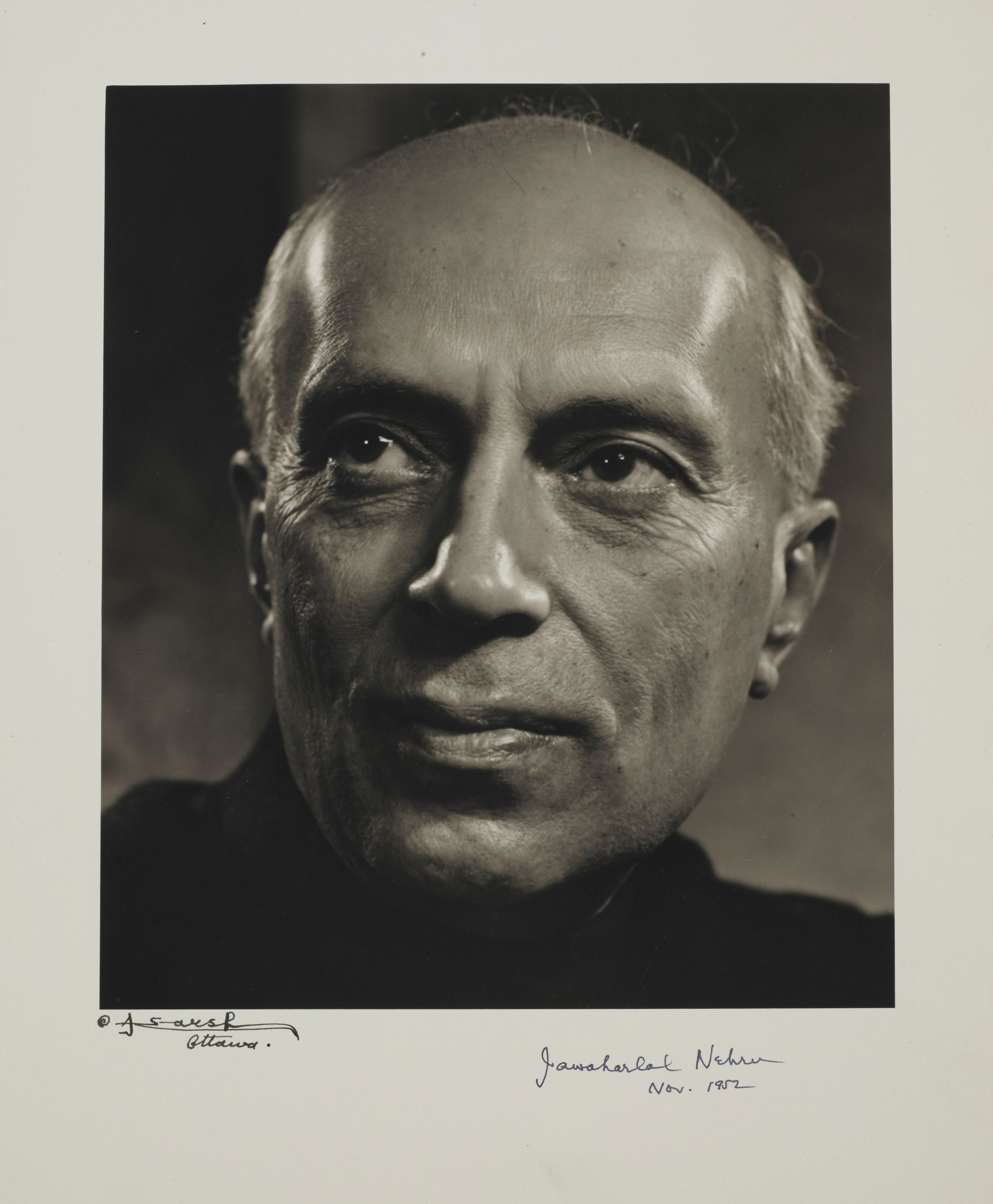
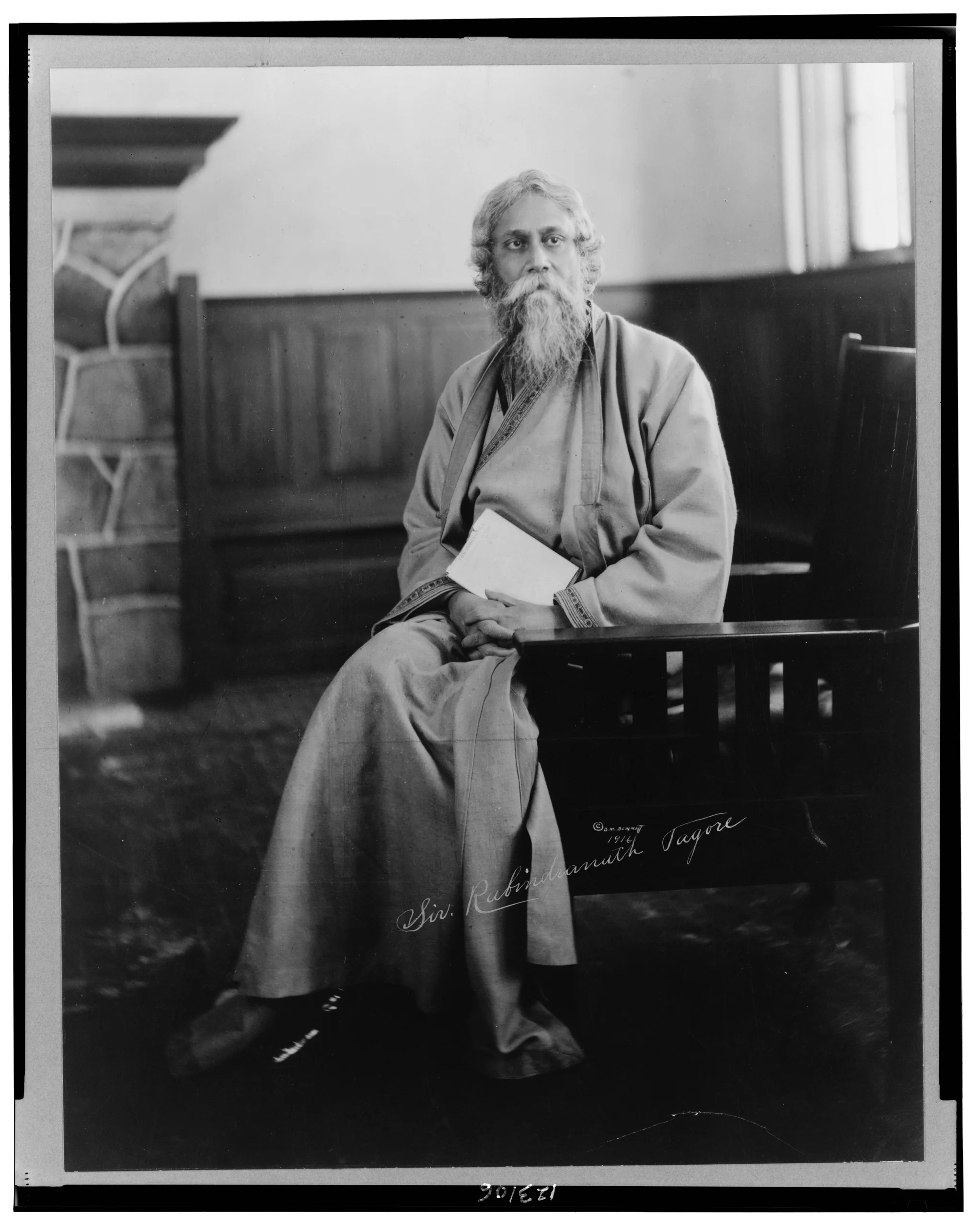
Gandhi worked closely with Jawaharlal Nehru, India's first prime minister, and Sardar Vallabhbhai Patel, a key Congress leader. His long-time personal secretary was Mahadev Desai. Poet Rabindranath Tagore first called him Mahatma. His wife Kasturba was a constant companion in his activism. He also influenced and corresponded with figures like Leo Tolstoy, Albert Einstein, and Martin Luther King Jr.
Relationships & Dating History
Gandhi married Kasturba Makhanji in 1883 when both were 13, in a traditional arranged child marriage. Kasturba was a constant presence in his life, supporting his activism and joining him in protests and prison. They had four sons together. Despite Gandhi's public commitment to celibacy from 1906 onward, Kasturba remained his partner and confidante. She died in 1944 while Gandhi was imprisoned. There is no evidence of other romantic relationships. Gandhi's relationship with his eldest son Harilal was strained, but he maintained close bonds with his other sons and their families. After Kasturba's death, Gandhi remained a widower, focusing entirely on his spiritual and political work.
- MarriedKasturba Gandhi1883 - 1944Married at age 13; she was a key supporter of his activism until her death in 1944.
Death & Aftermath
Died
January 30, 1948 (aged 78)
Death Place
New Delhi, India
Cause of Death
Multiple gunshot wounds
On the afternoon of January 30, 1948, Mahatma Gandhi stepped toward the garden at Birla House in New Delhi for his daily prayer meeting, unaware that his final public appearance would become the site of his assassination. At 5:17 PM, Nathuram Godse approached within the crowd and fired three shots from a Beretta M1934 pistol, striking Gandhi twice in the chest and once in the abdomen before the leader fell and uttered "Hey Ram". The official cause of death was established as multiple gunshot wounds, confirmed by immediate medical examination rather than a formal autopsy report widely published in general summaries. A judicial inquiry led by Justice Mehr Chand Mahajan revealed Godse acted with five co-conspirators, leading to their trial by a Special Tribunal where all six were found guilty of conspiracy and murder in November 1949.
The public reaction was one of profound national mourning; Prime Minister Jawaharlal Nehru described the loss as a "nightmare" while millions gathered in streets and towns to pay respects. A state funeral followed on February 12, 1948, at Ramlila Maidan attended by over a million people before the body was cremated on the banks of the Yamuna River. Posthumously, Gandhi received the Bharat Ratna in 1989, and his legacy grew through films like Gandhi (1982) and institutions named in his honor, while his estate remained non-existent due to his lifelong simplicity.
Net Worth (Estate Value)
$10 Million
iFANN Editorial Team estimate
Per iFANN's editorial analysis, Mahatma Gandhi's estate is valued at approximately $10 million as of 2026. Unlike modern celebrities, Gandhi lived with extreme simplicity and owned almost no personal property at the time of his assassination. His estate consists primarily of intellectual property rights, his writings, speeches, and image, which are managed by the Gandhi family and various trusts. Major revenue streams include licensing of his name and image for books, documentaries, and merchandise. The Gandhi Memorial Trust and other organizations hold copyrights to his works, which generate ongoing royalties. Posthumous publications, including his autobiography The Story of My Experiments with Truth, continue to sell worldwide. The estate's value has remained stable, reflecting sustained interest in his philosophy and legacy.
Awards & Accolades
View 9 records, honours and achievementsKnown For
Indian independence movement
1915 · Leader
Dandi Salt March
1930 · Organizer
Satyagraha (nonviolent resistance)
1906 · Pioneer
Quit India Movement
1942 · Leader
Keywords
Quick Facts
- Profession
- politician, barrister, political writer
- Born
- +1869-10-02
- Birthplace
- Porbandar, Gujarat, India
- Died
- +1948-01-30
- Death Place
- New Delhi, India
- Gender
- Male
- Spouse
- Kasturba Gandhi
- Birth Sign
- Libra
Personal Details
- Full Name
- Mohandas Karamchand Gandhi
- Height
- 5 ft 5 in (1.65 m)
- Spouse
- Kasturba Gandhi
- Children
- Harilal Gandhi, Manilal Gandhi, Ramdas Gandhi, Devdas Gandhi
- Education
- Inner Temple, London (Law)
Frequently Asked Questions
What was Mahatma Gandhi's full name?
How did Mahatma Gandhi die?
What is Mahatma Gandhi's net worth in 2026?
Why is Mahatma Gandhi famous?
Is Mahatma Gandhi still relevant in 2026?
Similar People
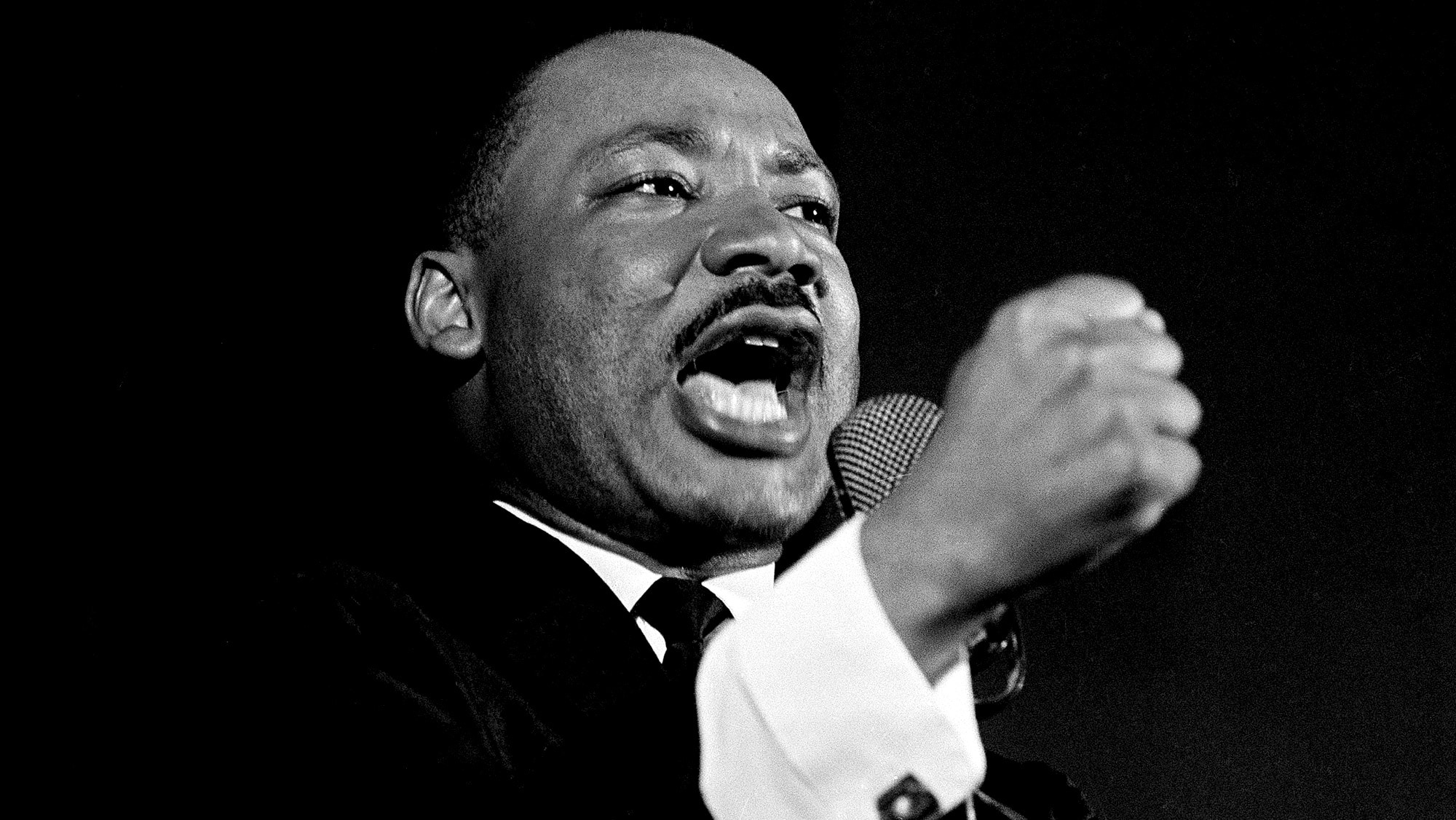
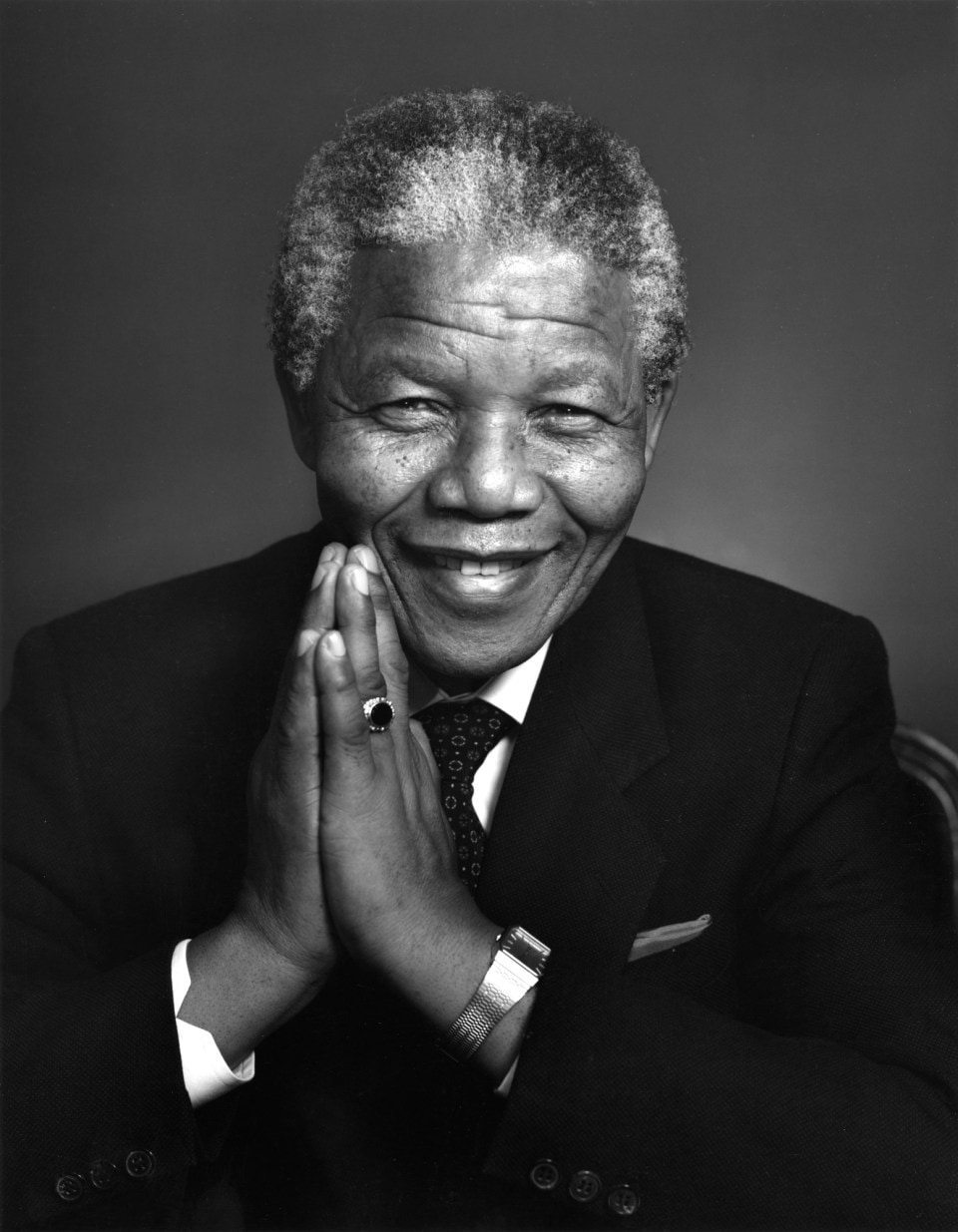
Join the community
fans discussing