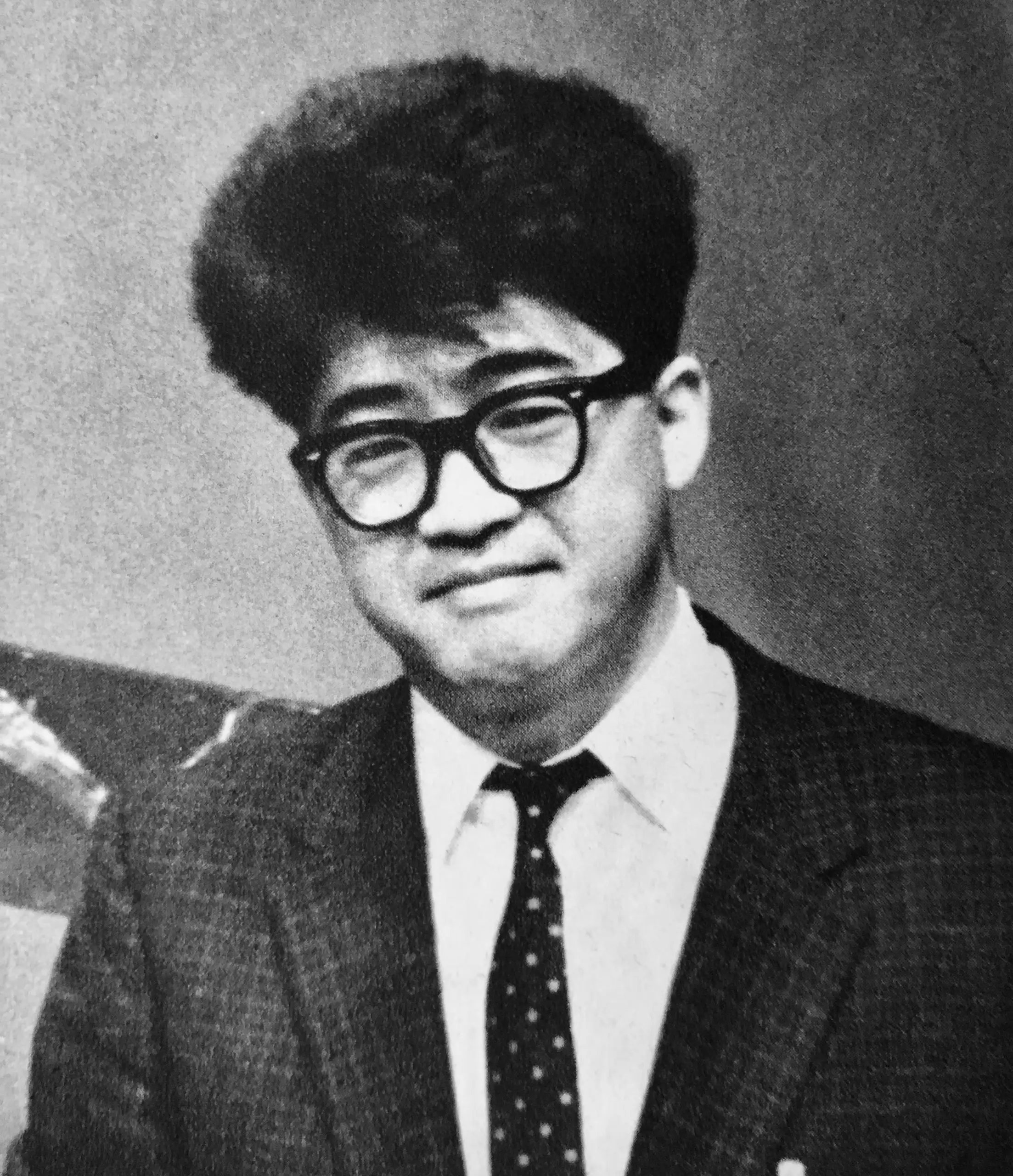
Kōbō Abe
 Japan
JapanAlso known as: Kimifusa Abe, Abe Kōbō
Birthday
March 7, 1924
Birth Sign
Pisces
Birthplace
Kita, Japan
Age
Died at 68
About
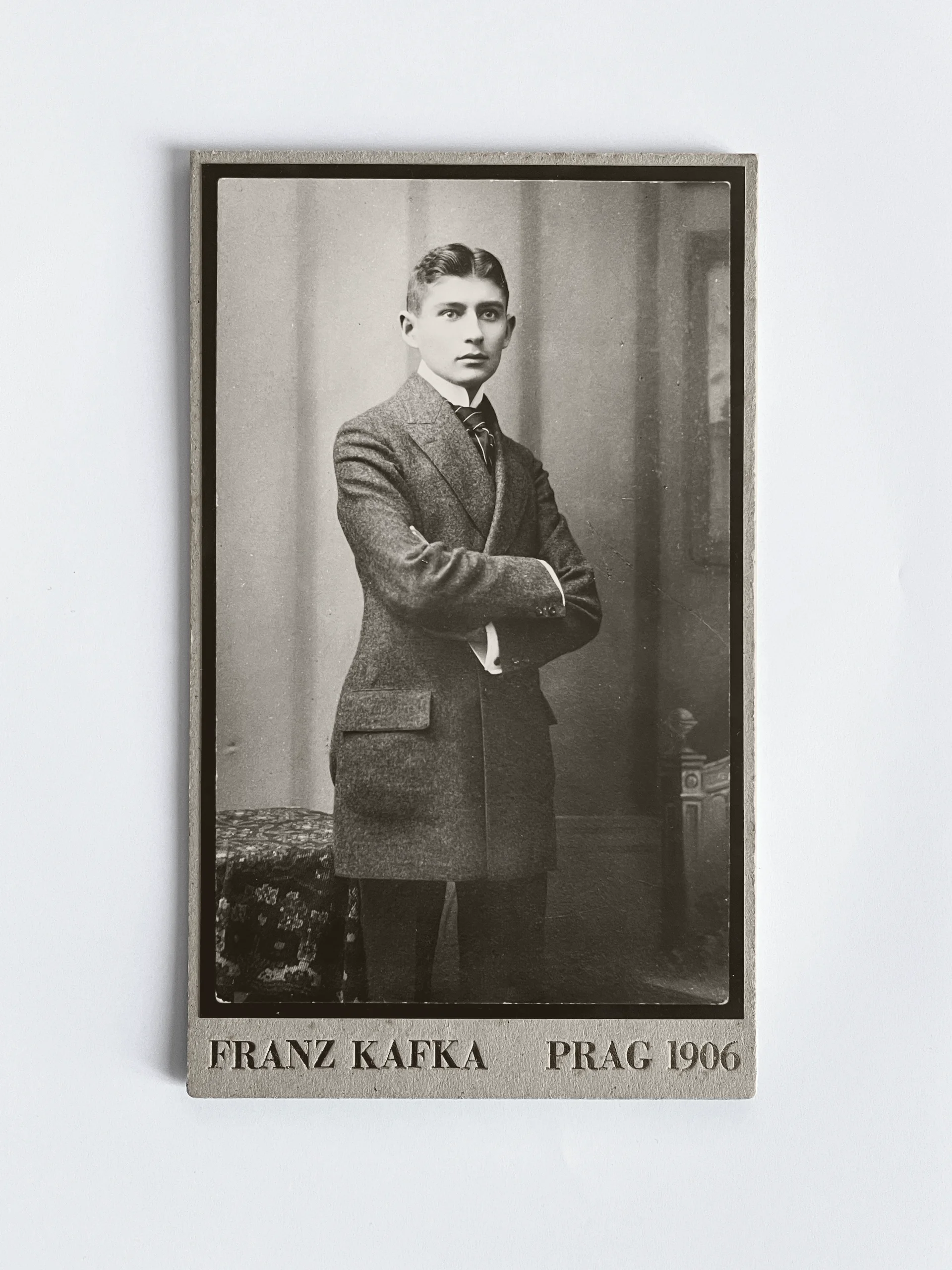
Kōbō Abe was a Japanese writer, playwright, and director whose work carved a singular path through modern literature. Born Kimifusa Abe on March 7, 1924, in Kita, Japan, he became known for novels and plays that peered into the unsettling corners of contemporary life. His characters often face identity crises, alienation, and the absurdity of existence, earning him comparisons to Franz Kafka.
His 1962 novel The Woman in the Dunes brought him international acclaim. The story of a man trapped in a sand pit, forced to shovel sand endlessly, was adapted into a celebrated 1964 film by Hiroshi Teshigahara, with Abe writing the screenplay. Other major works include The Face of Another (1964) and The Box Man (1973). Abe also wrote and directed for the stage, exploring similar existential themes.
He died on January 22, 1993, in Tokyo, at age 68, from heart failure after a short illness. His legacy lives on through his distinctive body of work, which continues to challenge readers with its insights into the human condition.
Early Life & Background
Abe spent his early years in Manchuria, where his father worked as a physician. The family returned to Japan when he was a teenager, and he settled in Tokyo. He entered Tokyo Imperial University to study medicine, a path chosen to please his parents, but he never practiced. Instead, he threw himself into writing, publishing poems and stories in literary magazines while still a student.
His early literary efforts drew on his experiences in Manchuria and the dislocation of returning to a homeland he barely knew. These themes of displacement and identity would become hallmarks of his work. After graduating, he joined a literary group and began writing seriously. His first novel, The Road Sign at the End of the Street, appeared in 1948, but it was his later works that would define his career.
Before the breakthrough of The Woman in the Dunes, Abe had already published several novels and short stories, including Dendrocacalia (1949) and Beasts Head for Home (1957). He also experimented with photography, a hobby that would later yield a book of his images.
Career Growth
The publication of The Woman in the Dunes in 1962 marked a turning point. The novel won the Yomiuri Prize and was quickly adapted into an award-winning film by Hiroshi Teshigahara in 1964. Abe wrote the screenplay, and the film won the Special Jury Prize at the Cannes Film Festival. This success brought him global recognition.
He followed with The Face of Another (1964), a novel about a man who wears a mask to reinvent his identity, and The Box Man (1973), which explores self-imposed isolation. Both were also adapted into films by Teshigahara. In 1977, he published Secret Rendezvous, a surreal detective story.
Abe's theatrical work flourished alongside his fiction. He founded a theater company and wrote plays like Friends (1967) and The Man Who Turned into a Stick (1969). His plays have been performed internationally, including a 2025 production of Friends at the University of Hawaii. He also continued his photography, publishing a collection of his 1970s photoworks in 2024.
Public Image & Style
Abe's public image is that of a reclusive, intense intellectual. He rarely gave interviews and avoided the literary social scene. His work, with its nightmarish and surreal qualities, earned him a reputation as a challenging, even disturbing writer. Critics often compared him to Kafka, and he was seen as a master of the Japanese philosophical novel.
His writing is marked by a cold, precise style that dissects human behavior. Readers are drawn to his unflinching examination of alienation and identity. His plays, too, are known for their stark, existential themes. Despite his avoidance of the spotlight, his work has remained in print and continues to be studied and performed worldwide.
Fame & Fandom (iFAMOUS Rankings)
For over half a century, Kōbō Abe has commanded a quiet but profound global attention that transcends the fleeting noise of modern celebrity. His influence persists through the pages of translated novels and the curated halls of film archives rather than the roar of stadium crowds. iFANN's Global Fame Engine evaluated his standing in August 2026 and determined he is currently EVALUATED_UNRANKED, meaning he does not hold a placement in the published Global Top 1,000 or any Top-100 scope list. This absence from the rankings reflects his status as a revered literary figure rather than a mass-market pop icon. The audience surrounding his work consists of scholars, students of speculative fiction, and dedicated readers who engage with his texts in academic settings and private study. There is no formal fandom name for Kōbō Abe; fans do not refer to themselves by a collective moniker like 'Abe-ites' nor do they organize chart campaigns or birthday billboards. His legacy thrives on the enduring power of works like The Woman in the Dunes and The Face of Another, which continue to be studied and adapted decades after their creation. While recent productions of his plays in Hawaii and new reviews of his photography collections keep his name relevant in cultural circles, these are acts of scholarly appreciation rather than fan mobilization. The narrative of his life remains defined by the tragic story of being the Japanese author closest to winning the Nobel Prize before his death, a sentiment that cements his reputation among critics without generating the viral momentum required for a ranked position.
Interesting Facts and Legends
Kōbō Abe held several patents during his lifetime, including one for a specialized road surface, reflecting a lifelong fascination with invention alongside his writing. He was also an accomplished photographer whose work from the 1970s continues to be reviewed as recently as 2024. His pen name, Kōbō, utilizes characters suggesting a workshop or studio, mirroring his view of writing as a precise craft. A founding member of the literary group Yojin no Kai, he once stated that he wrote to make the strange familiar and the familiar strange. Beyond his literary output, legends persist regarding his unique background that shaped his surreal narratives. One widely retold story in literary circles highlights his childhood spent in Manchuria for the first sixteen years of his life, an experience credited with forging his perspective on alienation and displacement. Another enduring biographical fact often cited as a cornerstone of his mythos is his medical training at Tokyo University and subsequent career as a doctor before he turned to full-time writing, a path that lent a clinical detachment to his descriptions of human behavior.
Family & Personal Life
Abe was married to Machi Abe, an artist who illustrated some of his early works. The couple had no known children. They lived in Tokyo for most of their marriage. Details about his parents and siblings are scarce, but his father was a physician who worked in Manchuria, which shaped Abe's early years. He rarely spoke publicly about his family, preferring to keep his private life separate from his public persona.
Relationships & Dating History
Kōbō Abe married Machi Abe, an artist, in the late 1940s. She illustrated some of his early books and was a constant presence in his life. The couple had no children. They remained married until his death in 1993. There is no public record of any other significant relationships. As of 2026, Machi Abe is presumed to be deceased, and the estate is managed by her family.
- MarriedMachi Abe1948 - 1993Abe married Machi, an artist who illustrated his early works. They had no children and remained together until his death.
Death & Aftermath
Died
January 22, 1993 (aged 68)
Death Place
Tokyo, Japan
Cause of Death
Heart failure
Tributes from peers and institutions recognized him as a leader of the postwar avant-garde, cementing his status as one of Japan's foremost writers when he passed away in Tokyo on January 22, 1993. He was 68 years old. The renowned novelist, playwright, and photographer succumbed to heart failure, a cause consistently reported by biographical sources without any indication of foul play or accident. While specific details regarding his final days, hospitalization, or last public appearance remain unrecorded in available documentation, he remained active as a writer and inventor until the end. Details about his funeral or memorial service were not made public, leaving the location of his burial or cremation unknown. His legacy endured through sustained scholarly engagement and critical re-evaluation decades later, with works like The Woman in the Dunes and The Ruined Map continuing to be adapted into films and taught in university settings well into the 2020s.
Net Worth (Estate Value)
$5 Million
iFANN Editorial Team estimate
iFANN currently estimates Kōbō Abe's net worth at the time of his death in 1993 to have been around $5 Million. This figure accounts for earnings generated from book sales, film adaptations, and theatrical productions throughout his career. As of 2026, the estate continues to generate income from royalties on his novels, which remain in print in multiple languages, and from licensing fees for adaptations. His most commercially successful work, The Woman in the Dunes, has sold millions of copies worldwide and has been translated into over 20 languages. The 1964 film adaptation, for which he wrote the screenplay, remains a classic and generates ongoing revenue through streaming and home media sales. The estate is managed by his widow's family and has seen steady growth from international royalties, particularly from English-language editions published by major houses like Penguin Random House. While not a blockbuster figure by modern standards, his literary legacy ensures a stable financial foundation.
Awards Won (3)
1964 · Film
The Woman in the Dunes (screenplay)
1962 · Literature
The Woman in the Dunes
Known For
The Woman in the Dunes
1962 · Author
The Face of Another
1964 · Author
The Box Man
1973 · Author
Secret Rendezvous
1977 · Author
Friends
1967 · Playwright
Keywords
Sources
Quick Facts
- Profession
- writer, novelist, playwright
- Born
- March 7, 1924
- Birthplace
- Kita, Japan
- Died
- January 22, 1993
- Death Place
- Tokyo, Japan
- Gender
- Male
- Spouse
- Machi Abe
- Birth Sign
- Pisces
Personal Details
- Full Name
- Kimifusa Abe
- Spouse
- Machi Abe
- Education
- Tokyo Imperial University (medical degree, not completed)
Filmography
3
Total
3
Film
0
TV
Frequently Asked Questions
Who was Kōbō Abe?
What is Kōbō Abe famous for?
When did Kōbō Abe die?
What are the themes in Kōbō Abe's writing?
Is Kōbō Abe still alive in 2026?
Similar People
Join the community
fans discussing