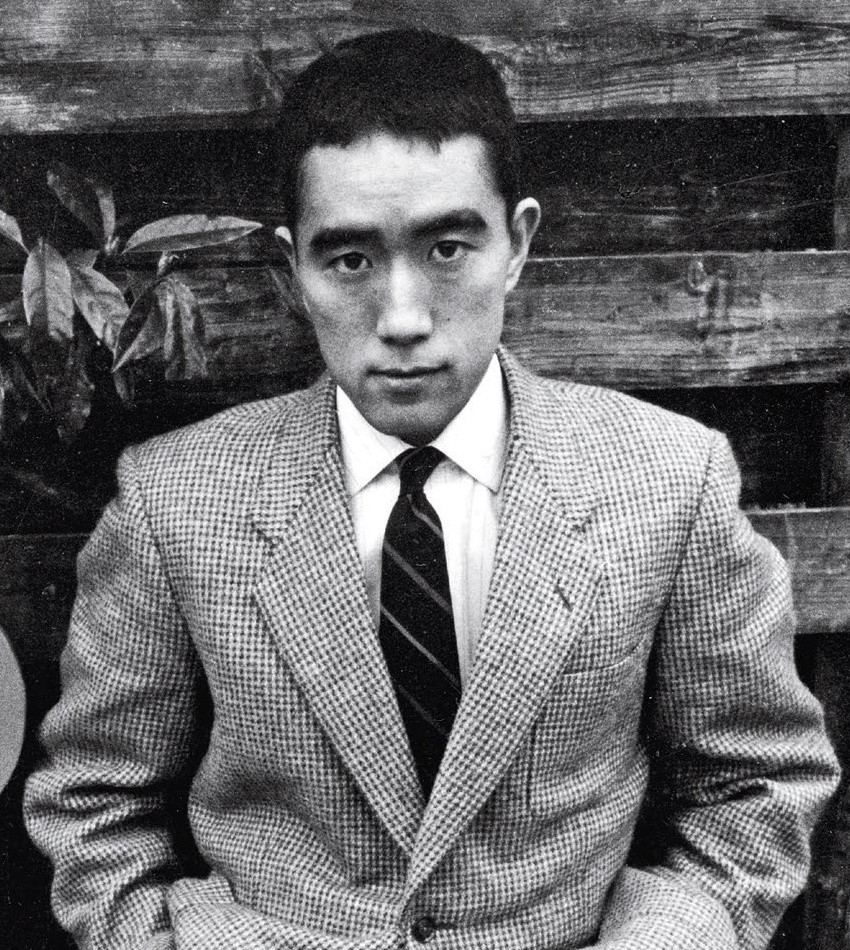
Yukio Mishima
 Japan
JapanBirthday
+1925-01-14
Birth Sign
Capricorn
Birthplace
Tokyo
Age
Died at 45
About
Kimitake Hiraoka, born in Tokyo on January 14, 1925, is far better known by his pen name, Yukio Mishima. A novelist, playwright, short story writer, actor, martial artist, and model, Mishima was one of postwar Japan's most distinctive literary voices. His work, marked by lush vocabulary and a fusion of traditional Japanese and modern Western styles, often circled the themes of beauty, eroticism, and death. He earned five Nobel Prize in Literature nominations during the 1960s, including in 1968, when the award went to his mentor Yasunari Kawabata. Among his most celebrated works are the novels Confessions of a Mask and The Temple of the Golden Pavilion, as well as the autobiographical essay Sun and Steel. Mishima's political evolution turned him into a polarizing figure. From his mid-30s, he embraced far-right ideology, championing Japan's traditional culture and spirit while opposing Western materialism, postwar democracy, globalism, and communism. He feared the Japanese people would lose their kokutai, or national essence, and become rootless. In 1968, he founded the Tatenokai, or Shield Society, a private militia intended to protect the emperor's dignity as a symbol of national identity. The group's ideology stood in direct opposition to the pacifism that had taken hold in Japan after the war. On November 25, 1970, Mishima and four Tatenokai members entered a military base in central Tokyo, took the commandant hostage, and tried to rouse the Japan Self-Defense Forces to overthrow Article 9 of the 1947 Constitution, which renounces war. The attempt failed, and Mishima ended his life by seppuku, a ritual suicide he had long planned. He was 45 years old. His death, as dramatic as his life, left a complex legacy that continues to provoke debate in Japan and beyond.
Fame & Fandom
Yukio Mishima remains one of the most resonant literary figures of the twentieth century, a man whose life and work continue to command global attention. In the August 2026 iFANN Global Fame Rankings, he stands as the 20th most famous person in Japan, having slipped slightly from his nineteenth-place position last cycle. His standing among those born in his homeland is equally strong at the 22nd most famous person from Japan, down from twenty-first, while he holds steady at the 30th most famous person in East Asia. These placements reflect a legacy measured across media coverage, search trends, and cultural consumption worldwide.
Despite this enduring fame, Mishima does not possess a formal fandom name or an organized fanbase in the modern sense. Unlike contemporary pop icons, his admirers do not gather for ritualistic birthday celebrations or fund subway advertisements. Instead, his audience consists of scholars, literary enthusiasts, and historians who engage with his complex biography through academic study and cultural analysis. The reverence for Mishima is less about celebrity worship and more about grappling with a life that fused art, politics, and death into a single, dramatic performance.
Interesting Facts and Legends
Yukio Mishima was born Kimitake Hiraoka in Tokyo on January 14, 1925. He earned five Nobel Prize in Literature nominations during the 1960s, including in 1968 when the award went to his mentor Yasunari Kawabata. His celebrated works include Confessions of a Mask, The Temple of the Golden Pavilion, and the autobiographical essay S.
A defining chapter of his legend involves his dramatic end on November 25, 1970. After leading a failed attempt to incite a military uprising at the Self-Defense Forces' Eastern Command headquarters, he retreated to perform a ritual suicide by seppuku. This act cemented his status as a controversial figure who merged aesthetics with political extremism. Another iconic element of his lore is his physical transformation; he was a dedicated bodybuilder and martial artist who often appeared as a model and actor. Fans of his lifestyle still visit the Suidobashi tonkatsu restaurant "Katsukichi," a place he frequented for meals after training. His commitment to embodying the characters he wrote about is further highlighted by his role in the 1968 film Black Lizard, which remains a key part of his mythology alongside Paul Schrader's 1985 film Mishima: A Life in Four Chapters.
Death & Aftermath
Died
+1970-11-25 (aged 45)
Death Place
Ichigaya, Tokyo
Cause of Death
Suicide by ritual seppuku and beheading
On the morning of November 25, 1970, Yukio Mishima entered the headquarters of the Eastern Command of the Japan Self-Defense Forces in Ichigaya, Tokyo, to deliver a speech attempting to incite a coup. Following his failed appeal, he retreated to a private room where he performed ritual seppuku, an act that required immediate intervention by his disciple Masakatsu Morita when the initial cut failed to cause death. The official autopsy conducted by JSDF doctors and subsequent police reports confirmed the cause as suicide by ritual seppuku followed immediately by beheading, with three other members of his Tatenokai militia dying alongside him at the scene.
The incident triggered an internal investigation by the military regarding the security breach that allowed the group to enter the restricted base with weapons, though no charges were filed against the soldiers or command for the lapse. Public reaction was characterized by shock and confusion, with Japanese media largely suppressing details of the gruesome nature of the event while international press coverage remained extensive. Funeral services were strictly private affairs held shortly after the deaths, attended only by close friends, family, and select literary colleagues without high-ranking government officials. The bodies were cremated and interred at the family grave in Tokyo, reflecting the family's desire to avoid further controversy.
Posthumously, his estate ensured the continued publication of his works, highlighted by the 1985 film Mishima: A Life in Four Chapters directed by Paul Schrader, which dramatized his final days. His legacy has been commemorated through the establishment of the Yukio Mishima Prize for literature and the annual Mishima Yukio Memorial Lecture held by the Japan Foundation.
Awards & Accolades
Keywords
Quick Facts
- Profession
- writer, prose writer, novelist
- Born
- +1925-01-14
- Birthplace
- Tokyo
- Died
- +1970-11-25
- Death Place
- Tokyo
- Gender
- Male
- Spouse
- Yōko Hiraoka
- Birth Sign
- Capricorn
Personal Details
- Spouse
- Yōko Hiraoka
Join the community
fans discussing