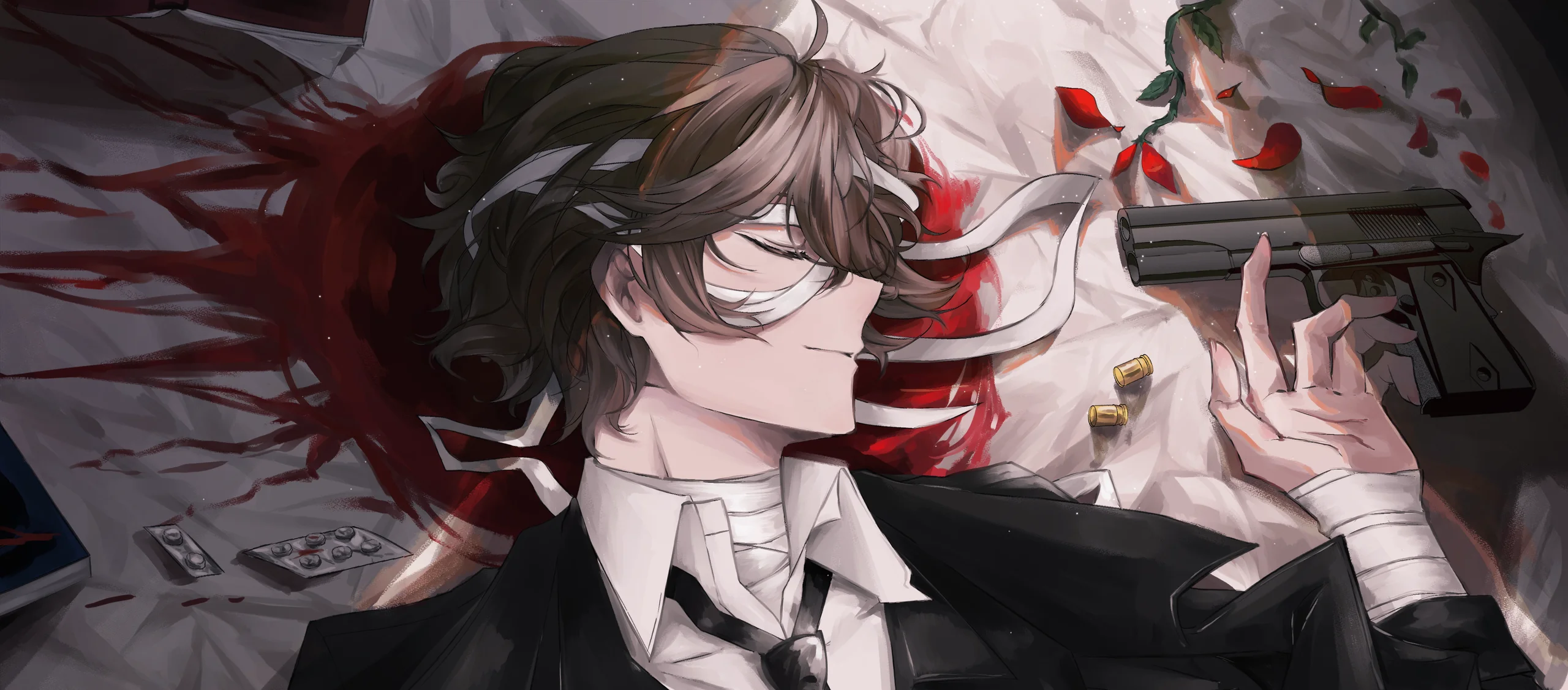
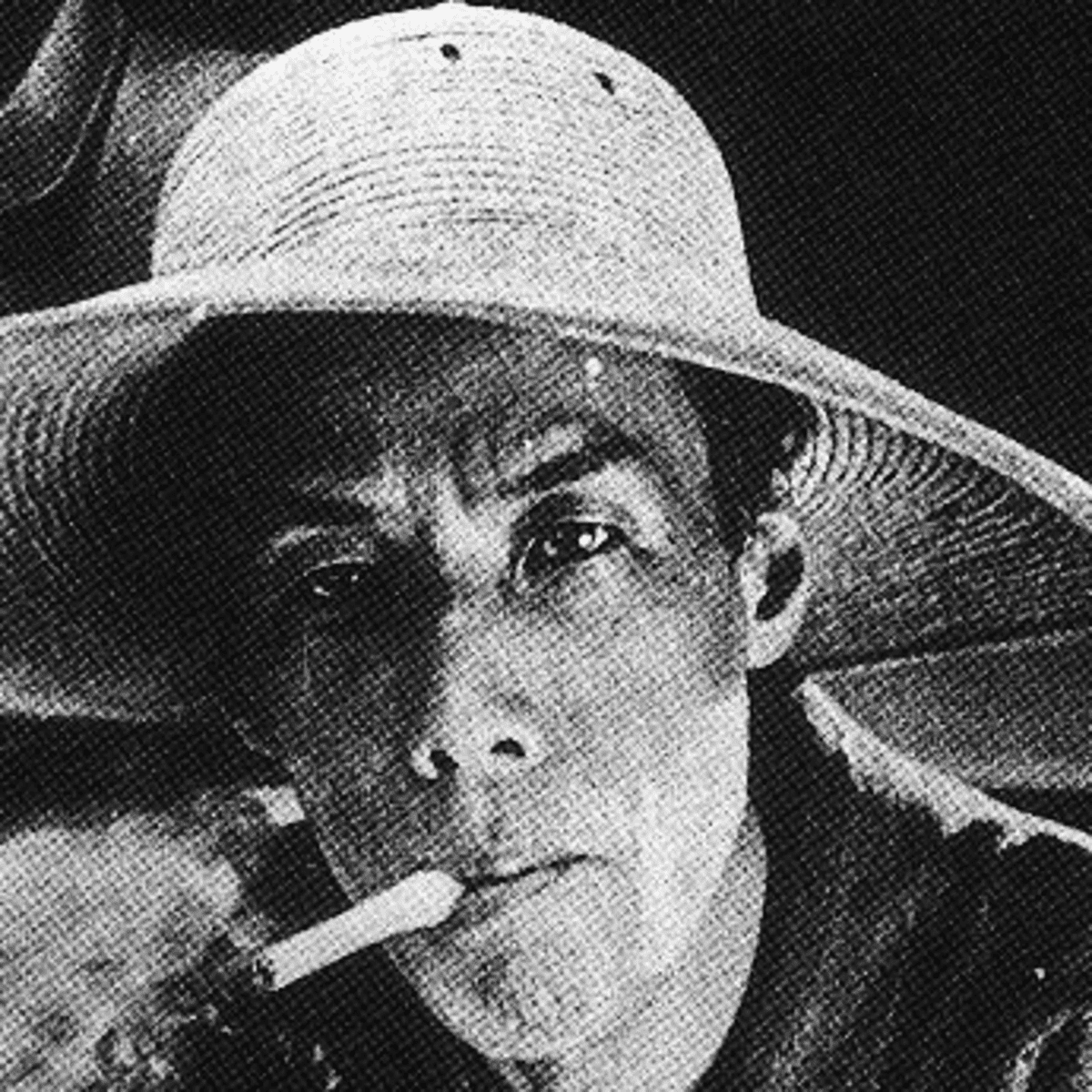
Osamu Dazai
 Japan
writer•novelist•short story writer
Also known as: Tsushima Shuji, Shūji Tsushima, Shuji Tsushima, Dazai Osamu, Tsushima Shūji
Birthday
June 19, 1909
Birth Sign
Gemini
Birthplace
Kanagi, Aomori Prefecture, Japan
Age
Died at 38
Height
5 ft 5 in (165 cm)
About
Osamu Dazai, born Shūji Tsushima, was a seminal Japanese novelist and short story writer whose raw, confessional style defined the shishōsetsu genre. Born on June 19, 1909, in Kanagi, Aomori Prefecture, he came from a wealthy family of landlords and politicians, an upbringing that instilled in him a deep sense of alienation and class conflict that would permeate his work. Adopting the pen name "Osamu Dazai" early in his career, he became one of the most influential figures in 20th-century Japanese literature, known for themes of despair, addiction, and suicide. His writing is known for its unflinching look at the human condition, often drawing from his own experiences with depression and multiple suicide attempts. Despite not being a bestseller during his lifetime, his posthumous sales have been immense, particularly in East Asia. He influenced generations of writers including Yukio Mishima and Haruki Murakami. Today, he is recognized as one of the most important figures in 20th-century Japanese literature.
Early Life & Background
Dazai was the seventh child of Kan'ichi Tsushima, a local politician and member of the House of Peers. The family's wealth and status created a stark contrast between the opulent life of the Tsushima estate and the poverty of the tenant farmers they employed. This duality fueled Dazai's lifelong struggle with identity and guilt. He attended Aomori High School, where he excelled academically but felt socially isolated. His early interests leaned heavily toward literature and painting; he was an avid reader of Western authors like Fyodor Dostoevsky and Ryūnosuke Akutagawa.
Before achieving fame, Dazai's life was marked by instability. He moved to Tokyo in 1927 to study at the University of Tokyo but left without graduating, disillusioned by the academic environment. During this period, he became deeply involved in leftist political movements, which led to his arrest in 1935 for sedition—a charge later dropped due to lack of evidence. This arrest, combined with his struggles with depression and substance abuse, precipitated a series of suicide attempts that began as early as 1929. These early years were characterized by a turbulent relationship with the literary establishment, including a brief expulsion from the Communist Party.
Career Growth
Dazai's literary breakthrough came with the publication of Shizuku ga Otsu (The Quail and the Cuckoo) in 1935, establishing his unique voice. His career milestones include the publication of Gokigen Naname in 1939, showcasing his dark humor, and the release of Ningen Shikkaku in 1946, which became his magnum opus. In 1947, he published Zangiku Monogatari (The Setting Sun), a critique of the declining aristocracy post-WWII. His final works were published shortly before his death in 1948.
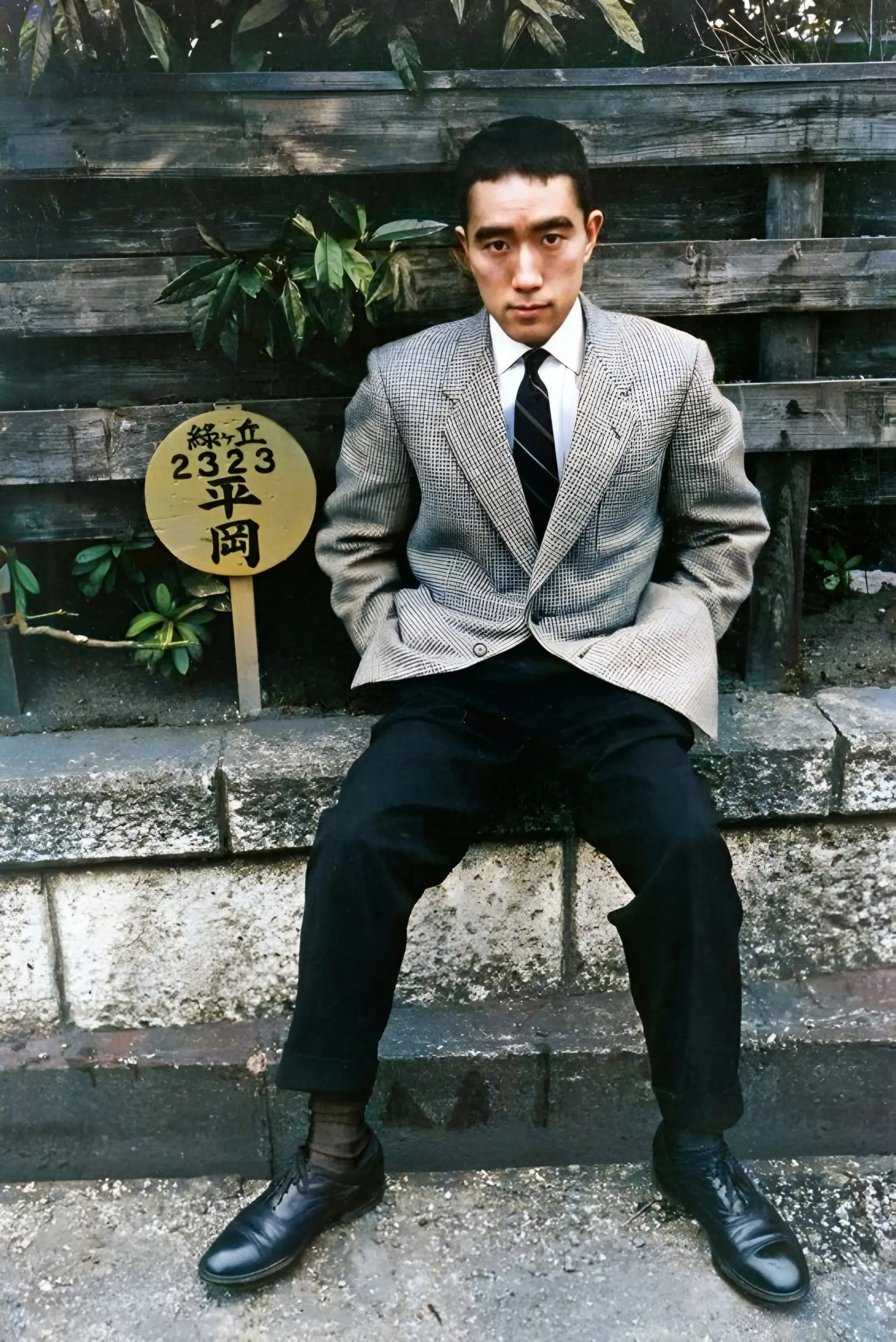
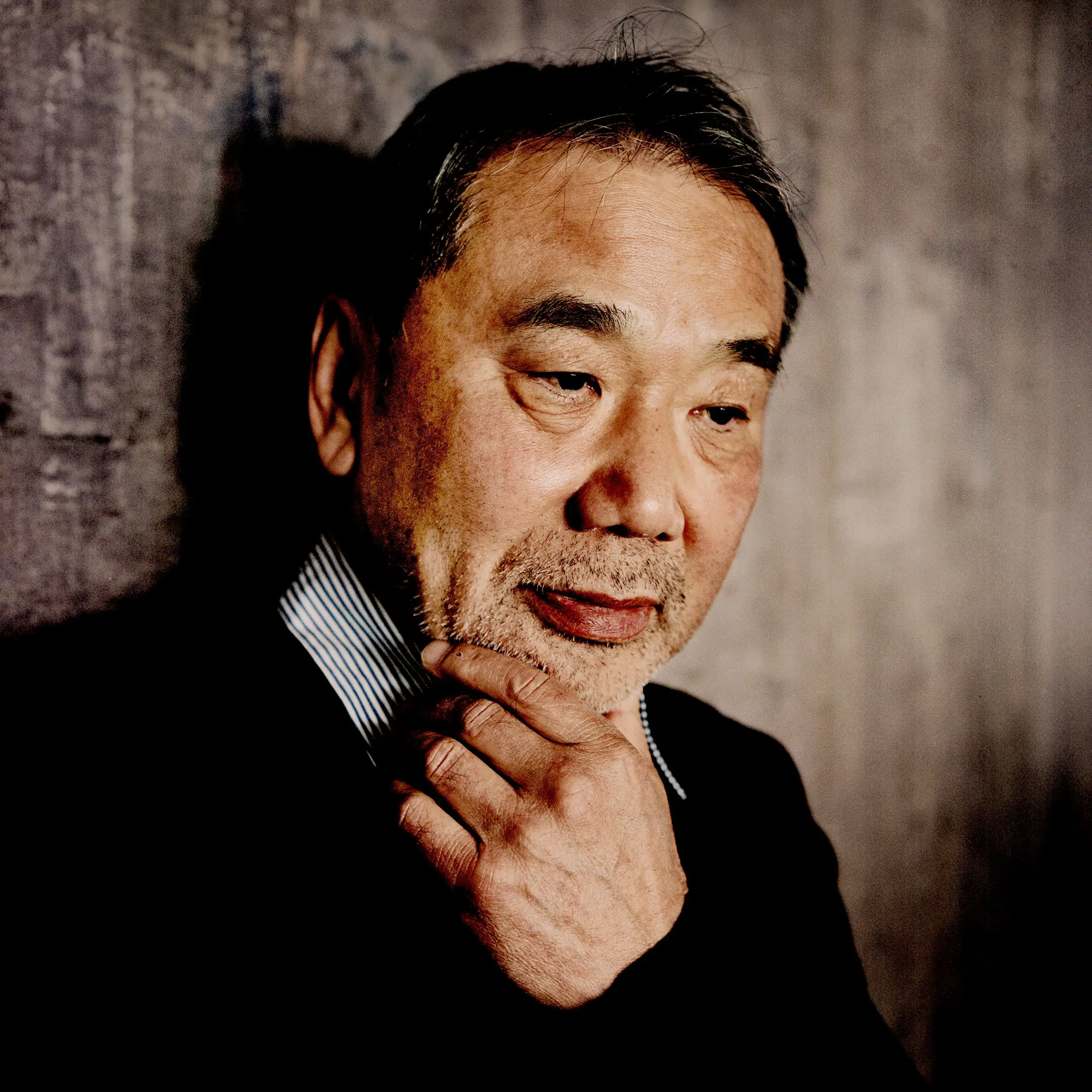
His impact on Japanese literature is profound; he is credited with perfecting the confessional novel, influencing generations of writers including Yukio Mishima and Haruki Murakami. Commercially, while not a bestseller during his lifetime, his posthumous sales have been immense, with No Longer Human selling millions of copies globally, particularly in East Asia. His work has been adapted into numerous films and anime series, ensuring his continued relevance in modern culture. Time magazine listed No Longer Human among the "100 Best Novels of All Time" in 2005. Rolling Stone Japan ranked Dazai as the #1 Most Influential Japanese Writer of the 20th Century in 2010.
Career Timeline
Public Image & Style
Dazai is portrayed as a tragic genius, a man consumed by his own demons. His aesthetic is melancholic, often associated with rain, canals, and solitude. Media portrayals emphasize his struggle with mental illness and his ability to articulate the pain of existence. His public image has evolved from a troubled figure to a symbol of existential despair and artistic integrity. The romanticization of his death has become a central part of his legacy, often overshadowing his literary contributions. Vogue Japan included him in their list of "Cultural Icons Who Defined Japan" in 2018.
Fame & Fandom (iFAMOUS Rankings)
Osamu Dazai commands a decentralized following that operates primarily through digital communities rather than formal organizations. His admirers, often found on platforms like TikTok and Reddit, coalesce around his writings on alienation and existential despair, treating his life story as a shared cultural touchstone for modern anxiety. This resurgence, frequently termed the "Dazai Effect," has driven significant sales figures in regions like South Korea and transformed historical sites in Tokyo into pilgrimage destinations for fans seeking connection with the author's legacy. The fictional portrayal of Dazai in the anime series Bungo Stray Dogs has further expanded this audience, creating a crossover demographic that often blends the real man with his literary persona.
This enduring global attention places him firmly within the highest tiers of literary fame according to the iFANN Global Fame Rankings. Current data indicates he is the 38th most famous person in Japan, the 34th most famous person from Japan, and the 78th most famous person in East Asia. These positions reflect a steady standing across multiple cycles, underscoring his consistent relevance in media coverage and consumption signals worldwide. While his physical presence ended nearly eighty years ago, the digital footprint of his work ensures his continued prominence among contemporary readers who find resonance in his unflinching exploration of the human condition.
Interesting Facts and Legends
Osamu Dazai wrote under the pseudonym "Shunpei Kuroki" for the book Illusion of the Cliffs. He attempted suicide six times before his successful final attempt in 1948. His favorite food was sake and pickled plums. He was approximately 165 cm (5'5") tall and described as slender and frail due to chronic health issues. The term "Dazai Effect" was coined in 2026 to describe the resurgence of interest in his work among young people facing modern anxiety, driven by social media trends. A quiet forest cafe opened in early 2026 in a house associated with his aesthetic in Mitaka, allowing visitors to read his works all day. MAYLA launched a collaboration with Bungo Stray Dogs in September 2026, featuring elegant dresses with "No Longer Human" embroidery.
Notable Quotes
“I could believe in hell, but it was impossible for me to believe in the existence of heaven...”
“I am a human being who has lost the way to be human.”
“The world is full of people who are trying to be happy, but I am just trying to survive.”
Family & Personal Life
Dazai was the seventh child of Kan'ichi Tsushima, a local politician and member of the House of Peers. The family's wealth and status created a stark contrast between their opulent estate and the poverty of the tenant farmers they employed. He had six siblings, though specific names are rarely recorded in public biographies. The household dynamic was formal yet distant, reflecting the strict social hierarchy of the Meiji era. Dazai's father, Kan'ichi, was a prominent figure in Aomori politics, which placed the family in a position of significant local influence.
Notable Connections
Relationships & Dating History
Osamu Dazai's personal life was as tumultuous as his fiction, dominated by a pattern of failed relationships and multiple suicide attempts. He married Tsune Kikuchi in 1930, but the marriage dissolved quickly due to his instability and infidelity. No children resulted from this union. In 1935, he attempted suicide with Yoshiko Nakajima, a geisha. They survived the attempt, but the relationship ended shortly after. She was pregnant at the time, but the child was lost. He also had a brief relationship with Mitsuko Yumeno in the late 1930s, which ended due to his alcoholism and emotional volatility.
Dazai married Michiko Ishihara, a former actress, in 1939. They had four children: Kenji, Kyoko, Keiichiro, and Yoko. The marriage was strained by Dazai's frequent affairs and financial mismanagement. They separated in 1947 but did not formally divorce before his death. In his final years, he lived with Tomie Yamada, a young woman who became his caretaker and companion. On June 13, 1948, they entered a double suicide pact together.
- DivorcedTsune Kikuchi1930 - 1930Married and divorced in the same year due to Dazai's instability.
- RumouredYoshiko Nakajima1935 - 1935Attempted suicide together; she was pregnant but lost the child.
- DatingMitsuko Yumeno1938 - 1939Brief relationship ended due to Dazai's alcoholism.
- SeparatedMichiko Ishihara1939 - 1947Married with four children; separated due to Dazai's affairs and financial issues.
- RumouredTomie Yamada1947 - 1948Mistress and co-suicide partner; died together in 1948.
Death & Aftermath
Died
June 13, 1948 (aged 38)
Death Place
Mitaka, Tokyo, Japan
Cause of Death
Suicide by drowning
On the evening of June 13, 1948, Osamu Dazai and his mistress Tomie Yamada entered the Tamagawa Canal in Mitaka, Tokyo, as part of a double suicide pact. Their bodies were discovered two days later on June 15, floating near the water's surface. Police investigations confirmed the deaths as suicides based on the circumstances of the scene and statements from family members who identified the couple. The official ruling stated that both had drowned after deliberately submerging themselves in the canal. The death sent shockwaves through the Japanese literary community, particularly because it followed closely on the heels of the serialization of his masterpiece No Longer Human.
Tributes poured in from contemporaries like Junichiro Tanizaki, who praised the raw honesty of Dazai's work. His funeral was held privately in Aomori Prefecture, where he was cremated and interred at the family grave. The estate was managed quietly by relatives during the immediate aftermath. Decades later, Dazai's reputation has undergone a massive resurgence. His works, especially No Longer Human, have sold millions of copies globally, with a notable surge in South Korea where the book became a cultural phenomenon among youth facing modern anxiety. In 2026, a cafe opened in Mitaka within a house associated with his aesthetic, becoming a pilgrimage site for fans. The character adaptation in the anime Bungo Stray Dogs has further cemented his legacy, introducing his life story to a new generation while sparking debates about the romanticization of his tragic end.
Net Worth (Estate Value)
$60 Million
iFANN Editorial Team estimate
As a deceased author, Dazai does not have a personal net worth in 2026. However, his estate is managed by the Osamu Dazai Memorial Foundation and his heirs. Research by the iFANN Editorial Team puts his estate value at around $50 million USD, driven by global translations and anime adaptations. Royalties from book sales, especially No Longer Human, film and anime licensing fees (e.g., Bungo Stray Dogs), merchandise, and museum admissions contribute to the estate's income. The estate is overseen by the Dazai Osamu Memorial Society, with profits directed toward literary scholarships and preservation of his birthplace. Estimates suggest annual royalties and licensing deals reached ¥1.2 billion ($8 million USD) in 2025.
Awards & Accolades
View 11 records, honours and achievementsKnown For
No Longer Human
1948 · Author
The Setting Sun
1947 · Author
Bungo Stray Dogs
2016 · Character Inspiration
Keywords
Sources
Quick Facts
- Profession
- writer, novelist, short story writer
- Born
- June 19, 1909
- Birthplace
- Kanagi
- Died
- June 13, 1948
- Death Place
- Mitaka
- Gender
- Male
- Spouse
- Michiko Tsushima
- Birth Sign
- Gemini
Personal Details
- Full Name
- Shūji Tsushima
- Height
- 5 ft 5 in (165 cm)
- Spouse
- Michiko Ishihara
- Children
- Kenji, Kyoko, Keiichiro, Yoko
- Education
- Aomori High School; University of Tokyo (did not graduate)
Frequently Asked Questions
What is Osamu Dazai famous for?
How did Osamu Dazai die?
Is Osamu Dazai still alive?
Why is Osamu Dazai popular again?
What is the meaning of No Longer Human?
Social Media
Join the community
fans discussing