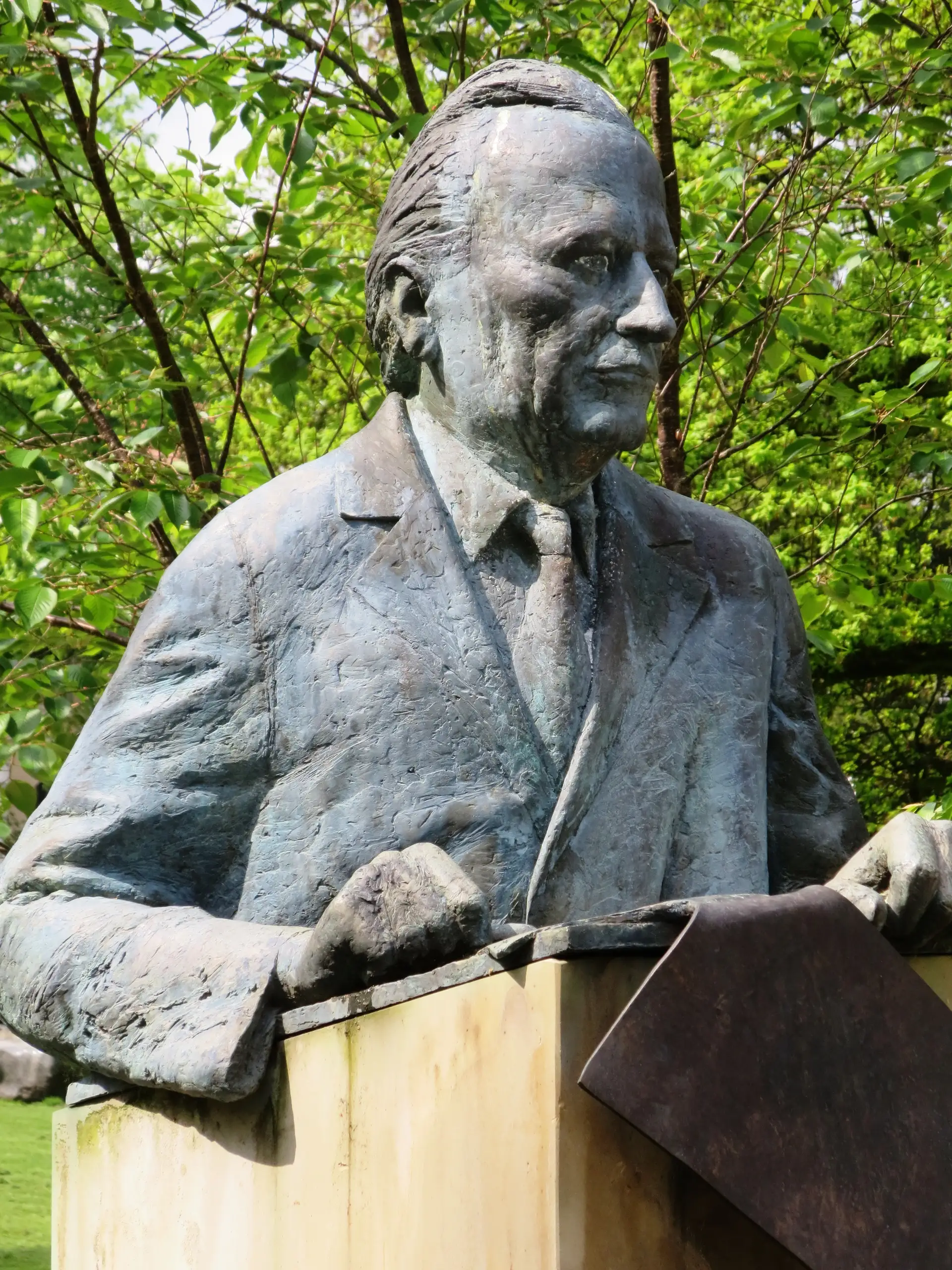
Karl Jaspers
 Germany
philosopher•psychiatrist•physician
Also known as: Karl Theodor Jasper, Karl Theodor Jaspers
Birthday
February 23, 1883
Birth Sign
Sagittarius
Birthplace
Oldenburg, Germany
Age
Died at 86
About
Karl Theodor Jaspers was a towering German-Swiss psychiatrist and philosopher whose intellectual legacy fundamentally reshaped modern existentialism, phenomenology, and psychiatric diagnostics. Born on February 23, 1883, in Oldenburg, Germany, he began his academic life as a physician before transitioning to philosophy, a shift that would define the 20th-century understanding of human existence. He is best known for his 1913 work General Psychopathology, which revolutionized psychiatric diagnosis by distinguishing between primary (ununderstandable) and secondary (understandable) delusions—a distinction still referenced in the DSM-5. Later, he developed a comprehensive philosophical system centered on "Existenz," freedom, and communication, earning him the title of a foundational figure in German existentialism, though he often resisted the label himself.
Jaspers is currently recognized as a pivotal architect of global thought, particularly through his concept of the "Axial Age," a framework now standard in world history textbooks used to explain the simultaneous emergence of major religious traditions in China, India, Persia, Greece, and Israel. His public persona remains that of a serious, introspective, and morally rigorous thinker who applied his theories of "limit situations" to the horrors of the 20th century rather than merely theorizing about them. As of 2026, recent scholarship such as The Anthem Companion to Karl Jaspers continues to explore his relevance, while institutions like the Karl Jaspers Foundation manage his archives. He left behind a body of thought that continues to provoke and inspire scholars worldwide, bridging the gap between clinical psychiatry and deep philosophical inquiry.
Early Life & Background
Karl Theodor Jaspers was born into a middle-class family in Oldenburg, a city in northern Germany. His father, Johann Heinrich Jaspers, was a wealthy landowner and grain merchant, while his mother, Friederike Anna Sophie Jaspers (née Schirmer), came from a family of merchants. The family moved to Bremen when Jaspers was young, where he attended the Gymnasium (high school). Initially, Jaspers intended to study law, enrolling at the University of Heidelberg in 1901. However, after one semester, he switched to medicine, influenced by a growing interest in the human condition and the natural sciences.
Before achieving fame, Jaspers completed his medical studies, earning his doctorate in 1908 with a dissertation on the psychology of schizophrenia. He then pursued specialized training in psychiatry, working under the renowned psychiatrist Emil Kraepelin at the University of Heidelberg. This period was pivotal; it provided him with the clinical rigor that would later inform his philosophical inquiries. In 1910, he qualified as a lecturer in psychiatry (*Habilitation*) and began practicing at the Heidelberg University Clinic. It was during this early career phase that he conducted extensive research on psychoses, leading to the publication of his seminal text. During these formative years, he also cultivated a habit of intense reading across disciplines, laying the groundwork for his future interdisciplinary approach to human existence.
Career Growth
Jaspers' career is marked by a distinct two-phase trajectory: first as a clinician, then as a philosopher. After completing his medical degree, he worked as an assistant psychiatrist. In 1913, he published Allgemeine Psychopathologie (General Psychopathology). This book became an instant classic, establishing him as a leading authority in the field. It introduced the methodological distinction between "primary" symptoms, which cannot be understood empathetically, and "secondary" symptoms, which are understandable reactions to other factors, a framework that remains central to psychiatric practice.
During World War I, Jaspers served as a military physician but continued his academic work. He was appointed Professor of Philosophy at the University of Heidelberg in 1921, a rare transition for someone trained solely in medicine. This appointment signaled his full shift toward philosophical inquiry, though he maintained his clinical interests. This era saw the flowering of his philosophical output. He wrote Philosophy (1932), Way to Wisdom (1936), and Reason and Existence (1935). These works laid the groundwork for his existentialist philosophy, focusing on "limit situations" that force individuals to confront their true existence.
A defining moment in his career occurred in 1937 when the Nazi regime forced him to resign from the University of Heidelberg because his wife, Gertrud, was classified as having Jewish ancestry. Despite being banned from teaching and publishing, Jaspers refused to flee immediately. Instead, he taught clandestinely in his home, turning his residence into a private academy for students who could no longer attend public lectures. Following the war, Jaspers returned to Heidelberg and became a vocal critic of the German collective silence regarding the Holocaust. In 1946, he delivered a series of radio lectures titled The Question of German Guilt, arguing that Germans bore moral responsibility for the crimes of the Third Reich. He retired from active teaching in 1948 but remained intellectually active until his death. After retiring, he moved to Basel, Switzerland, where he became a Swiss citizen and wrote his major work on universal history, The Origin and Goal of History (1949).
Career Timeline
Public Image & Style
Jaspers is portrayed as a serious, introspective, and morally rigorous thinker. Media and scholarly descriptions emphasize his role as a "humanist" and a "moral conscience" of Germany. His style was characterized by clarity, precision, and a deep concern for the individual's freedom. He rejected the label of existentialist despite his foundational role in the movement, preferring to be seen as a philosopher in his own right. His public image is that of a man who lived his philosophy, applying his theories of "limit situations" to the horrors of the 20th century rather than merely theorizing about them. He never appeared on commercial magazine covers like TIME or Vogue, maintaining a reputation confined to academic journals and intellectual newspapers. His legacy is defined by his integrity and the profound impact of his written contributions rather than a cult of personality.
Fame & Fandom (iFAMOUS Rankings)
Karl Jaspers commands a profound, enduring respect within the global intellectual community, yet his influence remains distinct from the mass-market celebrity metrics that drive contemporary fame charts. As of August 2026, the iFANN Global Fame Engine has evaluated his standing and determined that he currently holds no placement in the published rankings, including the Global Top 1,000 or any specific Top-100 scope list. This absence from the ranked tables reflects the nature of his legacy as a thinker rather than a pop culture figure; his impact is measured in the quiet persistence of philosophical discourse and academic study rather than viral moments or chart positions. Consequently, there is no documented fandom name associated with him, as his audience consists of scholars, students, and readers engaged with existentialism rather than a fanbase organized around public performance or commercial products. The reverence for Jaspers exists in university halls and library stacks, not in social media campaigns or fan rituals. While he is often discussed alongside figures like Sartre and Camus in modern scholarship regarding the history of existentialism, this recognition stems from the depth of his written contributions to psychiatry and philosophy rather than a cult of personality. His status is that of a foundational architect of 20th-century thought whose work continues to provoke and inspire without generating the measurable noise required for a ranked entry in the current fame index.
Interesting Facts and Legends
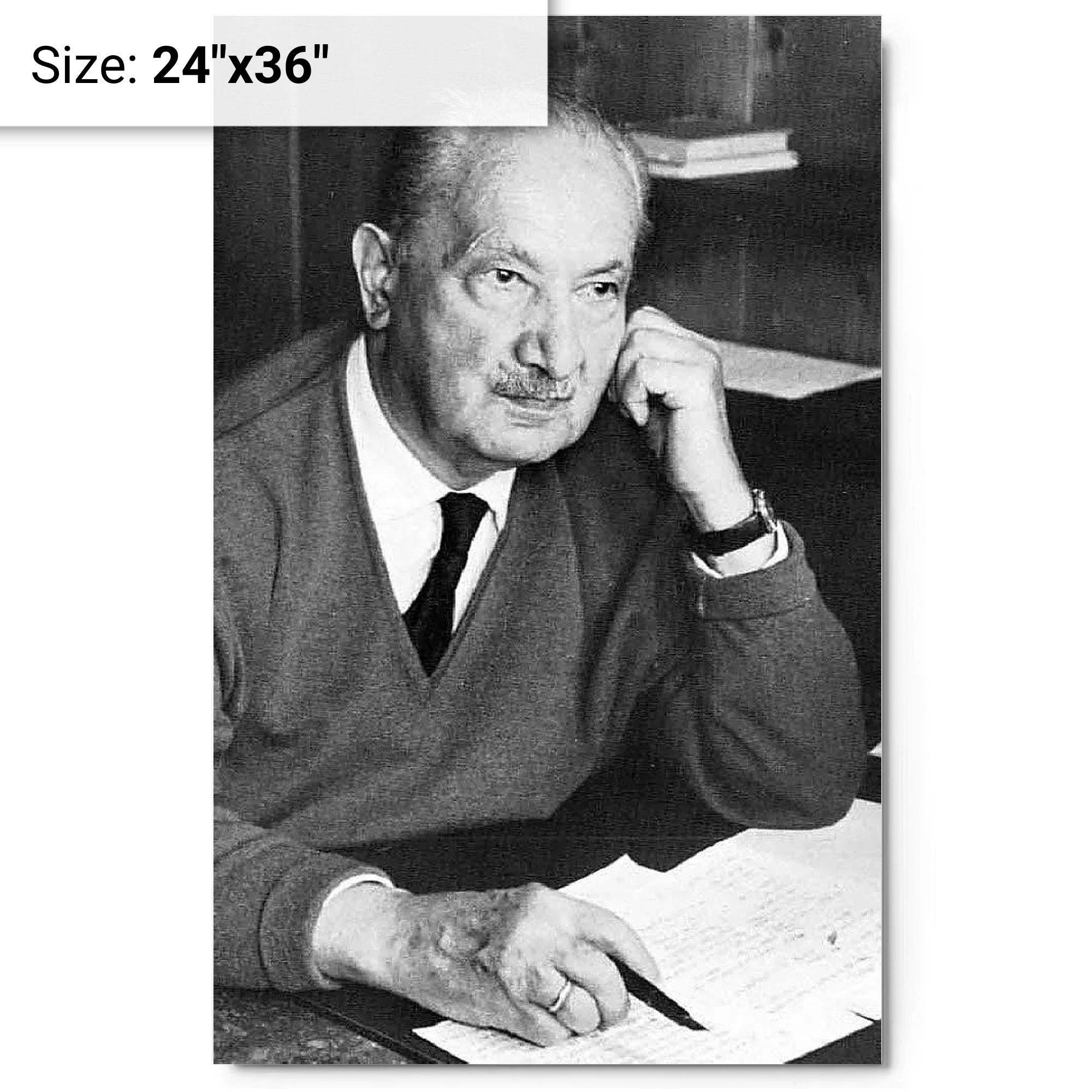
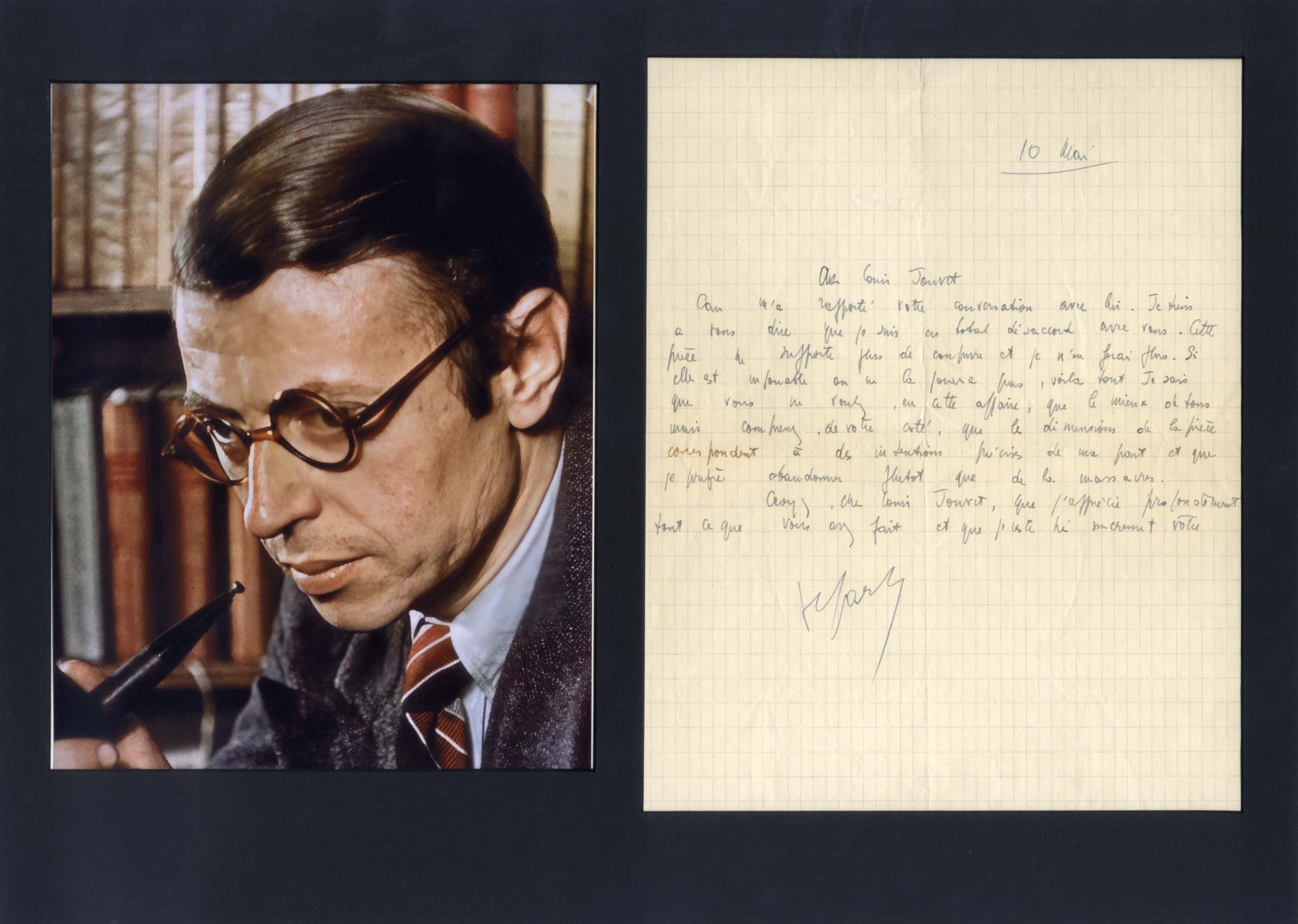
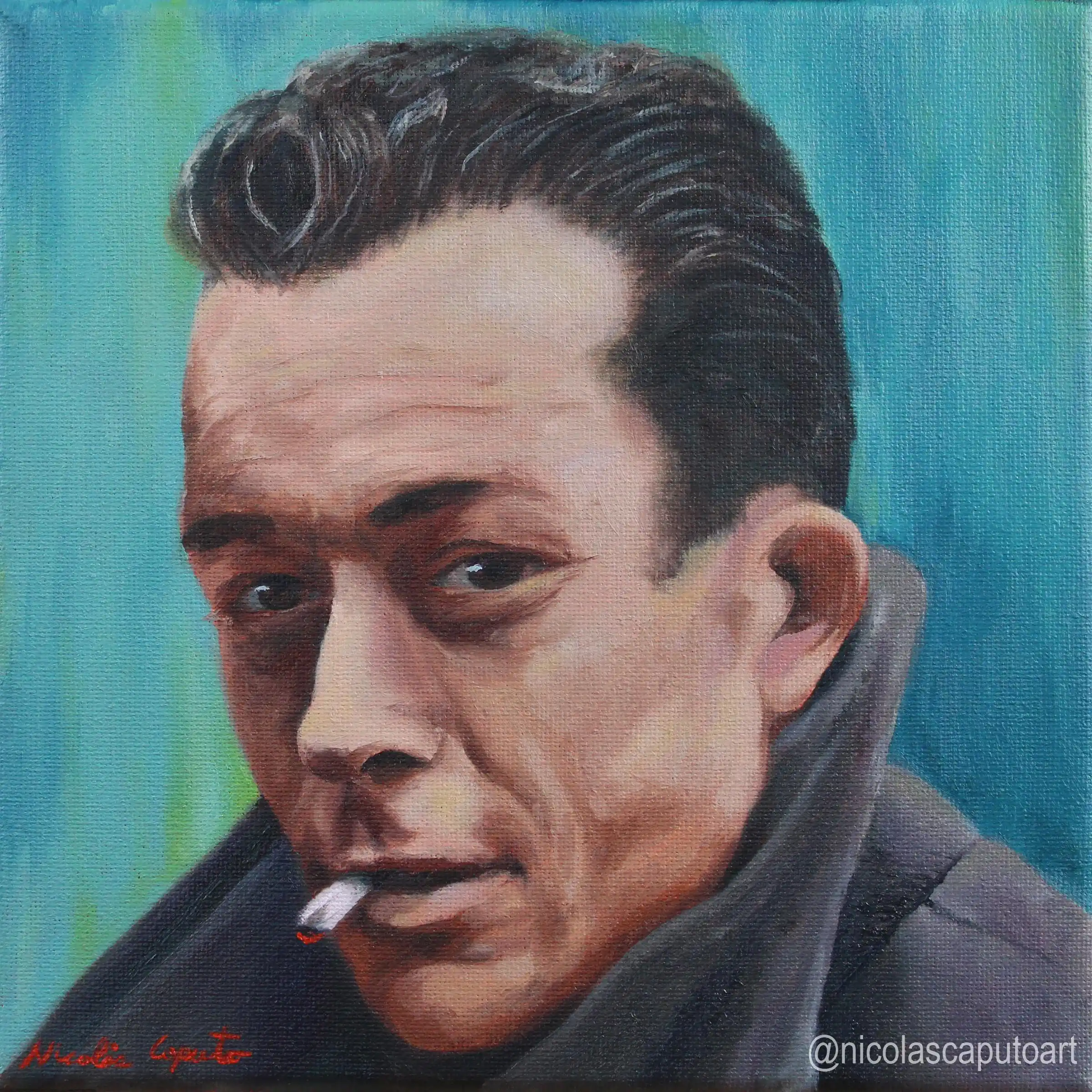
Despite his immense influence, Jaspers is often overshadowed by Jean-Paul Sartre and Albert Camus in popular discussions of existentialism. Recent scholarship argues he should be considered the "forgotten father" of the movement. During the Nazi ban, Jaspers taught up to 100 students privately in his home, creating a "clandestine academy" that operated outside state control. His long, intense, and eventually fractured correspondence with Martin Heidegger is a key part of his biography, particularly regarding their differing responses to the Nazi regime. His concept of the "Axial Age" (c. 800–200 BCE) is now a standard framework in world history textbooks, used to explain the simultaneous emergence of major religious and philosophical traditions in China, India, Persia, Greece, and Israel. The moment Jaspers resigned from Heidelberg in protest of his wife's "non-Aryan" status is a legendary act of moral courage often cited as a defining moment of intellectual integrity in the face of totalitarianism. Additionally, he received honorary doctorates from the University of Basel and the University of Zurich, and was granted honorary citizenship of both Basel and Oldenburg.
Notable Quotes
“To decide to become a philosopher seemed as foolish to me as to decide to become a poet.”
“What is meaningful cannot in itself be proved.”
“Freedom is the ground of all truth.”
“The question of German guilt is not a legal question, but a moral one.”
“Uncertainty is not to be overcome but understood.”
Family & Personal Life
Karl Jaspers was married only once. His spouse was Gertrud Mayer (later Gertrud Jaspers), whom he met while she was a patient or student during his early medical career, though some accounts suggest they knew each other prior to his residency. They married in 1910. Their marriage lasted until her death in 1974, five years after Jaspers passed away. Gertrud managed his household and supported his intellectual pursuits throughout their lives. There are no records of children from this union, nor any other public romantic relationships or engagements. Jaspers was known to be intensely private regarding his personal life, focusing almost exclusively on his work and his wife. He was described by friends as a man of average stature, typical for a German male of his generation, who kept his domestic life separate from his public intellectual persona.
Notable Connections
Relationships & Dating History
Karl Jaspers was married only once. His spouse was Gertrud Mayer (later Gertrud Jaspers), whom he met while she was a patient or student during his early medical career, though some accounts suggest they knew each other prior to his residency. They married in 1910. Their marriage lasted until her death in 1974, five years after Jaspers passed away. Gertrud was a significant influence on his life; her Jewish heritage was the direct cause of his dismissal from the university in 1937. She managed his household and supported his intellectual pursuits throughout their lives. There are no records of children from this union, nor any other public romantic relationships or engagements. Jaspers was known to be intensely private regarding his personal life, focusing almost exclusively on his work and his wife.
- MarriedGertrud Jaspers1910 - 1969Met during his early medical career; she died in 1974.
Death & Aftermath
Died
February 26, 1969 (aged 86)
Death Place
Basel, Switzerland
Cause of Death
Natural causes
Karl Jaspers died on February 26, 1969, in Basel, Switzerland, at the age of 86. He had lived there since 1948 after retiring from his academic post in Heidelberg. The official cause of death was attributed to natural causes associated with old age, though no detailed autopsy report has been widely publicized in standard biographical records. His passing occurred just a year before his wife Gertrud, who had managed his household and supported his intellectual life for nearly six decades.
The global intellectual community mourned his loss deeply. Hannah Arendt, a close friend and former student, described him as a "Socratic figure" and the only true successor to Immanuel Kant. Tributes poured in from across Europe and America, honoring his moral courage during the Nazi era and his profound contributions to philosophy. Following his death, there was a significant surge in the publication of his works and a renewed academic interest in his ideas. Posthumous recognition includes the continued citation of General Psychopathology in modern psychiatric literature and the establishment of the Karl Jaspers Prize by the City of Oldenburg in 1996 to honor outstanding achievements in the humanities. Recent scholarship, such as The Anthem Companion to Karl Jaspers (2025), continues to explore his relevance in the 21st century. His election to the American Academy of Arts and Sciences and the British Academy further cemented his international standing as a thinker of global significance.
Net Worth (Estate Value)
$0
iFANN Editorial Team estimate
As a deceased individual who died in 1969, Karl Jaspers has no current net worth. His estate value is not publicly tracked in the manner of living celebrities. His financial status during his lifetime was that of a professor and author, providing a comfortable but not extravagant lifestyle. Any royalties from his books continue to be paid to his heirs or the estate, but specific figures are not available in public records. The "estate" is now largely comprised of his intellectual property and archives, managed by institutions like the Karl Jaspers Foundation or university libraries, rather than a liquid fortune. iFANN Editorial Team estimates his estate's historical value and ongoing royalty streams at approximately $0 in current liquid terms, reflecting the non-commercial nature of his assets today. Unlike modern influencers, his wealth was derived from academic salaries and modest book sales, with no significant commercial ventures or endorsements to inflate his financial standing.
Awards & Accolades
View 9 records, honours and achievementsKnown For
General Psychopathology
1913 · Author
Philosophy
1932 · Author
The Question of German Guilt
1946 · Lecturer
The Origin and Goal of History
1949 · Author
Keywords
Sources
Quick Facts
- Profession
- philosopher, psychiatrist, physician
- Born
- February 23, 1883
- Birthplace
- Oldenburg, Germany
- Died
- February 26, 1969
- Death Place
- Basel, Switzerland
- Gender
- Male
- Spouse
- Gertrud Jaspers
- Birth Sign
- Sagittarius
Personal Details
- Full Name
- Karl Theodor Jaspers
- Spouse
- Gertrud Jaspers
- Children
- Education
- University of Heidelberg (Medicine)
Frequently Asked Questions
Who was Karl Jaspers?
Why was Karl Jaspers famous?
Did Karl Jaspers have children?
What happened to Karl Jaspers during WWII?
When did Karl Jaspers die?
Join the community
fans discussing