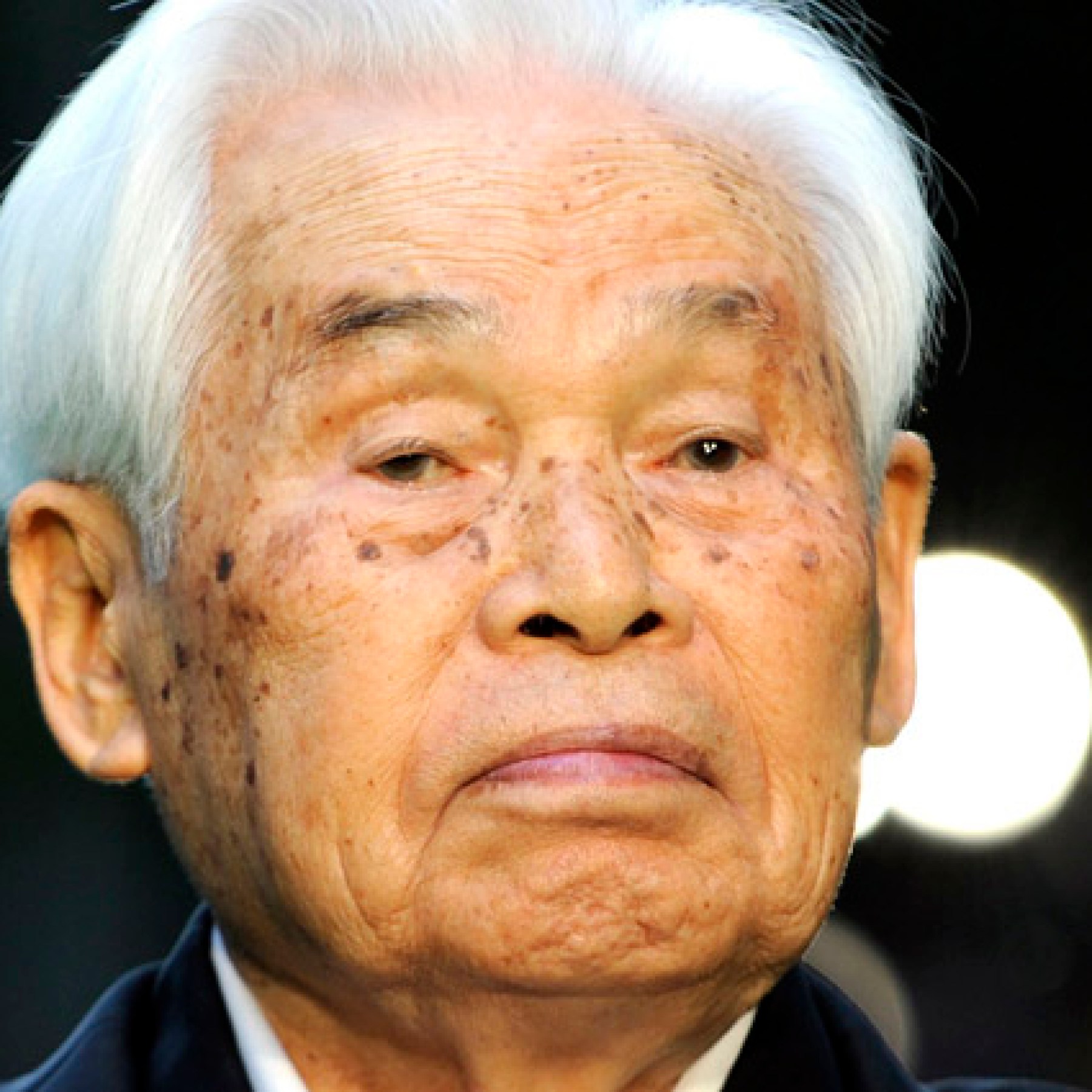
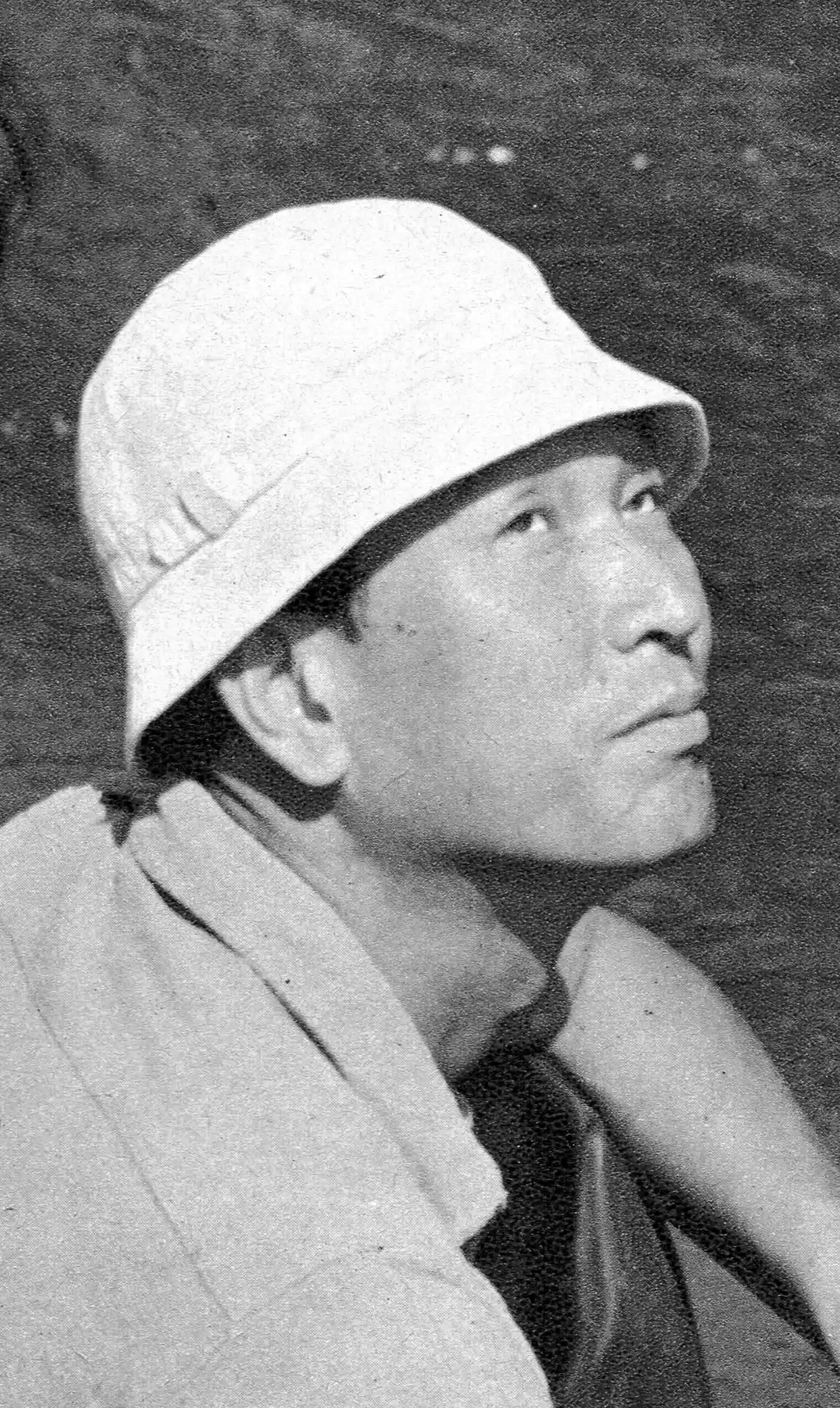
Kaneto Shindō
 Japan
Japanfilm director•screenwriter•art director
Also known as: Shindō Kaneto, 新藤兼人
Birthday
April 22, 1912
Birth Sign
Sagittarius
Birthplace
Hiroshima, Japan
Age
Died at 100
About
Kaneto Shindō was a towering figure in Japanese cinema whose career spanned nearly eight decades. Born on April 22, 1912, in Hiroshima, he worked as a film director, screenwriter, producer, and author until his death at age 100 on May 29, 2012. He directed 48 films while writing scripts for 238 others, many helmed by industry giants like Kenji Mizoguchi and Kon Ichikawa. His work is renowned for its social realism and poignant explorations of the atomic bombing of Hiroshima.
Shindō pioneered independent cinema by co-founding the Kindai Eiga Kyōkai (Modern Film Association) in 1950. This collective allowed them to produce socially conscious films outside the commercial constraints of major studios. His later years produced striking visual works including The Naked Island and the horror classic Onibaba. He kept working as a creative force right up until the end of his life, leaving behind a vast body of work that reflects both personal history and broader social commentary.
Early Life & Background
Kaneto Shindō was born in Hiroshima during a time of growing political tension in Japan. His childhood coincided with the onset of World War II, which would deeply shape his worldview and artistic focus. Before entering the film industry, he studied painting at the Tokyo School of Fine Arts, now known as Tokyo University of the Arts. This training developed a keen eye for visual composition that would define his directing style throughout his career.
He initially worked as an art director and assistant director before transitioning to screenwriting. During the war years, he was drafted into the Imperial Japanese Army but was discharged due to illness before being deployed overseas. This experience instilled in him strong anti-war sentiments that would permeate his future work. In the late 1940s, he began gaining recognition for his ability to craft compelling narratives grounded in the lives of ordinary people.
Seeking creative freedom from the rigid studio system of Toho, he co-founded the Modern Film Association in 1950 alongside director Kōzaburō Yoshimura and actor Taiji Tonoyama. This move marked his transition from a collaborative employee to an independent voice. His directorial debut arrived shortly after with Story of a Beloved Wife in 1951, a semi-autobiographical film that drew heavily from his own life experiences and established his reputation for focusing on the struggles of women and the working class.
Career Growth
Shindō's career evolved from social realism to experimental horror and finally to reflective portraits of aging artists. His first major breakthrough as a writer came with films directed by Kenji Mizoguchi, including The Life of Oharu in 1952. Throughout the 1950s, he continued to write prolifically while honing his own directorial voice, often exploring themes of poverty and gender inequality.
In 1957, he released Children of Hiroshima, a landmark film depicting the immediate aftermath of the atomic bombing. It won the Best Film award at the Mainichi Film Awards and launched the "Hiroshima movie" genre. Two years later, he released The Naked Island, a visually stunning film featuring almost no dialogue that focused on the daily struggle of a family on a remote island. This film was selected for the Venice Film Festival and showcased his mastery of visual storytelling.
The 1960s saw him shift toward psychological horror with Onibaba in 1964 and Kuroneko in 1968. These films blended ghost stories with samurai drama, cementing his status as a master of genre-bending cinema. Later in his career, he focused on historical dramas and biopics, including A Last Note. His final film, Postcard, was released in 2010 when he was 98 years old. The project was dedicated to his late wife and reflected on memory and loss, proving his dedication to his craft remained undiminished even at the century mark.
Career Timeline
Public Image & Style
Shindō was portrayed in the media as a humble, unpretentious, and fiercely independent artist. He was known for his sharp wit and his refusal to compromise his artistic vision for commercial gain. His public image was that of a "people's filmmaker," deeply connected to the struggles of the common man and woman. He was often described as "elemental" in his approach to cinema, stripping away excess to reveal the core of human experience.
Even in his later years, he maintained a reputation for discipline and dedication. Colleagues remembered him as a man who prioritized the integrity of his work above all else. His presence at film festivals was marked by quiet dignity, and he rarely sought the spotlight beyond what was necessary to promote his films.
Fame & Fandom
iFANN has not yet collected fame data for this person. While he is a celebrated figure among cinephiles and historians, he does not currently hold a published placement in the iFANN Global Fame Rankings as of September 2026.
Fans typically refer to themselves as "Shindō enthusiasts" or simply as lovers of classic Japanese cinema. There is no specific, universally recognized fandom name for his work. Fanbases are organized through film societies, university film clubs, and online communities dedicated to preserving and studying mid-20th-century Asian cinema. Notable fan campaigns include the "Save Shindō" initiative in the 1990s to secure funding for his later works and the "Century of Shindō" project in 2012 to commemorate his 100th birthday.
Fans often gather for marathon screenings of his films, particularly around anniversaries of his birth or death. Shindō was known to interact with fans at film festivals, often signing autographs and discussing his work in depth. His legacy continues to attract new audiences, with a surge in viewership among Gen Z discovering classic horror titles like Onibaba on streaming platforms.
Interesting Facts and Legends
The Naked Island contains only 15 minutes of dialogue in its 87-minute runtime, relying entirely on sound design and visuals to tell the story. Shindō challenged his crew and actors to convey complex emotions without words, resulting in a film now considered a masterpiece of visual storytelling. Another legendary aspect of his life is his survival of the Hiroshima atomic bombing. Stories circulate of him walking through the devastated city days after the explosion, an experience that fueled his creation of Children of Hiroshima.
Before becoming a director, he worked as a painter and illustrator, skills that contributed to his unique visual style. He did not direct his first feature film until he was 39 years old, having spent his 20s and 30s as a screenwriter and art director. During the filming of Onibaba, the cast and crew faced extreme conditions, including filming in a swampy area with leeches and insects. The dedication required to complete the film under such circumstances has become part of its lore. His final appearance at a film festival in 2011, where he stood up to receive applause despite his age, is a widely retold moment of resilience.
Notable Quotes
“I wanted to make films that showed the truth of life.”
“The camera must be a tool to see the invisible.”
“Art should not be a luxury but a necessity for the soul.”
Family & Personal Life
Kaneto Shindō was married to the renowned Japanese actress Nobuko Otowa. Their relationship was both personal and professional, spanning their entire adult lives. They met in the early days of the post-war film industry, and Otowa appeared in several of Shindō's most famous films, including Onibaba and Kuroneko. She served as the muse for many of his female-centric roles.
There were no public reports of children; they focused on their careers and each other. Following Otowa's death in 2005, Shindō remained single until his own passing in 2012. He often cited her memory as a driving force behind his later projects, particularly Postcard. The couple was known for their deep connection and mutual respect within the industry.
Notable Connections
Relationships & Dating History
Kaneto Shindō was married to the renowned Japanese actress Nobuko Otowa. Their relationship was both personal and professional, spanning their entire adult lives. They met in the early days of the post-war film industry; Otowa appeared in several of Shindō's most famous films, including Onibaba and Kuroneko. They married in 1948, shortly after meeting in the industry.
Otowa was the muse for many of Shindō's female-centric roles. She played the lead in Onibaba and Kuroneko. There were no public reports of children; they focused on their careers and each other. Otowa passed away in 2005, leaving Shindō widowed. He remained single until his death in 2012, often citing her memory as a driving force behind his later projects, particularly Postcard. There are no records of other romantic relationships, engagements, or high-profile flings. Shindō was known for his dedication to his craft and his marriage.
- MarriedNobuko Otowa1948 - 2005Lifelong collaborators; she starred in many of his films including Onibaba and Kuroneko. She died in 2005.
Death & Aftermath
Died
May 29, 2012 (aged 100)
Death Place
Tokyo, Japan
Cause of Death
Natural causes due to old age
Kaneto Shindō passed away on May 29, 2012, at a hospital in Tokyo just 37 days after celebrating his 100th birthday. The cause of death was reported as natural causes associated with advanced age, confirmed by the Japanese Ministry of Health, Labour and Welfare. His longevity marked him as one of the last living links to the pre-war era of Japanese cinema.
The global film community responded with an immediate outpouring of tributes. The Academy of Motion Picture Arts and Sciences held a special tribute honoring his contributions, while the Cannes Film Festival dedicated a screening to his body of work. Major outlets like The New York Times and The Guardian published extensive obituaries highlighting his unique position as a filmmaker who bridged the gap between the classical studio system and the modern independent movement.
His funeral was a private affair attended by close family members and colleagues from the industry. Following his death, the Kaneto Shindō Memorial Fund was established to support young filmmakers and preserve the history of Japanese cinema. The estate continues to manage his extensive library of scripts and films, ensuring their preservation through licensing deals with distributors like the Criterion Collection. No legal disputes over his estate have been publicly reported, allowing for a smooth transition of his intellectual property rights to his family and trusted associates.
Net Worth (Estate Value)
$10 Million
iFANN Editorial Team estimate
As of 2026, Kaneto Shindō is deceased, so his financial standing refers to the value of his estate. Specific dollar figures for his estate are not publicly disclosed in detail, as is common with Japanese cultural figures whose estates are managed privately. However, estimates can be derived from the enduring commercial success of his film catalog.
The licensing rights to his films, particularly Onibaba, Kuroneko, and The Naked Island, continue to generate significant revenue through home video releases, streaming licenses (Criterion Collection, Netflix, Amazon Prime), and international sales. Industry analysts estimate the annual royalty income from his estate to be in the range of $500,000 to $1 million USD, contributing to a total estate value likely exceeding $10 million USD when accounting for real estate, intellectual property, and accumulated royalties.
Revenue streams include ongoing payments from the sale and rental of his 48 directed films and 238 written scripts. High-value deals with Criterion Collection and other distributors for physical media and digital streaming form a significant portion of the income. Sales of DVDs, Blu-rays, and related memorabilia also contribute. The estate remains managed by his family and trusted associates, ensuring the preservation and distribution of his legacy.
Awards Won (11)
Shindō received numerous accolades throughout his life, though he was sometimes overlooked for major international awards in favor of his contemporaries like Kurosawa and Ozu. However, his domestic recognition was immense. He won multiple Mainichi Film Awards for Best Director and Best Screenplay, including for Children of Hiroshima and Kuroneko. He received the prestigious Order of Culture in 2004 and the Golden Lion for Lifetime Achievement at the Venice Film Festival. The Japan Academy Prize honored him with a Special Award for Lifetime Achievement in 1996.
1968 · Best Screenplay
Kuroneko
1964 · Best Director
Onibaba
1960 · Best Screenplay
The Naked Island
1957 · Best Film
Children of Hiroshima
1957 · Best Director
Children of Hiroshima
1996 · Special Award for Lifetime Achievement
1983 · Outstanding Achievement in Direction
A Last Note
Known For
Children of Hiroshima
1957 · Director
The Naked Island
1960 · Director
Onibaba
1964 · Director
Kuroneko
1968 · Director
A Last Note
1983 · Director
Keywords
Sources
Quick Facts
- Profession
- film director, screenwriter, art director
- Born
- April 22, 1912
- Birthplace
- Hiroshima, Japan
- Died
- May 29, 2012
- Death Place
- Tokyo, Japan
- Gender
- Male
- Spouse
- Nobuko Otowa
- Birth Sign
- Sagittarius
Personal Details
- Full Name
- Kaneto Shindō
- Spouse
- Nobuko Otowa
- Children
- Education
- Tokyo School of Fine Arts (now Tokyo University of the Arts)
Filmography
286
Total
48
Film
0
TV
Frequently Asked Questions
How old was Kaneto Shindō when he died?
What is Kaneto Shindō best known for?
Who was Kaneto Shindō married to?
Where did Kaneto Shindō die?
Did Kaneto Shindō win any major awards?
Similar People
Join the community
fans discussing