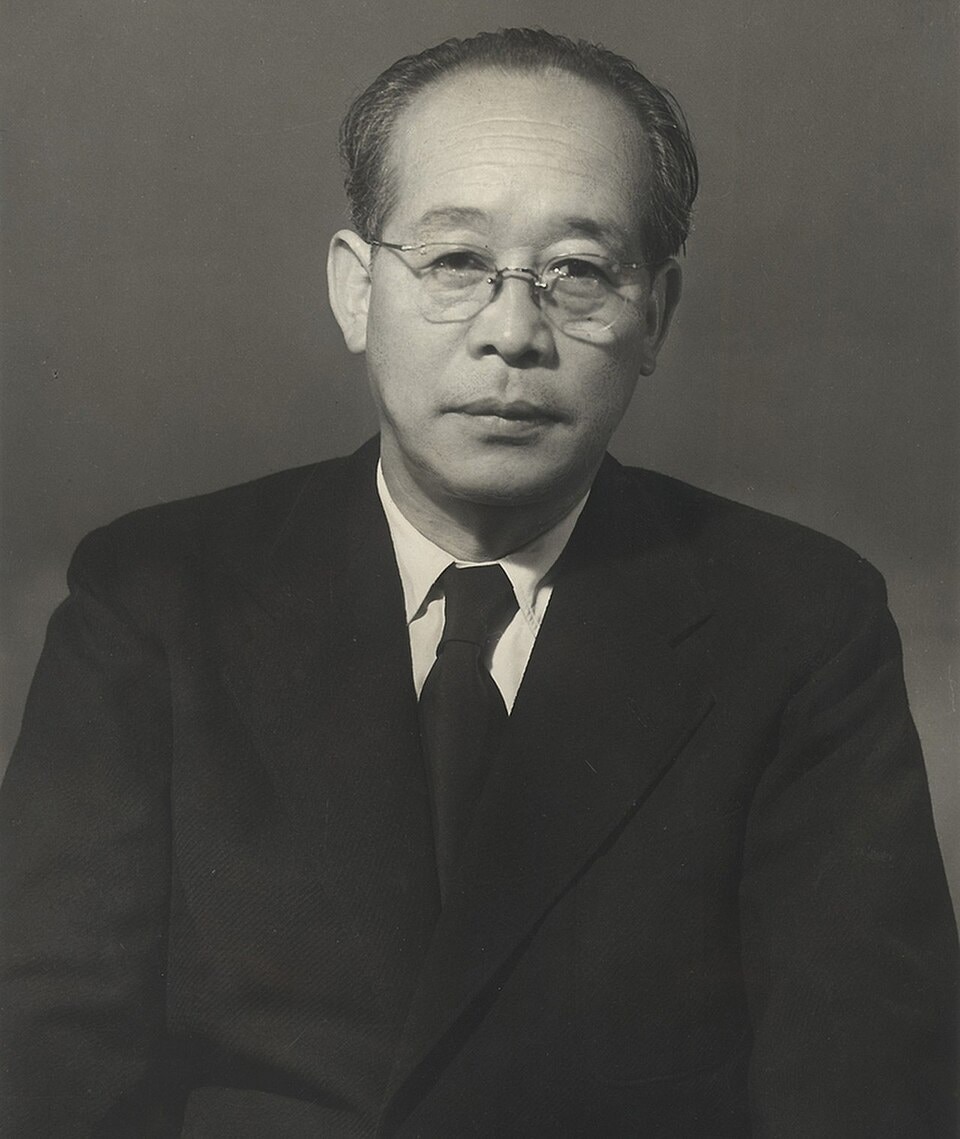
Kenji Mizoguchi
 Japan
JapanBirthday
May 16, 1898
Birth Sign
Taurus
Birthplace
Tokyo, Japan
Age
Died at 58
About
Kenji Mizoguchi, born on May 16, 1898, in Tokyo, was a Japanese film director and screenwriter who crafted roughly one hundred films from 1923 until his death in 1956. Alongside Akira Kurosawa and Yasujiro Ozu, he is considered a pillar of Japanese cinema's golden age. His work often explored the oppression of women in both historical and contemporary Japan, a theme that runs through his most celebrated films: The Story of the Last Chrysanthemums (1939), The Life of Oharu (1952), Ugetsu (1953), and Sansho the Bailiff (1954). The latter three each won awards at the Venice International Film Festival, cementing his international reputation. Mizoguchi's meticulous compositions and long takes influenced directors worldwide, yet his focus on female protagonists set him apart from his peers. He died on August 24, 1956, at age 58, leaving behind a legacy of poetic, socially conscious cinema.
Early Life & Background
Mizoguchi was born in Tokyo's Hongo district. His father, a failed umbrella salesman, struggled financially, and the family's decline forced Mizoguchi's older sister into geisha servitude, an event that left a deep impression on the director and later informed his recurring theme of women's suffering. He left school at a young age and worked odd jobs before discovering film. In 1920, he joined the Nikkatsu studio as an actor and assistant director, learning the craft from established directors. His directorial debut came in 1923 with Footprints of Youth, a silent film now lost. Throughout the 1920s, he directed dozens of films across genres, melodramas, literary adaptations, and social dramas, but struggled to find a consistent style. The Great Kanto Earthquake of 1923 disrupted production, and many early works were destroyed.
Career Growth
Mizoguchi's breakthrough arrived in 1939 with The Story of the Last Chrysanthemums, a sensitive drama about a kabuki actor and his maid that earned critical acclaim and established his mature style. After World War II, he entered his most fertile period. In 1952, The Life of Oharu won the Golden Lion at Venice, introducing him to Western audiences. The following year, Ugetsu took the Silver Lion, blending ghost folklore with a moral tale of ambition and loss. In 1954, Sansho the Bailiff earned another Silver Lion, completing a trio of Venice triumphs. These films, all written with collaborator Yoshikata Yoda, showcased Mizoguchi's signature long takes and deep focus. His later works, such as Street of Shame (1956), continued his critique of patriarchal society. He died of leukemia shortly after completing his final film.
Career Timeline
Public Image & Style
Mizoguchi's public persona was that of a reserved, intense artist. He was known for his meticulous attention to period detail and his ability to draw subtle performances from actors. Critics have praised his elegant, fluid camera movements and his compassionate portrayal of women. Fans and scholars regard him as a master of the jidaigeki (historical drama) and a key figure in Japanese humanist cinema. His work is frequently studied for its feminist themes and formal precision.
Fame & Fandom (iFAMOUS Rankings)
Kenji Mizoguchi stands as a towering figure in the global pantheon of cinema, his influence stretching far beyond the borders of 1950s Japan. Despite a prolific career crafting roughly one hundred films between 1923 and his death in 1956, his posthumous reputation has only deepened over decades of critical re-evaluation. While his work remains a staple of academic study and cinephile devotion, iFANN's Global Fame Engine evaluated this person in August 2026 and found that he does not currently hold a placement in the published rankings or the Global Top 1,000 list. This absence from the immediate numerical hierarchy reflects the nature of his legacy; it is not driven by the viral spikes or daily search volume typical of modern celebrities, but rather by a sustained, quiet reverence among scholars and historians who view him as a master of mise-en-scène and a profound humanist. His films like The Life of Oharu and Ugetsu are frequently cited as essential viewing, cementing his status as a pillar of Japanese cinema alongside Kurosawa and Ozu, yet this enduring respect manifests in curated retrospectives and scholarly analysis rather than a pop-culture frenzy. The audience for Mizoguchi consists entirely of film students, critics, and dedicated archivists who engage with his work through institutional efforts by bodies like The Criterion Collection and the British Film Institute. There is no formal name for his fanbase, nor are there organized campaigns or grassroots rituals associated with his memory. Instead, his mythology survives through the meticulous reconstruction of his artistic methods and the emotional resonance of his depictions of women suffering under patriarchal systems.
Interesting Facts and Legends
Kenji Mizoguchi directed approximately 100 films between 1923 and 1956, yet fewer than half survive today. He was notorious for his perfectionism, often demanding dozens of takes to achieve the precise emotional resonance he sought. Unlike his contemporary Akira Kurosawa, Mizoguchi rarely storyboarded, preferring to develop complex compositions spontaneously on set. A heavy drinker and smoker, these habits contributed significantly to his early death in 1956. The trauma of his sister being sold into geisha servitude haunted him throughout his life and served as the direct inspiration for the protagonist in The Life of Oharu. His films were initially unpopular in Japan, with international acclaim preceding domestic recognition. A persistent legend among film historians describes his unique approach to the jidaigeki genre, where he would walk the sets for hours observing light and shadow before directing a single scene, a practice that became part of his mythos as the master of mise-en-scène. Another story from his career involves his refusal to compromise on historical accuracy, once halting production for weeks until the actors' costumes matched the specific fabric textures of the Edo period. Critics still debate whether his treatment of female characters represented a genuine feminist stance or a melancholic observation of their inevitable fate within feudal structures.
Notable Quotes
“I have always been interested in the suffering of women.”
“The camera must be like a poet's pen.”
“I want to show the truth of human existence.”
“A film should be a work of art, not just entertainment.”
Family & Personal Life
Mizoguchi married Fumiko Mizoguchi, but little is known about their private life. He had no publicly documented children. His older sister, Suzu, was sold into geisha servitude when the family fell into poverty, a trauma that shaped his artistic vision. Mizoguchi rarely spoke about his family in interviews.
Notable Connections
Mizoguchi is frequently compared to Akira Kurosawa and Yasujiro Ozu. He collaborated extensively with screenwriter Yoshikata Yoda and composer Fumio Hayasaka. His films influenced directors such as Martin Scorsese and Pedro Almodóvar.
Relationships & Dating History
Mizoguchi was married to Fumiko Mizoguchi. Details of their courtship and marriage are not widely documented. He remained married until his death in 1956. No other public relationships are recorded.
- MarriedFumiko Mizoguchi? - 1956Married until Mizoguchi's death; little is known about their relationship.
Death & Aftermath
Died
August 24, 1956 (aged 58)
Death Place
Tokyo, Japan
Cause of Death
natural causes related to illness
Kenji Mizoguchi died on August 24, 1956, in Tokyo, Japan. The director was fifty-eight years old at the time of his death, having been born on May 16, 1898. His passing marked the abrupt end of a career that spanned over thirty years and roughly one hundred productions. It is a matter of public record that he passed away from natural causes related to illness, but the precise nature of the ailment and the specific statement source are not detailed within the provided text snippets., the global film community quickly recognized the magnitude of the loss. Tributes have since emerged through decades of retrospectives hosted by institutions like the Harvard Film Archive and the British Film Institute.
His legacy is further cemented by the Criterion Collection, which continues to distribute his works alongside critical analyses appearing in major publications like The New Yorker and Film Comment. Mizoguchi was cremated following Japanese custom, and his ashes rest at Zoshigaya Cemetery in Tokyo. Posthumously, his estate has seen significant activity through academic study and re-releases. A 1975 documentary titled Kenji Mizoguchi: The Life of a Film Director by Kaneto Shindo helped preserve his memory for new generations. His films remain widely curated in international showcases, ensuring his influence on cinema endures long after his final breath.
Awards Won (3)
Mizoguchi won the Golden Lion at the Venice Film Festival in 1952 for The Life of Oharu, and the Silver Lion in 1953 for Ugetsu and again in 1954 for Sansho the Bailiff. These three consecutive Venice awards established his international reputation.
1952 · Best Film
The Life of Oharu
1954 · Best Film
Sansho the Bailiff
1953 · Best Film
Ugetsu
Known For
The Life of Oharu
1952 · Director
Ugetsu
1953 · Director
Sansho the Bailiff
1954 · Director
The Story of the Last Chrysanthemums
1939 · Director
Keywords
Quick Facts
- Profession
- film director, screenwriter
- Born
- May 16, 1898
- Birthplace
- Tokyo, Japan
- Died
- August 24, 1956
- Death Place
- Kyoto, Japan
- Gender
- Male
- Birth Sign
- Taurus
Personal Details
- Spouse
- Fumiko Mizoguchi
Filmography
100
Total
100
Film
0
TV
Frequently Asked Questions
Who is Kenji Mizoguchi?
What are Kenji Mizoguchi's most famous films?
What themes did Kenji Mizoguchi explore in his films?
How many films did Kenji Mizoguchi direct?
When did Kenji Mizoguchi die?
Similar People
Join the community
fans discussing