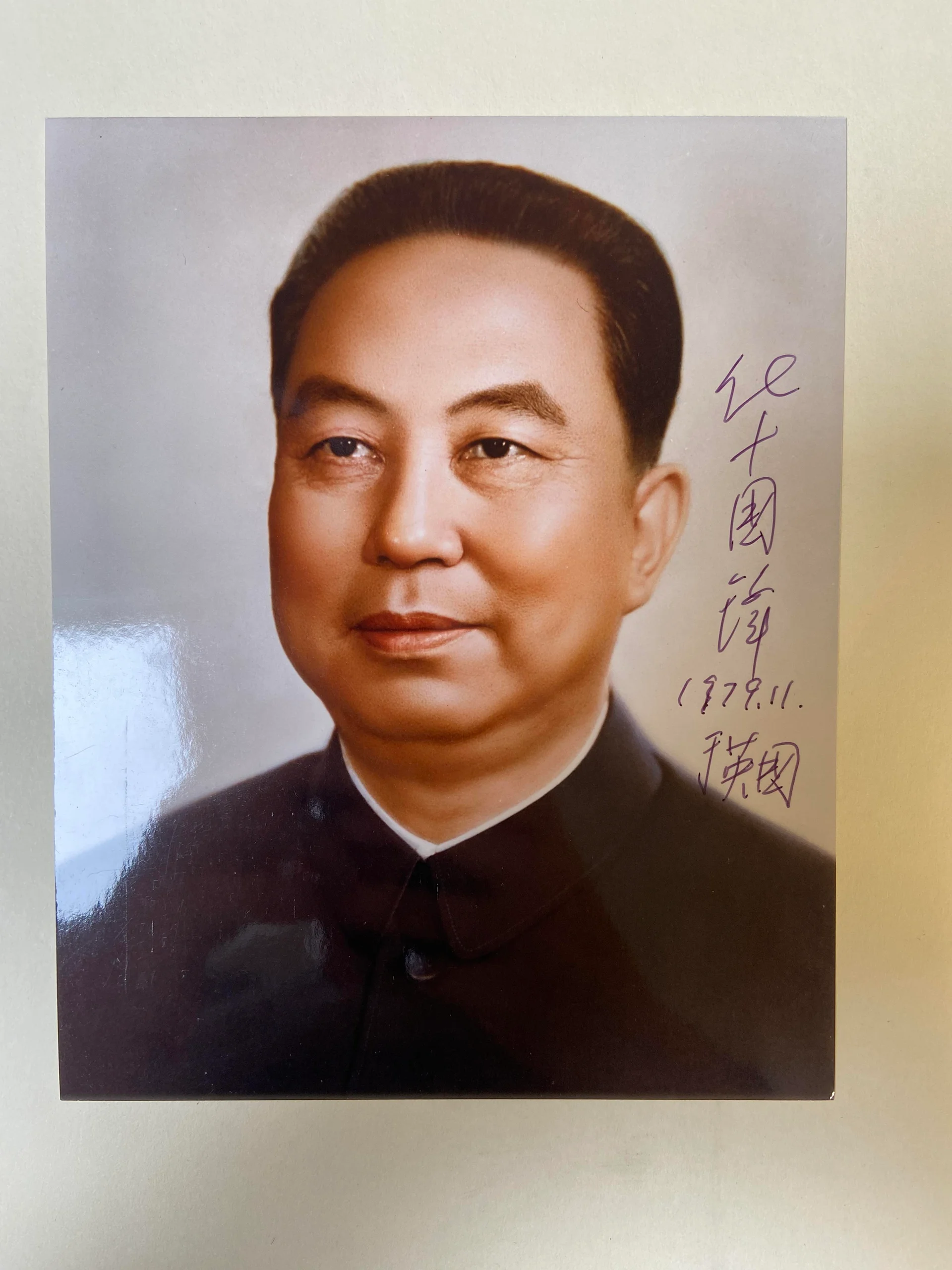
Hua Guofeng
 China
ChinaAlso known as: Su Zhu, Hua Guo Feng, Huaguofeng, Chairman Hua, Premier Hua, Chairman Hua Guofeng, Premier Hua Guofeng
Birthday
February 16, 1921
Birth Sign
Aquarius
Birthplace
Jiaocheng County, Shanxi Province, China
Age
Died at 87
About
Hua Guofeng was a Chinese Communist Party politician who served as Mao Zedong's immediate successor and briefly as China's paramount leader. He was chairman of the Chinese Communist Party from 1976 to 1981 and premier of the People's Republic of China from 1976 to 1980.
He is best known for ordering the arrest of the Gang of Four in October 1976, which ended the Cultural Revolution and brought widespread relief across the country. That single act made him the only paramount leader ever to hold the party chairmanship, the premiership, and command of the Central Military Commission at the same time. His time at the top was short. Deng Xiaoping's reformist faction eclipsed him, and he resigned as chairman on June 28, 1981, though he stayed on the Central Committee until 2002.
He died in Beijing on August 20, 2008, at 87. Historical scholarship has increasingly revisited his record, with some arguing he was wrongly dismissed as weak and that he actually initiated China's post-Mao transformation.
Early Life & Background
He was born Su Zhu in Jiaocheng County, Shanxi Province, on February 16, 1921, into a modest family. He joined the Chinese Communist Party in 1938 and fought in both the Second Sino-Japanese War and the Chinese Civil War. After 1949 he built a reputation as a capable administrator in Hunan province, working his way up to party secretary of Xiangtan. That district included Mao Zedong's birthplace, which gave him an early connection to the Mao cult and to Mao personally.
During the Cultural Revolution he rose to become Hunan's provincial party secretary. By the early 1970s he had moved onto the national stage, appointed Minister of Public Security in 1973 and then vice premier in 1975. The death of Premier Zhou Enlai in January 1976 was the pivot of his life. Mao elevated him to premier and first vice chairman of the party, positioning him as successor. Mao reportedly told him, "You follow him, you follow me," with "him" referring to the just-deceased Zhou.
Career Growth
After Mao died in September 1976, Hua moved decisively. In October 1976, working with security chief Wang Dongxing, he orchestrated the arrest of the Gang of Four, ending the Cultural Revolution. He then took the posts of party chairman and chairman of the Central Military Commission, becoming the only paramount leader to hold the party leadership, the premiership, and military command simultaneously.
His tenure was short. He resigned as chairman on June 28, 1981, after more than five years in the post, progressively overshadowed by Deng Xiaoping's reformist agenda. In November 1979 he visited Western Europe and stressed a new pragmatism in Chinese foreign policy. He remained a member of the Central Committee until 2002. Historical scholarship has increasingly revisited his record, with a 2022 academic article arguing he was wrongly dismissed as weak and incompetent and in fact initiated China's post-Mao transformation.
Career Timeline
Public Image & Style
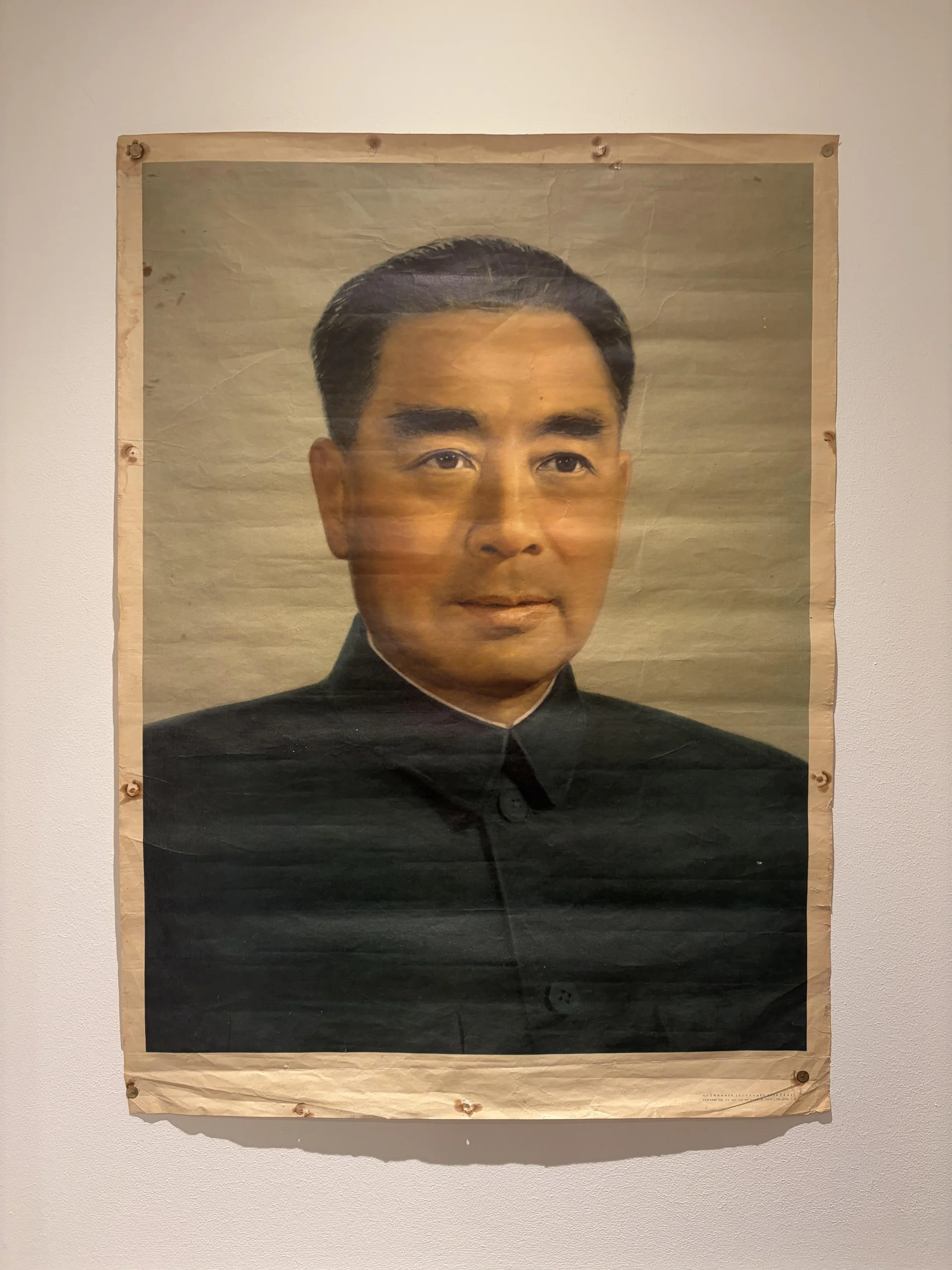
Hua's public image was that of a transitional, stabilizing administrator rather than a charismatic leader. He came across as a loyal party man elevated by circumstance, and the propaganda of his tenure cast him as Mao's legitimate heir. The posters and slogans of 1976 to 1978 were state-produced mobilization tools, not personal tributes. He never developed the kind of personal following that later Chinese leaders cultivated.
Media coverage of him, both during his rule and after, has treated him as a figure of the post-Mao transition rather than a personality. His public voice was institutional and restrained, and he rarely gave interviews or spoke off-script. The phrase most associated with him, "You follow him, you follow me," was Mao's instruction to Hua, not something Hua said himself. No awards, honorary degrees, or magazine covers are documented for him, which is unsurprising for a political figure rather than an entertainer.
Fame & Fandom (iFAMOUS Rankings)
Decades after his passing, Hua Guofeng still holds a place in the national memory. As of the September 2026 rankings, he stands as the 42nd most famous person from China, holding steady from the previous cycle in the iFANN Global Fame Rankings.
There is no documented fandom, fanbase name, fan campaign, ritual, or fan-funded project associated with him. He never cultivated one, and none emerged after his death. The propaganda posters from his tenure were state-produced mobilization tools, not fan tributes. His relationship with the public was one of governance and authority, not popular devotion. What attention he receives today comes from historians, students of the post-Mao transition, and Chinese citizens who encounter his name in textbooks and official histories, not from an organized following.
Interesting Facts and Legends
He was born Su Zhu, and "Hua Guofeng" was a wartime name. One source records him as the nom de guerre of Liu Zhengrong, born in Jiaozheng county in 1920 or 1921, with the birth year disputed between the two. He is the only Chinese paramount leader to have held the party chairmanship, the premiership, and the military commission chairmanship at the same time.
His power struggle with Deng Xiaoping lasted five years, a contest documented in declassified CIA analysis. Despite being remembered as a stopgap, revisionist scholarship credits him with launching China's reform-era transformation. The 2021 official rehabilitation of his memory was politically loaded, functioning as an implicit critique of Deng, and his statue became the subject of a rare protest in 2016.
Family & Personal Life
Hua Guofeng kept his personal life deliberately private, and the biographical record says little about his household. He was born into a modest family in Jiaocheng County, Shanxi Province, in 1921. No spouse or children are named in the available sources, and no family stories or values were shared publicly during his lifetime or after. His public identity was entirely political, and he never cultivated the kind of personal narrative that would open his home life to scrutiny.
Notable Connections
Mao Zedong was his patron and predecessor. Zhou Enlai's death in January 1976 triggered his elevation. Wang Dongxing was his ally in the arrest of the Gang of Four. Deng Xiaoping was the rival successor who eclipsed him. Hu Jintao eulogized him in 2008, and Wen Jiabao attended his funeral.
Relationships & Dating History
The available sources document no public romantic relationships, marriages, divorces, or dating history for Hua Guofeng. His personal life was deliberately private and is not covered in the biographical record. No partner is named in any of the sources retrieved. He was deceased as of 2008, so there is no current relationship status to report.
Death & Aftermath
Died
August 20, 2008 (aged 87)
Death Place
Beijing, China
Cause of Death
Natural causes related to advanced age and chronic illness
Hua Guofeng spent his last years in Beijing as a retired senior leader, far from the daily machinery he had once commanded. He died on August 20, 2008, at 87, in a Beijing hospital, after a long illness. Xinhua News Agency attributed the death to natural causes tied to advanced age and chronic conditions. State and international outlets reported the time and place without dispute, and no competing account of his final months has surfaced in the years since.
Then-President Hu Jintao eulogized him as a distinguished party member and a great proletarian revolutionary who steadied the country after the Cultural Revolution. The funeral followed top-leader protocols, with Premier Wen Jiabao among the officials present. His remains were cremated on August 31, 2008, at Babaoshan Revolutionary Cemetery, where his ashes were interred. The ceremony was covered by state media in the formal register reserved for senior Party figures, and it closed the public chapter of a career that had begun in wartime Shanxi.
His memory kept surfacing in Chinese politics long after. In 2016, plans to remove a statue of Hua in his home province triggered a rare public protest, a sign of his residual symbolic pull. A 2021 official commemoration of Hua was widely read as an implicit jab at Deng Xiaoping's legacy, part of a broader rebalancing of how the Party narrates the post-Mao transition. Historians continue to debate whether his brief tenure deserves the dismissive label it long carried.
Net Worth (Estate Value)
As a lifelong state official and then a retired senior leader, no personal wealth estimates have ever been published. He held no business interests, no commercial endorsements, and no entertainment income. His estate is not the subject of any documented valuation, and no posthumous earnings, licensing deals, or estate-management arrangements have been reported. The absence of figures is itself the story: Chinese senior leaders of his generation were compensated through state provisions rather than accumulated private wealth, and the biographical record contains nothing that would support a dollar estimate.
Awards & Accolades
View 2 records, honours and achievementsKnown For
Arrest of the Gang of Four
1976 · Party leader who ordered the arrests
Chairman of the Chinese Communist Party
1976-1981 · Paramount leader of China
Premier of the People's Republic of China
1976-1980 · Head of government
Successor to Mao Zedong
1976 · Mao's designated heir
Keywords
Sources
Quick Facts
- Profession
- Politician
- Born
- February 16, 1921
- Birthplace
- Jiaocheng County, Shanxi Province, China
- Died
- August 20, 2008
- Death Place
- Beijing, China
- Gender
- Male
- Birth Sign
- Aquarius
- Party Chairman
- 1976-1981
- Premier
- 1976-1980
Personal Details
- Full Name
- Su Zhu
Frequently Asked Questions
Who was Hua Guofeng?
How did Hua Guofeng come to power?
Why was Hua Guofeng removed from power?
When and how did Hua Guofeng die?
Was Hua Guofeng a good leader?
Join the community
fans discussing