
Hippocrates
 Greece
Also known as: Hippocrates II, Hippocrates of Kos, Hippocrates I of Kos
Birthday
-0460
Birth Sign
Aries
Birthplace
Kos, Greece
Age
Died at 90
About
Hippocrates of Kos was a Greek physician and philosopher of the classical period who is traditionally revered as the "Father of Medicine." Born on the Aegean island of Kos around 460 BC, he revolutionized ancient Greek medicine by establishing it as a discipline distinct from superstition, philosophy, and religious ritual. His legacy rests on the systematic observation of patients, the recording of symptoms, and the formulation of clinical prognoses, which laid the groundwork for modern medical specialties including surgery, urology, neurology, and orthopedics.
He founded the Hippocratic School of Medicine, which emphasized clinical observation and ethical conduct. His major contributions include the compilation of the Hippocratic Corpus, a collection of approximately 60 medical works written by himself and his students, and the Hippocratic Oath, a code of ethics still used by physicians today. Though specific details of his personal thoughts are often conflated with those of his followers, his impact on the history of science remains unmatched.
Early Life & Background
Hippocrates was born on the island of Kos to Heraclides, a member of the Asclepiad family, a lineage of hereditary physicians who claimed descent from Asclepius, the god of healing. He was named after his grandfather, Hippocrates I, suggesting a multi-generational tradition of medical practice within his family. While specific details of his childhood are obscured by legend, historical consensus places his birth in the mid-5th century BC. He received his early education within the Asclepiad tradition, likely learning anatomy, herbalism, and surgical techniques from his father and other family members.
By the age of roughly 20, he began practicing medicine, initially on Kos and later traveling extensively throughout Greece. Historical accounts suggest he may have studied with contemporary thinkers like Herodotus or Prodicus, though these claims are debated. He traveled to Athens, Thessaly, and possibly Persia, treating various patients and political figures. Before his fame solidified, he worked as a wandering physician, gathering case studies and refining his methods of diagnosis through direct observation rather than divine intervention.
Career Growth
Hippocrates' pivotal moment came when he successfully separated medicine from religion. Prior to his influence, illness was widely attributed to divine punishment or demonic possession, and treatment involved rituals and prayers at temples like that of Asclepius. He introduced the radical idea that diseases had natural causes and could be understood through observation and reason. This shift established the Hippocratic School of Medicine, which emphasized clinical observation, prognosis, and ethical conduct.
His major projects included the compilation of the Hippocratic Corpus, a collection of approximately 60 medical works written by himself and his students over several decades. These texts covered topics ranging from acute diseases and fractures to dietetics and surgery. His most significant contribution was the Epidemics, a series of case studies documenting patient symptoms and outcomes, which remains a foundational text in medical history. He also authored the Aphorisms, a collection of concise medical maxims, and the Oath, a code of ethics still used by physicians today. His work influenced generations of physicians, including Galen, who systematized and expanded upon Hippocratic teachings in the 2nd century AD.
Career Timeline
Public Image & Style
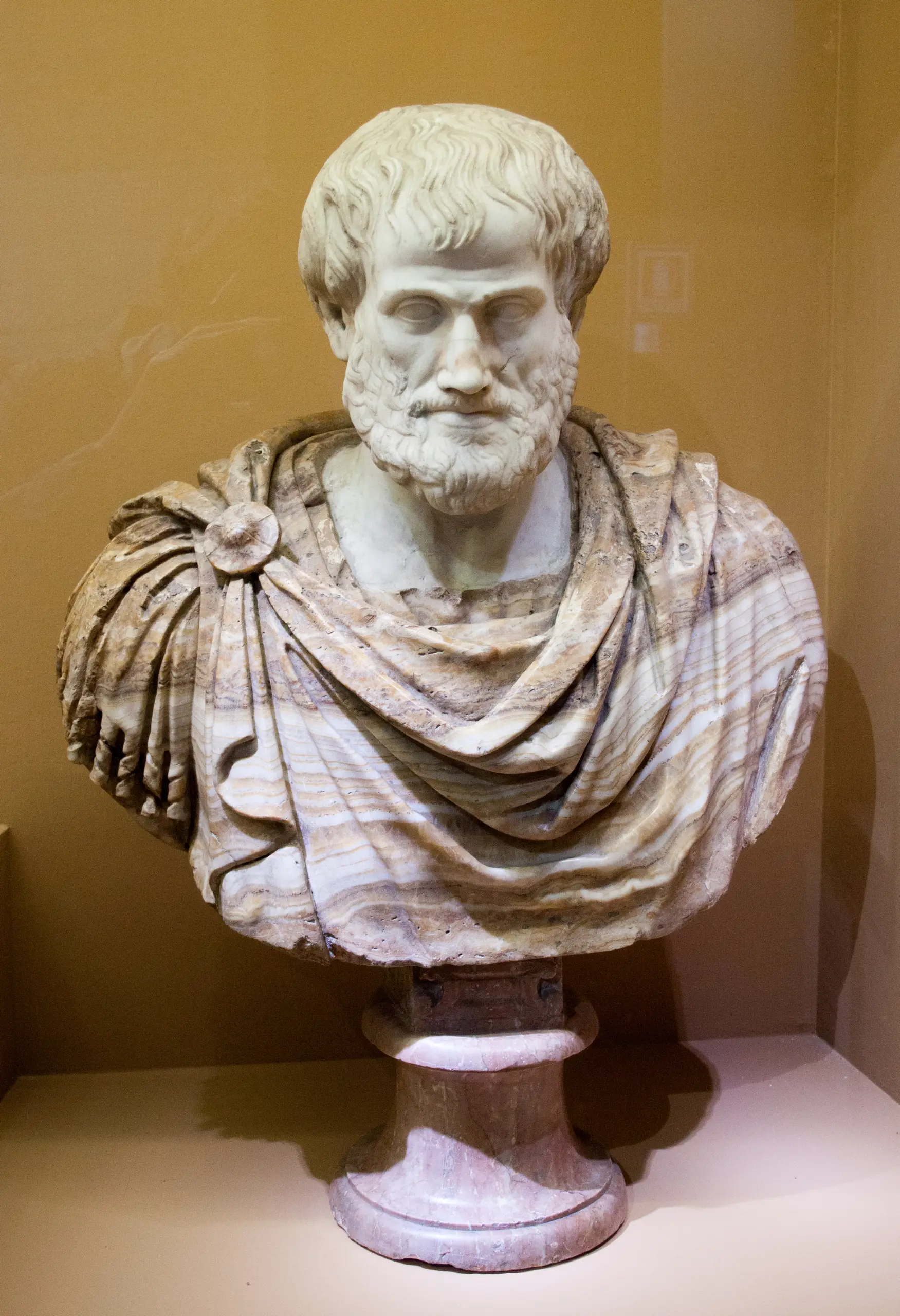
Hippocrates is portrayed as the archetype of the wise, compassionate, and rational healer. His image is one of solemnity, wisdom, and moral authority. Media portrayals consistently emphasize his role as the "Father of Medicine" and the originator of medical ethics. His content, as preserved in the Corpus, is characterized by clinical detachment, observational rigor, and a deep respect for the natural world. He is often depicted in art as an elderly man with a beard, consistent with the idealized image of a wise physician.
Fame & Fandom (iFAMOUS Rankings)
iFANN has not yet collected fame data for this person. He does not appear on the September 2026 iFAMOUS Rankings flagship list. There is no organized fandom for Hippocrates in the modern entertainment sense. However, the medical community, historians, and students of medicine form a global "community of practice" that reveres his work. Notable campaigns include the annual observance of the Hippocratic Oath by medical schools worldwide and the "Hippocrates Day" celebrations in some countries. Fans (medical professionals and students) engage in rituals such as taking the oath and studying his case histories.
Interesting Facts and Legends
Although later discredited, Hippocrates' theory of the four humors (blood, phlegm, yellow bile, black bile) dominated Western medicine for nearly 2,000 years. He was the first to systematically predict the course of a disease based on observed symptoms, introducing the concept of prognosis. He introduced the use of the "Hippocratic Wheel" for limb traction and described techniques for reducing dislocated shoulders. He emphasized the role of diet and lifestyle in health, famously stating, "Let food be thy medicine and medicine be thy food." The Hippocratic Corpus is now believed to contain works written by multiple authors, not just Hippocrates himself, spanning several generations of his school.
Notable Quotes
“Let food be thy medicine and medicine be thy food.”
“To cure sometimes, to relieve often, to comfort always.”
“Experience is the best teacher.”
“Life is short, the art long, opportunity fleeting, experiment dangerous, judgment difficult.”
“It is better to prevent disease than to cure it.”
Family & Personal Life
Hippocrates was married to Phoenice, a woman from the island of Kos, with whom he had three children: Thessalus, Draco, and Eucrasis. Thessalus continued his father's work and became a prominent physician in his own right. Draco and Eucrasis also practiced medicine, continuing the family tradition. Little is known about his private life beyond his family connections, as the focus of his era's records was on his professional contributions. He was known to be a man of principle, refusing to treat those who were not willing to pay or those whose conditions were deemed hopeless by his standards.
Notable Connections
Relationships & Dating History
As an ancient figure living in the 5th century BC, there are no detailed public dating histories, romantic flings, or engagement timelines available in the modern sense. Historical records do not document casual relationships, high-profile breakups, or current relationship status updates. The only confirmed long-term partnership was his marriage to Phoenice. They met through family or community ties on Kos and raised three children together: Thessalus, Draco, and Eucrasis. There are no recorded divorces or separations. Phoenice remained his wife until his death around 370 BC.
- MarriedPhoenice? - -0370Met through family ties on Kos; raised three children together.
Death & Aftermath
Died
-0370 (aged 90)
Death Place
Kos or Larissa, Greece
Cause of Death
Natural causes (old age)
Hippocrates passed away around 370 BCE at the estimated age of ninety, likely on the island of Kos where he spent most of his life practicing medicine. Some ancient accounts suggest he may have traveled to Larissa in Thessaly to treat King Amyntas III before dying there, but no definitive records confirm the exact location or date of his death. The cause remains unknown, though his advanced age points to natural causes rather than violence or disease. No formal funeral rites were documented in the historical record, as the focus immediately shifted to preserving his teachings.
The aftermath of his death saw his students and son, Thessalus, continue to teach and write, ensuring the survival of the Hippocratic Corpus. Over the centuries, his name became synonymous with medical ethics and rational practice. Modern tributes include the annual recitation of the Hippocratic Oath by graduating medical students worldwide and various academic awards named in his honor. His legacy sparked centuries of debate regarding the interpretation of his writings, leading to the development of Galenic medicine and eventually modern clinical science. No legal disputes over his estate are recorded, but his intellectual property effectively became the foundation of Western medicine.
Net Worth (Estate Value)
$0
iFANN Editorial Team estimate
Hippocrates lived in the 5th century BC, a time before the concept of personal net worth, currency, or financial assets existed in the modern sense. He practiced medicine, likely receiving payment in kind (food, livestock, or goods) rather than coin, though the value of such payments cannot be calculated in modern dollars. Therefore, there is no net worth estimate for 2026, nor any breakdown of wealth sources. His "wealth" is entirely intellectual and cultural, measured in the enduring value of the Hippocratic Corpus and the global adoption of his ethical standards.
Awards & Accolades
View 9 records, honours and achievementsKnown For
Hippocratic Corpus
-0400 · Author
Hippocratic Oath
-0400 · Author
Epidemics
-0410 · Author
Keywords
Sources
Quick Facts
- Profession
- physician, philosopher
- Born
- -0460
- Birthplace
- Kos
- Died
- -0370
- Death Place
- Larissa
- Gender
- Male
Personal Details
- Full Name
- Hippocrates of Kos
- Spouse
- Phoenice
- Children
- Thessalus, Draco, Eucrasis
- Education
- Asclepiad tradition; apprenticed under father Heraclides
Frequently Asked Questions
What is the Hippocratic Oath?
Did Hippocrates really exist?
Where was Hippocrates born?
What is the Hippocratic Corpus?
How did Hippocrates die?

Join the community
fans discussing