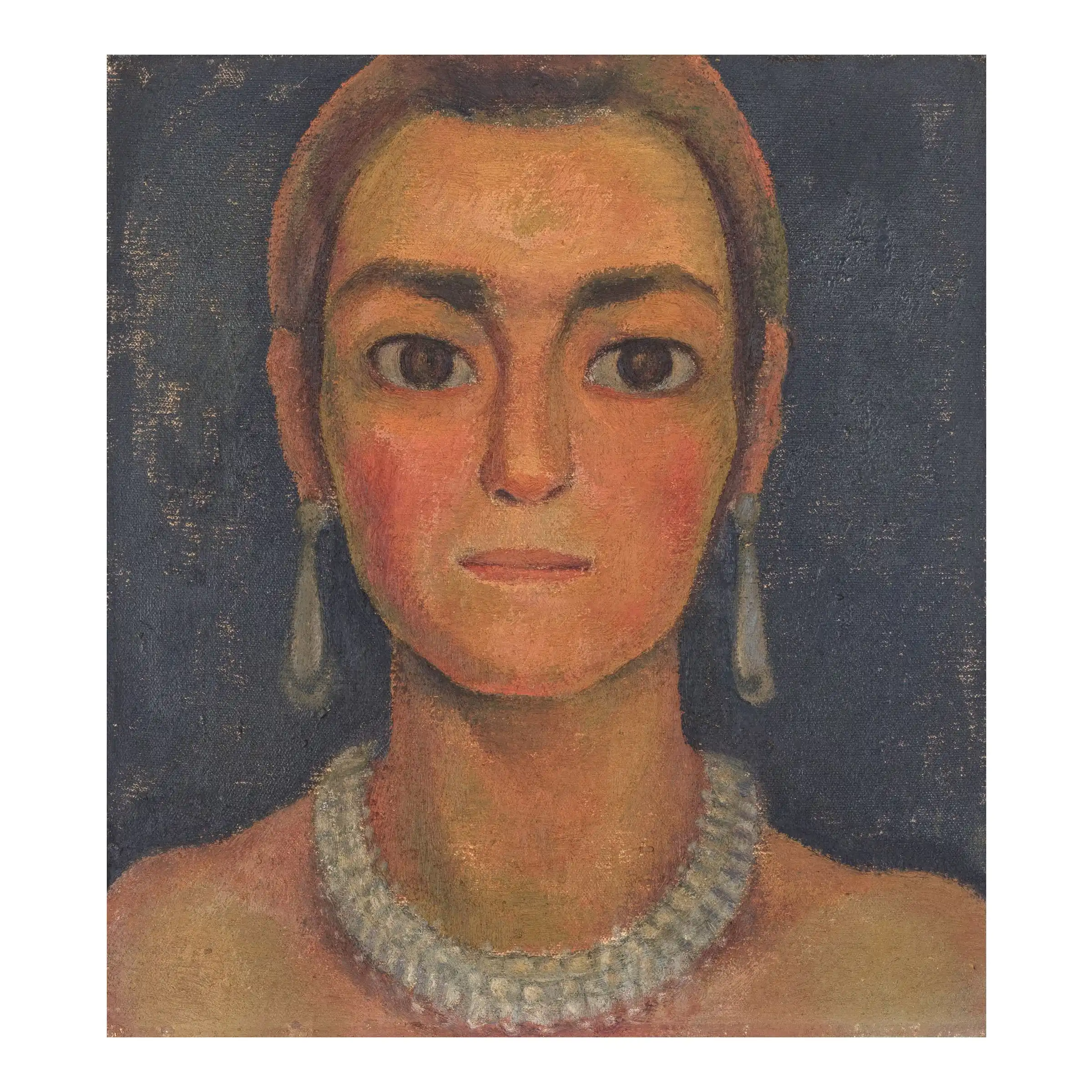
Diego Rivera
 Mexico
muralist•painter•architectural drafter
Also known as: Diego María de la Concepción Juan Nepomuceno Estanislao de la Rivera y Barrientos Acosta Rodríguez, Rivera Diego, José Diego María Rivera
Birthday
December 8, 1886
Birth Sign
Sagittarius
Birthplace
Guanajuato, Mexico
Age
Died at 70
Height
5 ft 9 in (175 cm)
About
Diego Rivera was a Mexican muralist and painter who became the central figure of the Mexican Muralism movement. Born in Guanajuato on December 8, 1886, he created vast frescoes that redefined public art by blending modernist techniques with socialist ideology and indigenous history. His work adorned buildings across Mexico and the United States, including major commissions in Mexico City, Detroit, and New York.
Rivera's artistic legacy is defined by his monumental scale and political engagement. He spent decades painting murals for government institutions, universities, and private collectors. His most famous American project, the Detroit Industry Murals, consisted of 27 panels depicting the industrial might of Detroit. Despite controversies like the destruction of his Rockefeller Center commission, he remained a dominant force in 20th-century art until his death in 1957.
Early Life & Background
Diego Rivera was born into a family of some means in Guanajuato, where his father worked as a journalist and his mother taught school. He displayed an early aptitude for drawing that caught the attention of local educators. By age ten, he had enrolled at the prestigious Academy of San Carlos in Mexico City, where he received rigorous classical training in technique and composition.
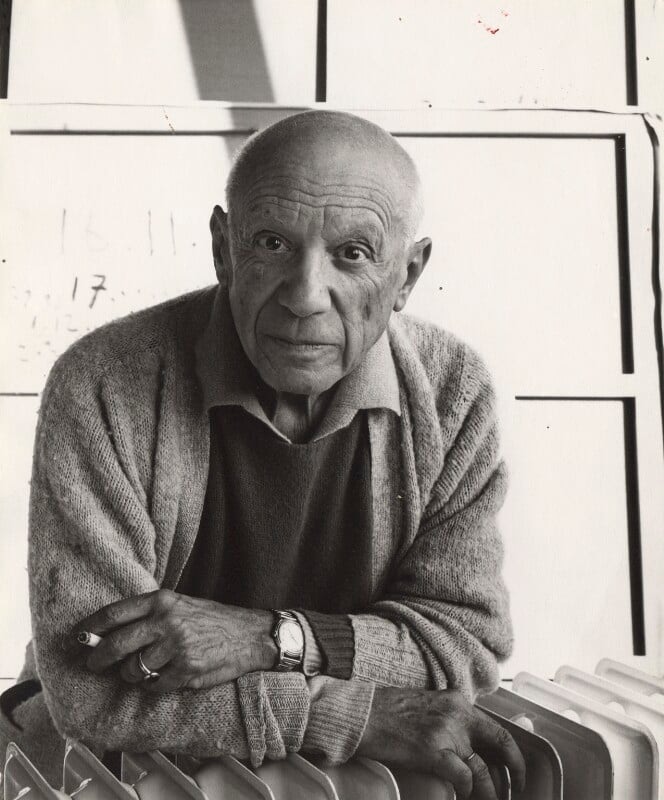
In 1907, the young artist won a scholarship to study in Europe, marking the beginning of a transformative decade abroad. He traveled extensively through Spain, France, and Italy, immersing himself in the avant-garde circles of Paris. During this period, he absorbed the styles of Pablo Picasso and Paul Cézanne, developing a unique approach that merged Cubist fragmentation with traditional fresco methods. These years were crucial for his political awakening; he began aligning with leftist movements that would later define his career. Before returning to Mexico, he lived in poverty in Paris, supporting himself with small commissions while refining the style that would soon revolutionize Mexican art.
Career Growth
Upon returning to Mexico after the Revolution, Rivera found a government eager to forge a national identity through art. In 1921, he painted his first major public mural, The Creation, at the Ministry of Public Education. This work established him as the leader of the new mural movement. The following year, Minister of Education José Vasconcelos commissioned him to paint the National Palace, a massive project depicting the history of Mexico from pre-Columbian times to the revolution.
Rivera's international fame grew rapidly. A retrospective at the Museum of Modern Art in New York in 1931 solidified his status as a global artist. His time in the Soviet Union between 1927 and 1930 deepened his revolutionary ideals, though he eventually grew critical of Stalinism. In 1932, he began work on the Detroit Industry Murals for the Detroit Institute of Arts. These 27 panels, completed in 1933, celebrated industrial labor but sparked controversy when critics questioned their religious imagery.
The most famous incident of his career occurred in 1933 when John D. Rockefeller Jr. commissioned Rivera to paint Man at the Crossroads for the RCA Building. Rivera included a portrait of Vladimir Lenin. When the Rockefellers demanded its removal, Rivera refused, and the mural was destroyed. He later recreated the work in Mexico as Man, Controller of the Universe. Throughout the 1940s and 1950s, despite health issues, he continued producing major works in Mexico, San Francisco, and New York.
Career Timeline
Public Image & Style
Rivera is portrayed as a larger-than-life figure, a revolutionary artist who believed in the power of art to educate and inspire social change. His public image is one of a man deeply connected to his roots, a socialist, and a master of the fresco technique. Known for his distinctive mustache, heavy build, and flamboyant dress, he often wore suits or traditional Mexican attire depending on the context. Media coverage during his lifetime highlighted his political activism and his ability to command large-scale public projects. He was seen as a cultural ambassador for Mexico, promoting indigenous heritage and socialist ideals on the world stage.
Fame & Fandom (iFAMOUS Rankings)
Current assessments place Diego Rivera as the 51st most famous person in Mexico, having held steady from the previous cycle. He is recognized as the 17th most famous person from Mexico, maintaining his standing from the prior period. Within the broader Latin American sphere, he holds the 54th most famous person in Latin America, a position unchanged since the last evaluation. In the specific sector of Art & Design, he ranks as the 51st most famous person in Art & Design, a placement consistent with recent trends. These rankings are part of the iFANN Global Fame Rankings.
Rivera was featured at No. 16 in the September 2026 iFAMOUS Rankings. While Rivera was an international celebrity during his lifetime, his modern audience does not organize under a formal moniker or fan club name; instead, engagement remains institutional and academic rather than structured around active fandom rituals. Fans are primarily art historians, students, and enthusiasts of Mexican culture who focus on preserving his murals and promoting his work in educational settings.
Interesting Facts and Legends
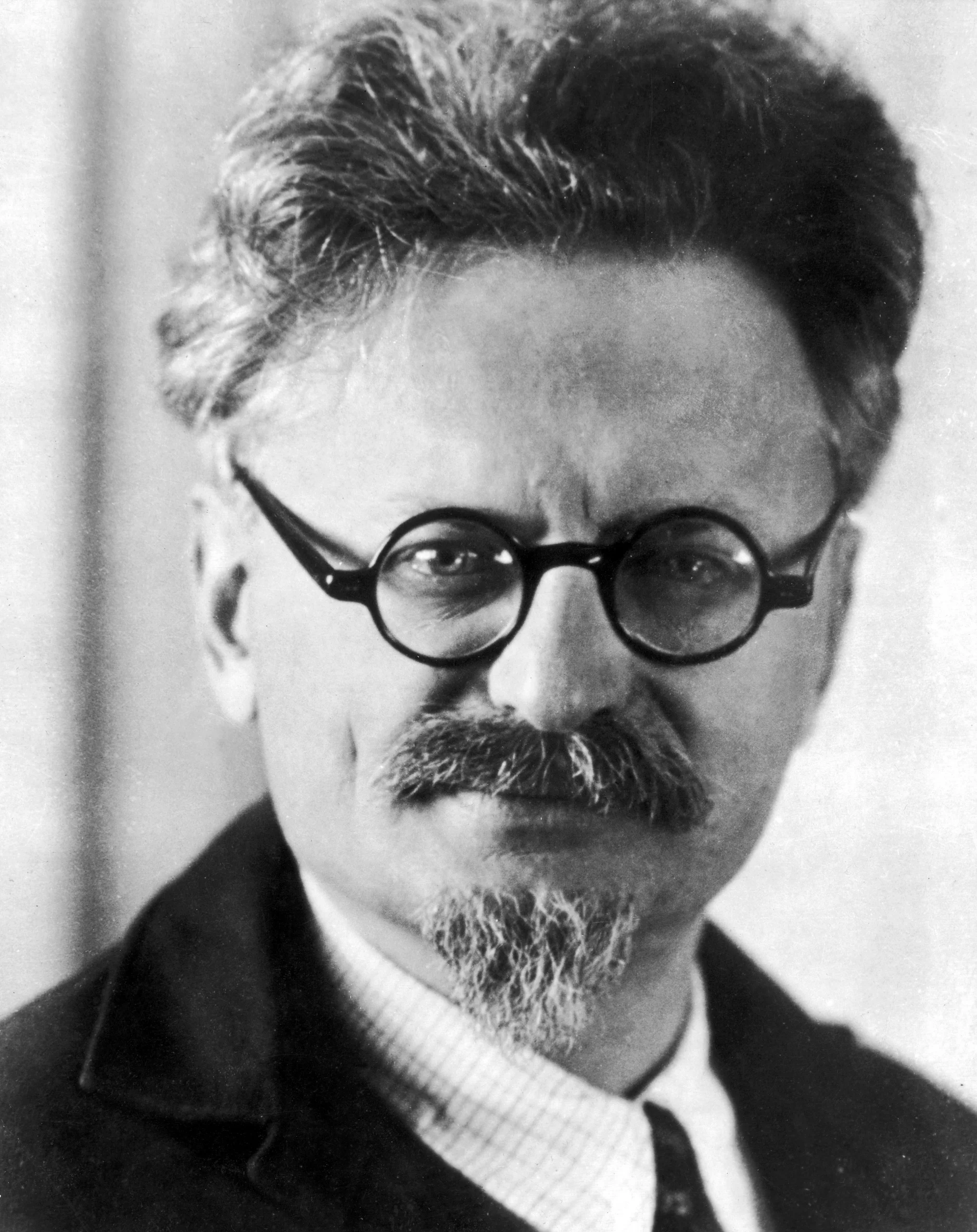
Diego Rivera claimed that half the surface of his first mural, The Creation, was painted using wax, but forensic analysis in recent years revealed discrepancies in the materials used. The inclusion of Vladimir Lenin in the Rockefeller Center mural remains one of the most famous acts of artistic defiance in history, leading to the destruction of the original work. Rare footage from 1938 captures Rivera and Frida Kahlo visiting Leon Trotsky in Mexico, a moment preserved in vintage film. Rivera was a committed communist and a member of the Communist Party of Mexico, which frequently caused friction with conservative patrons and government officials. His tumultuous marriage to Frida Kahlo is often cited as the ultimate example of a passionate, destructive, yet creatively fertile partnership that produced two of the century's most iconic artists.
Notable Quotes
“An artist is above all a human being, profoundly human to the core.”
“I am a Mexican, and I want to paint my country.”
Family & Personal Life
Diego Rivera was the son of a Spanish immigrant journalist and a teacher. He had a complex personal life marked by four marriages and six children, though only two survived infancy. His relationship with his wife Frida Kahlo was legendary for its passion and turbulence. They married in 1929, divorced in 1939, and remarried in 1940. Their union lasted until Frida's death in 1954. Rivera also had relationships with Angelina Beloff, Guadalupe Marín, and Emma Hurtado. Emma managed his estate after his death. His children included Diego Rivera Jr., Ruth, and Marika, the latter of whom died shortly after birth.
Notable Connections
Relationships & Dating History
Diego Rivera's personal life was as turbulent and complex as his art, marked by four marriages and numerous affairs. He first married Angelina Beloff in 1909. Angelina was a Russian artist he met in Madrid. They had one son, Diego, who died at age two in 1921. The marriage ended in divorce following Rivera's growing involvement with Mexican politics and his relationship with Guadalupe Marín.
He married Guadalupe Marín in 1922. She was a model and muse who became Rivera's second wife. They had two children: Ruth (born 1922) and Diego (born 1924). The couple divorced in 1929 due to Rivera's infidelity and her own struggles with mental health. Rivera then married Frida Kahlo in 1929. Their relationship was legendary for its passion, infidelity, and turbulence. Frida was a fellow artist, and their union was both a romantic and artistic partnership. They had one daughter, Marika, who died shortly after birth. They divorced in 1939 but remarried in 1940. The second marriage lasted until Frida's death in 1954. During this time, Rivera had many affairs, including with his sister-in-law, which contributed to their separations.
Finally, he married Emma Hurtado in 1955, just a year before his death. Emma was a young artist and former student. She cared for Rivera during his final years and managed his estate after his death. As of 2026, Rivera is remembered as widowed, having been married to Emma Hurtado at the time of his death.
- MarriedAngelina Beloff1909 - 1921Met in Madrid; had one son who died at age two; divorced due to political differences.
- MarriedGuadalupe Marín1922 - 1929Model and muse; had two children; divorced due to infidelity and mental health struggles.
- MarriedFrida Kahlo1929 - 1939Legendary passion and turbulence; one daughter died shortly after birth; divorced.
- MarriedFrida Kahlo1940 - 1954Remarried; lasted until Frida's death; continued artistic partnership.
- MarriedEmma Hurtado1955 - 1957Young artist and former student; cared for him in final years; managed estate.
Death & Aftermath
Died
November 25, 1957 (aged 70)
Death Place
Mexico City, Mexico
Cause of Death
Myocardial infarction triggered by pneumonia
The art world received the passing of Diego Rivera with a mixture of profound loss and quiet reverence, acknowledging the end of a career that had reshaped public spaces across two continents. His final days were spent in Mexico City, where he remained active in his studio until shortly before his health deteriorated significantly. On November 25, 1957, at the age of sixty-nine, Rivera passed away at the Hospital General in Mexico City after suffering from pneumonia which subsequently triggered a myocardial infarction. Details regarding the funeral service, burial location, or specific family statements made immediately following his death remain absent from available records.
The long-term commemoration of his life has since evolved into sustained institutional recognition rather than momentary mourning. Recent exhibitions such as the "Epic of Muralism" in Mexico City and the inclusion of his murals alongside works by modern artists at the Lucas Museum of Narrative Art demonstrate his enduring legacy. Furthermore, the restoration of a giant sculpture of Rivera on the exterior of the Estadio Olímpico Universitario serves as a permanent physical tribute to his contributions to Mexican culture.
Net Worth (Estate Value)
$150 Million
iFANN Editorial Team estimate
As a deceased individual, Diego Rivera does not have a current net worth in the traditional sense of liquid assets. However, his estate remains highly valuable. Research by the iFANN Editorial Team puts his estate value at approximately $150 Million as of 2026. This valuation is driven by the sale of his paintings, licensing of his image, and royalties from reproductions. For instance, his 1931 painting The Rivals sold for $9.76 million USD in 2018, setting records for Latin American art.
The estate generates revenue through sales of original paintings and prints, licensing deals for merchandise and reproductions, and royalties from film and television appearances featuring his work. The Diego Rivera Foundation manages the estate, ensuring the preservation of his works and overseeing commercial activities without public litigation. Recent cultural outputs continue to drive interest, with the 2026 opera El Último Sueño de Frida y Diego at the Met Opera bringing renewed attention to his legacy. The foundation maintains the integrity of his artistic contributions while managing the financial aspects of his posthumous fame.
Awards Won (3)
While Rivera did not win competitive awards in the modern sense, he received numerous prestigious honors. He was awarded the Order of the Aztec Eagle by the Mexican government for his contributions to culture. He received honorary doctorates from universities in Mexico and the United States. His works are designated as historical monuments by the Mexican government, protecting them as national treasures. The Museum of Modern Art held a major retrospective of his work in 1931, recognizing his impact on modern art.
1931 · Cultural Contribution
General Contributions to Mexican Culture
1931 · Education
University of Pennsylvania
Known For
Detroit Industry Murals
1933 · Artist
The History of Mexico
1929 · Muralist
Man, Controller of the Universe
1934 · Artist
The Creation
1921 · Artist
Keywords
Sources
Quick Facts
- Profession
- muralist, architectural drafter, draftsperson
- Born
- December 8, 1886
- Birthplace
- Guanajuato, Mexico
- Died
- November 25, 1957
- Death Place
- Mexico City, Mexico
- Gender
- Male
- Spouse
- Angelina Beloff, Guadalupe Marín, Frida Kahlo, Emma Hurtado
- Birth Sign
- Sagittarius
Personal Details
- Full Name
- Diego María de la Concepción Juan Nepomuceno Estanislao de la Rivera y Barrientos Acosta Rodríguez
- Height
- 5 ft 9 in (175 cm)
- Spouse
- Angelina Beloff, Guadalupe Marín, Frida Kahlo, Emma Hurtado
- Children
- Diego Rivera Jr., Ruth Rivera, Marika Rivera-Azuela, Diego Rivera II
- Education
- Academy of San Carlos
Frequently Asked Questions
Who was Diego Rivera?
How many wives did Diego Rivera have?
What happened to the Man at the Crossroads mural?
Did Diego Rivera and Frida Kahlo have children?
When did Diego Rivera die?
Similar People
Join the community
fans discussing