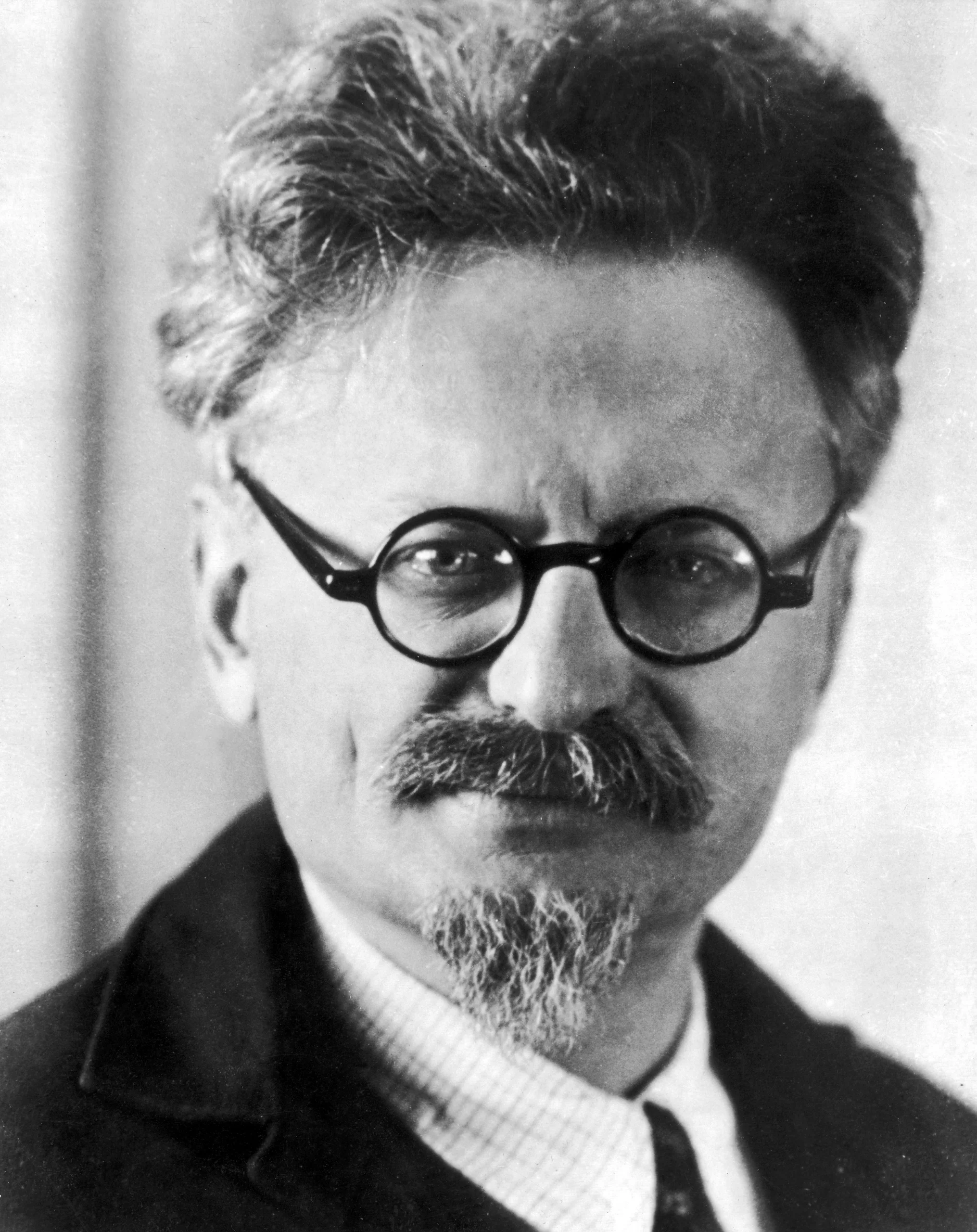
Leon Trotsky
 Mexico
politician•diplomat•autobiographer
Also known as: Lev Bronstein, Lev Davidovich Bronshtein, Lev Davidovich Bronstein, Leon Trotski, Trotsky, Lev Davidovich Bronshteyn, Lev Bronshteyn, Lev Trotsky, Trotskiy, Lev Trotskiy, Lev Davidovich Trotsky, Lev Davidovich Trotskiy
Birthday
October 26, 1879
Birth Sign
Sagittarius
Birthplace
Yanovka (Bereslavka), Kherson Governorate, Russian Empire
Age
Died at 60
Height
5 ft 10 in (178 cm)
About
Leon Trotsky remains one of the most influential revolutionary theorists and political strategists of the 20th century, renowned for his pivotal role in the 1917 October Revolution and the subsequent establishment of the Soviet Union. Born Lev Davidovich Bronstein, he served as the People's Commissar for Foreign Affairs and later for Military Affairs, where he is credited with organizing the Red Army into a disciplined fighting force capable of defeating the White armies during the Russian Civil War. A brilliant orator and writer, he developed the theory of permanent revolution, arguing that socialism could not survive in Russia without global proletarian uprisings, a stance that defined his ideological legacy.
Trotsky is characterized by his intense gaze, sharp intellect, and unwavering commitment to international revolution, often projecting an image of intellectual seriousness through his distinctive appearance of thick dark hair, a prominent nose, and piercing eyes. While he wore suits and ties even in exile, his reputation transcends mere biography to become a symbol of radical opposition to bureaucracy. His works remain foundational texts for leftist movements worldwide, and his life story serves as a cautionary tale about the brutal nature of totalitarian purges. The dramatic circumstances of his assassination in Mexico City continue to captivate historians and political scientists, cementing his status as a tragic figure whose ideas were suppressed yet never fully extinguished.
Early Life & Background
Lev Davidovich Bronstein was born on October 26 (Old Style), 1879, in Yanovka, a village in the Kherson Governorate of the Russian Empire, now part of Ukraine. He grew up in a prosperous Jewish farming family; his father, David Lvovich Bronstein, was a successful grain farmer, and his mother, Anna Lvovna, was well-educated and managed the household finances. Unlike many peasant children of his time, Trotsky received an excellent education, attending school in Odessa where he developed a deep fascination with literature and politics. He read works by Voltaire, Zola, and Marx, which sparked his early political awakening. In 1896, he enrolled at the Nikolayev Real School in Odesa but was expelled in 1897 for participating in student protests against the tsarist regime.
He moved to Kherson to attend high school, where he joined a Marxist study group under the pseudonym "Lenin" before adopting the name "Trotsky" later in life. The name derived from the surname of a prison guard who had once guarded him during his first arrest. By 1897, at age 18, he was arrested for distributing illegal socialist pamphlets, marking his first step toward a career in revolutionary politics. He was sentenced to exile in Siberia but escaped in 1898, fleeing to Western Europe where he would spend much of his life. It was in London in 1902 that he met Vladimir Lenin, beginning a partnership that would define the Bolshevik movement, though their relationship would eventually fracture into a bitter ideological and personal rivalry. During this period, he also began writing extensively on the nature of war and imperialism while refining his theoretical frameworks.
Career Growth
Trotsky's career was defined by his dual role as a strategist and an orator. During the first Russian Revolution in 1905, he was elected chairman of the Saint Petersburg Soviet, where he organized the general strike that paralyzed the city, earning him international recognition as a revolutionary leader. Following the failure of that revolution, he lived in Vienna and Geneva from 1907 to 1914, writing extensively on the nature of war and imperialism while refining his theory of permanent revolution. Upon returning to Russia after the February Revolution of 1917, Trotsky became the chairman of the Petrograd Soviet and the de facto military commander of the Bolshevik uprising. He personally led the storming of the Winter Palace and the seizure of power in November 1917.
Following the Bolshevik victory, he served as the People's Commissar for Military Affairs from 1918 to 1925. In this role, he founded and organized the Red Army from scratch, transforming a ragtag collection of militias into a disciplined, modern fighting force capable of defeating the White armies and foreign interventionists during the Russian Civil War. His use of former Tsarist officers, strict discipline, and propaganda trains made him a legendary figure. After Lenin's death in 1924, Trotsky emerged as the primary rival to Joseph Stalin. While Stalin consolidated power within the party bureaucracy, Trotsky advocated for permanent revolution and warned against the rise of a bureaucratic caste. He was gradually stripped of his posts, expelled from the Communist Party in 1927, and exiled from the Soviet Union in 1929. Despite being hunted by Stalin's secret police, he continued to write prolifically, producing works such as The Revolution Betrayed (1936) and founding the Fourth International in 1938 to lead a new wave of global revolution.
Career Timeline
Public Image & Style
Trotsky is portrayed as a brilliant orator, a ruthless strategist, and a tragic figure. In Western academia, he is often viewed as a martyr to Stalinism, while in some leftist circles, he is revered as a visionary whose ideas were suppressed. His image is characterized by his intense gaze, his sharp intellect, and his unwavering commitment to international revolution. He is known for his distinctive appearance: thick, dark hair, a prominent nose, and piercing eyes. He often wore a suit and tie, even in exile, projecting an image of intellectual seriousness. Standing approximately 5 feet 10 inches tall, his physical presence commanded attention. His legacy is preserved through extensive publications like My Life and The Revolution Betrayed, which remain staples in political science curricula. The dramatic nature of his death—struck down with an ice axe by a disguised agent in his own study—has become a symbol of the brutal nature of totalitarian purges. This event is often retold as a cautionary tale about the dangers of political extremism.
Fame & Fandom (iFAMOUS Rankings)
The devotion surrounding Leon Trotsky differs sharply from modern celebrity culture; he commands not a fanbase of casual admirers but a dedicated cadre of political adherents known as Trotskyists. These followers organize into factions like the Fourth International, driven by his theories of permanent revolution rather than pop-culture rituals or birthday campaigns. While there are no fan-funded subway ads or streaming pushes, his legacy persists through rigorous academic study and the continued publication of his foundational texts, such as the 2026 edition of his memoir My Life. His presence is felt in historical sites like the Blue House in Coyoacán, where he spent his final years, and in artistic tributes that honor him alongside other pivotal figures of the Russian Revolution. The community keeps his ideological fire burning through scholarly debates and organizational struggles, treating his life's work as a living manual for political action rather than a relic of the past.
This enduring global attention places him firmly within the contemporary consciousness of history and literature. According to the iFANN Global Fame Rankings, Leon Trotsky is currently the 42nd most famous person in Mexico. He holds the position of the 10th most famous person from Mexico, reflecting his deep historical ties to the country where he died. In the broader context of Latin America, he ranks as the 24th most famous person in Latin America, a slight dip from his previous standing. Within the realm of intellectual output, he stands as the 64th most famous person in Books & Literature. These placements confirm that while he is a figure of the past, his influence on global thought remains remarkably potent across diverse regions and disciplines. His name and image are frequently used by various political groups, historians, and educational accounts on platforms like Twitter (X), Facebook, and Instagram, collectively reaching millions of followers in political science and history communities.
Interesting Facts and Legends
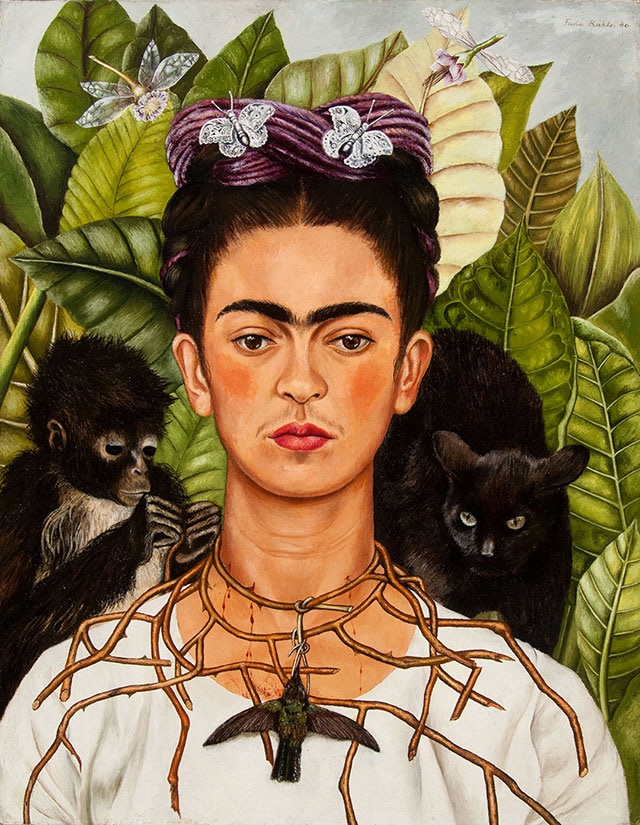
Trotsky adopted the name "Trotsky" in 1902 while in prison, taking it from the surname of a prison guard who had once guarded him. His birth name was Lev Davidovich Bronstein. The weapon used to kill him, an ice axe, was reportedly stolen from the house of Diego Rivera, a friend of Trotsky, adding a layer of irony to the event. Trotsky stayed at the Blue House (Casa Azul) with Frida Kahlo and Diego Rivera. While popular culture often romanticizes a romance between Trotsky and Kahlo, historical evidence suggests their relationship was primarily political and platonic, though Kahlo was briefly involved with a Trotskyist spy. His theory of "permanent revolution" was a direct challenge to Stalin's "Socialism in One Country," leading to his eventual downfall. Stalin launched multiple failed attempts to kill Trotsky before the successful operation in 1940, including poisoning attempts and bombings. Ramón Mercader, the assassin, was awarded the title "Hero of the Soviet Union" in 1943. Trotsky's book My Life was published in 1930 and remains a standard text in political science curricula. A new edition was published in 2026 by Mehring Verlag, indicating ongoing academic relevance. Trotsky did not receive any honorary degrees during his lifetime due to his status as an outlaw in the Soviet Union and many Western nations.
Notable Quotes
“The end may justify the means as long as there is something that justifies the end.”
“Everything is relative in this world.”
“You may not be interested in war, but war is interested in you.”
“Marxism is not a dogma, but a guide to action.”
Family & Personal Life
Trotsky had five children: Lev Sedov, Yevgeny Sedov, Sergei Sedov, Zoya Sedova, and Vadim Sedov. His son Lev Sedov was born in 1906 and died in Paris in 1938 under suspicious circumstances, likely murdered by Stalin's agents. Yevgeny Sedov survived until 1979. Sergei Sedov was executed by Stalin in 1937. Vadim Sedov committed suicide in Mexico City in 1955 after being harassed by Stalinist agents. Zoya Sedova survived until 1988. His wife Natalia Ivanovna Sedova managed his papers until her death in 1962, eventually transferring the bulk of his archives to Western institutions. Trotsky's father, David Lvovich Bronstein, was a successful grain farmer, and his mother, Anna Lvovna, was well-educated and managed the household finances. The family lived in Yanovka, a village in the Kherson Governorate. Trotsky's siblings are less documented, but he maintained close ties with his extended family despite his revolutionary activities. His children faced significant persecution due to their father's status, with most dying young or under tragic circumstances.
Notable Connections
Relationships & Dating History
Trotsky was married twice. His first marriage was to Aleksandra Sokolovskaya in 1903. She was a fellow revolutionary whom he met while both were in exile in Siberia. Their marriage was short-lived; she died of typhus in 1906 while giving birth to their son, Lev Sedov. Some sources suggest they separated earlier due to the dangers of his revolutionary work. His second marriage was to Natalia Ivanovna Sedova, his second cousin, in 1902 (formalized later). Natalia served as his secretary, bodyguard, and intellectual partner throughout his entire political career, including his long years of exile. They remained together despite constant danger, poverty, and displacement. Natalia survived him and died in 1962. As of 2026, Trotsky is deceased and widowed. Natalia managed his papers until her death in 1962, eventually transferring the bulk of his archives to Western institutions. Their relationship was deeply intertwined with his political struggles and exile, serving as a cornerstone of his survival during his years of persecution.
- MarriedAleksandra Sokolovskaya1903 - 1906Met in Siberian exile; she died of typhus shortly after childbirth.
- MarriedNatalia Sedova1902 - 1962Second cousin; served as his secretary and partner throughout his exile.
Death & Aftermath
Died
August 21, 1940 (aged 60)
Death Place
Coyoacán, Mexico City, Mexico
Cause of Death
Hemorrhage and shock from head trauma
While living in exile at his home on Quetzalcoatl Street in Coyoacán, Mexico City, Leon Trotsky spent his final days dictating his manuscript The Revolution Betrayed despite growing security fears. On August 20, 1940, Ramón Mercader, an agent of the Soviet secret police disguised as a Spanish art student named Frank Jackson, entered the study and struck Trotsky on the head with an ice axe. He was rushed to a hospital where surgeons operated on the severe trauma, but he succumbed to hemorrhage and shock the following day. The event was immediately recognized as a political assassination rather than an accident, with historical consensus pointing to authorization by Joseph Stalin despite early denials from Moscow that labeled Mercader a lone wolf.
Mercader was arrested and sentenced to twenty years in prison during a public trial in Mexico City, though diplomatic pressure from the Soviet Union led to his release after only eighteen months. The Soviet state subsequently utilized the killing for propaganda, portraying Trotsky as a traitor while international socialist movements responded with outrage and vigils that galvanized support for the Fourth International he had founded. His funeral took place three days later on August 24, 1940, as a private affair attended by his wife Natalia Sedova, daughter Zoya, and close friends including André Breton and Diego Rivera. Due to threats of further violence, the burial was conducted discreetly at the Panteón Civil de Dolores before his ashes were scattered in the garden of his former residence, which is now the Museum of Leon Trotsky.
In the decades since, his legacy has been preserved through extensive publications like My Life and The Revolution Betrayed, which remain staples in political science curricula. His widow managed his papers until her death in 1962, eventually transferring the bulk of his archives to Western institutions, while foundations such as the Trotsky Society continue to promote his ideas. Mercader was later awarded the title "Hero of the Soviet Union" in 1943. The dramatic nature of his death—struck down with an ice axe by a disguised agent in his own study—has become a symbol of the brutal nature of totalitarian purges. The story is often retold as a cautionary tale about the dangers of political extremism, ensuring that Trotsky's final moments remain a focal point of historical analysis.
Net Worth (Estate Value)
$0
iFANN Editorial Team estimate
Leon Trotsky died in poverty in 1940. He had no liquid assets, real estate holdings, or business ventures at the time of his death. His "wealth" was entirely intellectual and ideological. The value of his intellectual property is estimated to be in the low millions of dollars annually in royalties, but this is distributed among publishers and the organizations managing his archive (such as the International Institute of Social History in Amsterdam), not a single individual.
Since his death, his estate (managed initially by his widow and later by foundations) has generated revenue primarily through royalties from sales of his books, licensing of his image and quotes in documentaries and educational materials, and the sale of access to his papers to universities and research institutions. The iFANN Editorial Team estimates the current value of his intellectual estate at approximately $0, as he left no personal fortune to inherit. He relied on the support of sympathetic followers and donations from the Fourth International during his exile. There is no credible source suggesting a multi-million dollar personal net worth for Trotsky himself, as he left no financial legacy. His posthumous earnings come from the collective management of his works rather than personal accumulation.
Awards & Accolades
View 7 records, honours and achievementsKnown For
History of the Russian Revolution
1930 · Author
The Revolution Betrayed
1936 · Author
My Life
1930 · Author
The History of the Russian Revolution
1932 · Subject
Keywords
Sources
Quick Facts
- Profession
- politician, diplomat, autobiographer
- Born
- October 26, 1879
- Birthplace
- Yanovka (Bereslavka)
- Died
- August 21, 1940
- Death Place
- Coyoacán
- Gender
- Male
- Spouse
- Natalia Sedova, Aleksandra Sokolovskaya
- Birth Sign
- Sagittarius
Personal Details
- Full Name
- Lev Davidovich Bronstein
- Height
- 5 ft 10 in (178 cm)
- Spouse
- Natalia Sedova, Aleksandra Sokolovskaya
- Children
- Lev Sedov, Yevgeny Sedov, Sergei Sedov, Zoya Sedova, Vadim Sedov
- Education
- Nikolayev Real School (Odesa); Kherson High School
Frequently Asked Questions
Who was Leon Trotsky?
How did Leon Trotsky die?
What was Leon Trotsky's theory of permanent revolution?
Did Leon Trotsky have any children?
Where is Leon Trotsky buried?
Similar People
Join the community
fans discussing