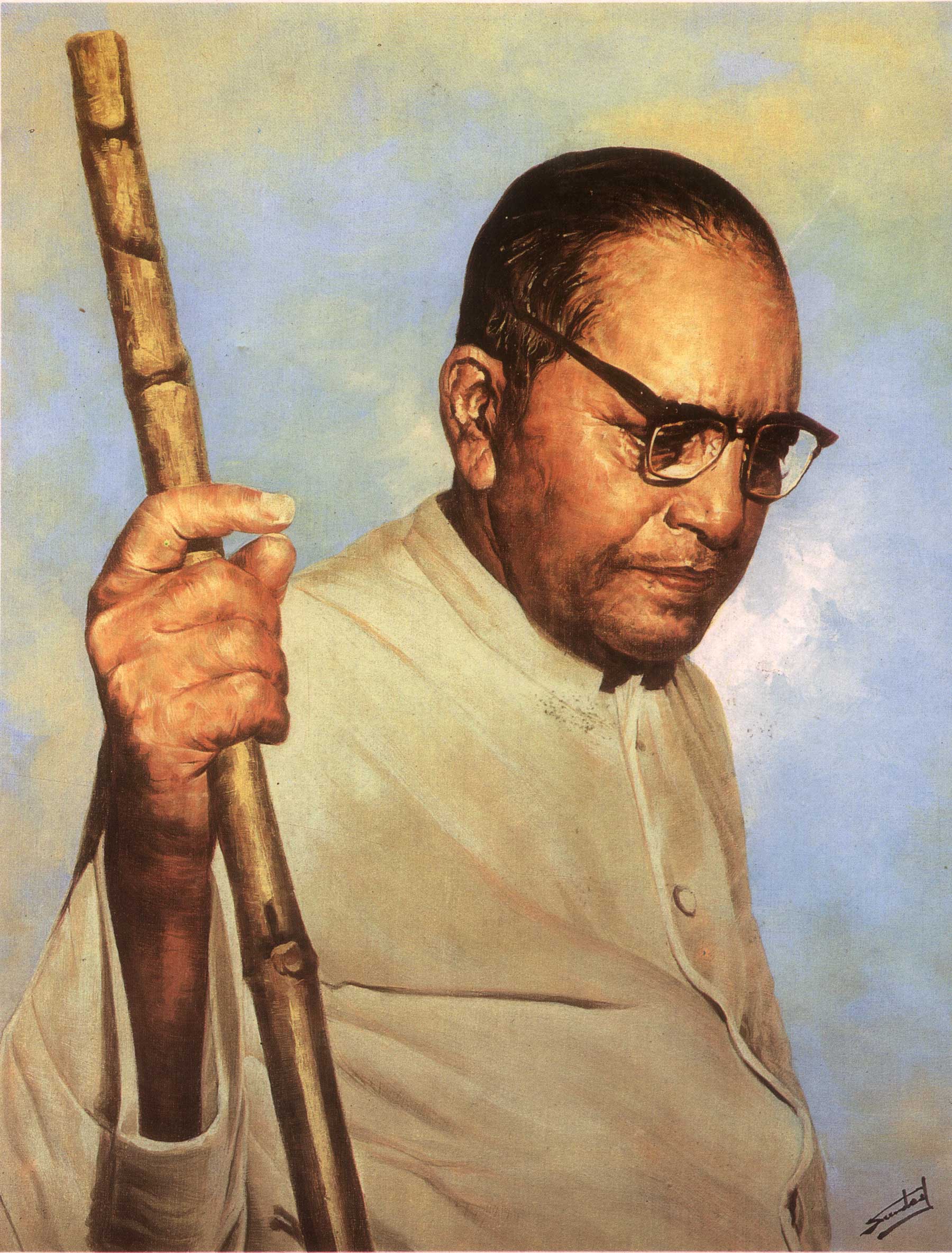
B. R. Ambedkar
 India
Indiaeconomist•politician•constitutionalist
Also known as: Babasaheb Ambedkar, Bhimrao Ramji Sakpal, Dr. Babasaheb Ambedkar, Baba Saheb
Birthday
April 14, 1891
Birth Sign
Aries
Birthplace
Mhow Cantonment, Madhya Pradesh, India
Age
Died at 65
Height
5 ft 6 in (168 cm)
About
Bhimrao Ramji Ambedkar was an Indian jurist, economist, politician, and social reformer who served as the principal architect of the Constitution of India. Born into the Mahar caste, a group classified as untouchables, he dedicated his life to fighting systemic discrimination and securing civil rights for marginalized communities. His intellectual journey took him from the University of Bombay to Columbia University and the London School of Economics, where he earned multiple doctorates in economics, a rare feat for an Indian in the early 20th century.
As the first Law and Justice Minister of independent India, Ambedkar championed gender equality and secularism while drafting the nation's foundational legal document. He is universally revered as Babasaheb Ambedkar, a title reflecting the deep respect held by millions who view him as the father of modern Indian democracy. His legacy continues to shape political discourse and social movements across the country and beyond.
Early Life & Background
Born Bhimrao Ramji Sakpal on April 14, 1891, in Mhow Cantonment, Ambedkar faced severe exclusion from his earliest days. As the fourteenth child of Ramji Maloji Sakpal, an army subedar, and Bhimabai Sakpal, he grew up in a household marked by poverty and the stigma of the untouchable caste system. His schooling began in Satara but quickly turned into a daily battle against humiliation. Teachers forced him to sit on the floor away from other students, denied him access to drinking water, and made him clean latrines. At Elphinstone High School in Mumbai, the segregation continued; he was required to sit on a gunny sack while others sat on chairs.
Despite these oppressive conditions, his academic brilliance shone through. The Maharaja of Baroda, Sayajirao Gaekwad III, recognized his potential and awarded him a scholarship that allowed him to pursue higher education. This patronage was crucial, as it enabled him to travel abroad when such opportunities were virtually non-existent for someone of his background. He earned a Bachelor of Arts and Master of Arts from Columbia University in New York City, studying under the philosopher John Dewey, whose ideas on democracy profoundly influenced his worldview. He later obtained a second doctorate in economics from the London School of Economics and trained as a barrister at Gray's Inn in London.
Career Growth
Ambedkar returned to India in 1917 to teach at Sydenham College, becoming one of the few Indians to hold such a position. By the 1920s, he had established himself as a formidable economic thinker with publications like The Problem of the Rupee. His leadership of the Mahad Satyagraha in 1927, where he publicly burned copies of the Manusmriti, became a defining moment in the struggle against caste oppression. In the 1930s, he negotiated the Poona Pact with Mahatma Gandhi, securing reserved seats for Dalits in the legislature.
His most monumental achievement came after independence. Appointed Chairman of the Drafting Committee of the Constituent Assembly in 1947, he meticulously crafted the Constitution of India, ensuring the inclusion of fundamental rights and affirmative action policies. Serving as the first Law and Justice Minister in Jawaharlal Nehru's cabinet from 1947 to 1951, he introduced the Hindu Code Bills to reform personal laws regarding marriage and inheritance. After resigning from the cabinet in 1951 over the stalled passage of these bills, he focused on writing and social activism, culminating in his historic mass conversion to Buddhism in Nagpur in 1956.
Career Timeline
Public Image & Style
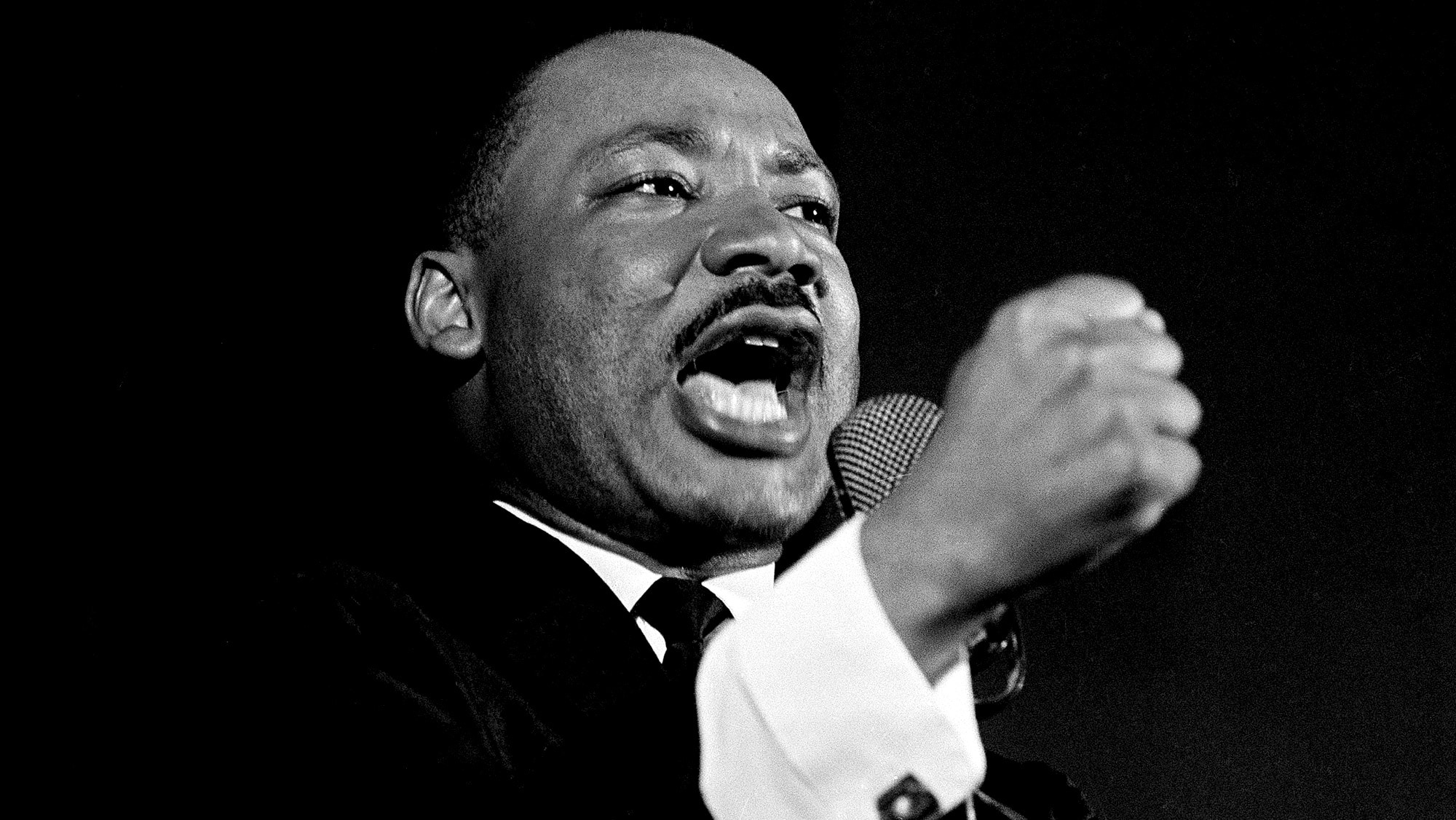
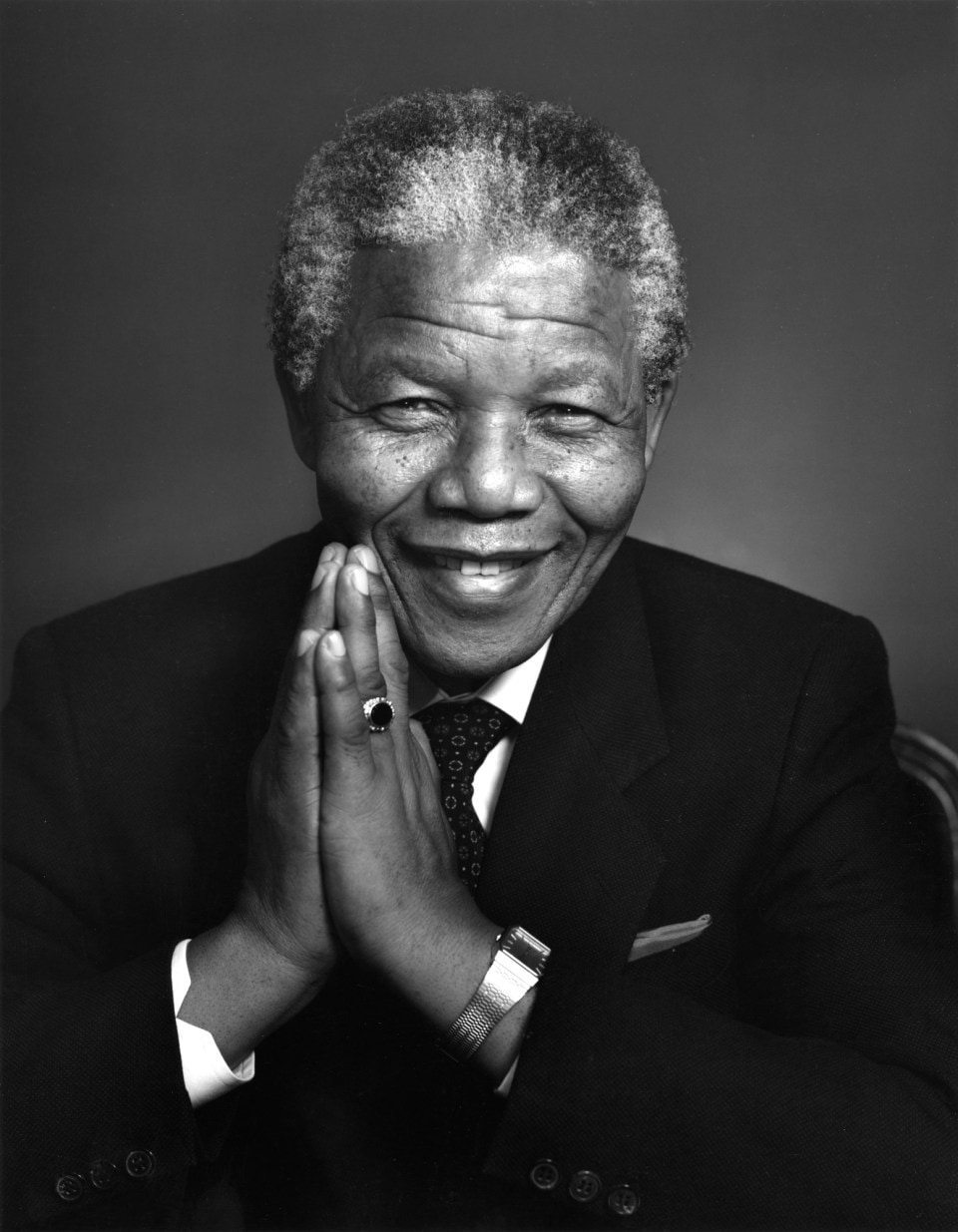
Ambedkar is portrayed as a symbol of resistance, intellectual brilliance, and social justice. His image is ubiquitous in India, appearing on currency notes proposed by state ministers, murals, and statues across the country. He is seen as a secular leader who championed the rights of the marginalized, often compared globally to figures like Martin Luther King Jr. and Nelson Mandela. His demeanor in public was serious and determined, reflecting the gravity of his mission to dismantle the caste system. Media portrayals consistently highlight his role as a rational thinker who used law and logic to challenge deep-seated social hierarchies.
Fame & Fandom (iFAMOUS Rankings)
The devotion surrounding B. R. Ambedkar operates less like a traditional fanbase and more like a global movement rooted in ideology, where followers identify as Ambedkarites or Dalits rather than through a single moniker. His adherents organize through political parties and social movements, turning his legacy into active political power that mobilizes millions across India and beyond. The most striking ritual is the annual Chaityabhoomi pilgrimage on his birth anniversary, where crowds gather to offer marigolds, effectively shutting down Mumbai's transport hubs in a solemn display of reverence. This community also sustains his memory through educational scholarships, the revival of his specific food philosophies, and vigorous campaigns to protect statues from vandalism, treating his image as a living symbol of resistance. This enduring influence places him at the very top of modern fame metrics within his sphere. According to the iFANN Global Fame Rankings, he stands as the 10th most famous person in India, holding steady from the previous cycle. He is recognized as the 32nd most famous person from India by origin and holds the position of the 14th most famous person in South Asia. Even in creative fields, his impact registers with the 35th most famous person in Art & Design. These placements reflect a scale of attention that tracks global engagement across media coverage, search behavior, and cultural consumption worldwide.
Interesting Facts and Legends
Ambedkar changed his surname from Sakpal to Ambedkar to honor his guru, the saintly Varkari poet Dnyaneshwar, distancing himself from the stigma of his caste name. He was fluent in English, Marathi, Hindi, and Sanskrit, and also possessed knowledge of French and German. A strong advocate for vegetarianism, he wrote extensively about nutrition and its importance for the poor. His sharp critique of Hinduism during a 1955 BBC interview, where he stated the religion must be reformed or abandoned, has since become a widely shared piece of folklore. He also served as a member of the League Against Imperialism, highlighting his internationalist perspective on colonialism.
Notable Quotes
“I measure the progress of a community by the degree of progress which women have achieved.”
“Be educated, be organized, and agitate.”
“I was born a Hindu, but I will not die a Hindu.”
“Religion is a house of cards. If you pull one card, the whole structure collapses.”
Family & Personal Life
Ambedkar was married twice. His first wife, Ramabai Gangapurkar, was just seven years old when they married in 1906. She managed his household and supported his studies while he was abroad, passing away in 1935 after a long illness. They had no surviving children, though some accounts mention a son who died in infancy. Following Ramabai's death, he married Savita Shinde in 1948. She cared for him in his final years and survived him to continue preserving his legacy. There were no children from this second marriage. His family life was characterized by devotion and resilience, particularly Ramabai's support during his formative academic years.
Notable Connections
Relationships & Dating History
Ambedkar's relationships were defined by traditional marriages common to his era, devoid of public romantic flings or high-profile breakups. His first marriage was arranged in 1906 when he was fifteen and his bride, Ramabai Gangapurkar, was only seven. Ramabai was a devoted partner who managed his household and supported his studies while he was abroad. She died in 1935 after a long illness. They had no surviving children together. Following Ramabai's death, Ambedkar married Savita Shinde in 1948. She was a younger woman who cared for him in his final years. There were no children from this marriage. Savita survived him and remained active in preserving his legacy until her own passing. As of his death in 1956, he was widowed following the death of his first wife, and subsequently remarried.
- MarriedRamabai Ambedkar1906 - 1935Arranged marriage; she supported his studies and managed his household until her death.
- MarriedSavita Ambedkar1948 - 1956Second wife; cared for him in his final years and preserved his legacy.
Death & Aftermath
Died
December 6, 1956 (aged 65)
Death Place
Delhi, India
Cause of Death
Cardiac arrest due to diabetes and hypertension complications
The Indian government declared three days of national mourning upon the news, with Prime Minister Jawaharlal Nehru describing Ambedkar as a man who had given "a new life" to millions of Dalits while President Rajendra Prasad expressed deep sorrow over the loss of the chief architect of the Constitution. Spontaneous gatherings formed at his New Delhi residence and later at the Rashtrapati Bhavan where his body lay in state, reflecting an immediate and profound grief that transcended political lines. On December 6, 1956, at 10:30 PM, Ambedkar passed away in his sleep at his home in New Delhi, India, following severe asthma attacks that proved fatal amidst declining health from chronic respiratory issues and diabetes. He had been working tirelessly on the text of The Buddha and His Dhamma just weeks prior to his passing, shortly after formally embracing Buddhism in Nagpur.
Despite being in Delhi when he died, his body was transported by train to Mumbai for a massive funeral attended by an estimated 500,000 people, including thousands of Dalit followers and prominent figures represented by their families. The cremation followed Buddhist rites at Dadar Chowpatty Beach, and his ashes were distributed across various locations, with primary urns kept at Chaitya Bhoomi, which has since become a major pilgrimage site. Posthumous recognition included the 2014 awarding of the Bharat Ratna, India's highest civilian honor, alongside the establishment of the Dr. B.R. Ambedkar National Award for Social Justice and numerous scholarships named in his memory.
Net Worth (Estate Value)
$0
iFANN Editorial Team estimate
As a deceased historical figure, Dr. B. R. Ambedkar does not have a current net worth in the traditional sense. However, his estate and legacy generate significant value through royalties and licensing from the sale of his books, speeches, and documentaries. Educational institutions named after him, such as the Dr. B. R. Ambedkar National Law University, operate with substantial endowments. Tourism to memorials like Chaityabhoomi generates revenue through donations and visitor contributions. Merchandise bearing his image also contributes to the economy. Research by the iFANN Editorial Team indicates that the commercial value of his intellectual property and associated institutions remains robust, though exact figures are not tracked as a personal fortune.
Awards Won (3)
While many honors came posthumously, Ambedkar received prestigious distinctions during his lifetime including Fellow of the London School of Economics and honorary Doctor of Laws degrees from Columbia University. Posthumously, he was awarded the Bharat Ratna, India's highest civilian honor, in 1990, along with the Padma Vibhushan. He is officially recognized as a National Hero by the Government of India.
1990 · Civilian Honor
Lifetime Achievement
1990 · Civilian Honor
Lifetime Achievement
Known For
The Constitution of India
1950 · Chairman of the Drafting Committee
The Problem of the Rupee
1923 · Author
Mahad Satyagraha
1927 · Leader
Poona Pact
1932 · Negotiator
Keywords
Sources
Quick Facts
- Profession
- economist, politician, constitutionalist
- Born
- April 14, 1891
- Birthplace
- Mhow Cantonment, Madhya Pradesh
- Died
- December 6, 1956
- Death Place
- Delhi, India
- Gender
- Male
- Spouse
- Ramabai Ambedkar, Savita Ambedkar
- Birth Sign
- Aries
Personal Details
- Full Name
- Bhimrao Ramji Sakpal
- Height
- 5 ft 6 in (168 cm)
- Spouse
- Ramabai Ambedkar, Savita Ambedkar
- Children
- Education
- Columbia University (PhD), London School of Economics (PhD), Gray's Inn (Bar-at-Law)
Frequently Asked Questions
Who is B. R. Ambedkar?
When did B. R. Ambedkar die?
What is B. R. Ambedkar's religion?
How many wives did B. R. Ambedkar have?
Why is B. R. Ambedkar famous?
Similar People
Join the community
fans discussing