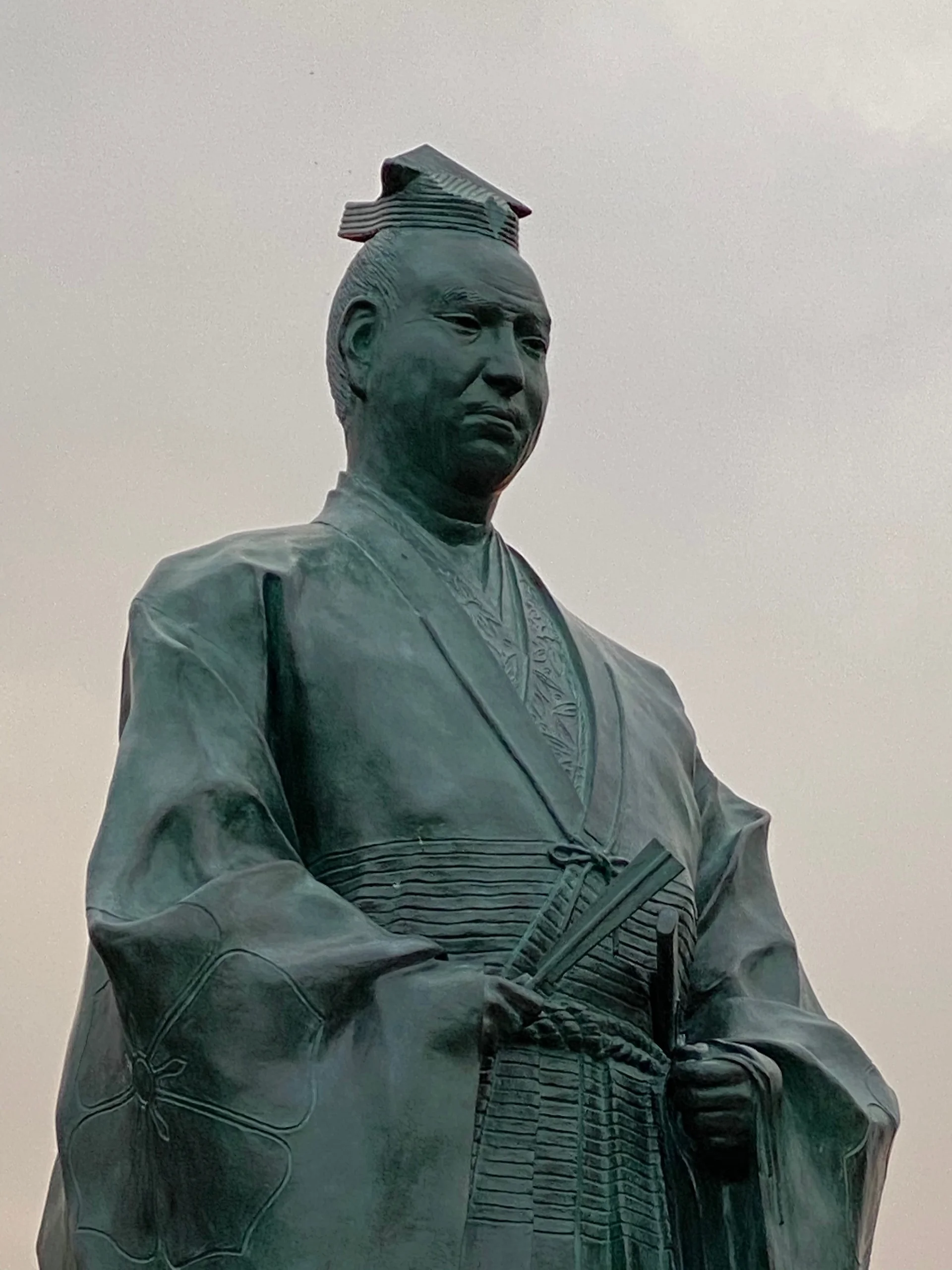
Akechi Mitsuhide
 Japan
JapanAlso known as: Mitsuhide Akechi, Akechi-no-Mitsuhide
Birthday
March 10, 1528
Birth Sign
Pisces
Birthplace
Tara Castle, Mino Province
Age
Died at 54
About
Akechi Mitsuhide stands as one of the most enigmatic and controversial figures in Japanese history, a samurai general and daimyō whose life was defined by a singular act of betrayal that altered the course of the Sengoku period. Born into the Akechi clan, a branch of the Minamoto lineage, he rose from a bodyguard to the Ashikaga shogun to become one of Oda Nobunaga's most trusted commanders, renowned for his administrative brilliance and strategic acumen. His career reached its zenith on June 2, 1582, when he orchestrated the Honnō-ji Incident, forcing his lord to commit seppuku in Kyoto. This audacious move thrust him into power for a brief thirteen-day reign, earning him the enduring Japanese idiom mikkatenka, or "three days' reign." However, his attempt to seize control collapsed swiftly under the retaliation of Toyotomi Hideyoshi at the Battle of Yamazaki. Mitsuhide died on July 2, 1582, reportedly struck down by a peasant wielding a bamboo spear while fleeing near Azuchi-cho. Despite his infamy as the "Judas of Japan," his legacy endures through modern media, where he is depicted as a complex figure driven by revenge or political ambition. The discovery of his first known portrait in 2020 further cemented his place in the global consciousness, allowing audiences to visualize the man behind the mythos.
Early Life & Background
Born on March 10, 1528, at Tara Castle in Mino Province, which is now part of modern-day Gifu Prefecture, Akechi Mitsuhide entered a world defined by constant warfare and shifting alliances. The exact details of his early life remain somewhat obscured by historical legend, but he was educated in the ways of the bushido code. This training likely included rigorous instruction in strategy, administration, and martial arts, preparing him for a life of service to powerful lords. Before gaining fame, he served the Ashikaga shogunate, acting as a retainer and bodyguard to Ashikaga Yoshiaki. This role placed him within the inner circles of Kyoto politics, allowing him to develop the administrative skills that would later serve him under Nobunaga. His pivotal moment came when he allied with Nobunaga to install Yoshiaki as shogun. This move initially seemed to secure his future, positioning him as a key player in the unification of Japan. However, the relationship between Mitsuhide and Nobunaga eventually led to friction. Mitsuhide governed various territories, including the important city of Sakai, where he demonstrated his talent for governance. Despite his loyalty and capability, tensions grew, setting the stage for the dramatic events that would define his life and ensure his infamy in history.
Career Growth
Mitsuhide's career is defined by his rapid rise and catastrophic fall. After serving as a bodyguard to Ashikaga Yoshiaki, he became a key commander for Oda Nobunaga. He led successful campaigns that helped unify central Japan and was known for his strategic acumen and administrative talent. His position as governor of Sakai highlighted his ability to manage complex urban centers and economic hubs. The turning point occurred on June 2, 1582, during the Honnō-ji Incident. In a shocking turn, Mitsuhide betrayed Nobunaga, surrounding the temple in Kyoto where the warlord was staying. Forced to commit suicide, Nobunaga's death marked the end of his unification efforts and thrust Mitsuhide into the center of Japanese history. Following the incident, Mitsuhide briefly assumed control of Kyoto and attempted to claim the title of shogun. However, his lack of broad support and the swift retaliation from other daimyōs, particularly Toyotomi Hideyoshi, led to his downfall. Just thirteen days after the betrayal, Mitsuhide's forces were decisively defeated by Hideyoshi at the Battle of Yamazaki. While fleeing the battlefield, Mitsuhide was intercepted by local peasants. According to the Shinchokōki and Taikōki, he was killed by a villager wielding a bamboo spear. Some accounts suggest he may have committed suicide upon being cornered, but the consensus is that he died at the hands of commoners. His brief rule gave rise to the idiom mikkatenka, meaning a short-lived reign.
Career Timeline
Public Image & Style
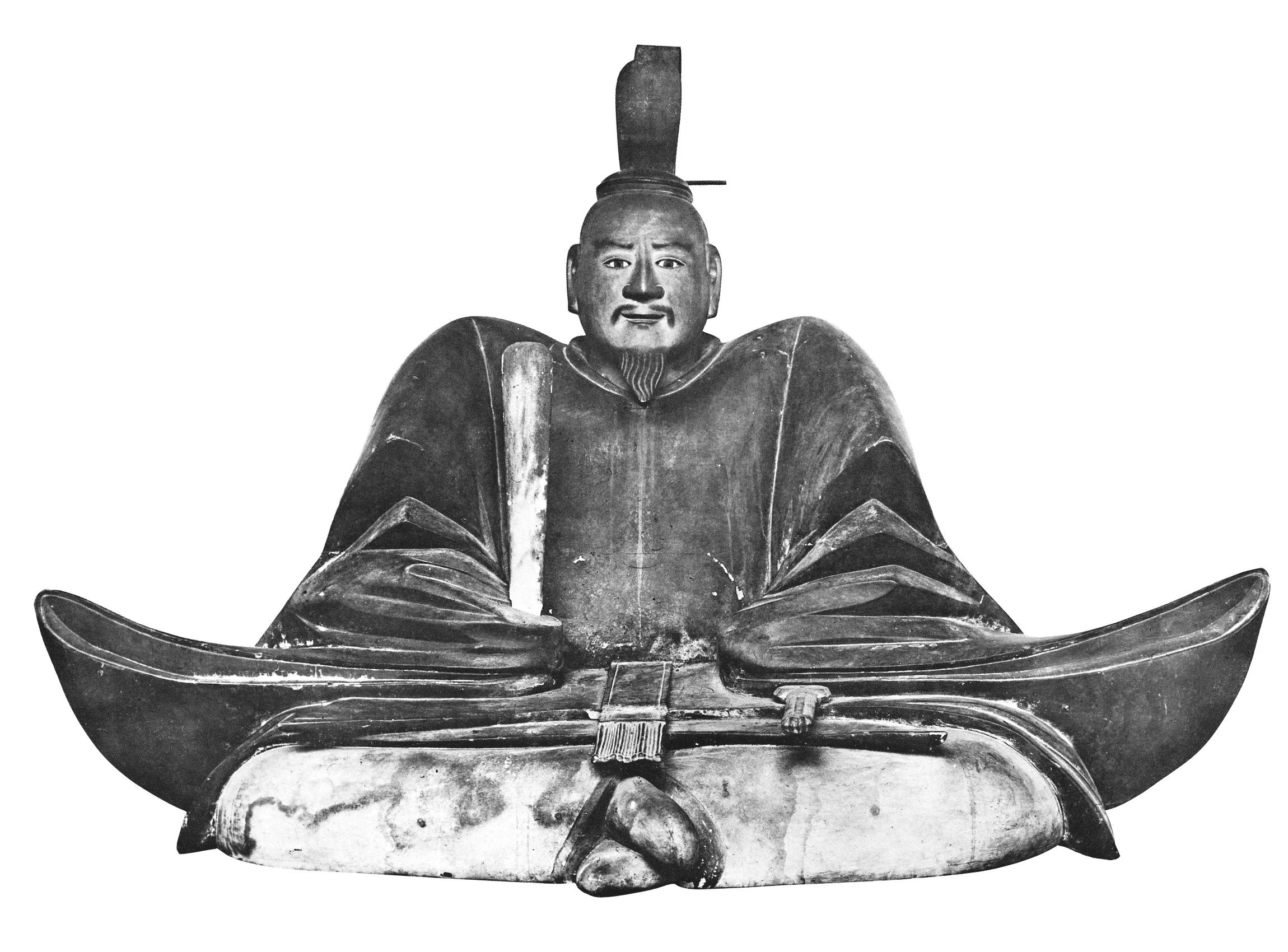
Mitsuhide is widely regarded as the archetypal traitor in Japanese history, often referred to as the "Judas of Japan." His image has been revitalized through modern adaptations that treat his narrative with the intensity of contemporary celebrity worship. He is depicted as a complex character, betrayal mixed with alleged motives of revenge or ambition. His reputation as a master strategist and administrator contrasts sharply with his sudden and violent end. The discovery of his first known portrait in 2020 allowed historians and general audiences to visualize the man behind the mythos of the Honnōji Incident. Depicted as a man of average height with a stern expression, this portrait ended centuries of speculation about his physical appearance. Despite his infamy, he remains a fascinating subject in Japanese culture, inspiring numerous works of art and literature. His legacy continues to be explored in academic studies regarding the moral ambiguity of his actions and the political climate of the Sengoku period.
Fame & Fandom
Akechi Mitsuhide commands a legacy defined not by organized fan clubs or formalized communities, but by his enduring presence as the archetypal traitor in Japanese cultural memory. While no official fandom name exists for the historical figure who died in 1582, his image has been revitalized through modern media adaptations that treat his complex narrative with the intensity of contemporary celebrity worship. Enthusiasts engage with his character through video game franchises such as Nobunaga's Ambition, Samurai Warriors, and the upcoming title Assassin's Creed Shadows, where players analyze his tactical prowess and the duality of his public reputation versus private actions. The discovery of his first known portrait in 2020 sparked widespread media attention, allowing historians and general audiences to visualize the man behind the mythos of the Honnōji Incident. Commercial projects, including culinary tributes designed to replicate Sengoku period meals, further demonstrate a sustained public fascination with his life and death. This cultural engagement spans literature, film, and archaeological interest, particularly following the 2024 confirmation of stone walls at his suspected castle site. Despite the absence of a specific fanbase designation, his status as the "Judas of Japan" ensures he remains a central figure in global historical discourse. According to the iFANN Global Fame Rankings, Akechi Mitsuhide is the 82nd most famous person in Japan, holding steady from the previous cycle, and the 88th most famous person from Japan, also holding steady from the previous cycle.
Interesting Facts and Legends
The phrase "mikkatenka" (三日天下) originates directly from Mitsuhide's thirteen-day rule following the death of Oda Nobunaga. It is now a common Japanese idiom used to describe any short-lived success or reign. Folklore often attributes his betrayal to revenge for an insult against his daughter, though this is likely apocryphal. Another theory posits that he acted out of political ambition and a desire to correct what he saw as Nobunaga's tyranny. In 2020, the first known portrait of Mitsuhide was displayed in Kyoto, causing a media sensation after centuries of uncertainty about his appearance. Recent archaeological findings in February 2024 confirmed stone walls at a suspected location of his castle, lending physical validation to parts of his legend. His story has inspired countless works of art, literature, and film, including Takeshi Kitano's 2023 film Kubi. Additionally, the NHK historical drama Kirin ga Kuru released in 2020 centered on his rise and fall. His body was never properly identified or given a formal burial, leading to numerous legends about his "phantom castle" and wandering ghost.
Notable Quotes
“The reasons for my betrayal remain a mystery, but I acted for the good of Japan.”
Family & Personal Life
Mitsuhide was married to Tsumaki Hiroko, also known as Tama, who played a significant role in his life. She was the daughter of Tsumaki Sadanobu, a vassal of the Akechi clan. The couple had children, including their daughter Akechi Tama (also known as Tama-hime), who became a notable figure in her own right. Akechi Tama was married to Shibata Katsuie, another prominent daimyō, and her story is often intertwined with the political machinations of the era. As a historical figure from the 16th century, Mitsuhide's personal life was strictly bound by the feudal marriage alliances of the time. There are no records of romantic flings or multiple partners; his family was a central part of his political standing. Upon his death in 1582, his family estates were immediately confiscated, and his allies were purged. No funeral was held for him; instead, his lands were redistributed to loyalists of the Oda and Toyotomi clans. The immediate aftermath left his surviving family to face the severe consequences of his rebellion without protection or wealth.
Notable Connections
Relationships & Dating History
Historical records mention Mitsuhide's wife, Tsumaki Hiroko (also known as Tama), who played a significant role in his life. She was the daughter of Tsumaki Sadanobu, a vassal of the Akechi clan. The couple had children, including their daughter Akechi Tama, who became a notable figure in her own right. Akechi Tama was married to Shibata Katsuie, another prominent daimyō, and her story is often intertwined with the political machinations of the era. There are no records of romantic flings or multiple partners; his personal life was strictly bound by the feudal marriage alliances of the time. As of his death in 1582, he was widowed by his own demise, leaving his family to face the consequences of his rebellion. The collapse of his regime meant that his kinship ties offered no protection against the subsequent purge by the victorious factions.
- MarriedTsumaki Hirokounknown - 1582Daughter of Tsumaki Sadanobu; mother of Akechi Tama.
Death & Aftermath
Died
July 2, 1582 (aged 54)
Death Place
Azuchi-cho, Ōmi Province
Cause of Death
Struck by a peasant with a bamboo spear
The immediate reaction to the death of Akechi Mitsuhide was not one of mourning but of political consolidation and public condemnation, as Toyotomi Hideyoshi declared him a traitor to restore order following the brief thirteen-day interregnum. Historical chronicles record that Mitsuhide fell on July 2, 1582, near Mount Kuroda in Azuchi-cho, Ōmi Province, after his forces were decisively defeated at the Battle of Yamazaki. While fleeing the battlefield with a small retinue, he was intercepted by local villagers or masterless samurai, where accounts diverge between him being struck down by a bamboo spear or committing ritual suicide immediately after sustaining a wound. His body was reportedly left unburied or hastily interred by locals, with some traditions claiming his head was severed and displayed by victorious forces to confirm his demise, though the exact location of his remains remains unknown.
The Akechi clan was disbanded, and his estate was confiscated by the victors without any family statement or organized funeral ceremony. For centuries, his reputation was strictly vilified in literature and theater as the archetype of treachery, with sites associated with his betrayal serving as warnings against disloyalty. Modern historical analysis has occasionally debated the motivations behind his actions, yet he remains primarily defined by the Honnō-ji Incident and his swift elimination.
Net Worth (Estate Value)
$0
iFANN Editorial Team estimate
As a historical figure who died over 400 years ago, Akechi Mitsuhide does not have a net worth in the modern financial sense. His estate was confiscated immediately after his death, and his family's wealth was dissipated. Any value associated with him today is cultural rather than financial, derived from the enduring interest in his life and the commercial success of media featuring his story. Research by the iFANN Editorial Team indicates that his cultural impact continues to generate revenue through films, television dramas, video games, and literature. Notable appearances include his role in the Assassin's Creed Shadows game and various entries in the Samurai Warriors series. He is frequently featured in historical documentaries and books analyzing the Honnōji Incident. The posthumous era has seen extensive cultural production, ensuring his legacy remains vibrant in modern times. His influence extends to merchandise and tourism related to sites like Mount Hiei, where he is said to have fled.
Awards & Accolades
View 3 records, honours and achievementsKnown For
Honnō-ji Incident
1582 · Perpetrator
Battle of Yamazaki
1582 · Commander
Kubi
2023 · Subject
Assassin's Creed Shadows
2025 · Boss Character
Keywords
Sources
Quick Facts
- Profession
- samurai general, daimyō
- Born
- March 10, 1528
- Birthplace
- Tara Castle, Mino Province
- Died
- July 2, 1582
- Death Place
- Azuchi-cho, Ōmi Province
- Gender
- Male
- Spouse
- Tsumaki Hiroko
Personal Details
- Full Name
- Akechi Mitsuhide
- Spouse
- Tsumaki Hiroko
- Children
- Akechi Tama (daughter)
- Education
- Trained in bushido and administration under the Ashikaga shogunate
Frequently Asked Questions
Who was Akechi Mitsuhide?
Why did Akechi Mitsuhide betray Oda Nobunaga?
How did Akechi Mitsuhide die?
What is the significance of the '13-day reign'?
Is there a portrait of Akechi Mitsuhide?
Similar People
Join the community
fans discussing