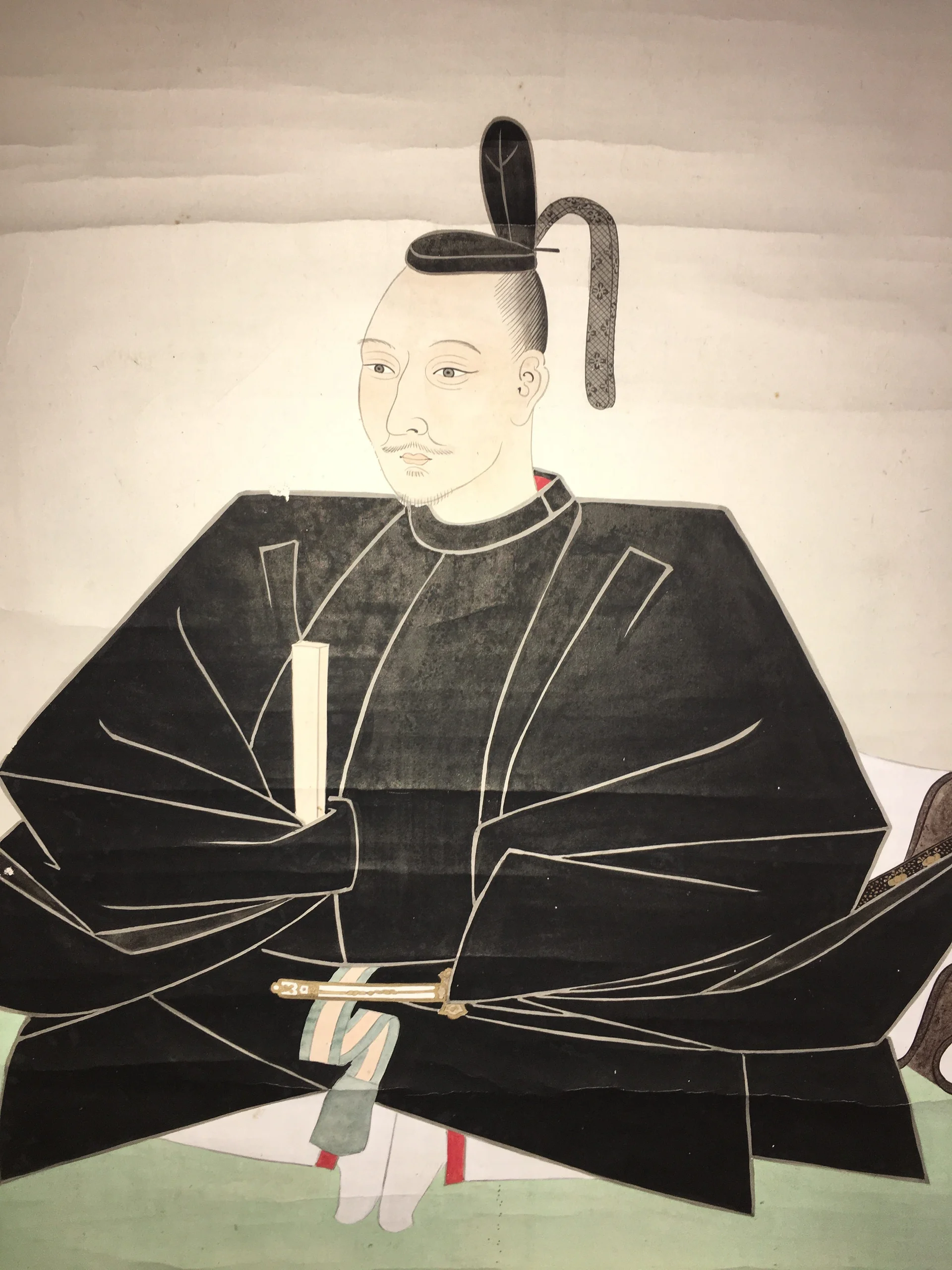
Oda Nobunaga
 Japan
JapanAlso known as: Oda Kiyonobu, The Fool of Owari, Demon Daimyo
Birthday
June 23, 1534
Birth Sign
Sagittarius
Birthplace
Nagoya Castle, Owari Province
Age
Died at 47
About
Oda Nobunaga (1534–1582) was a Japanese samurai and daimyo who became the most powerful warlord of the Sengoku period. Born Oda Kiyonobu, he inherited the Oda clan's domain in Owari Province and spent his life in relentless military campaigns to unify Japan under his rule. Known as the "Demon Daimyo" for his ruthlessness, he was also a visionary who embraced firearms, trade, and cultural innovation. His ambition and military genius paved the way for the eventual unification of Japan by his successors, Toyotomi Hideyoshi and Tokugawa Ieyasu, and his rule marked the beginning of the Azuchi-Momoyama period.
Nobunaga's rise began in the 1560s when he defeated rival daimyo and captured Kyoto, the imperial capital, in 1568. He installed Ashikaga Yoshiaki as shogun but later overthrew him in 1573, dissolving the Ashikaga shogunate and cementing his own authority. By 1580, he had conquered most of Honshu, Japan's largest island, and crushed the Ikkō-ikki, a powerful movement of warrior monks and peasants. His military innovations, including the use of massed arquebusiers, were instrumental in his victories. Beyond the battlefield, he fostered free trade, reformed civil administration, and patronized the arts, helping to launch the Momoyama period's cultural flowering.
Nobunaga's life ended abruptly in 1582 during the Honnō-ji Incident. His trusted general Akechi Mitsuhide betrayed him, ambushing him at Honnō-ji temple in Kyoto. Facing capture, Nobunaga committed seppuku. His death at 47 left his unification campaign unfinished, but his legacy endured. Hideyoshi and Ieyasu completed what he had started, and his impact on Japanese history remains profound. Today, he is remembered as one of the three great unifiers, a figure whose blend of brutality and vision transformed Japan.
Early Life & Background
Oda Nobunaga entered the world on June 23, 1534, at Nagoya Castle in Owari Province, the son of Oda Nobuhide, a regional lord with ambitions to expand his influence. From an early age, he was not the model heir expected by his clan. Historical records describe a youth who rejected traditional courtly etiquette, preferring to roam the castle grounds without proper guards or attendants. This behavior led to rumors of eccentricity and instability, earning him the nickname "the Fool of Owari." Some historians argue this was a calculated disguise to lull rivals into complacency, while others believe it simply reflected a mind that operated outside conventional norms.
In 1549, Nobunaga secured a crucial alliance with the Imagawa clan through marriage to Nō-hime, the daughter of the powerful Azai Nagamasa. This union was purely political, designed to unite their clans against the Imagawa, who threatened their borders. Despite this strategic move, Nobunaga's position remained precarious. His father died in 1551, leaving the young lord to navigate a volatile landscape of internal dissent and external threats. During these formative years, he faced challenges from his own brothers and vassals who questioned his leadership. The period before his breakthrough was defined by survival and the slow accumulation of loyalty from those who saw potential in his unconventional approach to governance and warfare.
Career Growth
The turning point for Oda Nobunaga came in 1560 at the Battle of Okehazama. Leading a force of roughly 3,000 men, he launched a surprise attack on the massive army of Imagawa Yoshimoto, which numbered around 25,000. The victory was decisive; Yoshimoto was killed, and Nobunaga emerged from a regional lord to a national power player. By 1568, he marched on Kyoto and installed Ashikaga Yoshiaki as the new shogun, effectively controlling the imperial capital. However, his relationship with the shogun quickly deteriorated, and in 1573, Nobunaga dissolved the Ashikaga shogunate, ruling Japan de facto as a military dictator.
Nobunaga's career was defined by relentless military innovation and ruthless consolidation. He is credited with being the first major daimyo to mass-produce and deploy arquebusiers, using them effectively at the Battle of Nagashino in 1575 to annihilate the Takeda cavalry. He also dismantled the power of warrior monks, notably destroying the Enryaku-ji temple on Mount Hiei in 1571 to crush opposition from the Tendai sect. Politically, he implemented the Rakuei system, fostering free trade zones and promoting Christianity to weaken Buddhist monastic influence. By 1582, he had conquered over half of Japan, unifying Honshu under his banner and laying the groundwork for the Azuchi-Momoyama period.
Career Timeline
Public Image & Style
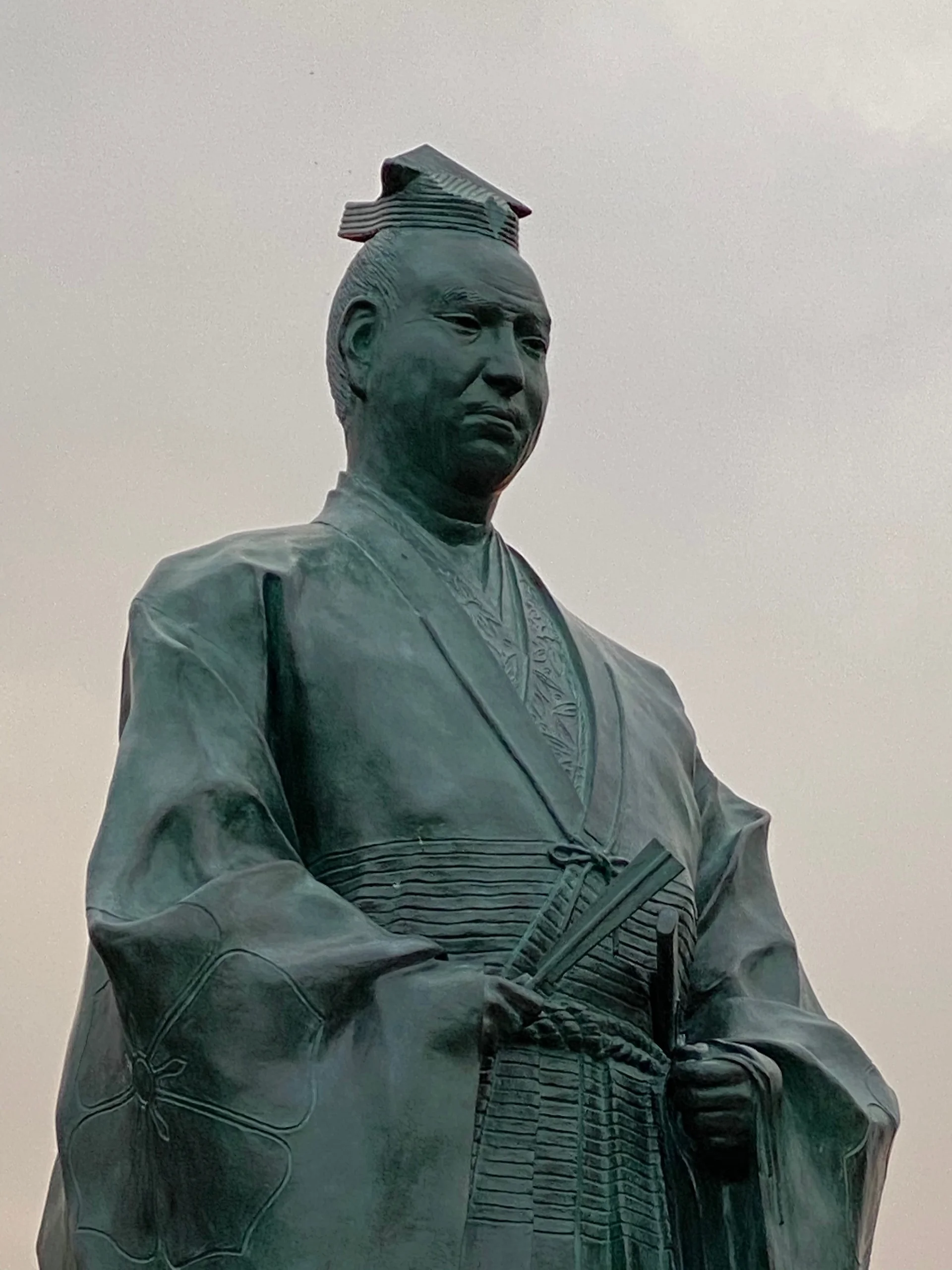
Nobunaga is often portrayed as a ruthless tyrant, earning the moniker "Demon Daimyo," but he is also viewed as a visionary leader who embraced innovation and change. His image in media ranges from a brutal warlord to a tragic hero, depending on the context. He is frequently depicted with a distinctive appearance, including a large build and intense gaze, though these accounts are sometimes exaggerated in folklore. His adoption of foreign customs and firearms set him apart from contemporaries who clung to tradition.
Fame & Fandom
Oda Nobunaga stands as the 6th most famous person in Japan, a position he has held steady from the previous cycle, while simultaneously ranking as the 18th most famous person from Japan and the 11th most famous person in East Asia, having moved up from 13th last cycle. These placements within the iFANN Global Fame Rankings reflect a legacy that spans centuries of military history and modern pop culture adaptation. The rankings track global attention across media coverage, search trends, and consumption signals worldwide, confirming his enduring status as a central figure in historical discourse.
Despite this massive reach, there is no formal name for Oda Nobunaga's fanbase. As a historical figure who passed away over four hundred years ago, he lacks the self-identified groups or commercialized infrastructure seen with modern idols. Instead, his audience comprises historians, enthusiasts of Japanese history, gamers, and consumers of media featuring him. This community gathers in academic institutions, museums, and online forums rather than through organized campaigns. His image remains vibrant through cultural projects like the manga Nobunaga Concerto, which resumed publication in July 2026 before concluding, and merchandise such as the Qualia 'Oda Nobunaga Broad Shoulder Figure' Gashapon released in 2026 to capitalize on internet memes regarding his physique. Modern audiences also engage with his story through re-evaluations of history that challenge old narratives of rebellion, and through popular media like the TV series Shōgun and the game Assassin's Creed Shadows, which serve as gateways for new generations to explore his life.
Interesting Facts and Legends
Oda Nobunaga was once called "the Fool of Owari" due to his unconventional behavior as a youth. He was the first Japanese warlord to mass-produce and use arquebuses effectively. He famously burned the Enryaku-ji temple to destroy the Ikkō-ikki rebellion. His death at Honnō-ji is one of the most famous events in Japanese history, inspiring countless works of art and literature. A rare letter from Toyotomi Hideyoshi written just before learning of Nobunaga's death was discovered in 2025, offering fresh insights into the immediate aftermath of the betrayal.
Notable Quotes
“If the cuckoo does not sing, kill it.”
“The world is mine to conquer.”
Family & Personal Life
Nobunaga married Nō-hime in 1549, a union primarily political and ending in separation after the fall of the Azai clan. He had several concubines and mistresses, including Kitsuno, mother of his heir Oda Nobukatsu, as well as Harada Naoko, Kōun-in, Yokan-in, Hijikata, Saka, Yutsumaki, and Shunyomyōchō-daishi. His children included Oda Nobutada, his designated heir, Oda Nobuyuki, Oda Nobukatsu, Oda Hidenobu, and several daughters who were married off to secure alliances. Despite having multiple partners, historical records do not detail romantic relationships in the modern sense, as marriage was strictly dynastic and political during the Sengoku era.
Notable Connections
Relationships & Dating History
Oda Nobunaga's relationships were strictly dynastic and political, reflecting the conventions of the Sengoku period. In 1549, he married Nō-hime, the daughter of Azai Nagamasa, to secure an alliance. This marriage was primarily political and ended in divorce or separation after the fall of the Azai clan. He had several concubines and mistresses, including Kitsuno, mother of his heir Oda Nobukatsu, as well as Harada Naoko, Kōun-in, Yokan-in, Hijikata, Saka, Yutsumaki, and Shunyomyōchō-daishi. His children included Oda Nobutada, his designated heir, Oda Nobuyuki, Oda Nobukatsu, Oda Hidenobu, and several daughters who were married off to secure alliances. Despite having multiple partners, historical records do not detail romantic relationships in the modern sense, as marriage was strictly dynastic and political during the Sengoku era. There were no public engagements or breakups; relationships were formalized through political treaties.
- DivorcedNō-hime1549 - presentPolitical marriage to Azai Nagamasa's daughter; ended after fall of Azai clan
- DatingKitsunoConcubine and mother of heir Oda Nobukatsu
- DatingHarada NaokoConcubine
- DatingKōun-inConcubine
- DatingYokan-inConcubine
- DatingHijikataConcubine
- DatingSakaConcubine
- DatingYutsumakiConcubine
- DatingShunyomyōchō-daishiConcubine
Death & Aftermath
Died
June 21, 1582 (aged 47)
Death Place
Honnō-ji Temple, Kyoto
Cause of Death
Seppuku followed by burning
Oda Nobunaga, the influential Japanese daimyo and one of the three great unifiers of Japan, died on June 21, 1582 at Honnō-ji Temple in Kyoto. He was reportedly 47 or 48 years old at the time of his death. The cause of death is historically established as suicide by seppuku followed by being burned alive during a surprise betrayal known as the Honnō-ji Incident. This event was orchestrated by his former retainer, Akechi Mitsuhide, who turned against Nobunaga while he was staying at the temple with only a small guard detail. The circumstances of his final days began when Nobunaga arrived at Honnō-ji on June 20, 1582, to meet Toyotomi Hideyoshi, who was returning from a campaign.
On the morning of June 21, Akechi Mitsuhide's forces surrounded the temple. Nobunaga fought briefly but, realizing escape was impossible, retreated to his private quarters. According to the most widely accepted account, he committed seppuku before setting the temple ablaze, though some disputed accounts suggest he may have been killed by arrows or swords while attempting to flee or while trapped in the flames. His body was never definitively identified among the ashes, leading to speculation that it was consumed entirely or lost in the chaos, though later traditions claim his head was found and displayed. However, the immediate political aftermath involved a swift military response. Toyotomi Hideyoshi, upon learning of the betrayal, signed a peace treaty with the Mori clan and marched rapidly back to Kyoto, defeating Akechi Mitsuhide at the Battle of Yamazaki just nine days after Nobunaga's death (June 30, 1582)., the victory at Yamazaki effectively ended Akechi's rebellion and allowed Hideyoshi to assume control of Nobunaga's legacy.
Public reaction to Nobunaga's death was immediate and profound, though limited to the political and military elite of the time. Tributes were paid by peers such as Tokugawa Ieyasu, who mourned the loss of the unification leader, and institutions within the Buddhist and Shogunate systems acknowledged the shift in power. In modern times, public reaction manifests through cultural commemorations rather than vigils or moments of silence typical of modern nations. For instance, the 71st Nagoya Festival in October 2025 featured a "Three Heroes Parade" where participants portrayed Nobunaga alongside Hideyoshi and Ieyasu, celebrating his legacy. There are also memorial landmarks, including the site of Honnō-ji in Kyoto, which now houses a museum and a statue, serving as a focal point for historical reflection.
Funeral arrangements for Oda Nobunaga were private and hastily organized due to the chaotic nature of his death. His body was reportedly cremated at the ruins of Honnō-ji, and his ashes were interred at Enshō-ji Temple in Kameyama, Mie Prefecture, or possibly at other temples associated with the Oda clan, though specific burial details remain obscured by the destruction of the temple and the lack of a confirmed body. The handling of his estate was immediate: Toyotomi Hideyoshi seized control of Nobunaga's territories and assets, eventually becoming the de facto ruler of Japan, while his sons were either absorbed into Hideyoshi's administration or eliminated. Posthumously, Oda Nobunaga has been the subject of countless films, books, and video games, cementing his status as a central figure in Japanese history.
Notable releases include the 1959 film Fuunji starring Kinnosuke Nakamura and the ongoing Nobunaga Concerto manga series. Modern media continues to reference him, such as the 2026 release of Nobunaga's Ambition Hishou for Switch and Switch 2 and the portrayal of his character in the Assassin's Creed Shadows game. He is frequently honored in educational contexts and cultural events, often grouped with Hideyoshi and Ieyasu as the "Three Great Unifiers." No specific hall-of-fame induction exists in the Western sense, but he is universally recognized in Japanese historiography as a national hero. Statements by his family are scarce due to the rapid dissolution of the Oda clan's power, but recent discoveries, such as a rare letter from Hideyoshi written at the time of Nobunaga's death, provide insight into the immediate emotional and political fallout.
The estate was handled by the consolidation of power under Toyotomi Hideyoshi, who redistributed lands to loyal retainers and established the foundation for the subsequent Edo period.
Net Worth (Estate Value)
$0
iFANN Editorial Team estimate
As a historical figure, Oda Nobunaga did not have a personal net worth in the modern sense. His wealth was tied to the land and resources of the territories he controlled, which were vast and included major cities like Kyoto and Osaka. Upon his death, his estate was seized and redistributed by Toyotomi Hideyoshi, who consolidated power and established the foundation for the Edo period. The value of his estate is impossible to quantify in modern currency, but it represented the economic heart of Japan at the time. His legacy continues to generate revenue through cultural adaptations, including the Nobunaga Concerto manga and video games like Nobunaga's Ambition Hishou, though these earnings belong to the creators and publishers rather than the historical figure himself.
Awards & Accolades
View 5 records, honours and achievementsKnown For
Unification of Japan
1582 · Military Leader
Battle of Okehazama
1560 · Commander
Battle of Nagashino
1575 · Commander
Keywords
Sources
Quick Facts
- Profession
- daimyo, military leader
- Born
- June 23, 1534
- Birthplace
- Nagoya Castle (16th century)
- Died
- June 21, 1582
- Death Place
- former site of Honnō-ji
- Gender
- Male
- Spouse
- Nō-hime, Kitsuno, Harada Naoko, Kōun-in, Yokan-in, Hijikata (Concubine of Oda Nobunaga), Saka, Yutsumaki, Shunyomyōchō-daishi
- Birth Sign
- Sagittarius
Personal Details
- Full Name
- Oda Kiyonobu
- Spouse
- Nō-hime, Kitsuno, Harada Naoko, Kōun-in, Yokan-in, Hijikata, Saka, Yutsumaki, Shunyomyōchō-daishi
- Children
- Oda Nobutada, Oda Nobuyuki, Oda Nobukatsu, Oda Hidenobu, and several daughters
- Education
- Unknown
Frequently Asked Questions
Who was Oda Nobunaga?
How did Oda Nobunaga die?
What is Oda Nobunaga's legacy?
Was Oda Nobunaga a cruel ruler?
Is Oda Nobunaga still relevant today?
Join the community
fans discussing