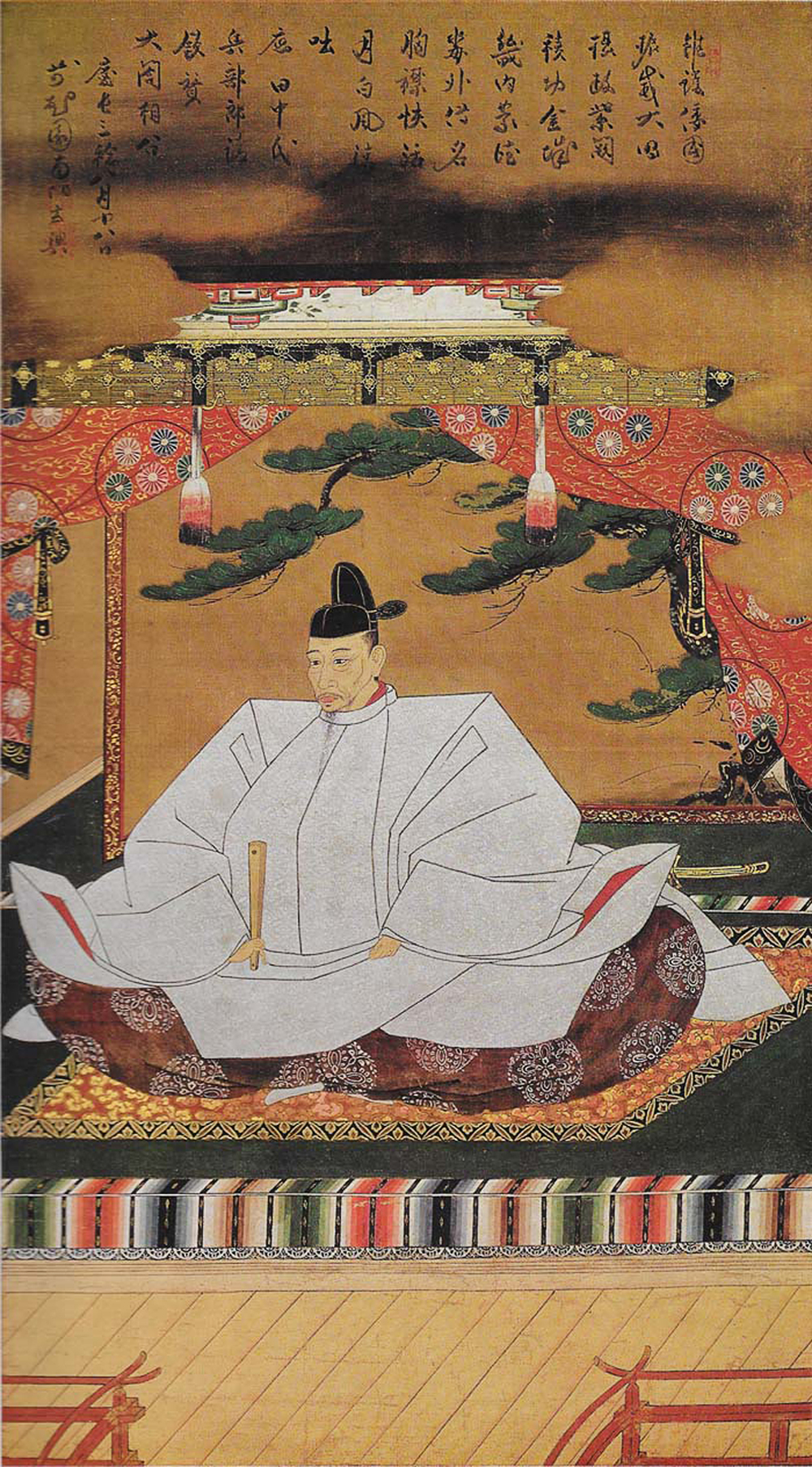
Toyotomi Hideyoshi
 Japan
Japanpolitician•military commander•ashigaru
Birthday
+1536-02-02
Birth Sign
Aquarius
Birthplace
Nakamura-ku
Age
Died at 62
About
Toyotomi Hideyoshi, born around February 1537, rose from humble peasant beginnings to become one of Japan's most significant historical figures. He served as a key retainer to the powerful Oda Nobunaga, distinguishing himself through military prowess and strategic brilliance. After Nobunaga's assassination in 1582, Hideyoshi swiftly moved to avenge his lord, defeating the assassin Akechi Mitsuhide at the Battle of Yamazaki. This victory set him on a path to consolidate power and complete the unification of Japan, effectively ending the turbulent Sengoku period.
Fame & Fandom
Toyotomi Hideyoshi commands a following that transcends the typical boundaries of historical interest, blending academic rigor with the fervor of strategy gamers and devotees of Japanese cultural heritage. Unlike modern pop stars, his fanbase does not gather under a single banner or perform synchronized rituals; instead, their devotion manifests through deep engagement with video games like Civilization VII and Koei Tecmo titles, as well as sustained viewership of NHK Taiga dramas such as Brothers in Arms. This unique community keeps his legacy alive by debating his rise from an ashigaru to the highest court noble, treating his life story as a timeless parable of social mobility. While recent viral incidents, such as the decapitation of his statue in Nagoya, sparked global conversation about the treatment of historical monuments, these events serve as grim reminders of his enduring presence rather than celebratory fan moments.
The scope of this admiration is vast and quantifiable within the iFANN Global Fame Rankings, which track global attention across media coverage, search, and consumption signals worldwide. Toyotomi Hideyoshi stands as the 9th most famous person in Japan, holding steady from the previous cycle. His influence extends beyond national borders, securing him the position of the 31st most famous person from Japan. Furthermore, his impact on regional history cements his status as the 29th most famous person in East Asia.
Interesting Facts and Legends
Historical records confirm that Toyotomi Hideyoshi was born around February 1537 to a humble peasant family, eventually rising to become one of Japan's three Great Unifiers after serving Oda Nobunaga. Following Nobunaga's assassination in 1582, he swiftly avenged his lord by defeating Akechi Mitsuhide at the Battle of Yamazaki, a victory that paved the way for the unification of Japan and the end of the Sengoku period.
Ancient folklore often retells the tale of the Golden Tea Bowl Incident, where Hideyoshi demanded a golden bowl from a rival to symbolize his shift in cultural authority. Another widely known legend involves his ambitious invasions of Korea between 1592 and 1598, known as the Imjin Wars, which remain a central topic in modern historical storytelling. In contemporary times, his image became the subject of a viral news event in August 2025 when the head of a statue in Nagoya was found missing, leading to police investigations into vandalism that captivated audiences far beyond traditional history circles.
Death & Aftermath
Died
+1598-09-18 (aged 62)
Death Place
Sumpu Castle, Suruga Province, Japan
Cause of Death
Complications from a stroke or general debility
The news of Hideyoshi's passing sent a profound wave of mourning through the land, with daimyo and commoners alike pausing their affairs to honor the man who had finally stitched Japan back together after centuries of civil war. His final days were spent in seclusion at Sumpu Castle in Suruga Province while he recovered from an illness contracted during the Korean campaigns, waiting anxiously for news from his son Toyotomi Hidetsugu before succumbing to his condition on September 18, 1598. Historical accounts attribute his death to natural causes, specifically complications from a long-standing illness described as a stroke or general debility associated with his advanced age and the physical toll of decades of warfare, though some folklore suggests the stress of unification and the failure of the Korean invasions may have accelerated his decline.
The funeral rites were held shortly after his death at the Daigo-ji temple in Kyoto, a grand public affair attended by major figures including Tokugawa Ieyasu and Ishida Mitsunari that served as a final display of unity before the coalition began to fracture. He was cremated according to high-ranking Buddhist protocols befitting his status as Kampaku, with his ashes interred beneath a stupa erected in his memory at the very temple where he had shown such deep devotion. In the years following his death, the political landscape shifted rapidly as the Council of Five Elders maneuvered for power, eventually leading to the Battle of Sekigahara in 1600 and the establishment of the Tokugawa Shogunate.
The complex succession struggle failed to preserve the Toyotomi clan's rule, resulting in the destruction of Osaka Castle and the extinction of the main line by 1615, with his properties and titles absorbed by the new regime. Despite this tragic end for his family, Hideyoshi has been remembered for centuries as one of Japan's three great unifiers, featured in hundreds of books, films, and television dramas including the NHK Taiga drama Brothers in Arms.
Awards & Accolades
Keywords
Quick Facts
- Profession
- politician, military commander, ashigaru
- Born
- +1536-02-02
- Birthplace
- Nakamura-ku
- Died
- +1598-09-18
- Death Place
- Fushimi Castle
- Gender
- Male
- Spouse
- Nene, Yodo-dono, Kyōgoku Tatsuko, Kai-hime, Kōnomae, Minami Dono, Minami no Tsubone, Maa-hime, Himeji Dono, Hirosawa no Tsubone, Getsukei'in, En'yū-in, Sanjō-dono, Sannomarudono
- Birth Sign
- Aquarius
Personal Details
- Spouse
- Nene, Yodo-dono, Kyōgoku Tatsuko, Kai-hime, Kōnomae, Minami Dono, Minami no Tsubone, Maa-hime, Himeji Dono, Hirosawa no Tsubone, Getsukei'in, En'yū-in, Sanjō-dono, Sannomarudono
Join the community
fans discussing