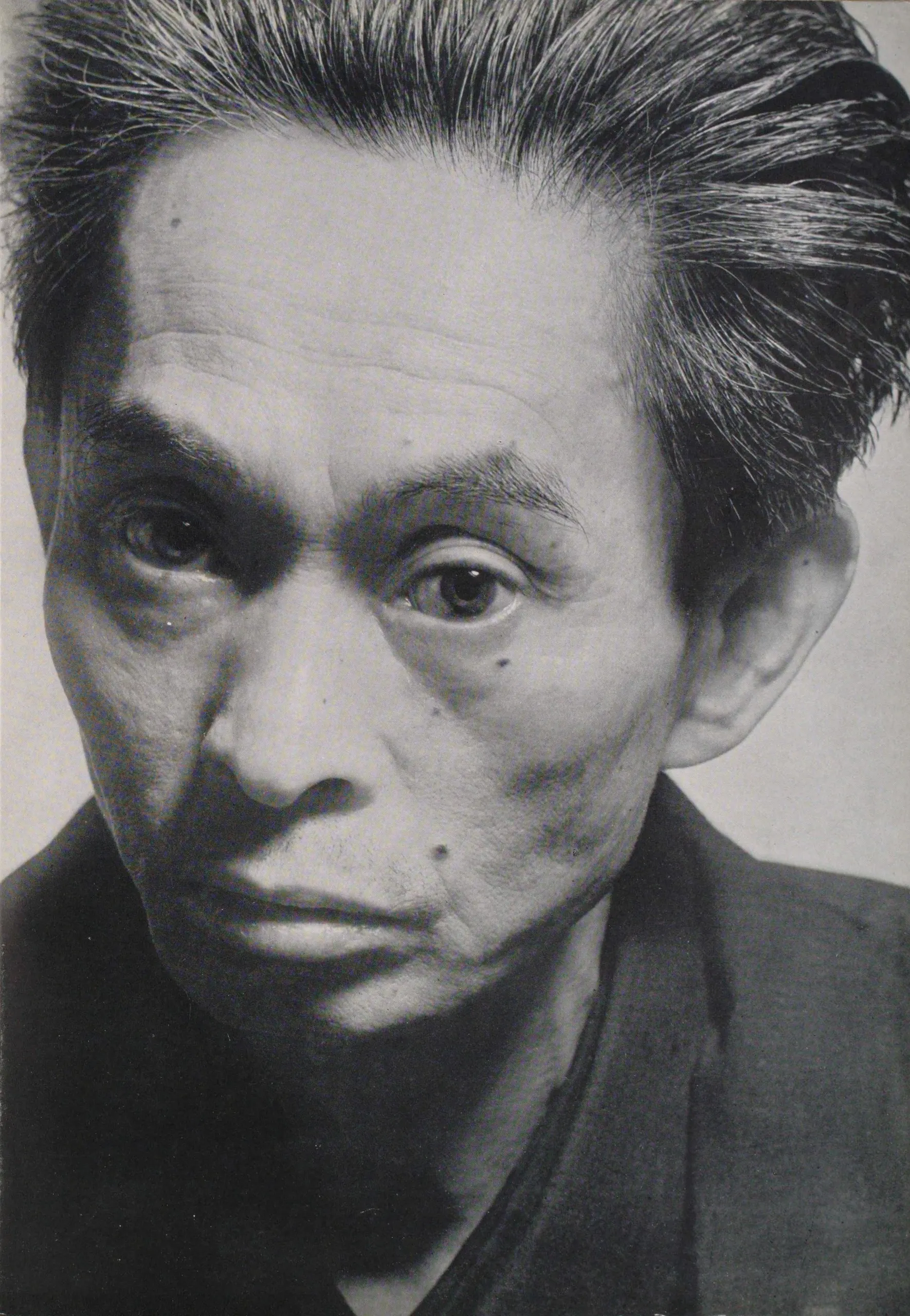
Yasunari Kawabata
 Japan
Japanwriter•novelist•short story writer
Also known as: 川端康成
Birthday
June 11, 1899
Birth Sign
Gemini
Birthplace
Osaka, Japan
Age
Died at 72
About
Yasunari Kawabata was a Japanese novelist and short story writer whose spare, lyrical prose redefined modern Japanese literature. Born on June 11, 1899, in Osaka, he made history in 1968 as the first Japanese author to receive the Nobel Prize in Literature. The Swedish Academy cited his narrative mastery which with great sensibility expresses the essence of the Japanese mind. His works, including Snow Country, The Old Capital, and Thousand Cranes, are celebrated for their subtle emotional depth and have found a wide international readership.
Kawabata's writing often explores themes of loneliness, beauty, and the passage of time, drawing on traditional Japanese aesthetics while embracing modernist techniques. He died on April 16, 1972, at the age of 72, leaving behind a legacy that continues to influence writers worldwide. His estate remains active through royalties and literary honors established in his name.
Early Life & Background
Kawabata was born into a family of physicians in Osaka, but his early years were marked by profound tragedy. His mother died of tuberculosis when he was just one year old, and his father passed away from the same disease two years later. Following these losses, he was briefly raised by an aunt before being adopted by his wealthy maternal grandparents, who had no children of their own. This upbringing in the countryside provided him with a deep, lifelong connection to nature and traditional Japanese aesthetics, themes that would permeate his writing.
He attended elementary school in Osaka but spent much of his childhood in the rural areas of Hyogo Prefecture. In 1917, he entered the First Higher School in Tokyo, where he studied philosophy and literature. It was here that he met fellow students who would become influential figures in the literary world. He enrolled at Tokyo Imperial University in 1920, majoring in English literature before switching to Japanese literature. During his university years, he co-founded the student literary magazine Shin Shicho (New Poetry), where he began publishing his early fiction.
Career Growth
Kawabata's career began in earnest during the 1920s. He published his first significant work, The Izu Dancer, in 1926, a semi-autobiographical novella about a young student's encounter with a traveling dancer. This work established his reputation for delicate, impressionistic storytelling. Throughout the 1930s and 1940s, he produced a steady stream of novels and short stories, often serialized in newspapers.
His masterpiece, Snow Country, was written between 1935 and 1947, appearing in installments and then as a complete novel in 1948. The story of a sterile relationship between a Tokyo playboy and a geisha in a remote hot-spring town became his most internationally acclaimed work. In 1949, he published The Old Capital, which won the Mainichi Culture Prize. This was followed by Thousand Cranes in 1952, another critical success that solidified his status as Japan's leading literary figure.
In 1968, the Nobel Committee awarded him the Nobel Prize in Literature, citing his ability to capture the fleeting beauty of the Japanese spirit. He delivered his acceptance speech, titled Japan, the Beautiful and Myself, emphasizing the aesthetic traditions of Japan. After receiving the prize, he continued to write, producing works like Dandelions, which was completed shortly before his death.
Career Timeline
Public Image & Style
Kawabata cultivated a public persona of quiet dignity and reclusion. He rarely gave interviews after the mid-1950s, preferring to let his work speak for itself. His image is that of a traditionalist who embraced modernism, blending the aesthetics of the tea ceremony with the psychological depth of Western literature. Media portrayals often emphasize his solitary nature and his deep connection to the natural world, particularly the changing seasons and landscapes of Japan.
Fame & Fandom (iFAMOUS Rankings)
Yasunari Kawabata never cultivated a modern fandom in the sense of organized fan clubs or social media campaigns. His readership consists of literary scholars, students, and enthusiasts who engage with his texts in quiet reflection. The reverence for his work is academic and solitary, manifesting through book clubs, university courses, and the enduring popularity of his novels in translation. There is no formal name for this audience; they are simply those drawn to his spare, lyrical prose and themes of transience.
Despite the lack of a unified fanbase, his cultural footprint remains massive. He holds a distinct position in global consciousness as measured by the iFANN Global Fame Rankings. Yasunari Kawabata is currently the 49th most famous person from Japan, a placement holding steady from the previous cycle. This reflects his enduring status as a national icon and the first Japanese Nobel laureate. He was featured at No. 50 in the September 2026 iFAMOUS Rankings.
Interesting Facts and Legends
Kawabata was a devoted lover of the tea ceremony and often incorporated its rituals into his writing. He was a founding member of the P.E.N. Club of Japan. Despite his fame, he was known for his reclusive nature and avoided the limelight, rarely giving interviews after the mid-1950s. He was a close friend of the painter Tsuchida Bakusen and the poet Kikuchi Kan. His writing style, characterized by ma (negative space) and silence, influenced many contemporary authors, including Haruki Murakami.
Notable Quotes
“The beautiful has ceased to exist.”
“I want to be a writer who can express the beauty of the Japanese soul.”
“Snow Country is a place where time stands still.”
Family & Personal Life
Kawabata's parents were both physicians who died when he was very young. He was adopted by his maternal grandparents, who raised him in the countryside. He married Hideko Itō in 1949. She was a former actress and model who became his primary caretaker and manager. Their marriage was reportedly stable, though Kawabata maintained several extramarital affairs throughout his life. They had no children together. Hideko managed his estate after his passing.
Notable Connections
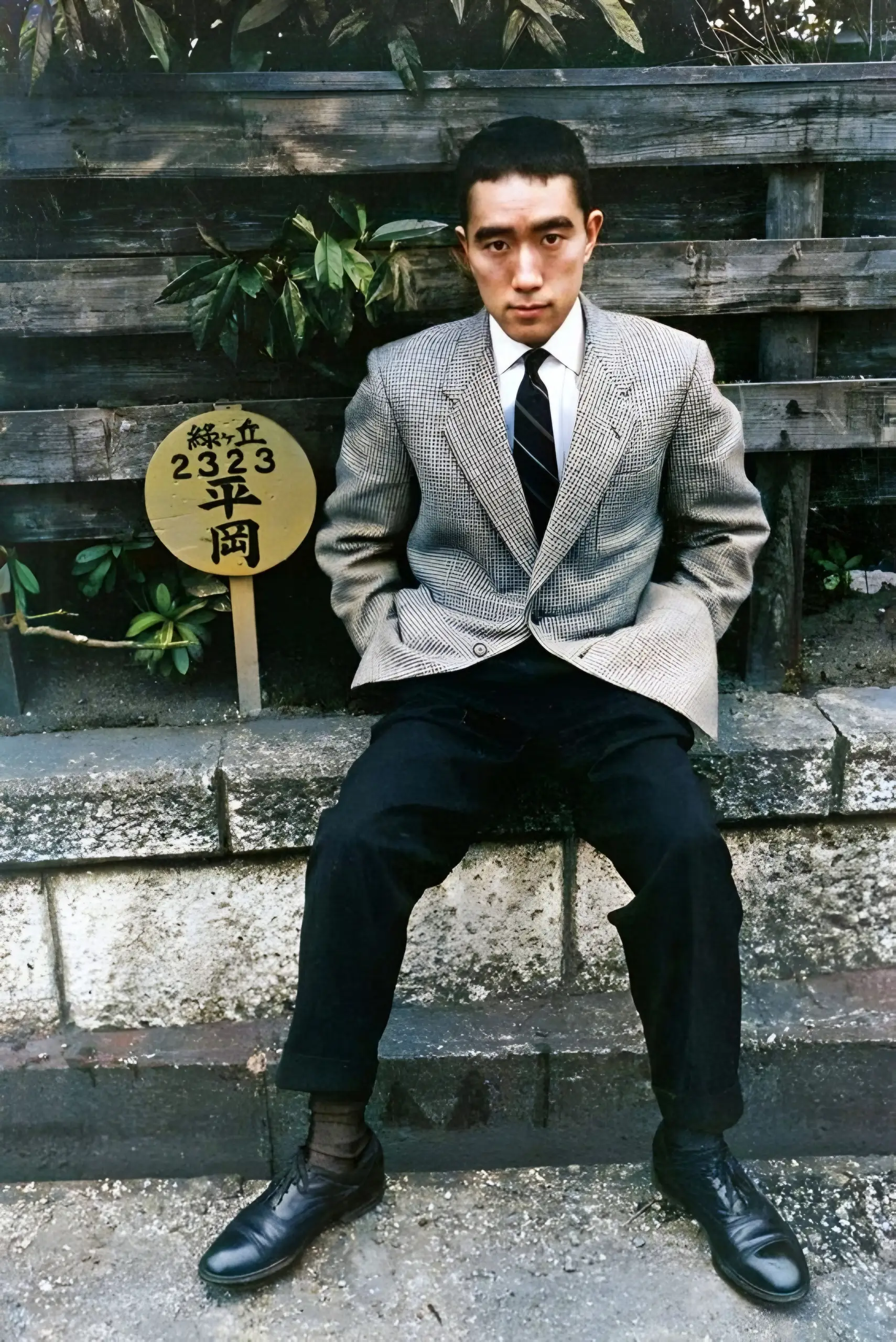
Hideko Kawabata, Junichiro Tanizaki, Yukio Mishima, Tsuchida Bakusen, Kikuchi Kan.
Relationships & Dating History
Kawabata's personal life was largely private, yet it was deeply intertwined with his writing. He married Hideko Itō in 1949. She was a former actress and model who became his primary caretaker and manager. Their marriage was reportedly stable, though Kawabata maintained several extramarital affairs throughout his life, which often served as inspiration for his female characters. While specific details of his romantic relationships are less documented than those of pop stars, historical accounts suggest he had significant connections with several women, including Tomoko Yamazaki, a frequent companion and muse during the 1930s and 1940s. Fumiko Enchi, a fellow writer and close friend, also had a significant presence in his life, though their relationship is generally described as platonic. Kawabata never remarried or formed a long-term public partnership outside of his marriage to Hideko. As of his death in 1972, he was widowed (having lost his parents as a child) and married to Hideko.
- MarriedHideko Kawabata1949 - 1972She managed his estate after his passing.
Death & Aftermath
Died
April 16, 1972 (aged 72)
Death Place
Zushi, Kanagawa Prefecture
Cause of Death
Carbon monoxide poisoning
Yasunari Kawabata died on April 16, 1972. He was found in his apartment by a housekeeper who entered after failing to hear him respond. The official cause of death was determined to be suicide by carbon monoxide poisoning; he had placed a plastic bag over his head and connected it to a gas stove. While the circumstances were reported as suicide, the lack of a will led to lingering ambiguity regarding his final days. The death was accepted based on physical evidence and testimony concerning his deteriorating mental state following the death of his close friend Yukio Mishima in November 1970. The public reaction to Kawabata's death was one of profound national mourning. As Japan's most celebrated literary figure and the only Japanese author to win the Nobel Prize at the time, his death was treated as a significant cultural loss.
Tributes poured in from literary peers, including Junichiro Tanizaki's contemporaries and younger writers who viewed him as a master of the short story form. Institutions such as the Japanese Academy of Arts held moments of silence, while newspapers across Japan ran extensive obituaries and retrospectives of his life's work. Sales of his major works, including Snow Country, Thousand Cranes, and The Old Capital, surged immediately following the news, cementing his status as a national treasure. Kawabata's funeral was a private affair held shortly after his death, consistent with traditional Japanese customs for high-profile figures who preferred discretion. The service took place at the Soto Zen temple in Tokyo, attended primarily by family members, close friends, and fellow writers. His body was cremated, and his ashes were interred at the cemetery in Kamakura, near the site of his summer home where he often sought inspiration.
In the posthumous period, Kawabata's legacy continued to grow through the publication of previously unpublished manuscripts and letters, as well as numerous film adaptations of his novels. In 1972, the year of his death, he was posthumously honored with the Order of Culture by the Japanese government. Several foundations and scholarships have been established in his name to support young writers, including the Kawabata Yasunari Literary Award, which continues to be presented annually to recognize outstanding new talent in Japanese literature.
Net Worth (Estate Value)
$5 Million
iFANN Editorial Team estimate
As Kawabata passed away in 1972, his net worth is now represented by the value of his estate. The estate, managed by his widow and subsequently her heirs, generates revenue through royalties from his books, licensing deals for film and television adaptations, and merchandise. Exact figures for his estate value in 2026 are not publicly disclosed in detail, but his works remain bestsellers globally, ensuring a steady income stream. The iFANN Editorial Team estimates the current value of Kawabata's estate at approximately $5 million based on ongoing sales of his catalog and intellectual property rights.
Awards Won (5)
Yasunari Kawabata received numerous accolades throughout his career, culminating in the Nobel Prize in Literature in 1968. He was the first Japanese author to win this prestigious award. Other significant honors include the Mainichi Culture Prize for The Old Capital in 1949, the Asahi Prize in 1960, the Order of Culture in 1961, and recognition as a Person of Cultural Merit in 1963. His legacy is further honored by the establishment of the Yasunari Kawabata Literary Award in 1973.
1968 · Literature
Overall body of work
1949 · Literature
The Old Capital
Known For
Snow Country
1948 · Author
The Old Capital
1949 · Author
Thousand Cranes
1952 · Author
Keywords
Sources
Quick Facts
- Profession
- writer, novelist, screenwriter
- Born
- June 11, 1899
- Birthplace
- Osaka
- Died
- April 16, 1972
- Death Place
- Zushi
- Gender
- Male
- Spouse
- Hideko Kawabata
- Birth Sign
- Gemini
Personal Details
- Full Name
- Yasunari Kawabata
- Spouse
- Hideko Kawabata
- Children
- Education
- Tokyo Imperial University
Frequently Asked Questions
Why did Yasunari Kawabata commit suicide?
What was Yasunari Kawabata's most famous book?
Did Yasunari Kawabata have any children?
When did Yasunari Kawabata win the Nobel Prize?
Where is Yasunari Kawabata buried?
Similar People
Join the community
fans discussing