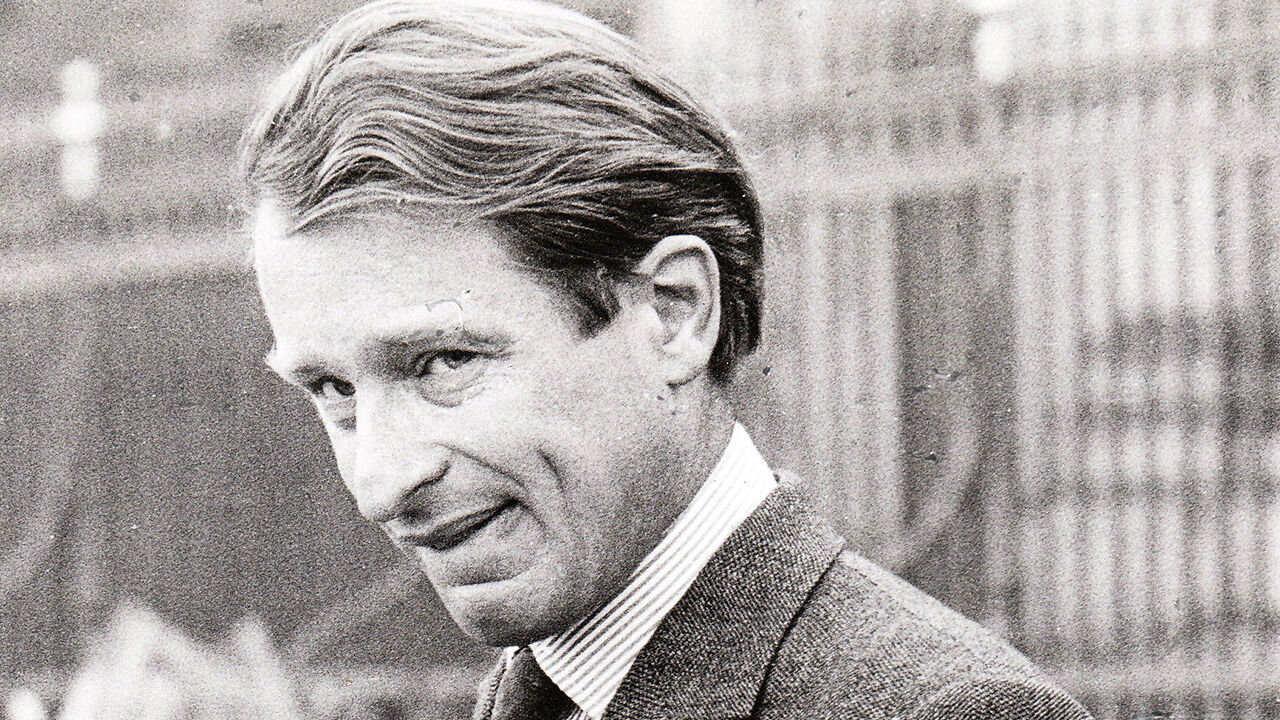
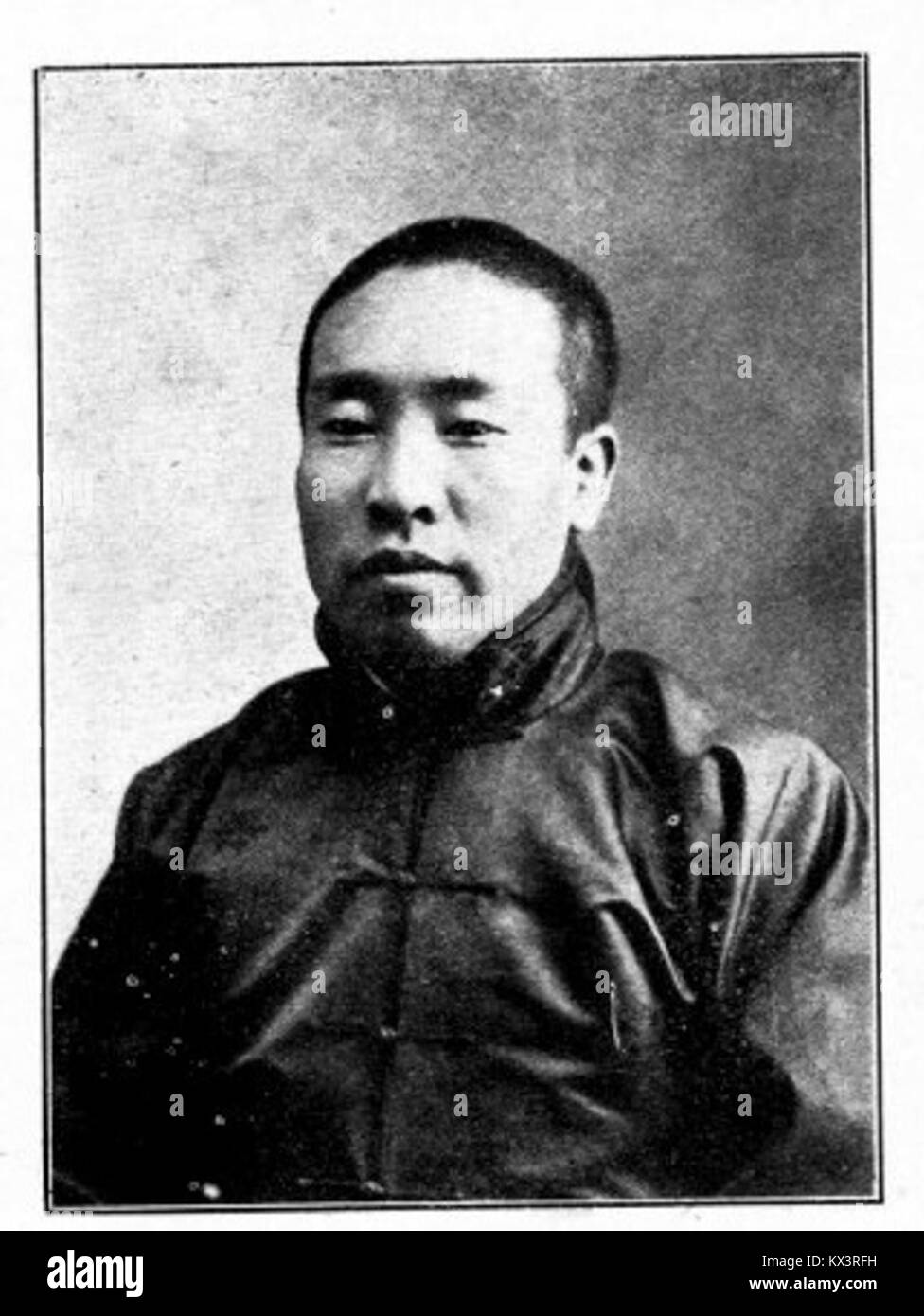
Yao Wenyuan
 China
ChinaAlso known as: 姚文元
Birthday
December 11, 1931
Birth Sign
Sagittarius
Birthplace
Zhuji County, Zhejiang Province, China
Age
Died at 74
About
Yao Wenyuan was a Chinese literary critic and politician, the youngest member of the Gang of Four that terrorized China during the Cultural Revolution. He is best known for his 1965 critique of the historical play Hai Rui Dismissed from Office, a piece that helped ignite the Cultural Revolution and shot him to the upper echelons of the Communist Party. As a member of the Central Cultural Revolution Group, he wielded immense power over propaganda and cultural policy from 1966 to 1976.
His career collapsed after Mao Zedong's death in 1976. Arrested in October of that year, he was tried in 1981 and sentenced to 20 years in prison. He was released in 1996 for health reasons and died in Shanghai in 2005 at the age of 74, the last surviving member of the Gang of Four. His legacy remains deeply controversial, a symbol of the excesses of the Cultural Revolution.
Early Life & Background
Yao Wenyuan was born in Zhuji County, Zhejiang Province, in 1931, the son of leftist writer Yao Benzi. Following in his father's footsteps, he was drawn to literature and politics from an early age. As a teenager, he moved to Shanghai, a city that would become the center of his political and literary career.
He joined the Chinese Communist Party and began working as a literary critic in Shanghai, where he gained a reputation for sharp, ideological attacks against fellow writers. His early writings aligned closely with Mao Zedong's political line, catching the attention of party leaders. By the early 1960s, he was a rising figure in the party's cultural apparatus, known for his polemical style and unwavering loyalty to Mao.
His big break came in November 1965 when he published a critique of Wu Han's historical play Hai Rui Dismissed from Office in the Shanghai newspaper Wenhui Bao. The essay argued that the play was a veiled attack on Mao and the socialist system, and it is widely credited with helping to ignite the Cultural Revolution.
Career Growth
The publication of his critique of Hai Rui Dismissed from Office in 1965 was the pivotal moment of Yao Wenyuan's career. It propelled him into the inner circle of Mao Zedong and the radical faction of the party. In 1966, he became a member of the Central Cultural Revolution Group, where he influenced media and literature policy, shaping the cultural landscape of the period.
In February 1967, he and Zhang Chunqiao met with Mao in Shanghai, just after establishing the Shanghai People's Commune, a move that solidified their power. Throughout the Cultural Revolution (1966–1976), Yao was one of the most visible members of the Gang of Four, wielding immense control over propaganda and cultural affairs. His writings and policies were instrumental in the persecution of intellectuals and the destruction of cultural artifacts.
After Mao's death in September 1976, Yao and the other Gang members were arrested in October. He was tried in 1981 and sentenced to 20 years in prison. He was released in 1996 for health reasons and lived quietly in Shanghai until his death in 2005.
Career Timeline
Public Image & Style
Yao Wenyuan's public image is overwhelmingly negative in historical accounts. He is described as a 'literary polemicist' and a member of the 'Gang of Four that terrorized China.' He is blamed for the chaos and political extremism of the Cultural Revolution. No fandom culture or signature style is documented; his content was ideological and political, consisting of literary criticism and propaganda writings.
Fame & Fandom (iFAMOUS Rankings)
While the modern world often associates fanbases with vibrant rituals and organized adoration, the legacy of Yao Wenyuan stands as a stark exception to that cultural pattern. The fanbase has no formal name; there are no documented fandom names, no fan club campaigns, and certainly no crowds gathering to celebrate his life; instead, the historical record shows an audience defined by fear, denunciation, and political struggle rather than the adulation typical of celebrity culture. The stories retold about him are not folklore born of enthusiasm but cautionary tales of political extremism where the primary reaction was terror rather than cheers. This absence of a fanbase aligns with his status as a high-ranking politician and literary critic whose pen served as a weapon during the Cultural Revolution, leaving no room for the kind of personal devotion seen in entertainment circles.
In the landscape of global notoriety, iFANN has evaluated his standing with rigorous precision. As of August 2026, the iFANN Global Fame Engine has determined that Yao Wenyuan does not currently hold a placement in the published rankings, including the Global Top 1,000 or any Top-100 scope list. He remains unranked within these specific parameters, reflecting the complex nature of his infamy which exists outside standard metrics of fame. While he commanded immense power over propaganda from 1966 to 1976, his posthumous presence is measured by historical weight rather than contemporary popularity signals. The evaluation confirms that while his actions reshaped a nation, they did not generate the sustained public consumption or search volume required to secure a numerical position in the current global hierarchy.
Interesting Facts and Legends
Yao Wenyuan holds the distinction of being both the youngest member of the infamous Gang of Four and the last surviving member at the time of his death in 2005. His 1965 critique of the historical play Hai Rui Dismissed from Office is widely considered the opening salvo that ignited the Cultural Revolution, launching his career under Mao's patronage. In 1967, he published an essay about a Qing dynasty drama that later became a reference point in discussions regarding Chinese media censorship. Today, his extensive writings remain archived on the Marxist Internet Archive for scholars studying the era.
One iconic moment etched into history is the publication of his seminal article Critique of the New Historical Drama "Hai Rui Dismissed from Office". This piece, written under the direction of Jiang Qing and Mao, accused playwright Wu Han of ideological betrayal and served as the spark that destabilized the nation. Another significant event occurred when Yao and other members of the Gang of Four met to consolidate their power following the establishment of the Shanghai Commune. These events transformed him from a literary critic into a figure known as "The Cudgel," a title earned through his aggressive rhetorical style and role in purging intellectuals during the decade-long turmoil.
Family & Personal Life
Yao Wenyuan was the son of Yao Benzi, a leftist writer who influenced his early political and literary development. Little is known about his mother or any siblings. His personal life was largely overshadowed by his political career, and details about his spouse and children are not documented in available sources. He lived in Shanghai for much of his life, both during his rise to power and after his release from prison.
Notable Connections
Yao Wenyuan was closely associated with Mao Zedong, who was his patron and supported his rise. He was a key member of the Gang of Four, alongside Jiang Qing, Zhang Chunqiao, and Wang Hongwen. His 1965 critique targeted Wu Han, the author of Hai Rui Dismissed from Office. His father, Yao Benzi, was a leftist writer who influenced his early career.
Relationships & Dating History
No public romantic relationships, marriages, or dating history for Yao Wenyuan are documented in available sources. The sources focus exclusively on his political career. Given the nature of his public life as a Chinese political figure and the limited biographical coverage, no relationship information is available. He was deceased as of 2005, and no current relationship status can be reported as of 2026.
Death & Aftermath
Died
December 23, 2005 (aged 74)
Death Place
Shanghai, China
Cause of Death
Reported complications from age and prior illness
Yao Wenyuan spent his final years in quiet seclusion within Shanghai, living under the surveillance typical for former high-ranking officials who had been rehabilitated yet remained historical pariahs. He passed away on December 23, 2005, at the age of 74, marking the end of an era as the last surviving member of the Gang of Four. While official announcements from Chinese authorities and family statements confirmed the event, specific medical details were not explicitly detailed beyond the context of his advanced age and prior health struggles associated with his long imprisonment. The public reaction to his passing was characterized by silence rather than tributes or vigils.
International reactions focused primarily on obituaries noting his role as a propagandist for Mao Zedong and the architect of the Cultural Revolution's cultural purge, with outlets like The Washington Post and The Guardian describing him as a figure responsible for terrorizing China during that era. Funeral arrangements for Yao Wenyuan were strictly private, adhering to the standard protocol for members of the Gang of Four to receive low-key funerals. His legacy remains confined to historical analysis and academic study of the Cultural Revolution, with recent works like Alexander Cook's The Cultural Revolution on Trial continuing to examine his role as a key ideological enforcer.
Net Worth (Estate Value)
Information about Yao Wenyuan's net worth or estate is not available in public sources. As a Chinese political figure who was imprisoned and later released, he did not accumulate personal wealth comparable to Western celebrities. He lived in a communist state where private wealth accumulation was not typical. No credible net worth figures exist, and his estate's financial status is not documented.
Awards & Accolades
View 1 records, honours and achievementsKnown For
Gang of Four
1966-1976 · Member
Critique of Hai Rui Dismissed from Office
1965 · Author
Central Cultural Revolution Group
1966 · Member
Keywords
Sources
Quick Facts
- Profession
- politician, literary critic
- Born
- December 11, 1931
- Birthplace
- Zhuji County, Zhejiang Province, China
- Died
- December 23, 2005
- Death Place
- Shanghai
- Gender
- Male
- Birth Sign
- Sagittarius
Personal Details
- Full Name
- Yao Wenyuan
Frequently Asked Questions
Who was Yao Wenyuan?
What happened to Yao Wenyuan after Mao's death?
What did Yao Wenyuan write?
How old was Yao Wenyuan when he died?
What was the Gang of Four?
Join the community
fans discussing