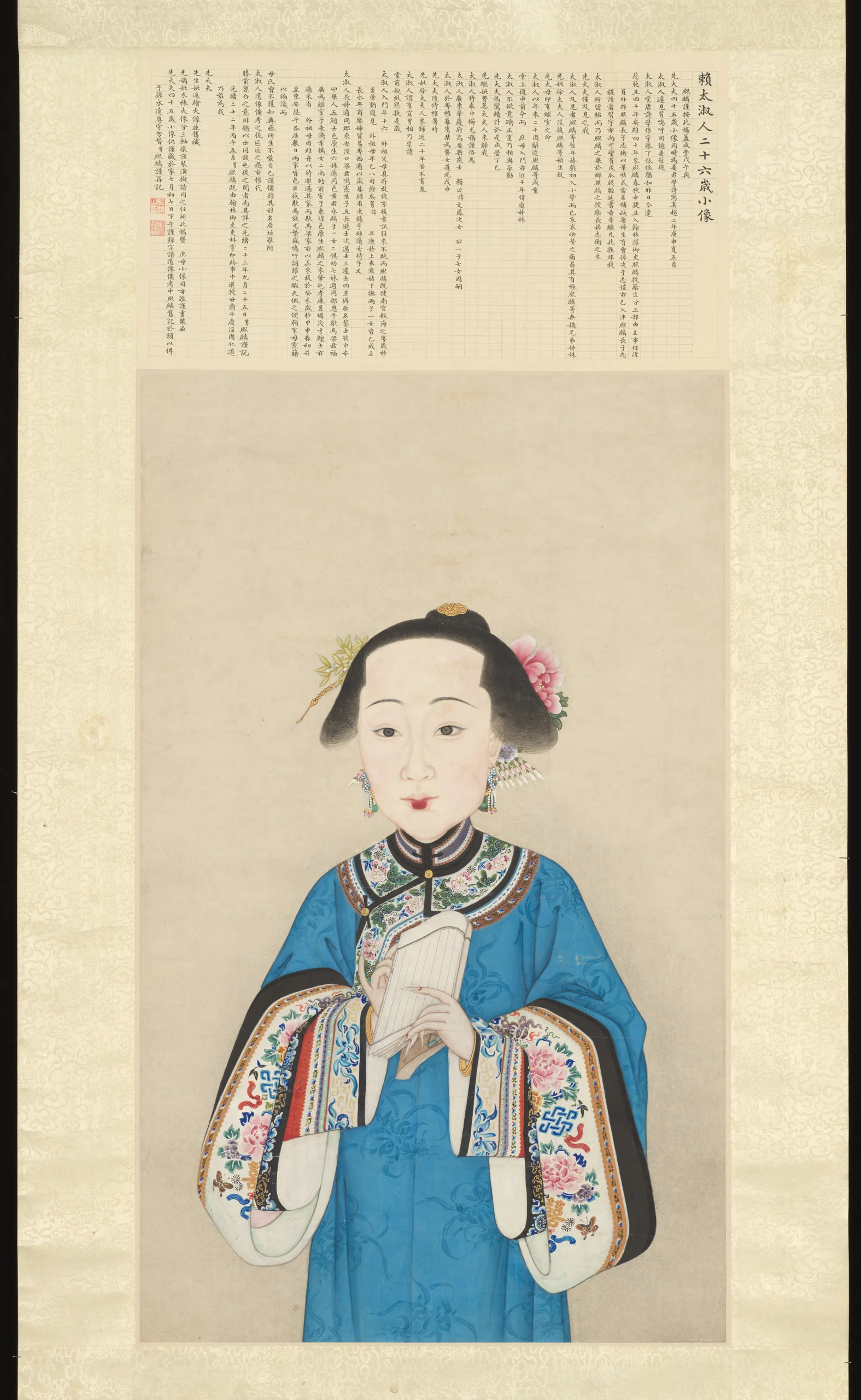
Jiang Qing
 China
Chinaactress•politician•revolutionary
Also known as: Li Yunhe, Lan Ping, Chiang Ch'ing
Birthday
March 5, 1914
Birth Sign
Pisces
Birthplace
Zhucheng, Shandong Province, China
Age
Died at 77
About
Jiang Qing, born Li Yunhe in 1914, was a Chinese revolutionary and actress who rose to become the fourth wife of Mao Zedong and the most powerful woman in China during the mid-20th century. Adopting the stage name Lan Ping, she transitioned from Shanghai's film industry to the inner circles of the Communist Party, eventually becoming a central architect of the Cultural Revolution. Her influence extended beyond politics into the realm of art, where she directed the purge of traditional culture and promoted revolutionary model operas. As the leader of the infamous Gang of Four, she wielded unprecedented authority until Mao's death in 1976 triggered her downfall. She remains one of the most notorious figures in modern history, defined by her ruthless political maneuvering and the immense turmoil she helped unleash upon the nation.
Her legacy is inextricably linked to the dark chapter of the 20th century known as the Cultural Revolution, a period marked by widespread persecution and social chaos. After being arrested and tried for her role in these events, she spent her final years under house arrest before dying in 1991. Jiang Qing's life story serves as a stark historical example of how personal ambition can intersect with totalitarian power to reshape a nation's destiny.
Early Life & Background
Li Yunhe was born on March 5, 1914, in Zhucheng, Shandong Province, into a family plagued by poverty and domestic strife. Her father worked as an abusive schoolteacher, while her mother served as a domestic helper, creating a hostile environment that forced Li Yunhe to leave home at a young age. Seeking escape and opportunity, she moved to Shanghai in the early 1930s, adopting the pseudonym Lan Ping to distance herself from her troubled past. In the vibrant capital of Chinese cinema, she studied drama and found moderate success between 1934 and 1937, appearing in films such as The Song of the Fishermen and gaining recognition for her beauty and acting talent.
Her trajectory shifted dramatically in 1933 when she joined the Chinese Communist Party, marking a decisive pivot from commercial entertainment to revolutionary ideology. By 1937, she had traveled to Yan'an, the CCP's base in northern China, to continue performing plays that aligned with party doctrine. It was within the cultural circles of this revolutionary stronghold that she first encountered Mao Zedong, setting the stage for her eventual ascent from a struggling actress to a pivotal political figure. Her early years were characterized by a struggle against economic hardship and a relentless pursuit of a new identity in a rapidly changing China.
Career Growth
Jiang Qing's career transformed from acting to high-stakes politics after marrying Mao Zedong in 1938, beginning her tenure as his personal secretary throughout the 1940s. This role granted her access to the inner workings of the party, allowing her to rise through the ranks of the Ministry of Culture and the Publicity Department. By the 1950s, she had taken charge of the Film Section, using her position to promote revolutionary art and systematically purge artists she deemed counter-revolutionary. Her influence peaked during the Cultural Revolution, which she initiated in 1966 alongside other radicals like Zhang Chunqiao and Wang Hongwen. She effectively led the movement's cultural wing, championing revolutionary model operas and orchestrating the persecution of millions of perceived enemies.
Elected to the Politburo in 1969 and elevated to the Standing Committee in 1973, she held unprecedented power for a woman in China. Following Mao's death in September 1976, she attempted to consolidate power but was swiftly arrested in October. She was tried in January 1981, sentenced to death with a two-year reprieve, and the sentence was commuted to life imprisonment in 1983. Her political career ended not with glory, but with conviction and imprisonment, marking the collapse of the Gang of Four.
Career Timeline
Public Image & Style
Jiang Qing is portrayed in media and history as a ruthless, ambitious, and manipulative figure who embodied the corruption of power by ideology. She is often depicted as a villain in biopics and documentaries, representing the dangers of unchecked political ambition and personal vendettas. During her time in power, she cultivated an image of a revolutionary icon, promoting strict adherence to Maoist thought and suppressing dissent. However, post-trial narratives have solidified her reputation as a key architect of the Cultural Revolution's excesses, casting her as a symbol of fear and caution.
Her legacy is one of infamy, serving as a reminder of the devastation wrought by totalitarian regimes. Unlike modern celebrities who enjoy adoration, Jiang Qing is remembered for her role in the persecution of millions. Her image has evolved from a celebrated revolutionary partner to a cautionary tale of a woman who wielded significant influence over culture and politics, only to fall from grace spectacularly. The public perception of her remains deeply negative, reflecting the collective memory of the trauma she inflicted upon China.
Fame & Fandom (iFAMOUS Rankings)
Jiang Qing remains a figure of intense historical scrutiny rather than the adoration typical of entertainment icons. While her early career as Lan Ping brought her into Shanghai's film circles, her legacy is defined by political power and subsequent infamy, leaving no room for the organic fan rituals or charitable campaigns seen with modern celebrities. There is no formal name for any group following her life; the audience engaging with her story consists of historians, students, and those examining a dark chapter of 20th-century politics rather than devoted fans organizing tributes. Her presence in popular culture is almost exclusively academic or critical, focusing on the mechanics of the Cultural Revolution.
Despite this unique trajectory away from traditional stardom, her prominence in global memory remains statistically significant according to the iFANN Global Fame Rankings. Current data places her as the 92nd most famous person in China, holding steady from the previous cycle. She also holds the position of the 40th most famous person from China, maintaining her standing. Within the specific sphere of dramatic history and biographical content, she ranks as the 26th most famous person in Dramas. These metrics reflect how her story continues to resonate across media coverage and consumption signals worldwide, securing her place in the collective record even decades after her death.
Interesting Facts and Legends
Jiang Qing performed under the stage name Lan Ping during her acting years in Shanghai, a persona she maintained to separate her revolutionary identity from her past. Historical accounts often describe her as ruthless toward rivals, particularly actors who threatened her status or opposed her cultural policies. She was the only woman among the Gang of Four, a group that also included Zhang Chunqiao, Yao Wenyuan, and Wang Hongwen. Her trial in January 1981 was one of the most high-profile political trials in Chinese history, televised and broadcast nationwide.
During the proceedings, she claimed she was merely acting on Mao's orders, a defense that became legendary in Chinese legal lore. Another persistent story suggests she targeted stars who opposed her, cementing her reputation as a formidable operator even before her political ascent. She is also noted for her role in promoting revolutionary model operas, which replaced traditional Chinese opera with politically charged performances. These lesser-known facts highlight her multifaceted role as both an artist and a political enforcer.
Notable Quotes
“I am a revolutionary.”
“We must criticize the old world and build a new one.”
Family & Personal Life
Li Yunhe was born to a poor family in Zhucheng, Shandong, where her father was an abusive schoolteacher and her mother worked as a domestic servant. Reliable records indicate she had no siblings mentioned in her childhood history. Her first marriage was to Tang Na, a fellow actor and communist activist whom she married in 1933 while active in the Shanghai film scene. They divorced around 1937 due to ideological differences and her growing commitment to the CCP's radical cause, which required her to leave Shanghai for Yan'an. Tang Na was later persecuted during the Cultural Revolution, highlighting the tragic fate of those associated with her past.
In 1938, she married Mao Zedong in Yan'an, becoming his fourth wife. The couple had no biological children together, though they were said to have been close companions in their later years. Their relationship was characterized by intense political collaboration rather than traditional domestic life. Jiang Qing remained widowed after Mao's death in 1976 until her own death in 1991. There are no records of her having children or maintaining a household outside of the political sphere, leaving her legacy entirely tied to her husband and her political actions.
Notable Connections
Relationships & Dating History
Jiang Qing's romantic life was defined by two major relationships that shaped her destiny. Her first marriage was to Tang Na, a fellow actor and communist activist, in 1933. They married while she was still active in the Shanghai film scene. The union ended in divorce around 1937, reportedly due to ideological differences and her growing commitment to the CCP's radical cause, which required her to leave Shanghai for Yan'an. Tang Na was later persecuted during the Cultural Revolution, suffering greatly for his association with her.
In 1938, Jiang Qing married Mao Zedong in Yan'an, becoming his fourth wife. The couple had no biological children together, though they were said to have been close companions in their later years. Their relationship was characterized by intense political collaboration, with Jiang Qing wielding significant influence over Mao's decisions, particularly regarding culture and ideology. Mao died in September 1976. Jiang Qing was arrested shortly thereafter and remained widowed until her own death in 1991. As of 2026, she is deceased, having been married to Mao Zedong at the time of her death, leaving no surviving spouse or direct descendants.
- DivorcedTang Na1933 - 1937First husband, a fellow actor and communist activist; divorced due to ideological differences.
- WidowedMao Zedong1938 - 1976Fourth wife of Mao Zedong; married until his death in 1976.
Death & Aftermath
Died
May 14, 1991 (aged 77)
Death Place
Beijing, China
Cause of Death
Suicide by hanging
Jiang Qing died on May 14, 1991, at the People's Liberation Army General Hospital in Beijing while under strict medical surveillance. She was seventy-seven years old when she took her own life by hanging in the early morning hours, a fact confirmed by internal government reports rather than a public autopsy. The Chinese leadership kept the news of her death extremely quiet to prevent any resurgence of sympathy for the Gang of Four, delaying the official announcement until funeral arrangements were finalized. Her ashes were interred at the Chongling Cemetery in Beijing.
Decades later, small acts of historical interest emerged, such as visitors leaving flowers at her grave during the Qingming Festival in April 2018, though these were never official dedications. No posthumous releases or honors followed; instead, her legacy remains a subject of historical scrutiny and cautionary tales about political power. Her death marked the definitive end of an era, closing the chapter on the tumultuous years of the Cultural Revolution and the reign of the Gang of Four.
Net Worth (Estate Value)
$0
iFANN Editorial Team estimate
As a political figure in a command economy, Jiang Qing did not accumulate wealth in the traditional capitalist sense. Her "net worth" is not quantifiable in dollars. She lived in government-provided housing and received state stipends. There is no public record of private real estate holdings, stocks, or business ventures. Upon her death, her estate was minimal. Any personal items seized during her trial were likely confiscated by the state.
Posthumous earnings are nonexistent for her personally, though books, documentaries, and films about her life generate revenue for creators. The iFANN Editorial Team estimates her net worth at approximately $0, reflecting the lack of personal assets in a system where private wealth was suppressed. Her financial existence was entirely dependent on the state, and she left behind no fortune, only a legacy of political intrigue and historical controversy.
Awards Won (2)
Jiang Qing did not win traditional entertainment awards. Her recognition came in the form of political titles and honors bestowed by the CCP during the height of her power, including membership in the Politburo and the Standing Committee. She was a central figure in the Gang of Four, a group that controlled much of China's cultural and political landscape during the Cultural Revolution.
1969 · Political Title
Chinese Communist Party
1973 · Political Title
Chinese Communist Party
Known For
The Song of the Fishermen
1934 · Actress
Cultural Revolution
1966 · Leader
Keywords
Sources
Quick Facts
- Profession
- actor, politician, film actor
- Born
- March 5, 1914
- Birthplace
- Zhucheng, Shandong Province, China
- Died
- May 14, 1991
- Death Place
- Beijing, China
- Gender
- Female
- Spouse
- Tang Na, Mao Zedong
- Birth Sign
- Pisces
Personal Details
- Full Name
- Li Yunhe
- Spouse
- Tang Na, Mao Zedong
- Children
- Education
- Shanghai Drama School (informal training)
Filmography
5
Total
5
Film
0
TV
Frequently Asked Questions
Who was Jiang Qing?
How did Jiang Qing die?
What was Jiang Qing's stage name?
Was Jiang Qing married more than once?
Why is Jiang Qing infamous?
Join the community
fans discussing