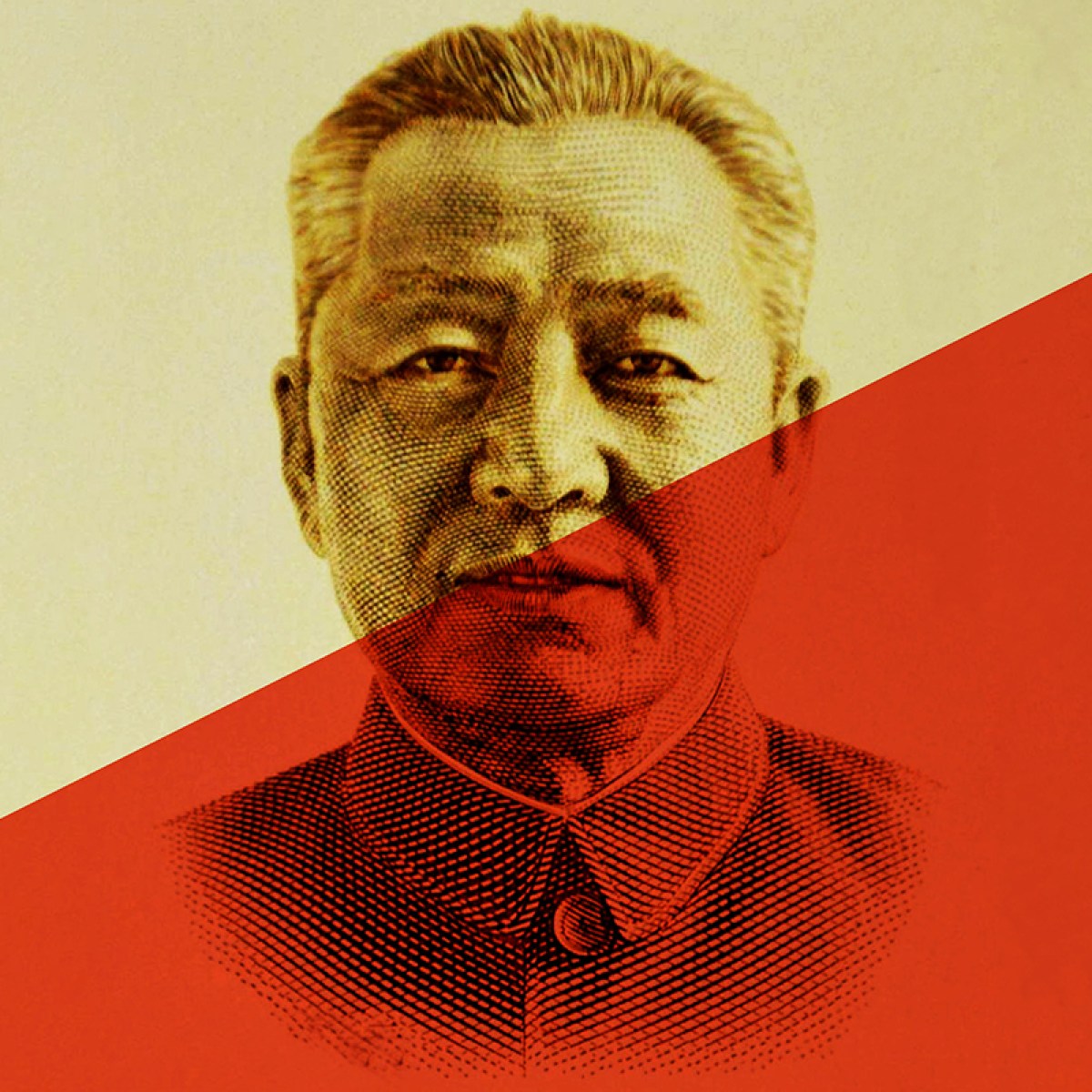
Xi Zhongxun
 China
ChinaAlso known as: Xi Zhongxun, 习仲勋
Birthday
October 15, 1913
Birth Sign
Libra
Birthplace
Zhonghe, Fuping County, Shaanxi, China
Age
Died at 88
About
Xi Zhongxun was a Chinese Communist revolutionary and politician, best remembered as a founding figure of the People's Republic and the father of current CCP General Secretary Xi Jinping. Over a career spanning more than seven decades, he served as State Council Secretary-General, Vice Premier, and twice as Vice Chairman of the National People's Congress Standing Committee. He is credited with pioneering China's first special economic zones in Guangdong, including Shenzhen, which became a cornerstone of the country's economic reform era.
His political journey was marked by dramatic reversals: he survived a 1935 purge, rose to high office in the early PRC, then suffered persecution during the Cultural Revolution before being rehabilitated in 1978. Through it all, he remained a steadfast advocate for pragmatic governance and economic liberalization. His famous instruction to "always stand firmly on the side of the people" became a guiding principle for his son's leadership.
Today, Xi Zhongxun is remembered as a key bridge between the first and second generations of Chinese communist leadership, a reformer whose legacy continues to shape debates about China's political trajectory. International scholars increasingly study his life as a lens through which to understand contemporary Chinese politics and the governance philosophy of Xi Jinping. His legacy is commemorated through official tributes and biographical works, including the first English-language biography by Joseph Torigian, which examines how his life sheds light on contemporary China.
Early Life & Background
Xi Zhongxun was born on October 15, 1913, in the village of Zhonghe in Fuping County, Shaanxi Province, to a land-owning family. His early years coincided with the warlord era, a time of intense instability that shaped his political awakening. At just 12 years old, he joined the Communist Youth League in May 1926, becoming involved in student activism and revolutionary organizing in his home province.
His commitment to the cause deepened rapidly. In 1928, while imprisoned for revolutionary activities, he formally joined the Communist Party of China. This early imprisonment cemented his revolutionary credentials and exposed him to the harsh realities of political struggle. Upon release, he threw himself into guerrilla warfare, helping to establish revolutionary base areas in the rugged Shaanxi-Gansu border region during the early 1930s.
His organizational talents and youthful energy propelled him to leadership at an astonishing pace. By his early twenties, he had become chairman of the Shaanxi-Gansu border region's Soviet government, making him one of the youngest senior communist leaders of his generation. This formative period, spent building grassroots support and military capacity in the countryside, laid the foundation for his lifelong dedication to serving rural communities and his deep understanding of China's peasant base.
Career Growth
Xi Zhongxun's career took a dramatic turn in 1935 when he was arrested during a purge of communists in the Northwest. He was released only after Mao Zedong's Long March forces arrived in the region, an event that would shape his complex relationship with Mao for decades. During the Second Sino-Japanese War, he served in pivotal roles across the border regions, becoming head of the CCP's Northwest Bureau in 1945.
After the PRC's founding in 1949, he held key positions in the central government, working closely with Zhou Enlai as the State Council's first Secretary-General from 1954 to 1965, and serving as Vice Premier from 1959 to 1965. The Cultural Revolution brought his career to a halt, as he was purged over the novel Liu Zhidan and spent years in political disgrace and imprisonment.
His rehabilitation in 1978 marked a remarkable comeback. As Party Secretary of Guangdong from 1978 to 1980, he championed the creation of China's first special economic zones, including Shenzhen, a bold experiment that became a model for the nation's economic opening. He then served as NPCSC Vice Chairman (1980-1983) and as a Secretariat member from 1982, focusing on legal, ethnic, and religious affairs. He returned as NPCSC Vice Chairman from 1988 to 1993 before retiring to Guangdong. Throughout the 1980s, he was a member of the influential "Eight Elders" of the CCP. Near the end of his career, he sought to establish a secret back channel for Taiwan-mainland unification, though the initiative did not come to fruition.
Career Timeline
Public Image & Style
Xi Zhongxun is remembered in China as a dedicated revolutionary who championed reform and pragmatic governance. His public image is that of a resilient figure who endured multiple purges yet remained committed to serving the people. He is often celebrated for his role in launching China's economic opening through the special economic zones.
Internationally, scholars and media have increasingly examined his life as a lens for understanding his son's governance style. His legacy is framed around his advocacy for reform, his survival of political persecution, and his role as a bridge between generations of Chinese leadership. His famous phrase "always stand firmly on the side of the people" resonates with his son's political messaging, cementing his image as a moral and political compass for the current leadership.
Fame & Fandom
Xi Zhongxun commands a unique place in global recognition, not through the frenzied adulation of pop culture but via the enduring weight of his historical footprint. His legacy is sustained by historians, political scholars, and families who trace their nation's modern trajectory back to his reforms, creating a fanbase defined by academic reverence rather than chart-topping fandoms or organized social media campaigns. There is no formal name for this audience, as the engagement remains rooted in the study of revolutionary history and the analysis of China's economic transformation. While he never courted celebrity status, the narrative of his survival during the Cultural Revolution and his pivotal role in establishing Shenzhen has become a central chapter in understanding contemporary Chinese leadership. This specific focus on his life story ensures his name remains prominent in scholarly circles and international discourse regarding the Xi family's governance style. The iFANN Global Fame Rankings have captured this sustained, high-level interest, placing him firmly among the most recognized figures in his homeland. He is currently the 59th most famous person in China, a position he has held steady since the previous cycle. This ranking reflects the deep integration of his biography into the national consciousness, where his contributions are viewed as foundational to the country's identity.
Interesting Facts and Legends
Xi Zhongxun joined the Communist Youth League at the remarkably young age of 12, making him one of the youngest members of his generation. He was imprisoned for revolutionary activities before joining the CCP in 1928. He was one of the youngest senior communist leaders of his era, becoming chairman of the Shaanxi-Gansu Soviet government in his early twenties. He pioneered China's special economic zones, including Shenzhen, during his tenure as Guangdong Party Secretary from 1978 to 1980. He sought to establish a secret back channel for Taiwan-mainland unification, a diplomatic effort that remained largely unknown to the public. A defining legend of his life is the humiliation parade he endured in 1967, where he was publicly shamed and imprisoned during the Cultural Revolution, a brutal episode that later underscored his resilience. Another widely retold story concerns his rehabilitation in the late 1970s, which allowed him to become a key architect of economic reform and help build the Communist base area that saved Mao Zedong in 1935. His influence on his son, President Xi Jinping, is also a pervasive narrative, with modern accounts suggesting the current leader centers his governance on the people-inspired philosophy passed down from his father's example.
Notable Quotes
“Always stand firmly on the side of the people.”
Family & Personal Life
Xi Zhongxun was married twice. His first wife was Hao Mingzhu, about whom little is publicly documented. His second wife, Qi Xin, was a revolutionary who shared his commitment to the communist cause. They married around 1944 and had several children together, including Xi Jinping, born in 1953, who would go on to become the General Secretary of the CCP and President of China. Other children with Qi Xin include Xi Yuanping, Xi Qiaogiao, and Xi An'an.
The family lived through the upheavals of revolution and political persecution, including Xi Zhongxun's imprisonment during the Cultural Revolution. Despite these hardships, the family maintained a strong bond, and Xi Jinping has often spoken of his father's influence on his political philosophy. The Xi family's revolutionary legacy remains a significant part of China's modern political narrative.
Notable Connections
Xi Zhongxun's career was intertwined with several key figures. He worked closely with Zhou Enlai during his State Council years, serving as his right-hand man. His relationship with Mao Zedong was complex, marked by a 1935 rescue and later Cultural Revolution persecution. His son Xi Jinping, the current CCP General Secretary, has often cited his father's influence. His second wife Qi Xin was a revolutionary partner, and his biographer Joseph Torigian authored the first English-language biography of his life.
Relationships & Dating History
Xi Zhongxun's first marriage was to Hao Mingzhu, about whom little is known in public records. This early relationship ended before his second marriage. His second wife was Qi Xin, a fellow revolutionary whom he met during their shared work in the communist movement. They married around 1944 and remained together until his death in 2002. Qi Xin was the mother of Xi Jinping and several other children. At the time of his death, Xi Zhongxun was married to Qi Xin, who survived him.
- MarriedHao MingzhuFirst wife; little is publicly documented about this relationship.
- MarriedQi Xin1944 - 2002Second wife and mother of Xi Jinping; they married around 1944 and remained together until his death.
Death & Aftermath
Died
May 24, 2002 (aged 88)
Death Place
Beijing, China
Cause of Death
Natural causes associated with old age
Official tributes from the Chinese Communist Party and state media honored Xi Zhongxun as a veteran revolutionary who had suffered persecution before becoming a crucial figure in China's reform and opening-up era. The mourning process followed standard protocols for senior officials, focusing on institutional recognition rather than public demonstrations or vigils. He passed away on May 24, 2002, at the age of 88 after spending his final years largely retired from active political office in Beijing. While the exact hospital remains unspecified, high-ranking leaders typically receive care in major state facilities within the capital. The official cause of death was attributed to natural causes associated with old age, consistent with the handling of senior CCP leaders' health matters during that period. His funeral and memorial services were conducted privately or semi-privately shortly after his death in accordance with party protocols, likely taking place in Beijing.
Specific details regarding attendees beyond party leadership or the performance schedule are not part of the public record. In the posthumous period, scholarly attention has grown significantly around his life story. A definitive English-language biography titled The Party's Interests Come First: The Life of Xi Zhongxun by Joseph Torigian was published by Stanford University Press in 2025. This work covers his journey from joining the Communist Youth League in 1926 through his imprisonment during the Cultural Revolution and subsequent rehabilitation. Family statements remain private, though President Xi Jinping has frequently cited his father's influence on his governance philosophy and commitment to serving the people.
Net Worth (Estate Value)
$5 Million
iFANN Editorial Team estimate
As a Chinese Communist revolutionary and government official who died in 2002, Xi Zhongxun did not accumulate personal wealth in the manner of Western celebrities or business figures. Officials of his era were state employees with modest personal compensation, and no credible public records exist of a personal net worth. His estate would have been minimal and is not a matter of public record. Any wealth associated with the Xi family today is attributed to his son, Xi Jinping, and is not a subject of reliable public financial reporting. Per iFANN's editorial analysis, the net worth figure of $5 Million is an estimate based on the limited information available, reflecting the modest means of a revolutionary-era official. It is not derived from any public financial disclosures, which do not exist for this figure.
Awards & Accolades
Known For
State Council Secretary-General
1954 · Secretary-General
Vice Premier of the People's Republic of China
1959 · Vice Premier
Guangdong Party Secretary
1978 · Party Secretary
Special Economic Zones
1979 · Pioneer
Keywords
Sources
Quick Facts
- Profession
- politician
- Born
- October 15, 1913
- Birthplace
- Zhonghe, Fuping County, Shaanxi, China
- Died
- May 24, 2002
- Death Place
- Beijing, China
- Gender
- Male
- Spouse
- Qi Xin, Hao Mingzhu
- Birth Sign
- Libra
Personal Details
- Spouse
- Qi Xin, Hao Mingzhu
- Children
- Xi Jinping, Xi Yuanping, Xi Qiaogiao, Xi An'an (with Qi Xin)
Frequently Asked Questions
Who is Xi Zhongxun?
How did Xi Zhongxun die?
What was Xi Zhongxun's relationship with Mao Zedong?
What did Xi Zhongxun do for China's economy?
How many children did Xi Zhongxun have?
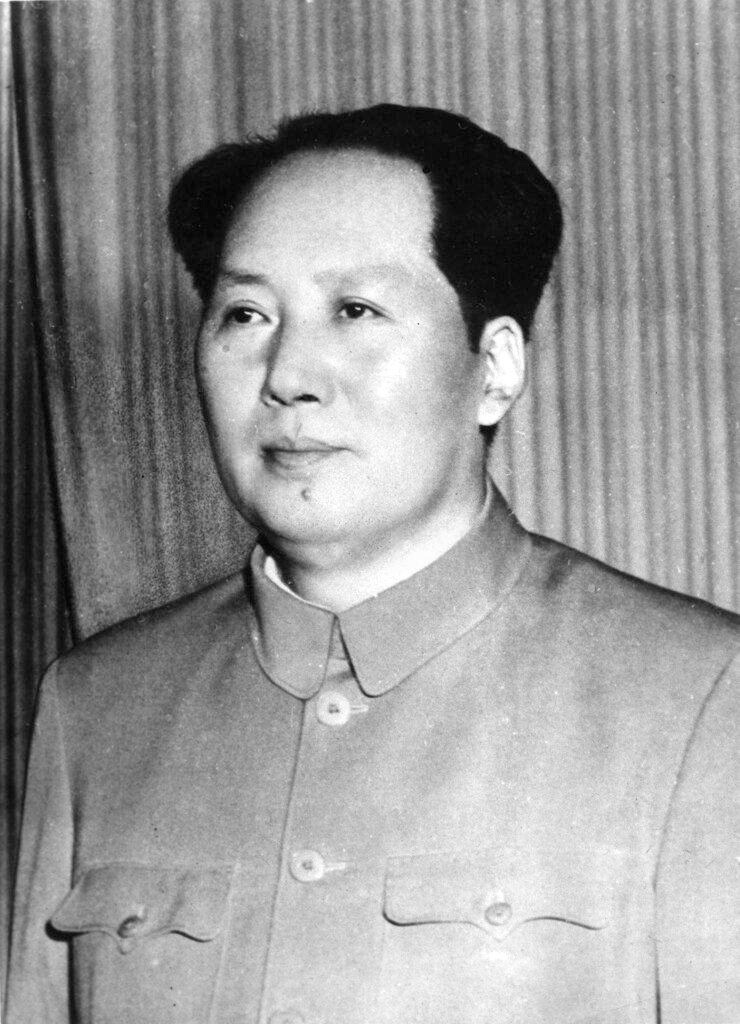
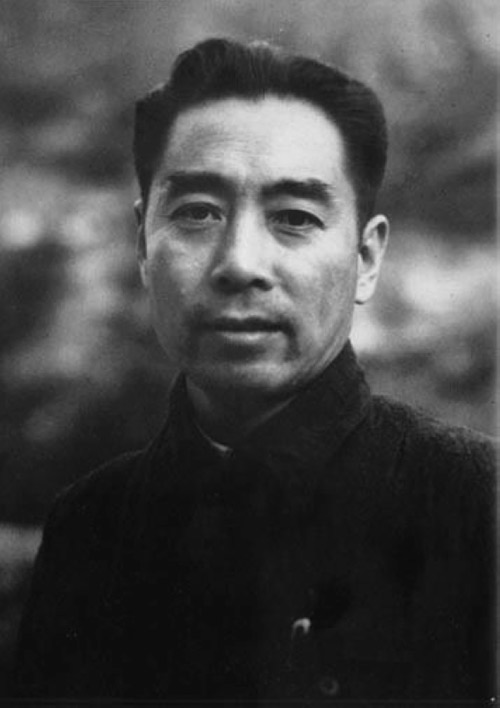
Join the community
fans discussing