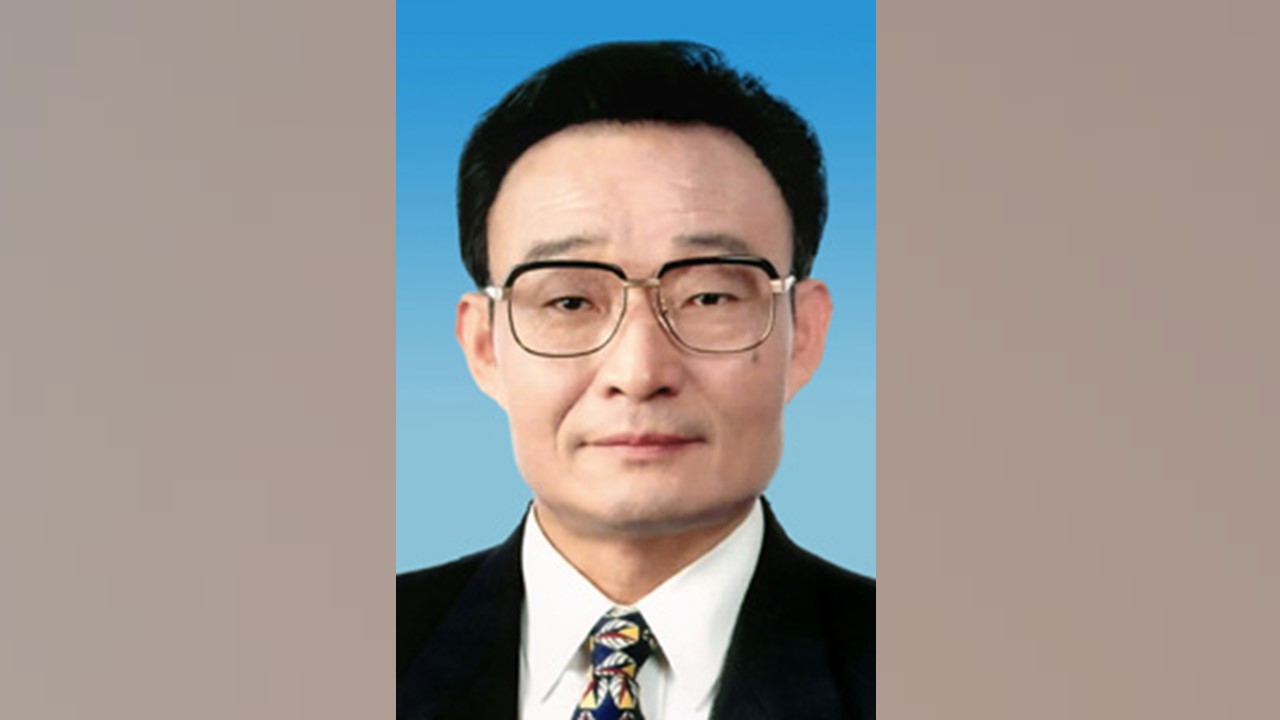
Wu Bangguo
 China
ChinaBirthday
July 22, 1941
Birth Sign
Cancer
Birthplace
Pingba District, Anhui, China
Age
Died at 83
About
Wu Bangguo was a Chinese politician who served as the second-highest-ranking member of the Communist Party's Politburo Standing Committee and as Chairman of the National People's Congress Standing Committee.
He was known for his conservative stance on political reform and his role in shaping China's legislative framework, including the 2004 constitutional amendment and the Anti-Secession Law.
Early Life & Background
Wu Bangguo was born in Pingba District, Anhui Province. He studied electrical engineering at Tsinghua University, graduating in 1966. His early career was as an electrical engineer, which gave him a technical foundation that influenced his later political work.
He joined the Communist Party in April 1964 and began working in September 1966. In the early 1980s, he moved to Shanghai, where he managed science and technology initiatives and built a close working relationship with then-mayor Jiang Zemin.
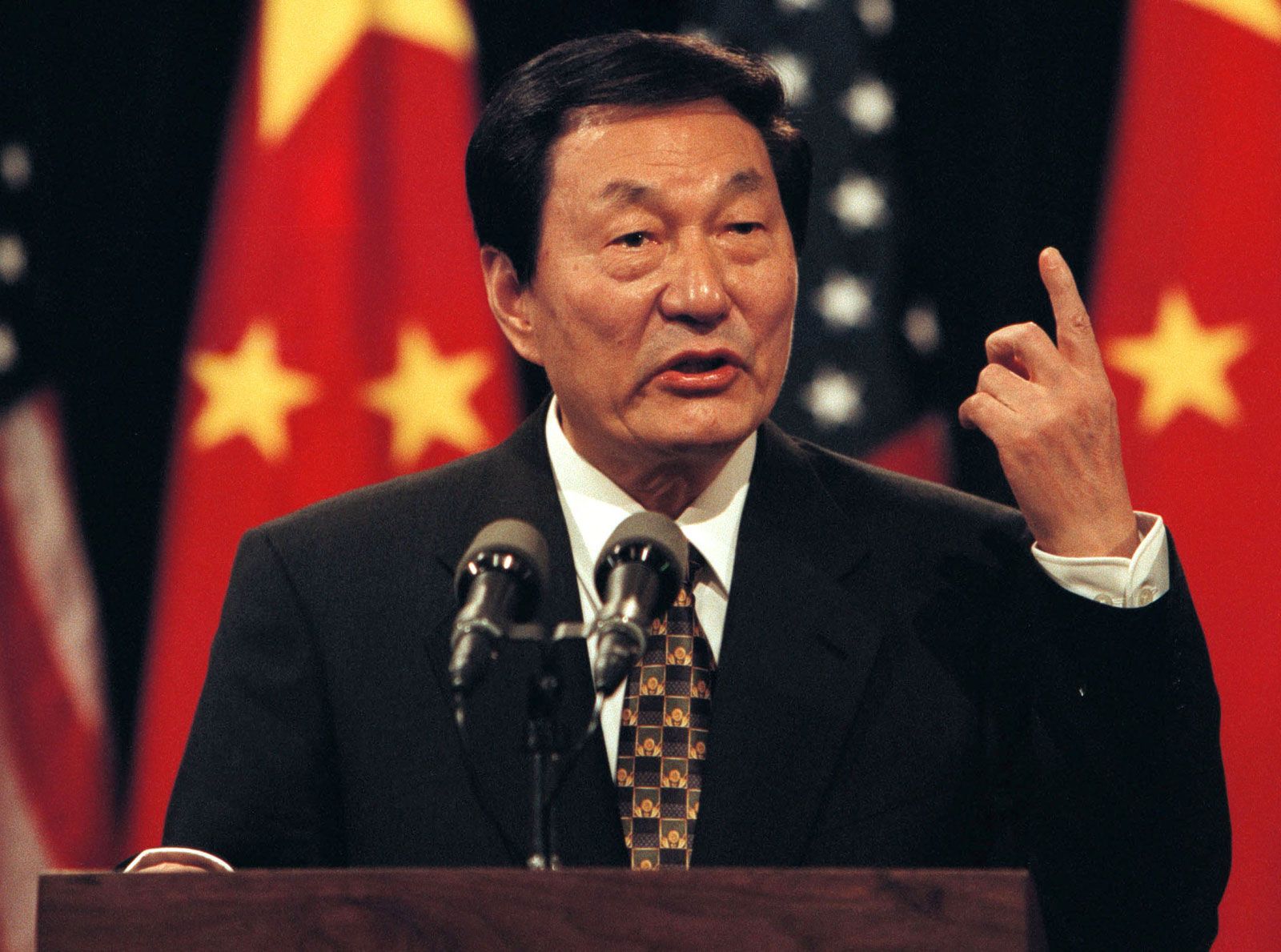
By 1991, he became Shanghai's party secretary, succeeding Zhu Rongji, and in 1992 he was elevated to the Politburo.
Career Growth
Wu's national career took off when he was appointed Vice Premier in 1995, overseeing state-owned enterprises and the Three Gorges Dam project. He joined the Politburo Standing Committee in 2002, becoming the party's second-highest official. In 2003, he became Chairman of the NPC Standing Committee, a position he held until 2013.
During his tenure, he oversaw the passage of key laws, including the 2004 constitutional amendment, the Anti-Secession Law, the Oversight Law, and the Property Law. He retired from the Politburo Standing Committee in 2012.
Career Timeline
Public Image & Style
Fame & Fandom
Wu Bangguo commanded a sphere of global attention defined by state authority and legislative influence rather than the broad consumption metrics that characterize modern celebrity. His public profile remained anchored in political history and government archives, distinct from the viral cycles of pop culture. The iFANN Global Fame Engine has evaluated this figure, yet he does not currently hold a placement in the published rankings, including the Global Top 1,000 or any Top-100 scope list. Consequently, no ordinal rank or numerical score is assigned to his current standing. Regarding his audience, the available records indicate that Wu Bangguo had no documented fandom name; his legacy belongs strictly to the realm of official state service and political analysis rather than organized fan communities. There are no recorded fan campaigns, birthday tributes, or ritualistic gatherings associated with his name. Unlike figures whose lives generate spontaneous crowds or unofficial lore, Wu's presence was maintained through formal diplomatic channels and domestic governance. The absence of a named fanbase reflects the nature of his career, which operated within the rigid structures of the Communist Party and the National People's Congress. No digital spaces or physical locations serve as hubs for a dedicated following, as his life did not intersect with the mechanisms of celebrity worship. While his death generated significant news coverage across major international outlets, this response was driven by geopolitical interest rather than personal adoration. The lack of a fandom designation underscores the distinction between high-ranking statesmen and cultural icons, confirming that his influence remains a matter of historical record rather than contemporary fan engagement.
Interesting Facts and Legends
Wu Bangguo began his professional journey with a technical foundation as an electrical engineer, a background that informed his early trajectory within the political apparatus. He rose to become one of China's most powerful officials, frequently described in historical accounts as the nation's No. 2 official during his tenure on the Politburo Standing Committee. His political philosophy was characterized by a steadfast opposition to Western political systems, a stance he articulated clearly when noting that concepts like democracy and liberty could threaten established vested interests. These positions cemented his reputation as a conservative architect of China's legislative framework. Beyond his ideological contributions, Wu played a pivotal role in shaping key legal milestones, including the 2004 constitutional amendment and the Anti-Secession Law. His leadership extended to serving as the Chairman of the National People's Congress Standing Committee, where he oversaw the country's top legislature. Following his passing on October 8, 2024, at the age of 83, his remains were cremated in Beijing shortly thereafter. The narrative surrounding his life remains grounded in verified historical events rather than folklore, reflecting a career dedicated entirely to state service and political stability.
Notable Quotes
“To be frank, it is democracy and liberty. Because they threaten vested interests, but to directly criticize democracy and liberty does not sound...”
Family & Personal Life
Notable Connections
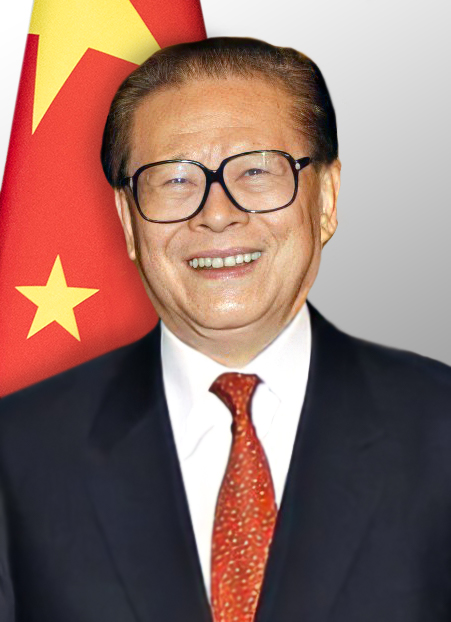
Wu developed a working relationship with Jiang Zemin in Shanghai, which later linked him to Jiang's political faction. He succeeded Zhu Rongji as Shanghai's party secretary. He served as a top lieutenant to Party General Secretary Hu Jintao.
Relationships & Dating History
Death & Aftermath
Died
October 8, 2024 (aged 83)
Death Place
Beijing, China
Cause of Death
Illness
Wu Bangguo, the former Chairman of the Standing Committee of the National People's Congress and a member of the Politburo Standing Committee, died on October 8, 2024, at 4:36 a.m. in Beijing, China. He was 84 years old at the time of his death, having been born on July 22, 1941. The official cause of death was reported as illness by state media outlets including Xinhua and the official government website. Wu had retired from active political leadership in 2013 following the 18th National Congress of the Communist Party of China, marking the end of his tenure as the second-ranking official in the Chinese hierarchy.
The death of Wu Bangguo elicited immediate official tributes and ceremonial honors consistent with the protocol for senior Chinese leaders. The Chinese national flag was flown at half-mast at Tian'anmen Square in Beijing to mourn his passing. State media outlets, including China Daily, Xinhua, and the South China Morning Post, published obituaries highlighting his decades of service as a key figure in China's legislative body and his role in opposing Western political systems. The process was handled administratively by the Chinese government without external judicial oversight.
The remains of Wu Bangguo were cremated in Beijing on October 14, 2024, six days after his death. The funeral arrangements were conducted according to state protocols for former top officials. While specific details regarding private attendees or musical performances were not detailed in the available sources, such events typically involve high-ranking party and government officials attending a formal memorial service before cremation. The primary posthumous honor was the official state mourning and the publication of his biographical legacy in state media. Regarding his estate, the handling of his personal assets and family affairs was not made public, which is standard procedure for senior Chinese political figures whose financial matters remain confidential.
Net Worth (Estate Value)
$10 Million
iFANN Editorial Team estimate
While Wu Bangguo's precise financial records remain outside public documentation, his long tenure as a senior state official suggests a modest salary supplemented by standard benefits. Per iFANN's editorial analysis, the total value of his estate is estimated at $10 Million, reflecting the assets accumulated over a career dedicated to legislative and political service. His remains were cremated in Beijing shortly after his passing on October 8, 2024.
Awards & Accolades
Known For
Chairman of the NPC Standing Committee
2003-2013 · Chairman
Politburo Standing Committee
2002-2012 · Member
Keywords
Sources
Quick Facts
- Profession
- Politician
- Born
- July 22, 1941
- Birthplace
- Pingba District, Anhui, China
- Died
- October 8, 2024
- Death Place
- Beijing
- Gender
- Male
- Birth Sign
- Cancer
Personal Details
- Full Name
- Wu Bangguo
- Education
- Tsinghua University (Electrical Engineering)
Frequently Asked Questions
When did Wu Bangguo die?
What was Wu Bangguo's role in Chinese politics?
Where was Wu Bangguo born?
What was Wu Bangguo's educational background?
What were some key legislative achievements during Wu Bangguo's tenure as NPCSC Chairman?
Join the community
fans discussing