
Wangarĩ Maathai
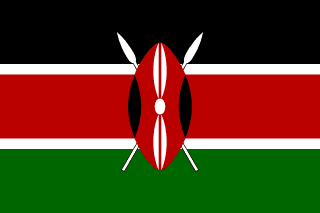 Kenya
KenyaSocial•environmental•and political activist
Also known as: Wangari Muta Maathai, Wangari Maathaï, Maathai
Birthday
April 1, 1940
Birth Sign
Aries
Birthplace
Ihithe, Nyeri County, Kenya
Age
Died at 71
About
Wangarĩ Maathai (1 April 1940 – 25 September 2011) was a Kenyan social, environmental, and political activist whose work fundamentally transformed the landscape of her country and inspired global movements for democracy and sustainability. Born in the village of Ihithe in Nyeri County, she grew up under British colonial rule, an experience that shaped her lifelong fight for justice and equality. Maathai is best known for founding the Green Belt Movement, an environmental non-governmental organization that has planted over 51 million trees while championing women's rights and community empowerment. She received numerous prestigious accolades, including the Nobel Peace Prize in 2004, the Goldman Environmental Prize in 1991, and the Right Livelihood Award in 1984. Her legacy is defined by a holistic approach linking environmental conservation with human rights and democratic governance. Beyond her environmental work, Maathai was a political force who served as an elected member of Kenya's parliament and assistant minister for environment and natural resources. She authored several influential books, including The Green Belt Movement, Trees for All Reasons, Challenging Globalization, and her memoir Unbowed. Her impact extends globally, recognized by TIME magazine as one of the 100 Most Influential People of the 20th Century and featured on covers of major publications like Time, New African, and National Geographic.
Early Life & Background
Wangarĩ Maathai was born on April 1, 1940, in the village of Ihithe in Nyeri County, Kenya, during the era of British colonial rule. Her early years were spent in a rural setting where she learned the importance of nature and community cooperation from her mother, instilling a deep respect for the land. As a child, she witnessed the environmental degradation caused by colonial forestry policies, which often excluded local populations from managing their own resources. Her academic potential was recognized early, leading to her selection for the Kennedy Airlift program. This initiative allowed her to travel to the United States for higher education, a rare opportunity for a Kenyan woman at the time. She earned a Bachelor of Science degree in Biology from Mount St. Scholastica College in Atchison, Kansas, in 1964. She continued her studies at the University of Pittsburgh, where she obtained a Master of Science in Biological Sciences in 1966. Upon returning to Kenya in 1967, she joined the University of Nairobi. There, she made history as the first woman in East and Central Africa to earn a Doctor of Philosophy in Veterinary Anatomy in 1971. Her academic career flourished as she became the first woman to hold a senior position at the university, serving as Assistant Professor and later as Head of the Department of Veterinary Anatomy. However, it was her growing awareness of the environmental degradation affecting Kenyan women, specifically the scarcity of firewood, clean water, and food, that pivoted her focus from academia to grassroots activism.
Career Growth
Maathai's career success is defined by the founding of the Green Belt Movement (GBM) in 1977. This non-governmental organization mobilized ordinary citizens, particularly rural women, to plant trees to combat deforestation, soil erosion, and poverty while simultaneously empowering women politically and economically. The movement planted over 51 million trees across Kenya and beyond, becoming one of the largest tree-planting initiatives in history. Her breakthrough moment came in 1984 when she received the Right Livelihood Award for converting the Kenyan ecological debate into mass action for reforestation. In the realm of politics, Maathai served as an elected member of the Kenyan parliament and held the position of Assistant Minister for Environment and Natural Resources from January 2003 to November 2005 under President Mwai Kibaki. Her most significant milestone occurred in December 2004, when she made history as the first African woman to win the Nobel Peace Prize. The committee recognized her contribution to sustainable development, democracy, and peace, highlighting her holistic approach that linked environmental conservation with human rights and democratic governance. She authored several influential books, including The Green Belt Movement (1987), Trees for All Reasons (1995), Challenging Globalization (2003), and her memoir Unbowed (2006). She also received the Goldman Environmental Prize in 1991, the Indira Gandhi Prize in 2000, and honorary degrees from Harvard, Yale, Brown, and Oxford universities. In 2009, she was awarded the Kenya Order of the Grand Warrior (G.W.), one of the highest national honors in Kenya.
Career Timeline
Public Image & Style
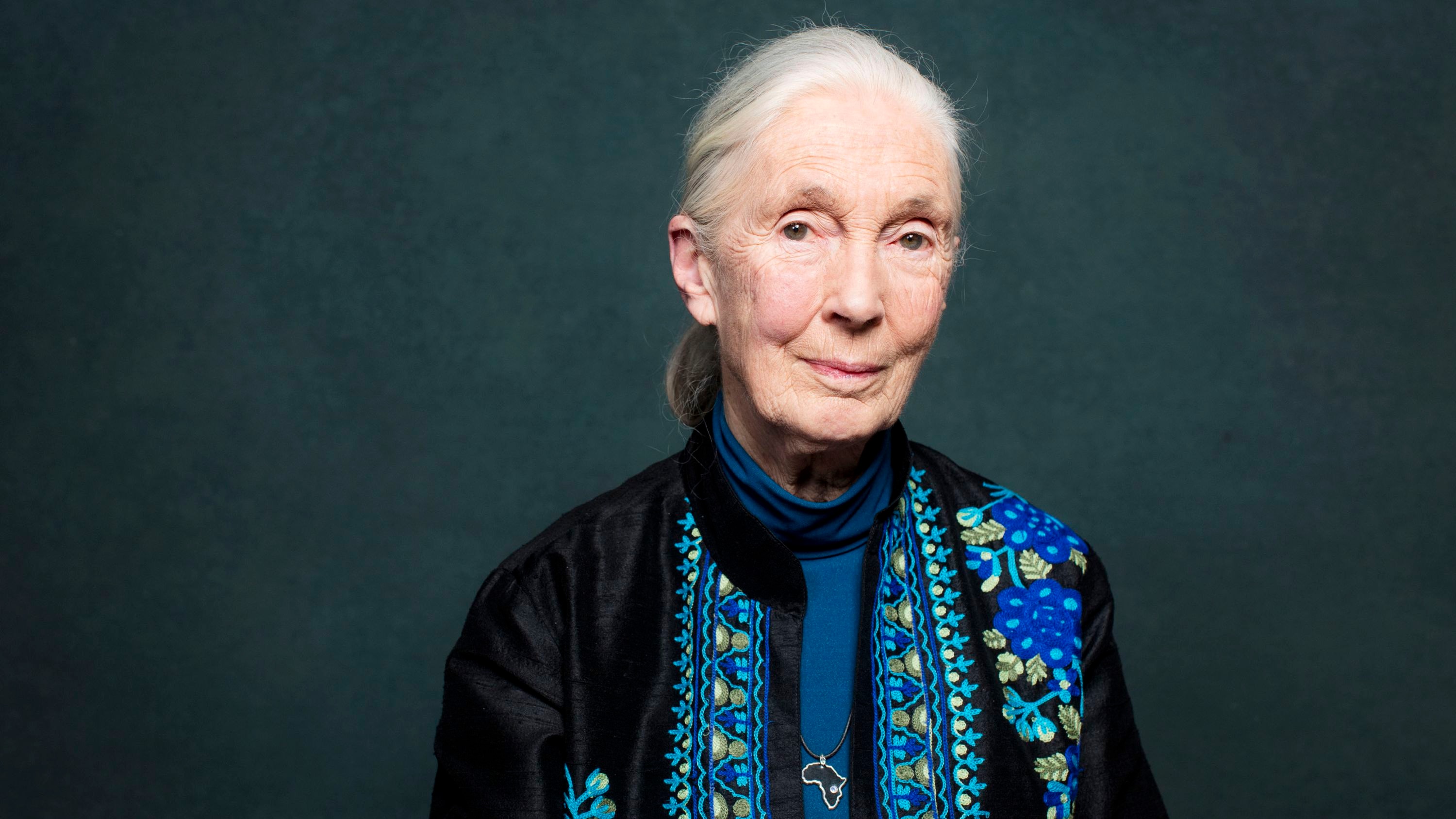
Maathai is portrayed in media as a fearless leader, a "mother of the nation," and a visionary who connected the dots between ecology, democracy, and women's rights. Her signature style included simple, practical clothing suitable for fieldwork, often accompanied by a hat. Her content, through speeches and writings, emphasized hope, resilience, and the power of individual action. She was frequently described as a "green warrior" due to her unyielding stance against environmental destruction and political oppression. Her presence commanded respect, blending intellectual rigor with a deep connection to the grassroots communities she served. She was named one of Time magazine's "Heroes for the Planet" in 2008 and included in the BBC's list of "100 Women Who Changed the World." Her image remains iconic, representing the intersection of environmental stewardship and social justice.
Fame & Fandom (iFAMOUS Rankings)
The legacy of Wangarĩ Maathai does not rely on a traditional fanbase with rituals, inside jokes, or commercial campaigns. Instead, her enduring influence is carried by activists, environmentalists, students, and global citizens who view her work as a living blueprint for justice rather than a celebrity narrative. Her story has evolved into a modern legend, sustained not by social media trends but through the ongoing operations of the Green Belt Movement and educational programs that keep her voice alive decades after her passing. Cultural tributes continue to emerge, including theatrical productions like Too Early For Birds that revisit her teenage years and fashion sense, proving her relevance across generations without requiring a formal fandom structure. This unique form of devotion focuses entirely on her political courage and environmental stewardship, transforming her biography into a shared historical resource rather than a product of worship.
Her standing in global history is precisely measured by the iFANN Global Fame Rankings, which track attention across media coverage, search activity, and consumption signals worldwide. Within this framework, she holds a specific and steady position among national icons. She is recognized as the 3rd most famous person from Kenya, a ranking that has held steady through recent cycles. This placement reflects the consistent global resonance of her life story and the enduring impact of her Nobel Peace Prize win. The data confirms that while she passed away in 2011, her fame has not faded but remains anchored firmly in the collective memory of the world. She is not featured on the September 2026 iFAMOUS Rankings flagship list, yet her historical significance ensures her place in the broader cultural consciousness.
Interesting Facts and Legends
One of the most retold stories of her life involves her confrontation with President Daniel arap Moi. When summoned to his office, she famously refused to remove her hat, a bold act of defiance symbolizing her resistance against authoritarianism and her commitment to the dignity of the poor women she represented. She was also known for her unique ability to mobilize rural women who had never before engaged in political activism. Her work often involved teaching these women how to read and write while planting trees, linking literacy with environmental stewardship. A play titled Too Early For Birds was set to return to theaters in September 2026, revisiting her teenage years and modern fashion sense, suggesting a renewed interest in her personal narrative among younger generations. Events honoring her legacy were also held during Women's History Month in March 2026, highlighting her enduring influence on female activists. Additionally, the "Wangari Maathai Forest Champions Award" continues to be given annually to women advocating for forest rights, with recent recipients like Cécile Ndjebet winning in 2022.
Notable Quotes
“It's the little things citizens do. That's what will make the difference. My little thing is inspiring people to take action.”
“When we plant trees, we plant the seeds of peace and seeds of hope.”
“We cannot separate the well-being of the planet from the well-being of its people.”
Family & Personal Life
Wangarĩ Maathai was married to Dr. Denis Maathai, a biochemist and professor at the University of Nairobi. They met during their time in the United States or shortly after her return to Kenya; sources indicate they were married in 1966. Their marriage lasted until her death in 2011. Together, they had three children: Wambui Maathai, who passed away in 1999, Ndata Maathai, and Wangari Maathai Jr. There are no public records of prior romantic relationships, engagements, or divorces before her marriage to Denis Maathai. The couple remained together throughout her political and environmental campaigns, with Denis often supporting her work despite the dangers they faced from the Moi regime. As of her passing in 2011, she was widowed by her husband, who survived her. Her family life was deeply intertwined with her activism, as her children often participated in the Green Belt Movement's activities alongside her.
Notable Connections
Denis Maathai, Wambui Maathai, Ndata Maathai, Wangari Maathai Jr., Mwai Kibaki, Daniel arap Moi, Ban Ki-moon
Relationships & Dating History
Wangarĩ Maathai was married to Dr. Denis Maathai, a biochemist and professor at the University of Nairobi. They met during their time in the United States or shortly after her return to Kenya; sources indicate they were married in 1966. Their marriage lasted until her death in 2011. Together, they had three children: Wambui Maathai, who passed away in 1999, Ndata Maathai, and Wangari Maathai Jr. There are no public records of prior romantic relationships, engagements, or divorces before her marriage to Denis Maathai. The couple remained together throughout her political and environmental campaigns, with Denis often supporting her work despite the dangers they faced from the Moi regime. As of her passing in 2011, she was widowed by her husband, who survived her.
- MarriedDenis Maathai1966 - 2011They met in the US or shortly after her return; he supported her activism until her death.
Death & Aftermath
Died
September 25, 2011 (aged 71)
Death Place
Nairobi, Kenya
Cause of Death
Complications from cervical cancer
Wangarĩ Maathai died on September 25, 2011, at the Nairobi Hospital in Kenya at the age of 71. She had been diagnosed with cervical cancer earlier that year and went public with her condition to raise awareness about women's health issues. The official medical ruling confirmed complications from the disease as the cause of death, ending a life dedicated to activism and service. Her passing sparked immediate global tributes from world leaders including UN Secretary-General Ban Ki-moon, US President Barack Obama, and former South African President Nelson Mandela. Kenya observed national mourning with flags flown at half-mast across the country.
Thousands gathered for her funeral service on September 29, 2011, at the United Church of Christ in Kabete, attended by dignitaries such as then-President Mwai Kibaki. She was laid to rest at her home in Karen, Nairobi. Posthumous honors have continued to honor her legacy, including the establishment of the Wangari Maathai Institute for Peace and Environmental Studies and the creation of the Wangari Maathai Foundation Scholarship to support young African women. Several works commemorating her life were produced, such as the documentary The Woman Who Planted Trees and the play Too Early For Birds, ensuring her contributions to environmental conservation and democracy remain central to ongoing advocacy efforts.
Net Worth (Estate Value)
$1 Million
iFANN Editorial Team estimate
As a public servant and activist, Wangarĩ Maathai did not accumulate wealth in the manner of commercial celebrities. Her net worth is estimated to have been modest, reflecting her dedication to public service rather than personal gain. Estimates suggest her assets were primarily limited to her home in Karen, Nairobi, and her academic salary. Posthumous earnings from book royalties, speaking fees (before her illness), and licensing deals for her legacy have benefited the Wangari Maathai Foundation. Specific dollar figures for her estate are not publicly itemized in financial reports, but her financial status is generally described as that of a middle-class academic and activist. While some speculative estimates mention figures around $1 million, these likely represent the value of her estate and posthumous legacy management rather than liquid cash accumulated during her lifetime. There are no credible sources suggesting a high net worth; any claims otherwise are likely confused with the value of the foundations she built.
Awards Won (7)
Wangarĩ Maathai received numerous accolades for her work, including the Nobel Peace Prize in 2004, the Right Livelihood Award in 1984, and the Goldman Environmental Prize in 1991. She was also honored with the Indira Gandhi Prize for Peace, Disarmament and Development in 2000, the UNESCO Lifetime Achievement Award in 2004, and the Kenya Order of the Grand Warrior in 2009. Her achievements were further recognized with honorary degrees from Harvard, Yale, Brown, and the University of Nairobi in 2006.
2004 · Peace
Contribution to sustainable development, democracy, and peace
1984 · Environment
Converting the Kenyan ecological debate into mass action for reforestation
Known For
The Woman Who Planted Trees
2010 · Subject
Unbowed
2006 · Author
The Green Belt Movement
1987 · Founder
Keywords
Sources
Quick Facts
- Born
- April 1, 1940
- Died
- September 25, 2011
- Gender
- Female
- Birth Sign
- Aries
Personal Details
- Full Name
- Wangari Muta Maathai
- Spouse
- Denis Maathai
- Children
- Wambui Maathai · Ndata Maathai · Wangari Maathai Jr.
- Education
- PhD in Veterinary Anatomy, University of Nairobi; MS in Biological Sciences, University of Pittsburgh; BS in Biology, Mount St. Scholastica College
Filmography
3
Total
1
Film
0
TV
Frequently Asked Questions
What was Wangari Maathai's full name?
How did Wangari Maathai die?
What was the Green Belt Movement?
Why did Wangari Maathai win the Nobel Peace Prize?
Did Wangari Maathai have children?
Similar People
Join the community
fans discussing