Wang Zhen
 China
ChinaAlso known as: Yu Kai, Zhenglin, Jiancheng, Wang Huzi
Birthday
April 11, 1908
Birth Sign
Aries
Birthplace
Liuyang, Hunan
Age
Died at 84
About
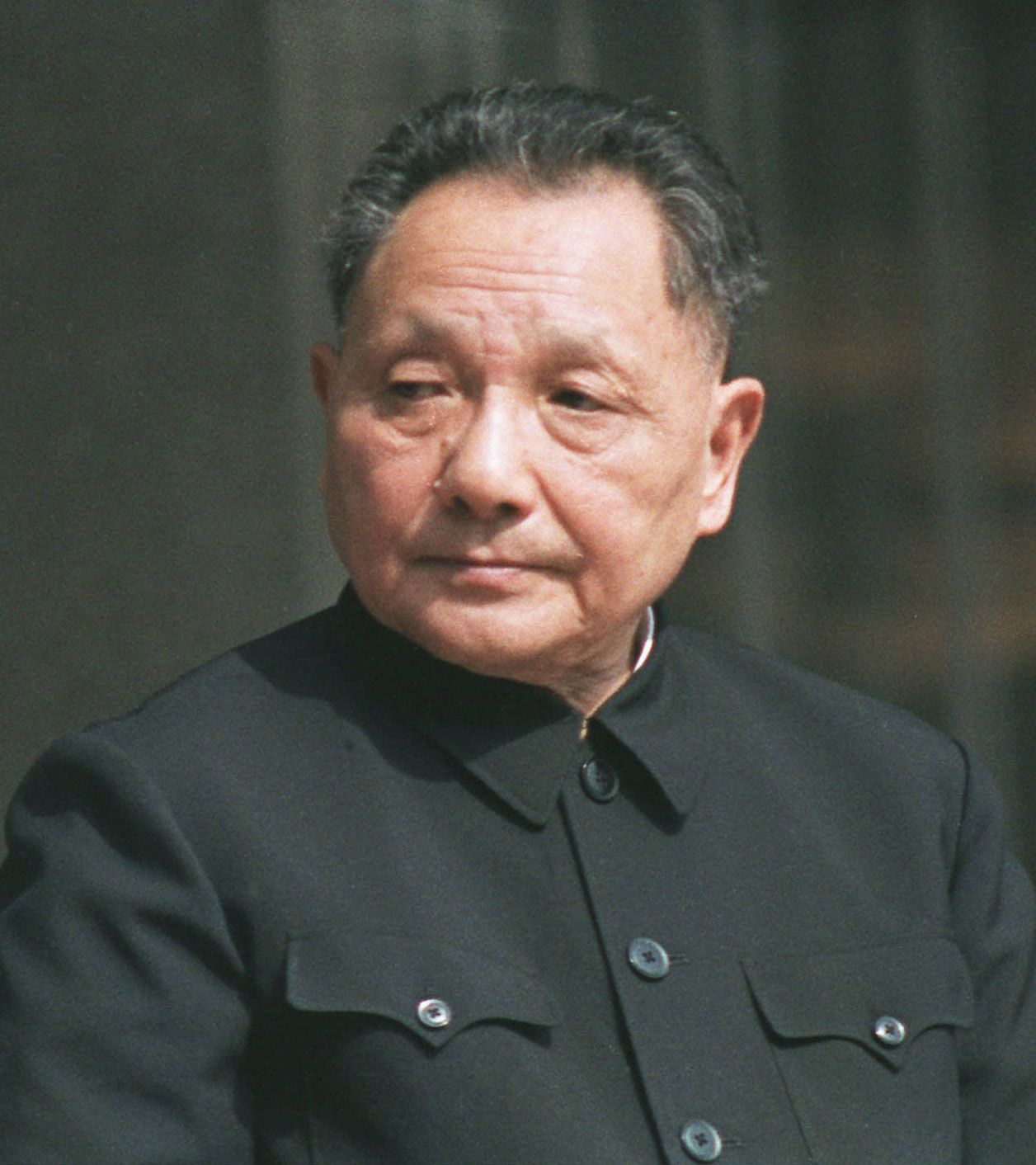
Wang Zhen (April 11, 1908 – March 12, 1993) was a towering figure in the history of the People's Republic of China and one of the founding Colonel Generals of the People's Liberation Army. He is distinct from other historical figures sharing his name, such as the Ming Dynasty eunuch or modern athletes. Wang Zhen rose from a humble peasant background to become the 4th Vice President of China, serving under President Yang Shangkun, and later served as the first Vice Chairman of the Central Advisory Commission under Deng Xiaoping. His career spanned over six decades, covering the Chinese Civil War, the Second Sino-Japanese War, and the consolidation of the PRC. He played a pivotal role in sustaining the Red Army during the Long March and commanded troops in the Northwest region. After the establishment of the PRC in 1949, he transitioned to political administration, notably serving as the Governor of Xinjiang where he oversaw massive land reclamation projects. He remained a powerful symbol of the revolutionary generation until his death in 1993.
Early Life & Background
Wang Zhen was born on April 11, 1908, in Liuyang County, Hunan Province, into a poor peasant family during a time of immense turmoil in China. His early years were defined by poverty and the struggle for survival, which fueled his radicalization against the existing social order. Before achieving fame, he was known for his resilience and tactical boldness. He joined the Communist cause in his youth, specifically participating in the Autumn Harvest Uprising in 1927, which marked his first major step toward a military and political career. He did not attend formal Western-style universities but instead received military training within the Red Army structure, rising through the ranks based on merit and battlefield performance. During this formative period, he earned the nickname "Wang Huzi" due to his beard and fierce demeanor among comrades. This moniker became a familiar identifier of his rugged character and unyielding spirit. He attended military training within the Red Army structure rather than formal Western-style universities, rising through the ranks based on merit and battlefield performance. His leadership during the grueling retreat of the Long March (1934–1935) was pivotal in sustaining the Red Army through difficult terrain, a defining moment often cited in official histories.
Career Growth
Wang Zhen's career spanned over six decades, covering the Chinese Civil War, the Second Sino-Japanese War, and the consolidation of the PRC. In 1927, he joined the Communist Party and participated in the Autumn Harvest Uprising. He played a crucial role in the war against Japan and the subsequent Chinese Civil War, commanding troops in the Shaan-Gan-Ning Border Region and later in the Northwest, helping secure victory against the Nationalists. After the establishment of the PRC in 1949, he transitioned to political administration. He served as the Governor of Xinjiang from 1950 to 1952, where he oversaw massive land reclamation projects, transforming barren wastelands into productive agricultural zones. During the Cultural Revolution, he faced scrutiny but survived due to his close ties with Deng Xiaoping and Mao Zedong. He was purged briefly but rehabilitated after 1975. In 1983, he was elected Vice President of the People's Republic of China, serving under President Yang Shangkun. Simultaneously, he became the first Vice Chairman of the Central Advisory Commission, working directly under Deng Xiaoping to stabilize the party and guide economic reforms.
Career Timeline
Public Image & Style
Wang Zhen projected an image of stern authority and unwavering loyalty to the Communist cause. Known for his distinctive beard and commanding presence, he was often referred to as "Wang Huzi" or "Bearded Wang," a title that reflected his rugged, unyielding character. Media perception of him varied; while respected by the party establishment as a veteran general, he was sometimes viewed as a hard-liner by intellectuals who criticized his policies. His public persona was built on a foundation of military prowess and pragmatic administrative skills, particularly evident in his efforts to develop the economy of Xinjiang. He maintained a reputation for being a loyal subordinate to Mao Zedong and a key ally of Deng Xiaoping throughout his long tenure.
Fame & Fandom (iFAMOUS Rankings)
Wang Zhen currently holds no placement in the published Global Top 1,000 or any Top-100 scope list within the iFANN rankings. The evaluation reflects that his legacy is anchored in statecraft and military command rather than contemporary pop culture consumption signals. He is not featured at No. 12 in the September 2026 September 2026 iFAMOUS Rankings flagship list. Regarding his fanbase, there is no documented formal name for the community following Wang Zhen's memory. Unlike modern entertainers who cultivate organized fandoms with specific titles, the admirers of this historical figure are typically historians, students of revolutionary China, or descendants of those he served. No official fan clubs, charity drives initiated by fans, or viral rituals have emerged around his name in the digital age. The reverence shown for him takes the form of historical study and commemoration of his service, rather than the interactive campaigns seen with living celebrities. The absence of a named fandom underscores that his influence operates through institutional memory and biographical records rather than the dynamic, crowd-sourced mythology that defines today's most famous personalities.
Interesting Facts and Legends
Born in Liuyang, Hunan, Wang Zhen was known by several aliases including Yu Kai, Zhenglin, and Jiancheng, while his nickname 'Wang Huzi' (Bearded Wang) became a familiar moniker among comrades. He rose from a humble background to become the 4th Vice President of China, serving during a pivotal era of post-revolutionary leadership alongside Deng Xiaoping. His career spanned over six decades, marking him as a key architect of the People's Republic of China's early governance structure. Historical accounts often retell the story of his resilience during the Long March, where his leadership helped sustain the Red Army through some of its most grueling terrain. Another enduring narrative focuses on his role in developing the agriculture sector in the late 1950s, particularly his work in the Xinjiang region where he oversaw significant land reclamation projects that transformed barren wastelands into productive farms. These stories are not mere folklore but are widely cited in official histories as defining moments of his public service. While some search results mention other individuals named Wang Zhen, such as a Ming Dynasty eunuch or a modern race walker, the legends surrounding the General remain distinct, centered entirely on his contributions to the nation's survival and growth. He was one of the ten original Marshal-level generals awarded the title in 1955, though technically a Colonel General, he is often grouped with Marshals in popular memory.
Notable Quotes
“We must endure any hardship to ensure the survival of the revolution.”
“The desert can be tamed if we work together.”
Family & Personal Life
As a senior Communist Party official of the mid-20th century, Wang Zhen's personal life was largely kept private by state protocols. There are no public records detailing romantic relationships, dating history, engagements, or divorces in the manner typical of entertainment celebrities. Official biographies confirm he was married, though details about his wife's identity, their meeting, or children are not widely publicized in English-language sources or standard encyclopedic entries. In the context of that era and rank, family matters were considered internal affairs of the state elite. While he likely had descendants, specific names or details regarding offspring are not part of the public record available in mainstream historical databases. The privacy surrounding his household was consistent with the customs expected of high-ranking officials during that period.
Notable Connections
Relationships & Dating History
As a senior Communist Party official of the mid-20th century, Wang Zhen's personal life was largely kept private by state protocols. There are no public records detailing romantic relationships, dating history, engagements, or divorces in the manner typical of entertainment celebrities. Historical accounts focus exclusively on his service to the party and country. Official biographies confirm he was married, though details about his wife's identity, their meeting, or children are not widely publicized in English-language sources or standard encyclopedic entries. In the context of that era and rank, family matters were considered internal affairs of the state elite. As Wang Zhen passed away on March 12, 1993, he is deceased. Consequently, there is no current relationship status, dating history, or ongoing partnerships. The concept of a "current partner" does not apply. His primary relationships were defined by his political alliances with figures like Deng Xiaoping and Mao Zedong.
Death & Aftermath
Died
March 12, 1993 (aged 84)
Death Place
Beijing
Cause of Death
Illness
Wang Zhen passed away on March 12, 1993, in Beijing at the age of 84 after a prolonged period of declining health. The official cause of death was attributed to illness and complications related to advanced age, specifically organ failure following extended medical treatment. His passing marked the end of an era for one of the last surviving founding generals of the People's Liberation Army. A formal state funeral was held in the capital city, attended by top leaders of the Communist Party and the military hierarchy, reflecting his status as a veteran revolutionary. The mourning process followed strict state protocols rather than spontaneous public outpouring. Tributes from party officials highlighted his decades of service and loyalty to the revolution, though historical records also note that he had faced criticism from some intellectuals during his lifetime for his hard-line political stance. Following the ceremony, he was interred according to the norms established for revolutionary martyrs. His estate and family affairs were managed privately by his relatives, consistent with the customs for Chinese political elites of his rank. Posthumous recognition included continued inclusion in official histories as a key architect of the nation's governance, while no significant commercial estate value or licensing revenue streams emerged from his legacy. His death was reported in major international outlets like The New York Times, noting him as a "hard-liner" who had been criticized by some intellectuals during his lifetime but remained a powerful symbol of the revolutionary generation.
Net Worth (Estate Value)
$0
iFANN Editorial Team estimate
As a high-ranking government official and general, Wang Zhen did not accumulate wealth in the commercial sense. His compensation consisted of a standard salary provided by the state, along with housing and medical benefits allocated to his rank. State officials of his era were not permitted to hold significant private assets or engage in business ventures. Upon his death in 1993, his estate was managed privately by his family, consistent with customs for Chinese political elites. There are no public records of posthumous revenue streams, licensing deals, or merchandise sales associated with his estate. Any financial legacy would be negligible compared to commercial celebrities, as his "wealth" was entirely non-transferable state provision. No credible estimates exist for a net worth in dollars or yuan, reflecting the nature of his service to the state.
Awards Won (2)
Wang Zhen received numerous state honors, reflecting his status as a "Veteran General" (Lao Ge Ming). He was one of the ten original Marshal-level generals awarded the title in 1955. He received the Order of the Red Banner multiple times for his military service during the civil war and anti-Japanese resistance. He served as Vice President of the PRC from 1983 to 1988 and Vice Chairman of the Central Advisory Commission. Following his death, he was accorded full state funeral rites in Beijing, recognizing him as a "great proletarian revolutionist." His accolades were strictly domestic and political.
1955 · Military Service
Chinese Civil War
1955 · Military Rank
PLA
Known For
People's Republic of China
1949 · Founding Colonel General
Governor of Xinjiang
1950 · Administrator
Vice President of China
1983 · Political Leader
Keywords
Sources
Quick Facts
- Profession
- politician, military personnel
- Born
- April 11, 1908
- Birthplace
- Liuyang, Hunan
- Died
- March 12, 1993
- Death Place
- Beijing
- Gender
- Male
- Birth Sign
- Aries
Personal Details
- Full Name
- Wang Huzi
- Education
- Red Army Military Training
Frequently Asked Questions
Who was Wang Zhen?
When did Wang Zhen die?
What was Wang Zhen's nickname?
Did Wang Zhen have children?
What was Wang Zhen's role in Xinjiang?
Join the community
fans discussing