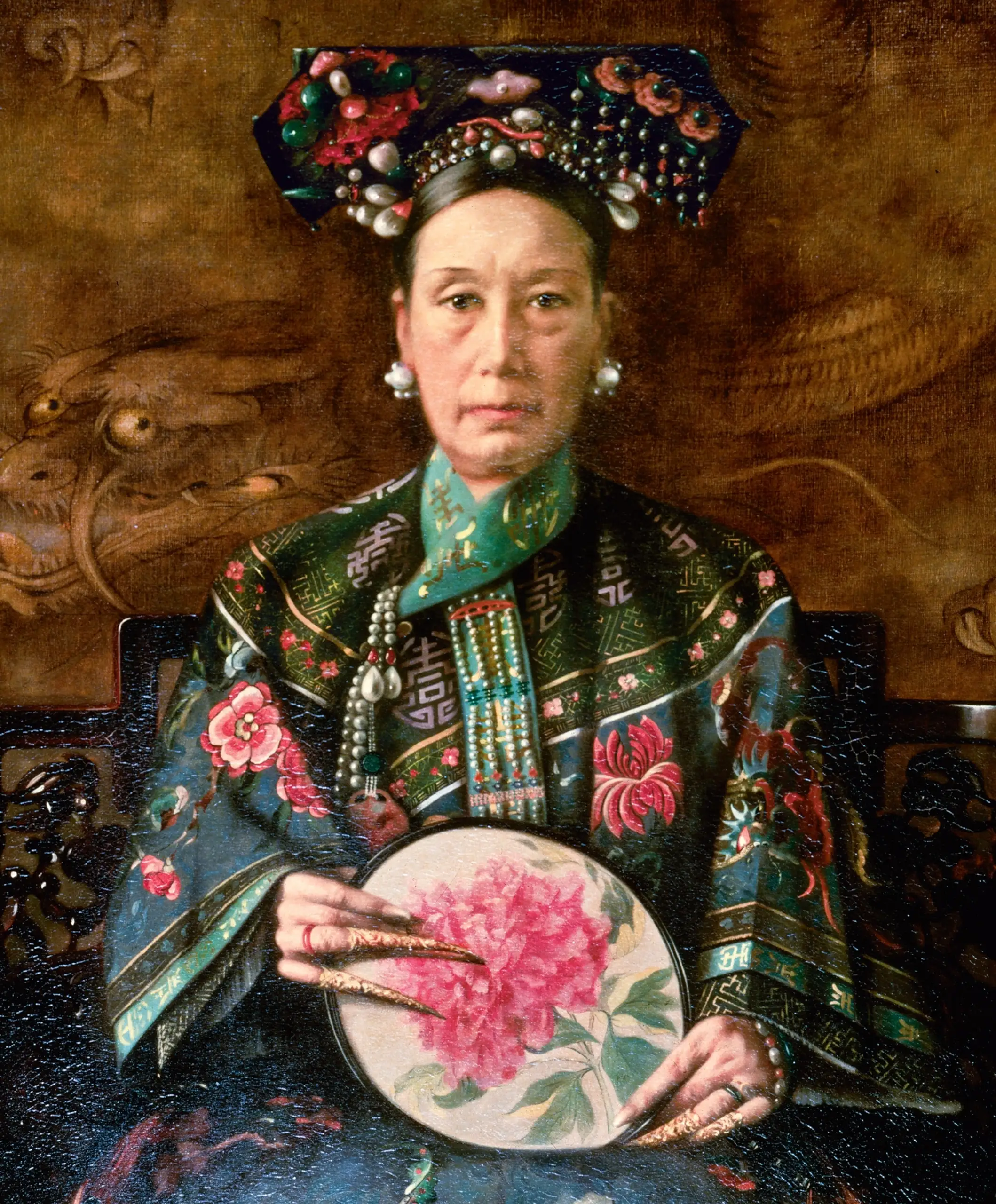
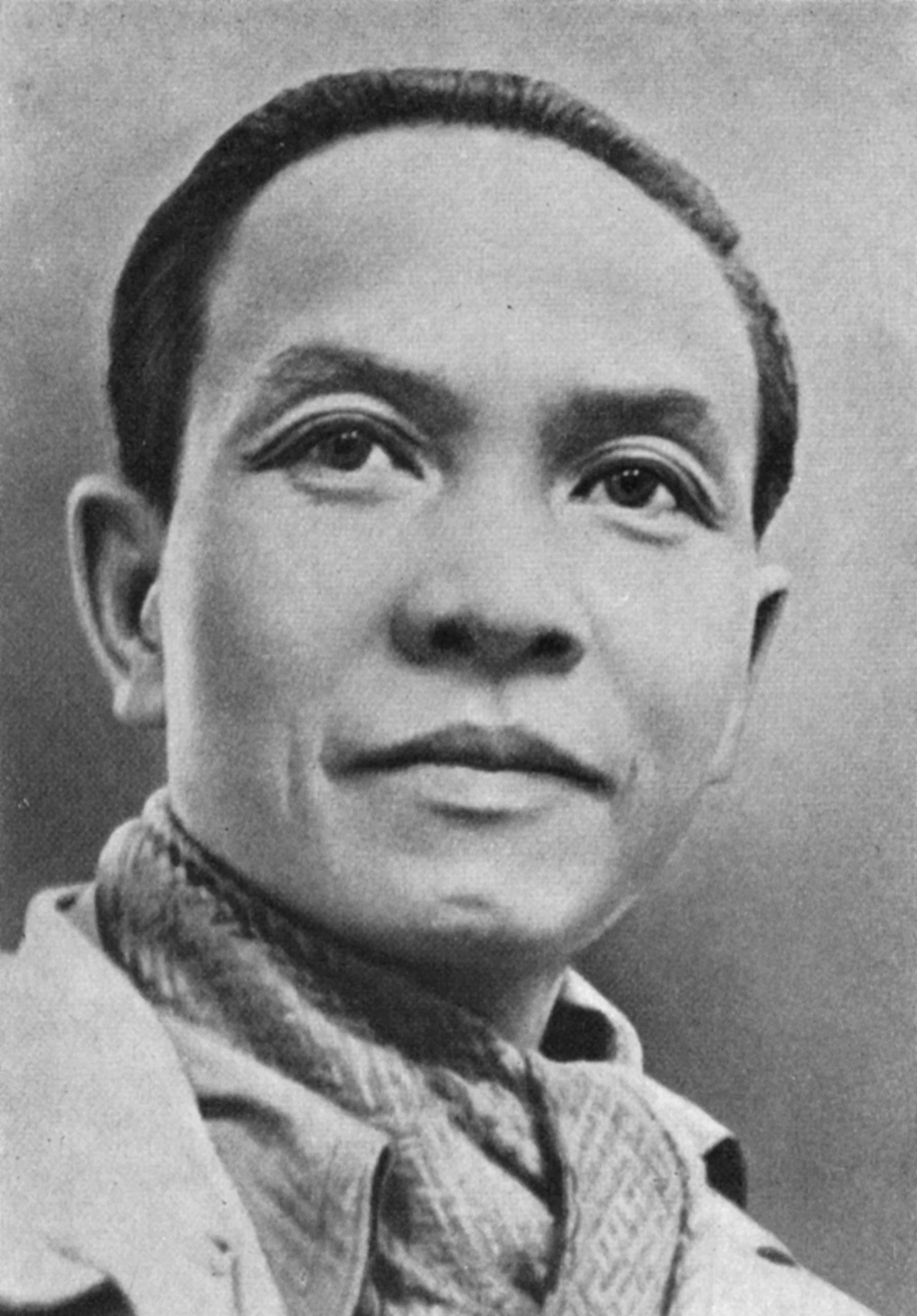
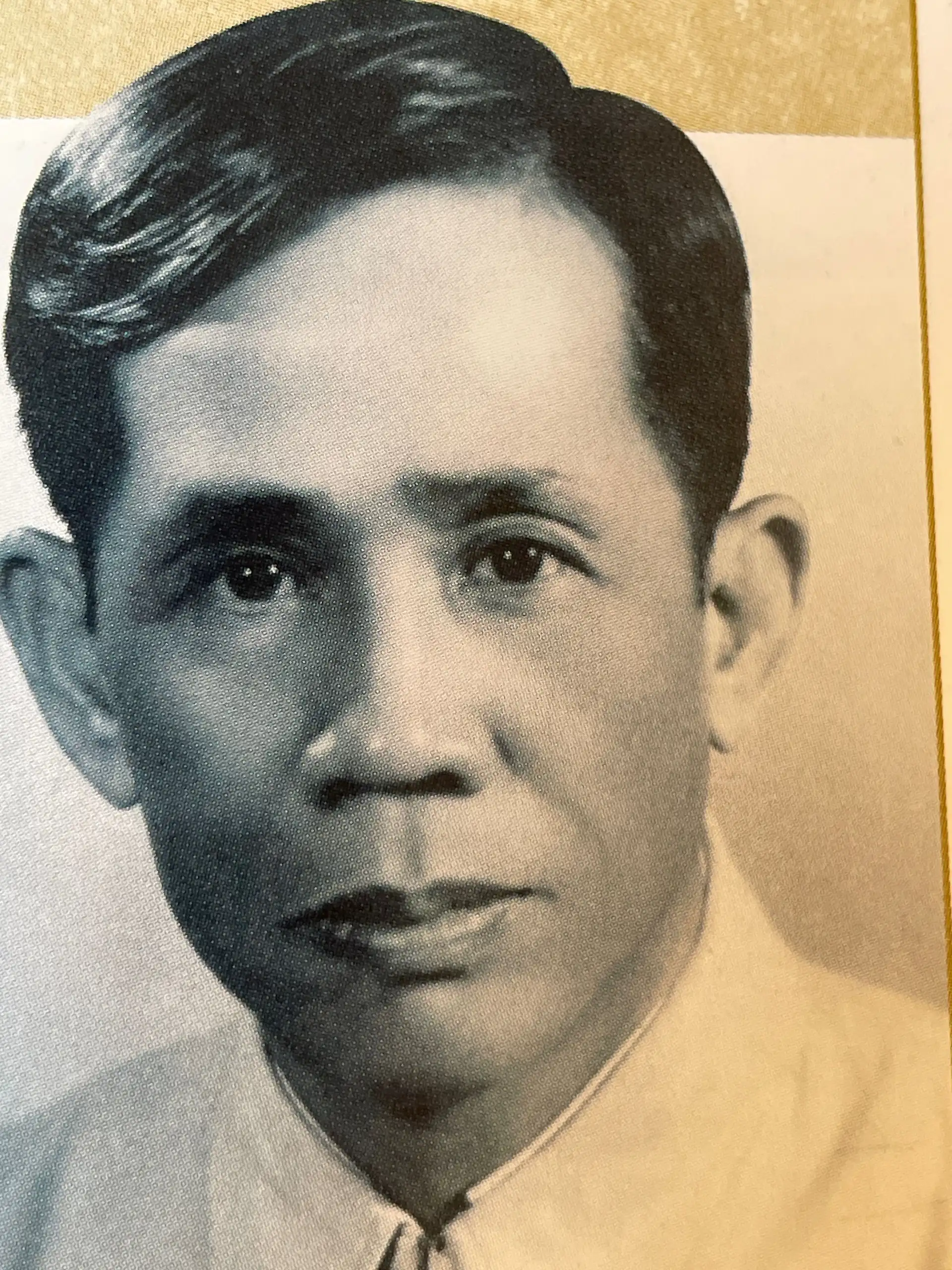
Vo Chi Cong
 Vietnam
Also known as: Võ Toàn, Năm Công
Birthday
August 7, 1912
Birth Sign
Leo
Birthplace
Quảng Nam province, French Indochina (now Vietnam)
Age
Died at 99
About
Võ Chí Công was a prominent Vietnamese communist revolutionary and statesman who served as the Chairman of the Council of State of Vietnam, effectively the President of the country, from 1987 to 1992. Born Võ Toàn on August 7, 1912, in Quảng Nam province, he dedicated his life to the struggle against colonialism and the governance of modern Vietnam. He passed away on September 8, 2011, at the age of 99, leaving behind a long career defined by political leadership and ideological commitment.
His tenure as president coincided with significant economic reforms known as Đổi Mới and a period of international repositioning for the nation. Unlike entertainers, his fame was rooted entirely in political activism and state service rather than commercial success or artistic performance. He is widely recognized for his longevity as one of the earliest fighters for Vietnam's independence, surviving nearly a century of conflict before his death.
Early Life & Background
Võ Chí Công was born Võ Toàn in Quảng Nam province during the era of the Nguyễn dynasty under French colonial rule. His childhood was marked by the pervasive influence of anti-colonial sentiment that swept across Vietnam in the early 20th century. In his youth, he adopted the revolutionary alias "Năm Công," which he used throughout his career to maintain security while engaging in resistance activities. Unlike figures in entertainment or commerce, his path was not defined by a single breakthrough moment but by a continuous trajectory of political activism.
He joined the resistance against French colonialism in the 1930s, operating underground and rapidly ascending through the ranks of the Communist Party. His early years were characterized by an unwavering commitment to communism and the fight for national sovereignty. This period of clandestine work laid the foundation for his future roles in high-level governance. There were no traditional auditions or discovery stories; his pivotal moment was the decision to dedicate his life to the revolutionary movement as a young man, setting him on a course that would eventually lead to the highest office in the land.
Career Growth
Võ Chí Công's career was a continuous trajectory of political service and leadership within the Communist Party of Vietnam. He served as the Standing Deputy Chairman of the National Front for the Liberation of South Vietnam from 1962 to 1976, a period instrumental in the unification efforts of North and South Vietnam. Following the war, he continued to hold various positions within the Politburo and the National Defence Council.
In June 1987, he was elected Chairman of the Council of State, succeeding Trường Chinh as the head of state. He held this highest office until September 22, 1992. His five-year tenure coincided with the implementation of Đổi Mới, a set of economic reforms that transformed Vietnam's economy and its relationship with the world. After resigning from the presidency in 1992, he remained a respected elder statesman until his death in 2011. His career milestones are chronological markers of Vietnam's transition from war to post-war reconstruction and reform.
Career Timeline
Public Image & Style
Võ Chí Công projected an image of steadfast ideological purity and administrative competence. He was viewed as a seasoned revolutionary leader who prioritized stability and continuity over flashiness. His public persona was defined by formal declarations related to party policy and revolutionary goals rather than personal charisma or media spectacle. Historians frequently cite his unwavering anti-French stance and his survival through nearly a century of conflict as defining characteristics of his leadership style.
Unlike pop stars, he did not generate viral folklore or crowd-driven mythology. His iconic moments were political: his election as President during a critical period of economic reform and his role in the National Front. These events are well-documented in historical texts but lack the performative spectacle of entertainment legends. His reputation rests on his contribution to the nation's independence and his role in guiding Vietnam through a period of significant economic transformation.
Fame & Fandom (iFAMOUS Rankings)
Võ Chí Công maintained a steady presence in the historical record, commanding attention that extended beyond Vietnam's borders through decades of political influence and state commemoration. His standing in global metrics remains consistent, placing him as the 85th most famous person in Vietnam and the 61st most famous person from Vietnam, figures that have held steady across recent evaluation cycles within the iFANN Global Fame Rankings. These placements reflect a sustained recognition of his role as a high-ranking revolutionary leader and former head of state rather than fluctuating celebrity status. The data tracks his enduring visibility across media coverage and institutional memory worldwide, ensuring his name persists in contemporary discourse regarding Vietnamese history.
Regarding his audience, there is no documented formal fandom or organized fanbase associated with Võ Chí Công. Unlike entertainers who cultivate dedicated followings for performances or commercial products, his supporters are the general public, party members, and state institutions honoring him as a national hero. No specific rituals, streaming campaigns, or social media movements exist under an official banner, as his legacy is defined by political service and historical reverence rather than popular culture engagement. He was featured at No. 84 in the September 2026 iFAMOUS Rankings.
Interesting Facts and Legends
Võ Chí Công was born Võ Toàn and adopted the alias Năm Công during his early revolutionary activities against French colonialism. He survived nearly a century of Vietnamese history, witnessing the decline of the Nguyen Dynasty, French colonization, Japanese occupation, the First Indochina War, the Vietnam War, and the reunification of the country. Despite his high profile, he was known for a low-key administrative style compared to some of his more charismatic contemporaries.
A story often retold by historians focuses on his unwavering anti-French stance and his longevity as one of the earliest fighters for independence. In Hanoi, a major arterial road in the Tay Ho district bears his name; this 4.25 km thoroughfare serves as a permanent geographical tribute, though recent reports regarding the street focus on urban planning challenges like traffic congestion and flooding rather than legendary events involving the man himself. His career remained strictly administrative and political, devoid of the performative elements that typically generate viral folklore or crowd-driven mythology.
Notable Quotes
“A brave dedicated revolutionary devoted to the Party and nation.”
Family & Personal Life
As a high-ranking state official in a one-party socialist state, Võ Chí Công maintained a private personal life. Public records do not document specific romantic relationships, dating history, marriages, or children. Unlike celebrities, politicians of his stature in that era and region often kept their family lives out of the public eye to maintain security and focus on state duties. Consequently, there is no verified information regarding partners, engagements, divorces, or offspring. As of his death in 2011, his marital status and family details remain unpublicized in available historical records.
Notable Connections
Trường Chinh, Le Duan, Nguyễn Văn Linh.
Relationships & Dating History
Public records do not document specific romantic relationships, dating history, marriages, or children for Võ Chí Công. As a high-ranking state official in a one-party socialist state, he maintained a private personal life to maintain security and focus on state duties. Unlike celebrities, politicians of his stature in that era and region often kept their family lives out of the public eye. Consequently, there is no verified information regarding partners, engagements, divorces, or offspring. As of his death in 2011, his marital status and family details remain unpublicized in available historical records.
Death & Aftermath
Died
September 8, 2011 (aged 99)
Death Place
Military Hospital 175, Ho Chi Minh City, Vietnam
Cause of Death
Old age and natural causes
Võ Chí Công passed away on September 8, 2011, at Military Hospital 175 in Ho Chi Minh City following treatment for chronic illnesses associated with advanced age. The Communist Party of Vietnam officially attributed his death to old age and natural causes, marking the end of a life that spanned nearly a century of the nation's turbulent history. State authorities immediately initiated standard protocols for senior revolutionary leaders, resulting in a solemn state funeral held on September 12, 2011. The ceremony was attended by top government officials and dignitaries, reflecting his status as a premier national figure and former head of state.
Following the funeral, his remains were interred at Ba Vì National Cemetery, a designated resting place for heroes of the revolution. Public tributes focused on his unwavering dedication to the party and the struggle for independence rather than mass public vigils or commercial surges. His legacy was cemented through official histories and educational materials that preserved his role as a founding father of the Socialist Republic of Vietnam. Posthumous honors included continued recognition within the pantheon of Vietnamese revolutionary leaders, ensuring his name remained a central part of the country's historical narrative. A major arterial road in Hanoi's Tây Hồ district bears his name, serving as a permanent geographical tribute to his service.
Net Worth (Estate Value)
$0
iFANN Editorial Team estimate
As a politician, Võ Chí Công did not accumulate wealth through commercial ventures, endorsements, or salary-based celebrity earnings. His compensation would have been consistent with the standard salary scale for high-ranking government officials in Vietnam. Therefore, there is no publicly available net worth estimate, real estate holdings, or investment portfolio to report. Upon his death, his estate was managed according to state protocols for retired leaders, with no reported posthumous commercial revenue streams such as merchandise or licensing deals. The value of his estate is not a subject of public financial reporting, and iFANN currently estimates his net worth at approximately $0 based on the absence of personal assets.
Awards Won (3)
Võ Chí Công received numerous state honours commensurate with his rank as a former head of state and long-serving revolutionary leader. He was awarded the Ho Chi Minh Order, the highest decoration in Vietnam, for his outstanding contributions to the revolution. He also received the Victory Medal for his role in the victory over French and American forces, as well as the Resistance Against France Medal. Following his death, he was accorded a state funeral, a rare honour reserved for the most senior leaders.
N/A · State Honour
Outstanding contributions to the revolution
N/A · Military Award
Role in victory over French and American forces
Known For
Chairman of the Council of State
1987 · President of Vietnam
National Front for the Liberation of South Vietnam
1962 · Standing Deputy Chairman
Keywords
Sources
Quick Facts
- Profession
- politician
- Born
- August 7, 1912
- Birthplace
- Quảng Nam
- Died
- September 8, 2011
- Death Place
- Ho Chi Minh City
- Gender
- Male
- Birth Sign
- Leo
Personal Details
- Full Name
- Võ Toàn
- Children
Frequently Asked Questions
Who was Võ Chí Công?
When did Võ Chí Công die?
What was Võ Chí Công's birth name?
Where was Võ Chí Công born?
Did Võ Chí Công have any children?
Join the community
fans discussing