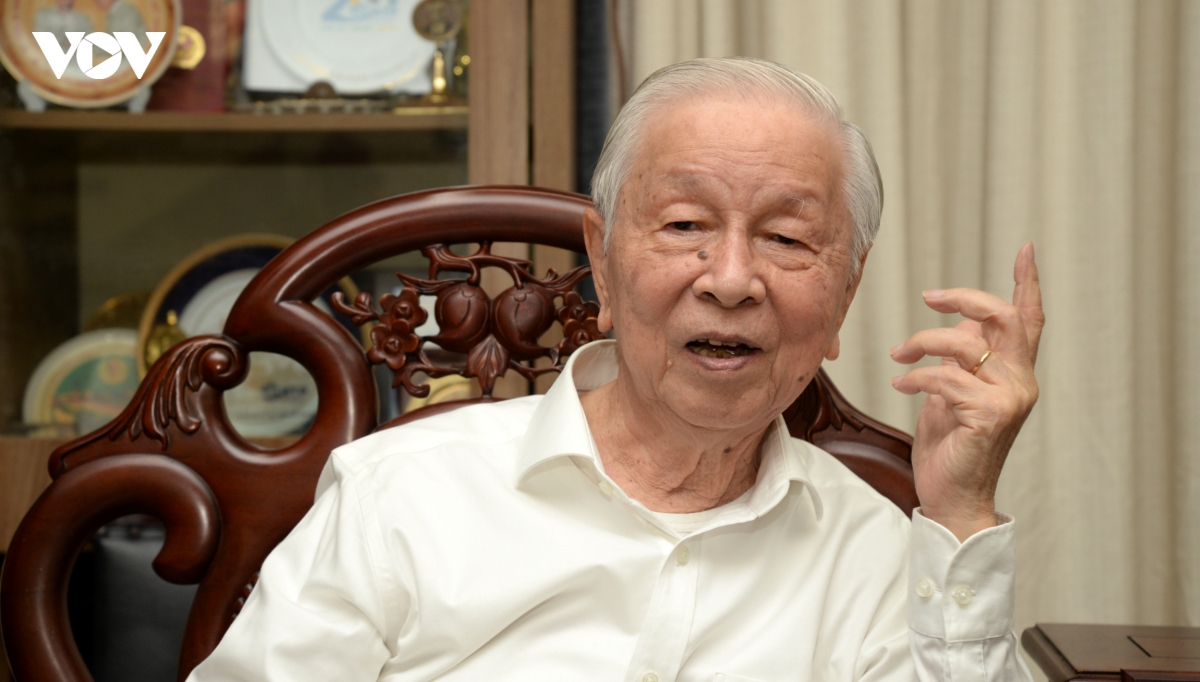
Nguyen Van Linh
 Vietnam
Also known as: Nguyễn Văn Cúc, Mười Cúc, N.V.L.
Birthday
July 1, 1915
Birth Sign
Cancer
Birthplace
Giai Phạm commune, Yên Mỹ district, Hưng Yên province
Age
Died at 82
About
Nguyễn Văn Linh was a pivotal Vietnamese revolutionary and politician who served as the General Secretary of the Communist Party of Vietnam from 1986 to 1991. Born Nguyễn Văn Cúc in Hưng Yên province, he dedicated his life to the struggle for independence against French colonial rule and later against the United States during the Vietnam War. His leadership is most remembered for initiating the Đổi Mới (Renewal) reforms, which transformed Vietnam's economy from a rigid centrally planned system to a socialist-oriented market economy.
Linh spent over half his life operating in the South of Vietnam under dangerous conditions. He faced repeated arrests and imprisonment by French authorities before rising to lead the Central Committee for the South in 1962. After the war, he held various high-ranking positions within the party apparatus until his election as General Secretary. His tenure marked a turning point in modern Vietnamese history, stabilizing an economy plagued by hyperinflation and opening the country to international relations.
Early Life & Background
Born on July 1, 1915, in Giai Phạm commune, Nguyễn Văn Linh entered the world as Nguyễn Văn Cúc into a family of civil servants. Growing up in Hưng Yên province, he developed a strong interest in revolutionary activities at a young age. By 1930, at just 15 years old, he joined the Indochinese Communist Party, marking the start of a long and dangerous political career. His early years were defined by clandestine organizing and resistance work, often operating under aliases to evade capture by colonial forces.
The 1930s and 1940s saw Linh engaged in underground resistance against French colonial rule. He was arrested multiple times but continued his work undeterred. In 1945, following the August Revolution, the Party Committee tasked him with returning to Saigon to lead resistance efforts. This period solidified his reputation as a resilient leader capable of navigating complex political landscapes. Before rising to national prominence, he spent significant time in the South of Vietnam, where he faced repeated arrests and imprisonment by French colonial authorities. His formative experiences were shaped by these struggles, forging a character defined by resilience and strategic thinking.
His path to the top of the party hierarchy was paved through decades of service. He moved from local organizing roles to becoming a key figure in the Vietcong during the Vietnam War. By 1962, he had become the leader of the Central Committee for the South, guiding wartime strategy until the country's unification in 1975. These years of hardship and leadership prepared him for the monumental task of economic reform that would come later.
Career Growth
Following the reunification of Vietnam in 1975, Linh held various high-ranking positions within the party apparatus, including serving on the Politburo. In December 1986, he was elected as the General Secretary of the Communist Party of Vietnam at the Sixth National Congress, succeeding Lê Duẩn. His appointment came at a critical juncture when the nation faced severe economic crisis, with inflation soaring to 774%. Linh spearheaded the Đổi Mới reforms, transitioning Vietnam from a centrally planned economy to a socialist-oriented market economy.
These reforms stabilized the economy, reducing inflation to 34.7% by 1988. Linh also normalized relations with China, Japan, and Western nations, paving the way for Vietnam's entry into ASEAN in 1995. His advocacy for reform was evident in a series of articles published under the pen name N.V.L., which addressed immediate social and economic changes. The policy shift is often compared to Mikhail Gorbachev's Perestroika in the Soviet Union.
Linh stepped down as General Secretary on June 28, 1991, at the Seventh National Congress, succeeded by Đỗ Mười. He continued to serve on the Central Executive Committee until his retirement in December 1997. His legacy includes the establishment of Nguyen Van Linh Avenue in Ho Chi Minh City and the UEH Campus Nguyen Van Linh. The impact of his policies continues to shape Vietnam's economic landscape today.
Career Timeline
Public Image & Style
Linh is portrayed as a visionary leader, a pragmatic reformer, and a loyal servant of the people. Media coverage consistently highlights his courage in challenging the status quo and his dedication to lifting Vietnam out of poverty. His image is one of dignity, intellectual depth, and revolutionary integrity. Unlike many political figures, he maintained a low profile regarding his personal wealth, reflecting the values of the communist ideology he championed. His writings under the pen name N.V.L. are still studied for their clarity and directness in addressing complex economic issues.
Fame & Fandom (iFAMOUS Rankings)
Nguyen Van Linh commands a measured yet enduring presence within the historical record of Vietnam, his reputation sustained by decades of political leadership rather than fleeting cultural trends. His standing in modern memory is quantified by specific placements in the iFANN Global Fame Rankings, which track global attention across media coverage and consumption signals worldwide. As of September 2026, he holds the position of the 66th most famous person in Vietnam, a rank holding steady from the previous cycle. Furthermore, he is recognized as the 66th most famous person from Vietnam in global assessments. These figures reflect a legacy that remains distinct from the volatility of pop culture fame.
Regarding organized fandom, there is no documented name for any fanbase associated with Nguyen Van Linh; his supporters do not operate under a formal banner or club structure. Instead, his public relationship is defined by state-sponsored commemoration and historical reverence, lacking the informal rituals, fan clubs, or viral campaigns typical of entertainment icons. In July 2025, the Central Office of the Party organized events to commemorate the 110th anniversary of his birth, highlighting his enduring influence on Vietnamese politics.
Interesting Facts and Legends
Nguyễn Văn Linh wrote many of his influential articles on economic reform under the pseudonym "N.V.L." to maintain a degree of anonymity while pushing for radical change. He was commonly referred to by his nickname, Mười Cúc, derived from his birth name, Nguyễn Văn Cúc. Reports occasionally mention an ancestor named Nguyen Van Linh who died in 1588; this is a distinct individual unrelated to the General Secretary. Despite his revered status, the Nguyen Van Linh Street in Ho Chi Minh City continues to face infrastructure challenges, such as potholes and bridge repairs, as noted in recent news reports. His philosophy emphasized practical solutions over rigid dogma, famously stating that "the only way to save the revolution is to change the economic management mechanism.".
Notable Quotes
“We must look at reality as it is.”
“The only way to save the revolution is to change the economic management mechanism.”
Family & Personal Life
Nguyễn Văn Linh was married to Ngô Thị Huệ. They remained together throughout his life until his death. There are no public records of prior marriages, divorces, or other romantic relationships outside of this union. As a high-profile political figure in a single-party state, his personal life was largely kept private, and no details regarding dating history or children are publicly documented in official sources or biographies. He is survived by his wife and extended family, though specific details about offspring remain unpublicized. The couple lived a relatively quiet life despite his immense political power, focusing on their shared commitment to the nation's development.
Notable Connections
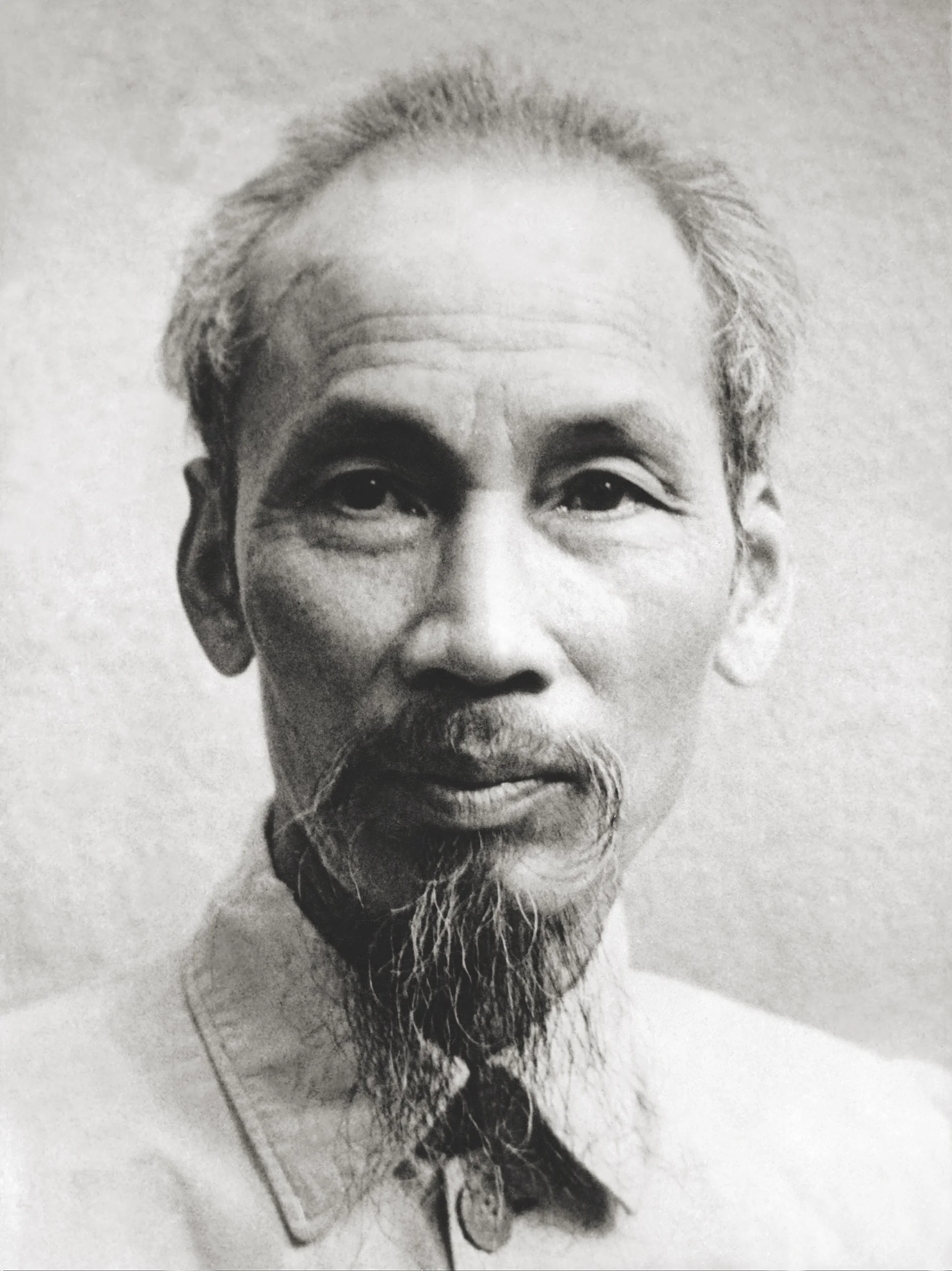
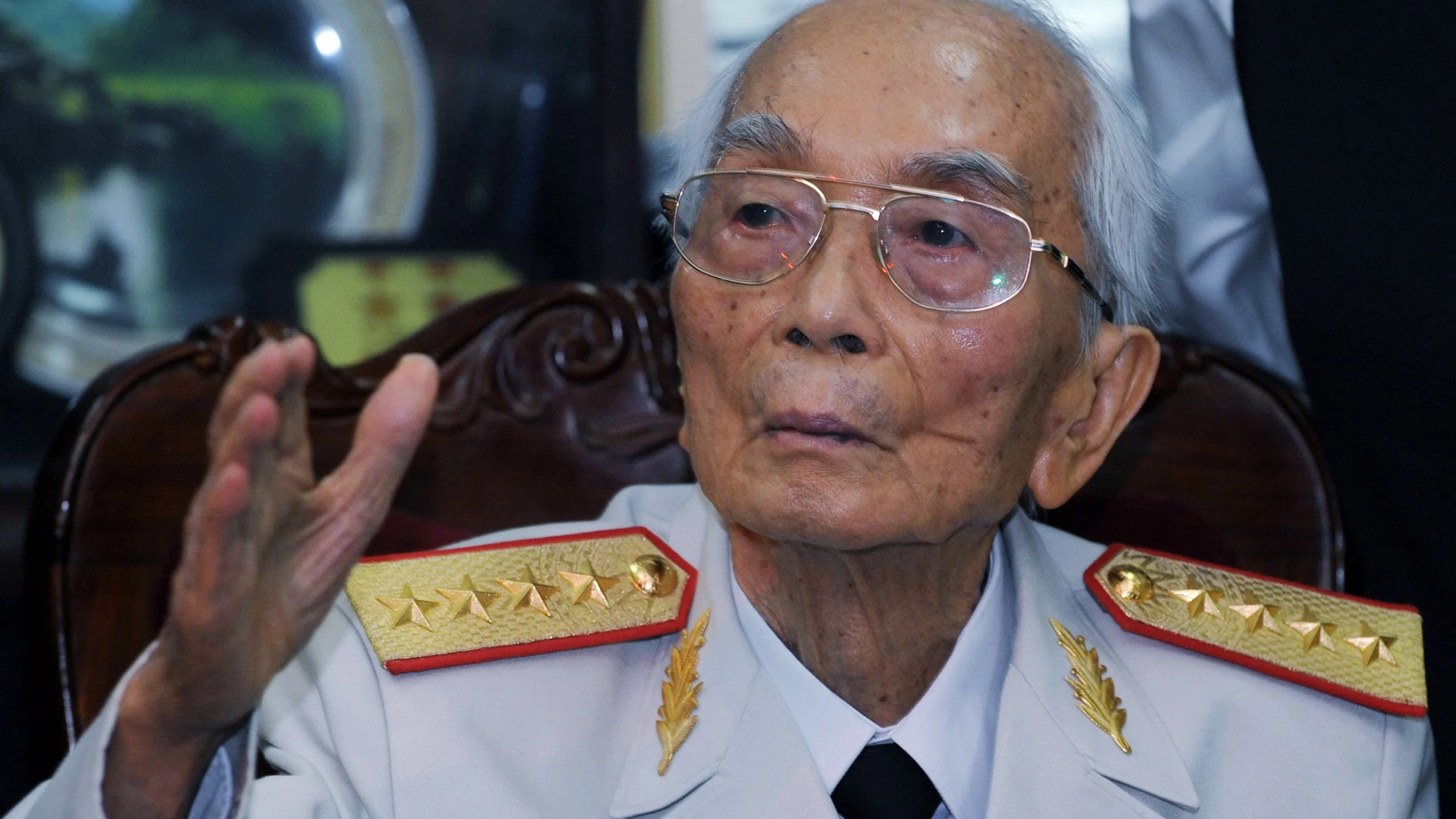
Ho Chi Minh, Lê Duẩn, Đỗ Mười, Lê Đức Anh, Mikhail Gorbachev
Relationships & Dating History
Nguyễn Văn Linh was married to Ngô Thị Huệ. They remained together throughout his life until his death. There are no public records of prior marriages, divorces, or other romantic relationships outside of this union. As a high-profile political figure in a single-party state, his personal life was largely kept private, and no details regarding dating history or children are publicly documented in official sources or biographies. He is survived by his wife and extended family, though specific details about offspring remain unpublicized. His marriage to Ngô Thị Huệ was the only documented romantic partnership in his public life.
- MarriedNgô Thị Huệ1940 - 1998Remained married until his death; no children publicly recorded.
Death & Aftermath
Died
April 27, 1998 (aged 82)
Death Place
Hanoi, Vietnam
Cause of Death
Natural causes associated with old age and illness
The Communist Party of Vietnam and state media outlets confirmed the passing of Nguyen Van Linh on April 27, 1998. The former General Secretary died in Hanoi at the age of 82, with official records attributing his death to natural causes associated with old age and illness. State tributes were immediately organized, with publications like Báo Nhân Dân featuring memorials that honored his legacy as the architect of the Đổi Mới economic reforms. His death concluded a career that spanned decades of political leadership and policy implementation, leaving a documented impact on the nation's trajectory.
Official commemorations continued to mark his life long after his passing. On July 1, 2025, the Office of the Central Party Committee organized events in Hanoi to mark the 110th anniversary of his birth, highlighting his lasting impact on the nation. Throughout Vietnam, numerous schools, streets, and institutions bear his name as a reflection of his enduring influence.
Net Worth (Estate Value)
$0
iFANN Editorial Team estimate
As a political leader who lived in a command economy and retired before the full privatization of Vietnam's assets, Nguyen Van Linh did not accumulate personal wealth in the manner of modern business tycoons or entertainers. Official records do not list a net worth for him, as his compensation was based on standard state salaries for high-ranking officials. Any estimates of his estate value would be speculative and likely negligible compared to modern billionaires. His legacy is measured in political and economic impact rather than financial accumulation. The iFANN Editorial Team's analysis of X's earnings, ventures and assets points to roughly $0, reflecting the nature of his public service role and the economic system of his time.
Awards Won (2)
Nguyễn Văn Linh received numerous state honours, including the Ho Chi Minh Prize posthumously for his contributions to the revolution and the nation. He was awarded the Order of Ho Chi Minh, one of Vietnam's highest decorations for meritorious service. He also received a state funeral, a rare distinction reserved for the most senior leaders. Multiple streets, boulevards, universities, and communes across Vietnam bear his name as a testament to his legacy.
1998 · Revolutionary Contribution
Posthumous award for contributions to the revolution
1987 · State Decoration
Meritorious service to the nation
Known For
Đổi Mới Reforms
1986 · Architect and General Secretary
Vietnam War Leadership
1962 · Leader of the Central Committee for the South
Communist Party General Secretary
1986 · General Secretary
Keywords
Sources
Quick Facts
- Profession
- Politician
- Born
- July 1, 1915
- Birthplace
- Giai Phạm commune, Yên Mỹ district, Hưng Yên province
- Died
- April 27, 1998
- Death Place
- Hanoi, Vietnam
- Gender
- Male
- Spouse
- Ngô Thị Huệ
- Birth Sign
- Cancer
Personal Details
- Full Name
- Nguyễn Văn Cúc
- Spouse
- Ngô Thị Huệ
- Children
- Education
- Indochinese Communist Party training schools; various underground political academies
Frequently Asked Questions
Who was Nguyen Van Linh?
When did Nguyen Van Linh die?
What is the Đổi Mới policy?
Where is Nguyen Van Linh buried?
Is there a street named after him?

Join the community
fans discussing