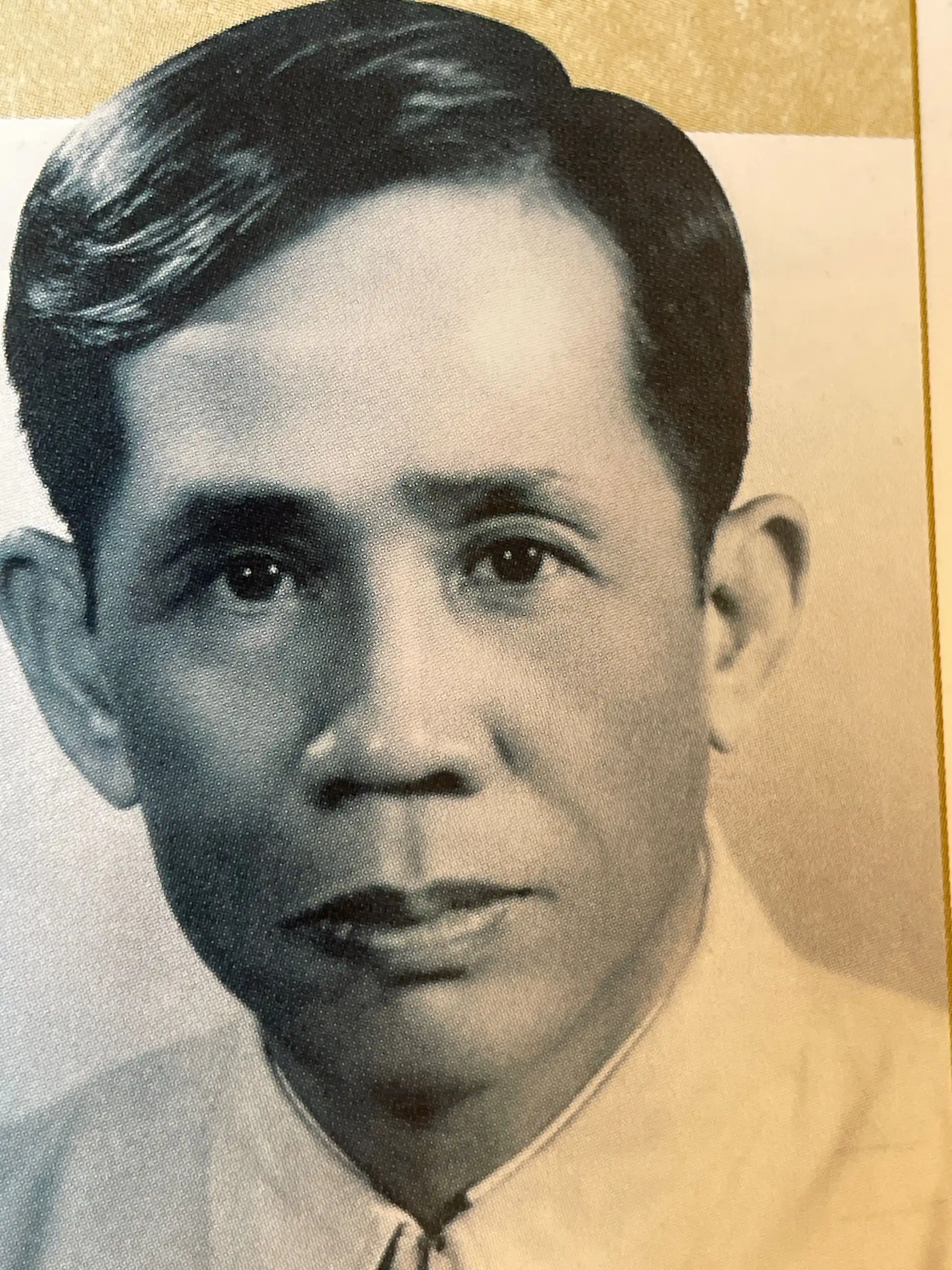
Le Duan
 Vietnam
Also known as: Lê Văn Nhuận, Le Duan
Birthday
April 7, 1907
Birth Sign
Aries
Birthplace
Quảng Trị Province, Vietnam
Age
Died at 79
About
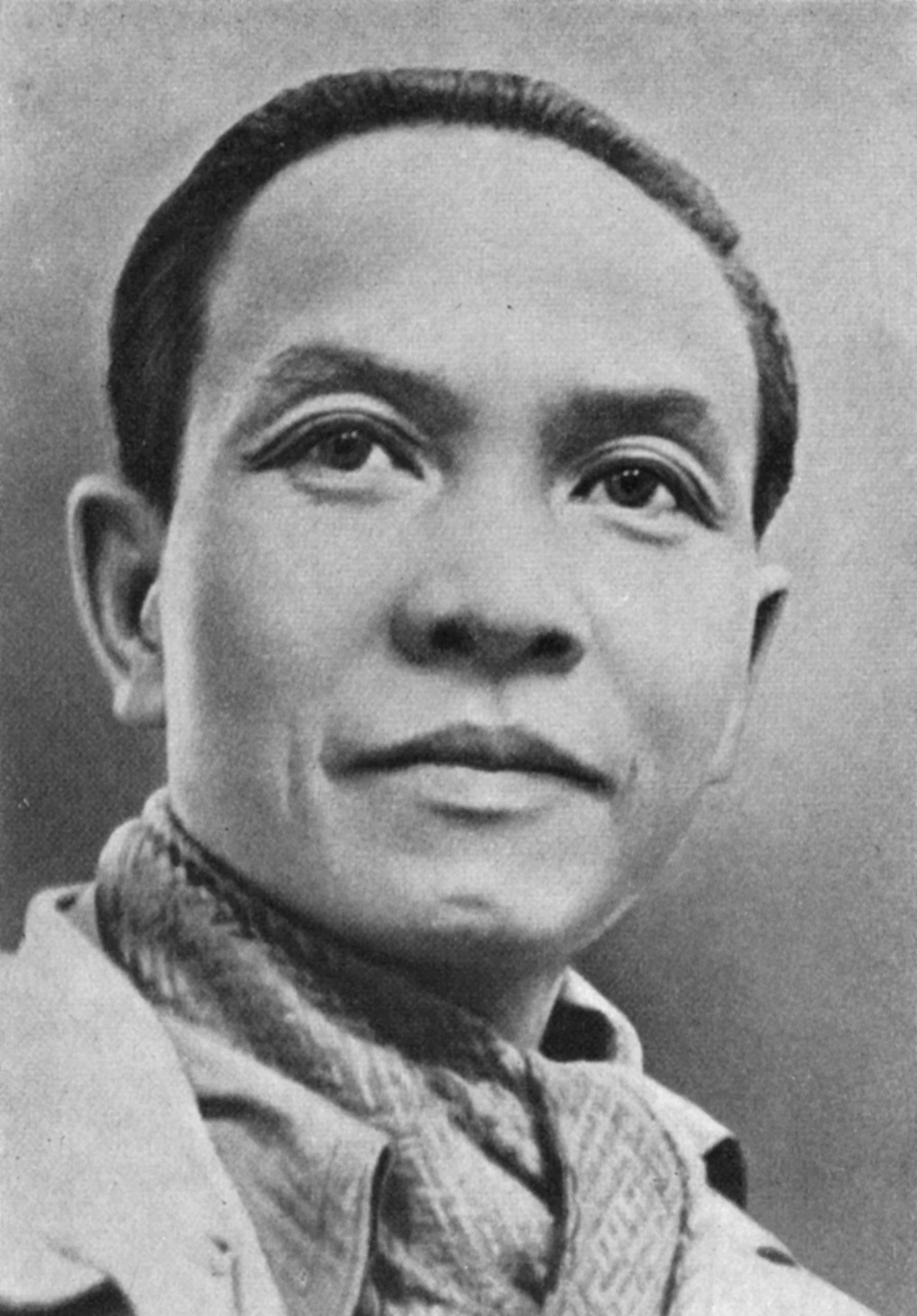
Born Lê Văn Nhuận in Quảng Trị Province on April 7, 1907, Lê Duẩn became a central figure in Vietnamese communist politics for decades. His early life saw him working as a railway clerk, a position that exposed him to revolutionary ideas in the 1920s. He was a founding member of the Indochina Communist Party in 1930 and experienced imprisonment multiple times for his political activities, including a stint from 1931 to 1937 and another following an uprising in the South in 1939. His release came after the successful August Revolution in 1945, marking a turning point in his involvement with the party.
Early Life & Background
Lê Duẩn entered the world as Lê Văn Nhuận in the rural province of Quảng Trị during the height of French colonial rule in Indochina. Born into modest circumstances, he did not come from a wealthy or politically prominent family. Before dedicating his life to revolution, he worked as a railway clerk, a job that placed him among the working class and provided his first direct exposure to labor movements and the harsh realities of colonial exploitation. This period in the 1920s was formative, as it allowed him to connect with fellow workers who were beginning to organize against the French administration.
His political awakening led him to join the growing communist movement. In 1930, he became a founding member of the Indochina Communist Party, a bold step that marked his transition from a worker to a revolutionary leader. This commitment came at a steep personal cost. Authorities quickly identified him as a threat, leading to his arrest and a significant six-year imprisonment from 1931 to 1937. During these years, he endured harsh conditions but maintained his ideological resolve. Another imprisonment followed an uprising in the South in 1939. His freedom returned only after the success of the August Revolution in 1945, which overthrew the Japanese occupation and ended French control temporarily. This liberation paved the way for his rapid ascent into the highest levels of the new government.
Career Growth
Lê Duẩn's rise to power was defined by his strategic vision during the wars against foreign powers. During the First Indochina War (1946–1954), he played a pivotal role in the revolutionary efforts in South Vietnam, leading the Central Office of South Vietnam to coordinate guerrilla operations. By the mid-1950s, he had become a top policy maker, increasingly advocating for reunification through military means rather than peaceful unification. A pivotal moment in his ideological development was his 1956 essay, "The Path of Revolution in the South" (Đường lối cách mạng miền Nam), which outlined the strategy for communist unification and marked a decisive shift toward active warfare.
Following the death of Ho Chi Minh in 1969, Lê Duẩn consolidated his power, becoming the de facto leader of North Vietnam. He held the position of General Secretary of the Communist Party of Vietnam from 1960 until his death in 1986. His leadership style during the Second Indochina War (Vietnam War) was assertive, often drawing comparisons to Joseph Stalin for his emphasis on large-scale offensives and total war strategies. He is widely considered one of the primary architects of the North Vietnamese victory over the United States. After the fall of South Vietnam in 1975, he guided the newly unified Socialist Republic of Vietnam. In 1978, he oversaw Vietnam's invasion of Cambodia, which led to the downfall of the Khmer Rouge regime in 1979, significantly impacting relations with China and leading to the brief Sino-Vietnamese War in 1979.
Career Timeline
Public Image & Style
Lê Duẩn is portrayed in official Vietnamese history as a steadfast revolutionary hero and a key architect of national independence. His image is one of iron will and strategic brilliance. In Western historiography, he is often depicted as a hardline communist leader whose aggressive tactics prolonged the war but ultimately succeeded in reunifying the country. His public image lacks the "celebrity" aesthetic; it is one of solemn political authority. He is remembered as a man of the people who rose from the ranks of the working class to lead a nation through its most turbulent times.
Fame & Fandom (iFAMOUS Rankings)
The global attention directed toward Lê Duẩn remains a steady current of historical reverence rather than the fluctuating tide of modern celebrity. According to the iFANN Global Fame Rankings, he stands as the 27th most famous person in Vietnam, a position held steady from the previous cycle. His prominence extends beyond national borders, where he is recognized as the 64th most famous person in Southeast Asia, maintaining his standing. These placements reflect a legacy sustained through decades of political history and state commemoration rather than contemporary media cycles. While the iFANN system tracks such attention across vast media landscapes, the audience surrounding Lê Duẩn does not operate as a fandom in the conventional sense. No official or unofficial name exists for any group that might follow him, nor are there records of fan campaigns, birthday tributes, or organized rituals. The relationship between the public and this former leader was defined by state ideology and political hierarchy. Although Vietnamese officials and party members pay tribute to him as a revolutionary hero, these acts constitute formal state commemoration rather than voluntary fan engagement. There are no documented instances of fans calling themselves by a specific name or engaging in fan-funded projects, confirming that his enduring presence is one of historical significance without the trappings of a dedicated fanbase.
Interesting Facts and Legends
His birth name was Lê Văn Nhuận; he adopted the name Lê Duẩn when entering revolutionary circles. Before becoming a world-historical figure, he was a railway clerk, a job that provided his initial exposure to class struggle and revolutionary theory. A persistent story within political lore claims he orchestrated a power shift against Ho Chi Minh, placing the older leader under house arrest due to perceived reluctance to pursue total war; while historians debate the specifics, this tale remains a dominant element of how his rise to absolute power is remembered. His leadership style during the war years was often compared to Joseph Stalin due to his emphasis on mass mobilization and large-scale offensives. The publication of "The Path of Revolution in the South" is widely regarded as the foundational text that shifted the party's strategy from political agitation to armed conflict, marking a decisive turn in the Vietnam War.
Notable Quotes
“The American imperialists are not afraid of anything except the people's resistance.”
“A revolutionary movement must rely on 'people's armed forces' rather than just political forces if it is to succeed against a powerful enemy like the United States.”
Family & Personal Life
As a high-ranking state official in a communist dictatorship during the 20th century, Lê Duẩn's personal life was kept strictly private by the state. There are no publicly documented details regarding romantic relationships, dating history, marriages, or children. Unlike modern celebrities, his "fame" was rooted in political ideology and state commemoration rather than public persona. Consequently, there is no information available on partners, engagements, divorces, or offspring. He died single in the context of public records, though state protocol typically treats the families of deceased leaders with discretion. The relationship between the public and Lê Duẩn was defined by state hierarchy rather than personal connection, and no official or unofficial fanbase exists to document such details.
Notable Connections
Ho Chi Minh, Le Duc Tho, Nguyễn Văn Linh, Trường Chinh
Relationships & Dating History
As a high-ranking state official in a communist dictatorship during the 20th century, Lê Duẩn's personal life was kept strictly private by the state. There are no publicly documented details regarding romantic relationships, dating history, marriages, or children. Unlike modern celebrities, his "fame" was rooted in political ideology and state commemoration rather than public persona. Consequently, there is no information available on partners, engagements, divorces, or offspring. He died single in the context of public records, though state protocol typically treats the families of deceased leaders with discretion. The relationship between the public and Lê Duẩn was defined by state hierarchy rather than personal connection, and no official or unofficial fanbase exists to document such details.
Death & Aftermath
Died
July 10, 1986 (aged 79)
Death Place
Hanoi, Vietnam
Cause of Death
Natural causes due to age and illness
Lê Duẩn spent his final months in declining health within Hanoi after suffering a stroke in early 1986 that removed him from active leadership duties. The General Secretary of the Communist Party of Vietnam passed away on July 10, 1986, at the age of 78, with official reports citing natural causes resulting from his long-standing health decline and advanced age. Tributes followed immediately from the Vietnamese state and communist peers, characterized by formal mourning periods, moments of silence, and official statements honoring his role in the revolution and the reunification of the country rather than the informal vigils typical of celebrity culture. A state funeral was conducted shortly after his death in Hanoi, featuring military honors and speeches by successors including Trường Chinh and Nguyễn Văn Linh, who assumed the role of General Secretary.
His remains were cremated and interred in a memorial site, though specific details regarding the exact location relative to other leaders remain unrecorded in available accounts. Posthumously, Lê Duẩn remains a central figure in official histories and textbooks, frequently cited for his contributions to the Indochina Communist Party and the war effort, while his estate and personal affairs were handled privately by the state in accordance with customs for high-ranking officials.
Net Worth (Estate Value)
$0
iFANN Editorial Team estimate
As a head of state in a centrally planned economy, Lê Duẩn did not accumulate personal wealth in the manner of modern celebrities or business tycoons. There is no public record of a net worth, salary per project, or real estate holdings. His estate and personal affairs were handled privately by the state in accordance with customs for high-ranking officials. Any assets he possessed would have been subject to state control and redistribution upon his death, typical for communist party leaders of that era. Therefore, no specific dollar figures for net worth or estate value exist. The concept of personal fortune does not apply to his legacy, which is measured in political influence and historical impact rather than financial accumulation.
Awards Won (1)
As a political leader rather than an entertainer or artist, Lê Duẩn did not win industry awards such as Oscars, Grammys, or Emmys. However, he received significant state honours: Order of Ho Chi Minh, awarded posthumously as the highest decoration in Vietnam for outstanding achievements in the revolution. He is recognized as a "Revolutionary Hero" by the Socialist Republic of Vietnam.
1986 · State Decoration
For outstanding achievements in the revolution
Known For
The Path of Revolution in the South
1956 · Author
General Secretary of the Communist Party of Vietnam
1960-1986 · Political Leader
Keywords
Sources
Quick Facts
- Profession
- politician
- Born
- April 7, 1907
- Birthplace
- Quảng Trị Province, Vietnam
- Died
- July 10, 1986
- Death Place
- Hanoi, Vietnam
- Gender
- Male
- Birth Sign
- Aries
Personal Details
- Full Name
- Lê Văn Nhuận
- Children
- Education
- Self-educated through political study circles and underground revolutionary training
Frequently Asked Questions
Who was Le Duan?
When did Le Duan die?
What was Le Duan's real name?
Did Le Duan have children?
Why is Le Duan famous?
Join the community
fans discussing