
Uthman ibn Affan
Caliph•Companion of the Prophet Muhammad
Also known as: Dhū al-Nurayn, Uthman the Generous, Uthman the Compiler
Birthday
c. 574
Birth Sign
Capricorn
Birthplace
Mecca
Age
Died at 82
About
Uthman ibn Affan, born around 574 in Mecca, was the third caliph of the Rashidun Caliphate, ruling from 644 until his assassination in 656. A second cousin and son-in-law of the Prophet Muhammad, he was one of his earliest and most trusted companions. Uthman played a pivotal role in early Islamic history, most notably ordering the official compilation of the standardized Quran, known as the Uthmanic codex, which remains the authoritative text for Muslims worldwide. He was also a wealthy merchant who generously funded the early Muslim community.
His caliphate saw the Islamic empire expand dramatically, with conquests reaching into Persia, North Africa, and Cyprus. Uthman centralized the state's administration, established the first Muslim navy, and standardized weights and measures. Despite these achievements, his later years were marked by growing opposition over perceived nepotism, culminating in a 49-day siege of his home in Medina and his assassination while reading the Quran. In Sunni tradition, he is revered as the third of the Rightly Guided Caliphs, and his legacy as the compiler of the Quran endures across the Muslim world.
Early Life & Background
Uthman grew up in the wealthy Umayyad clan of the Quraysh tribe in Mecca. His father, Affan ibn Abi al-As, died young, leaving him a substantial inheritance. Raised in the merchant aristocracy, Uthman became a highly successful textile trader, known for his honesty and generosity. He traveled extensively through Arabia, Syria, and Yemen for business, amassing one of the largest fortunes in Mecca.
Around 611 CE, his close friend Abu Bakr introduced him to the Prophet Muhammad. Uthman embraced Islam at age 34, becoming one of the earliest converts, the fourth or fifth male according to different traditions. This decision cost him the support of his Umayyad relatives, including his powerful uncle Abu Sufyan. Uthman faced persecution from the Quraysh and participated in the first migration to Abyssinia in 615 CE with his wife Ruqayya, where the Negus granted them refuge. They returned to Mecca briefly before migrating to Medina in 622 CE.
Career Growth
After the Hijra to Medina in 622, Uthman became a key supporter of the Prophet. He fought at the Battle of Badr in 624, though some sources say he remained behind to care for his ill wife Ruqayya; he still received a share of the spoils. In 628, he served as the Prophet's envoy to the Quraysh during the Treaty of Hudaybiyyah negotiations.
Following the Prophet's death in 632, Uthman was a senior advisor to Caliphs Abu Bakr and Umar. When Umar was assassinated in 644, a six-member shura council elected Uthman as the third caliph at age 70. His reign saw rapid military expansion: the conquest of Cyprus in 650, the first Muslim naval fleet, and advances into North Africa, the Caucasus, and Central Asia. Between 650 and 652, he commissioned Zayd ibn Thabit to compile a standardized Quran, producing the Uthmanic codex. Copies were sent to Kufa, Basra, Damascus, and Mecca, and variant versions were destroyed. He also expanded the Prophet's Mosque in Medina and standardized weights and measures.
However, his appointment of relatives, particularly from the Umayyad clan, to key governorships sparked widespread criticism. By 655, unrest grew in provincial garrisons, especially in Egypt and Kufa. In June 656, rebel forces besieged his home in Medina for 49 days. After failed negotiations, they stormed the house and assassinated Uthman while he was reading the Quran. He was buried in Jannat al-Baqi cemetery outside Medina.
Career Timeline
Public Image & Style
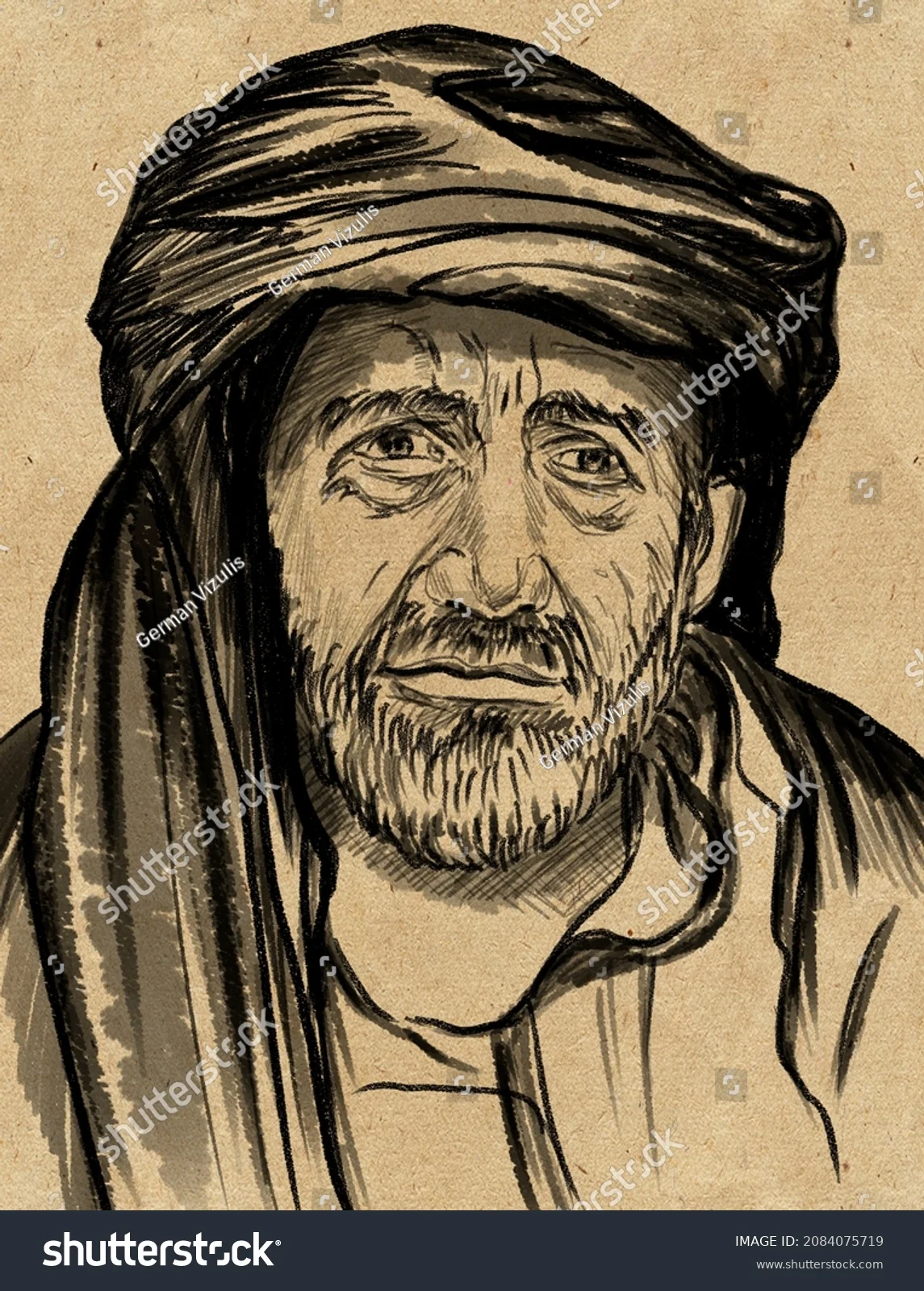
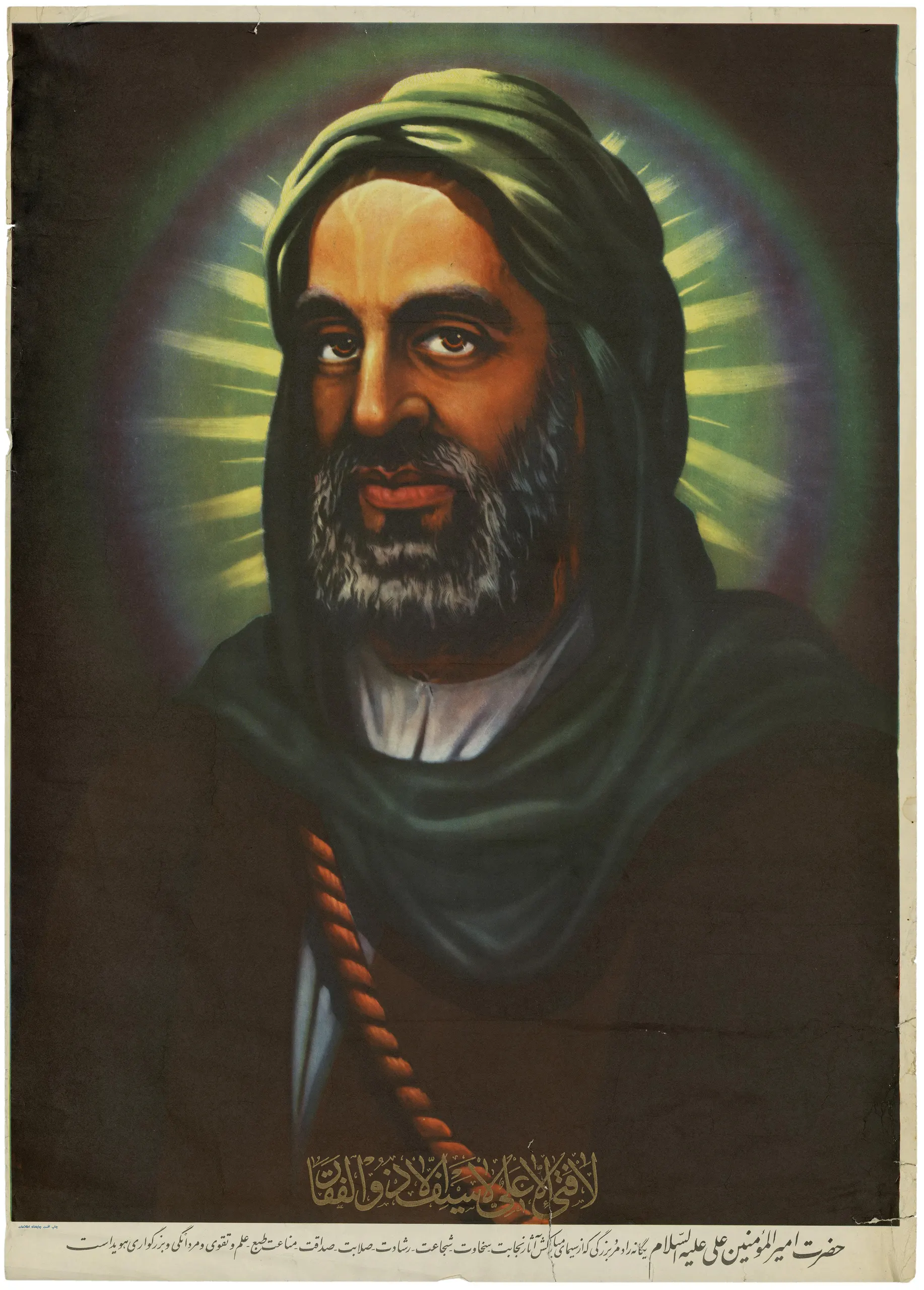
In Islamic art and literature, Uthman is depicted as dignified, modest, and generous, often shown with a white beard and simple robes, holding a Quran. Sunni tradition reveres him as a just, pious caliph and one of the Ten Promised Paradise. Shia tradition is more critical, viewing his caliphate as the beginning of Umayyad dominance. Modern scholarship debates his administrative competence versus his nepotism. His legacy as the compiler of the Quran is universally respected. Muslims frequently name their children Uthman in his honor, and his life is studied in Islamic history courses worldwide. Social media content about him is typically educational and reverential, focusing on his contributions to Quran compilation and early Islamic state-building.
Fame & Fandom (iFAMOUS Rankings)
Uthman ibn Affan remains a figure of profound historical significance rather than contemporary celebrity, with no placement in the iFANN Global Top 1,000 or any Top-100 scope list as of August 2026. The iFANN Global Fame Engine has evaluated his standing and determined he currently holds no published ranking, reflecting his status as a religious leader from the seventh century rather than a modern personality competing for global attention metrics. While he lacks a formal fandom name akin to pop culture groups, his veneration by the global Muslim community functions as a unique form of enduring devotion that transcends typical fan behavior. This audience does not organize chart pushes or purchase merchandise but instead engages in theological study, architectural commemoration, and the preservation of sacred texts. The community has erected mosques bearing his name, such as the Masjid Uthman Ibn Affan in Mombasa, and participated in high-profile restoration efforts for his personal Quranic codex, treating these artifacts with reverence comparable to holy relics. His legacy is defined by the compilation of the standardized Quran and his title Dhū al-Nurayn, which serves as a primary identifier within religious discourse. Unlike modern stars whose fame fluctuates with media cycles, Uthman's influence is static and foundational, rooted in the survival of Islamic scripture and the early expansion of the caliphate. The absence of a commercial fanbase or viral moments distinguishes his posthumous reputation from the transient nature of contemporary stardom.
Interesting Facts and Legends
Uthman ibn Affan was born around 574 CE in Mecca and served as the third Rashidun Caliph until his assassination in 656 CE. His name translates to "baby bustard," and he earned the epithet Dhū al-Nurayn, meaning "Possessor of Two Lights," for marrying two daughters of the Prophet Muhammad consecutively. He purchased the Well of Rumah in Medina for 20,000 dirhams and donated it as a public water source, an act that drew specific praise from the Prophet. Despite being an early convert, he participated indirectly in only one major battle, Badr, and never engaged directly in a major military engagement. At the height of his wealth, he owned 200 camels loaded with goods arriving annually from Syria. He was the first caliph to significantly expand the Prophet's Mosque and was assassinated while reading the Quran, with tradition stating his blood stained the pages. Initially denied burial in the main Muslim cemetery, he was interred in a Jewish cemetery before being moved. Historical accounts describe him as the man whose immense wealth saved the early Islamic state, particularly during the Battle of Tabuk where he financed the entire army. A widely retold story from his life involves his quiet nature and refusal to fight back against rebels during his siege, a narrative that underscores his patience and martyrdom.
Notable Quotes
“I have never regretted giving charity, but I have regretted not giving when I had the means.”
“The caliph is like a guardian of an orphan. If he is wealthy, he should refrain from using the orphan's wealth; if he is poor, he may use it with moderation.”
“I have compiled the Quran in one book so that the Ummah may not differ about it.”
“If they kill me, they will never again pray together in congregation.”
“God has appointed rulers to protect the rights of the people. The ruler is not above the law.”
Family & Personal Life
Uthman was born into the powerful Umayyad clan of the Quraysh. His father, Affan ibn Abi al-As, was a prominent merchant who died young. His mother, Arwa bint Kurayz, was a cousin of the Prophet Muhammad and converted to Islam. He had several half-brothers and sisters. Uthman married eight wives over his lifetime, including two daughters of the Prophet: Ruqayya (died 624) and Umm Kulthum (died 630). His other wives included Fakhita bint Ghazwan, Umm Amr bint Jundub, Fatima bint al-Walid, Umm al-Banin bint Uyayna, Ramla bint Shayba, and Na'ila bint al-Farafisa. He had nine known children: sons Amr, Umar, al-Walid, Abd Allah (died young), Aban, and Khalid; and daughters Aisha, Umm Aban, Umm Khalid, and Maryam. At his death, he was survived by wives Umm Amr, Ramla, and Na'ila.
Notable Connections
Uthman was closely associated with the Prophet Muhammad, his father-in-law and spiritual leader. He was a close friend of Abu Bakr, who introduced him to Islam. Caliph Umar appointed him to the shura council that elected him. His relationship with Ali ibn Abi Talib, the fourth caliph, was strained during Uthman's later years. He commissioned Zayd ibn Thabit to compile the Quran. His nephew Abd Allah ibn al-Zubayr supported him during the siege. His last wife Na'ila defended him during his assassination. His cousin Marwan ibn al-Hakim served as his secretary and was a controversial figure.
Relationships & Dating History
Uthman married eight wives, typical of 7th-century Arabian aristocracy. His first marriage was to Ruqayya bint Muhammad around 614 CE; she died in 624 CE. They had one son, Abd Allah, who died in infancy. In 625, he married Umm Kulthum bint Muhammad, another daughter of the Prophet; she died in 630 CE with no surviving children. He then married Fakhita bint Ghazwan, but the marriage ended in divorce with no children. He married Umm Amr bint Jundub from the Azd tribe; they had three children: Amr, Umar, and Maryam. He married Fatima bint al-Walid, which ended in divorce after one son, al-Walid. He married Umm al-Banin bint Uyayna, which also ended in divorce with no children. He married Ramla bint Shayba, with whom he had three daughters: Aisha, Umm Aban, and Umm Khalid. His final marriage was to Na'ila bint al-Farafisa around 650 CE; she converted from Christianity and defended him during his assassination, losing fingers in the attack. They had no children. At his death in 656, he was survived by Umm Amr, Ramla, and Na'ila.
- MarriedRuqayya bint Muhammad614 - 624Daughter of Prophet Muhammad; died of illness; had one son who died in infancy.
- MarriedUmm Kulthum bint Muhammad625 - 630Another daughter of the Prophet; died with no surviving children.
- MarriedFakhita bint Ghazwan630 - 630Sister of Utbah ibn Ghazwan; marriage ended in divorce; no children.
- MarriedUmm Amr bint Jundub630 - 656From the Azd tribe; mother of Amr, Umar, and Maryam; survived him.
- MarriedFatima bint al-Walid ibn al-Mughira630 - 630Daughter of a Qurayshi leader; marriage ended in divorce; had one son al-Walid.
- MarriedUmm al-Banin bint Uyayna630 - 630From the Fazarah tribe; marriage ended in divorce; no children.
- MarriedRamla bint Shayba640 - 656Daughter of a Qurayshi leader; mother of Aisha, Umm Aban, and Umm Khalid; survived him.
- MarriedNa'ila bint al-Farafisa650 - 656Converted from Christianity; defended him during assassination; no children; survived him.
Death & Aftermath
Died
June 17, 656 (aged 82)
Death Place
Medina
Cause of Death
Reported assassination by stabbing during siege
The assassination of Uthman ibn Affan plunged the Muslim community into immediate chaos, transforming a period of internal dissent into a civil war that would fracture the Rashidun Caliphate. Tributes from his peers honored him as Dhun-Nurayn, or the Possessor of Two Lights, acknowledging his status as a companion who married two daughters of the Prophet Muhammad and funded the early expansion of Islam. Upon his death, rebels fled Medina while the community mourned the loss of the third caliph, whose generosity had long defined his public service. Uthman died on June 17, 656, inside his home in Medina after a siege by forces from Egypt, Kufa, and Basra.
Historical consensus recorded in chronicles such as Tarikh al-Tabari states that he was assassinated while reading the Quran during the breach of his residence. The cause of death is attributed to multiple stab wounds inflicted by the besiegers, with some accounts suggesting Abdallah ibn Saba' delivered the fatal blow. For the final days of the siege, Uthman refused to fight back despite having the means to defend himself, citing the sanctity of the Prophet's bloodline and the prohibition of violence during the sacred month of Dhul-Hijjah. The funeral was conducted in haste and secrecy on the night of his death within the Al-Baqi cemetery outside Medina.
His successor, Ali ibn Abi Talib, performed the burial rites alongside close companions, avoiding public display due to the hostile environment. The political aftermath was immediate and severe, as Muawiyah I, the governor of Syria and Uthman's cousin, demanded justice from Ali. This demand precipitated the First Fitna, leading to the Battle of the Camel and the Battle of Siffin, which ultimately ended the era of the Rightly Guided Caliphs. Uthman remains commemorated in Islamic scholarship for his role in compiling the standardized Quran, though the event cemented a deep historical division within the faith.
Net Worth (Estate Value)
As a 7th-century historical figure, Uthman has no modern estate or net worth. At his death in 656, his estate included 150,000 gold dinars in cash, 1,000 camels, numerous properties in Mecca, Medina, and Syria, and vast textile inventories. His wealth was distributed among his heirs and the state treasury. No estate management entity operates today. His legacy generates no direct revenue, though his contributions to Islamic civilization are incalculable. The Uthmanic codex is public domain, and his burial site in Jannat al-Baqi is a pilgrimage destination. As of 2026, scholarly conferences and digital archives continue to study his era, but no financial value can be assigned to his estate.
Awards Won (4)
Uthman received the title Dhū al-Nurayn (Possessor of Two Lights) for marrying two daughters of the Prophet Muhammad. He was named one of the Ten Promised Paradise by the Prophet. In Sunni tradition, he is recognized as the third of the Rightly Guided Caliphs. His most enduring achievement is the compilation of the standardized Quran, honored by all Muslims.
630 · Religious Honor
Marriage to Umm Kulthum bint Muhammad
632 · Religious Honor
Companionship of the Prophet
Known For
Third Caliph of the Rashidun Caliphate
644 · Caliph
Compilation of the Standardized Quran (Uthmanic Codex)
650 · Commissioner
Expansion of the Islamic Empire
644 · Caliph
Establishment of the First Muslim Navy
650 · Caliph
Keywords
Quick Facts
Personal Details
- Full Name
- Uthman ibn Affan ibn Abi al-As ibn Umayyah ibn Abd Shams ibn Abd Manaf
- Spouse
- Umm Amr bint Jundub, Fatima bint al-Walid ibn al-Mughira, Ruqayya bint Muhammad, Umm Kulthum bint Muhammad, Fakhita bint Ghazwan, Umm al-Banin bint Uyayna, Ramla bint Shayba, Na'ila bint al-Farafisa
- Children
- Amr, Umar, al-Walid, Abd Allah (died young), Aban, Khalid, Aisha, Umm Aban, Umm Khalid, Maryam
- Education
- Illiterate (ummi); relied on oral tradition and scribes
Frequently Asked Questions
Who was Uthman ibn Affan?
How did Uthman ibn Affan die?
What is Uthman ibn Affan's net worth in 2026?
Why is Uthman called Dhū al-Nurayn?
What is Uthman ibn Affan's legacy?
Social Media

Join the community
fans discussing