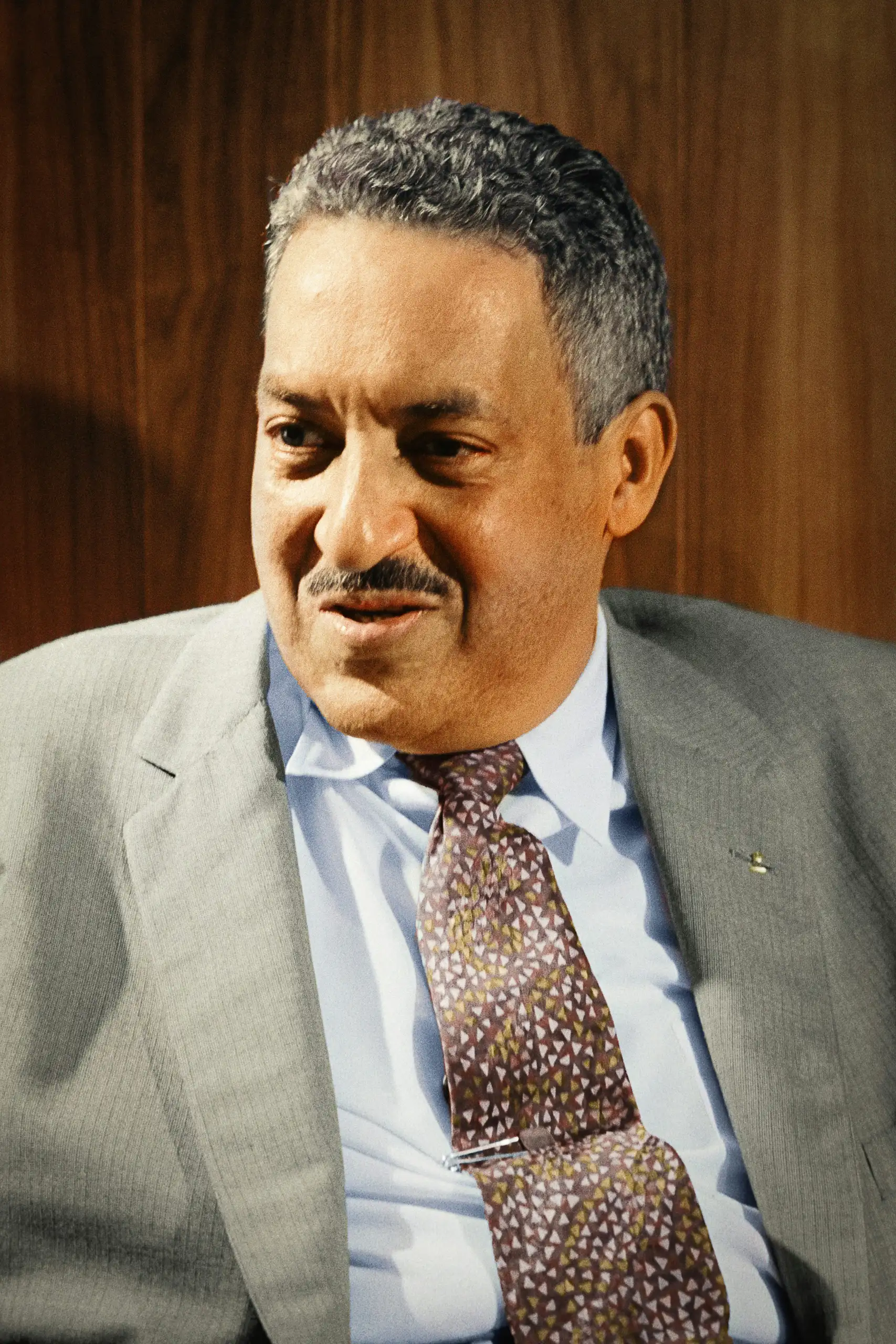
Thurgood Marshall
Judge•Lawyer•Civil Rights Activist
Also known as: Thoroughgood Marshall, Mr. Civil Rights
Birthday
July 2, 1908
Birth Sign
Cancer
Birthplace
Baltimore, Maryland
Age
Died at 84
Height
5 ft 11 in (180 cm)
About
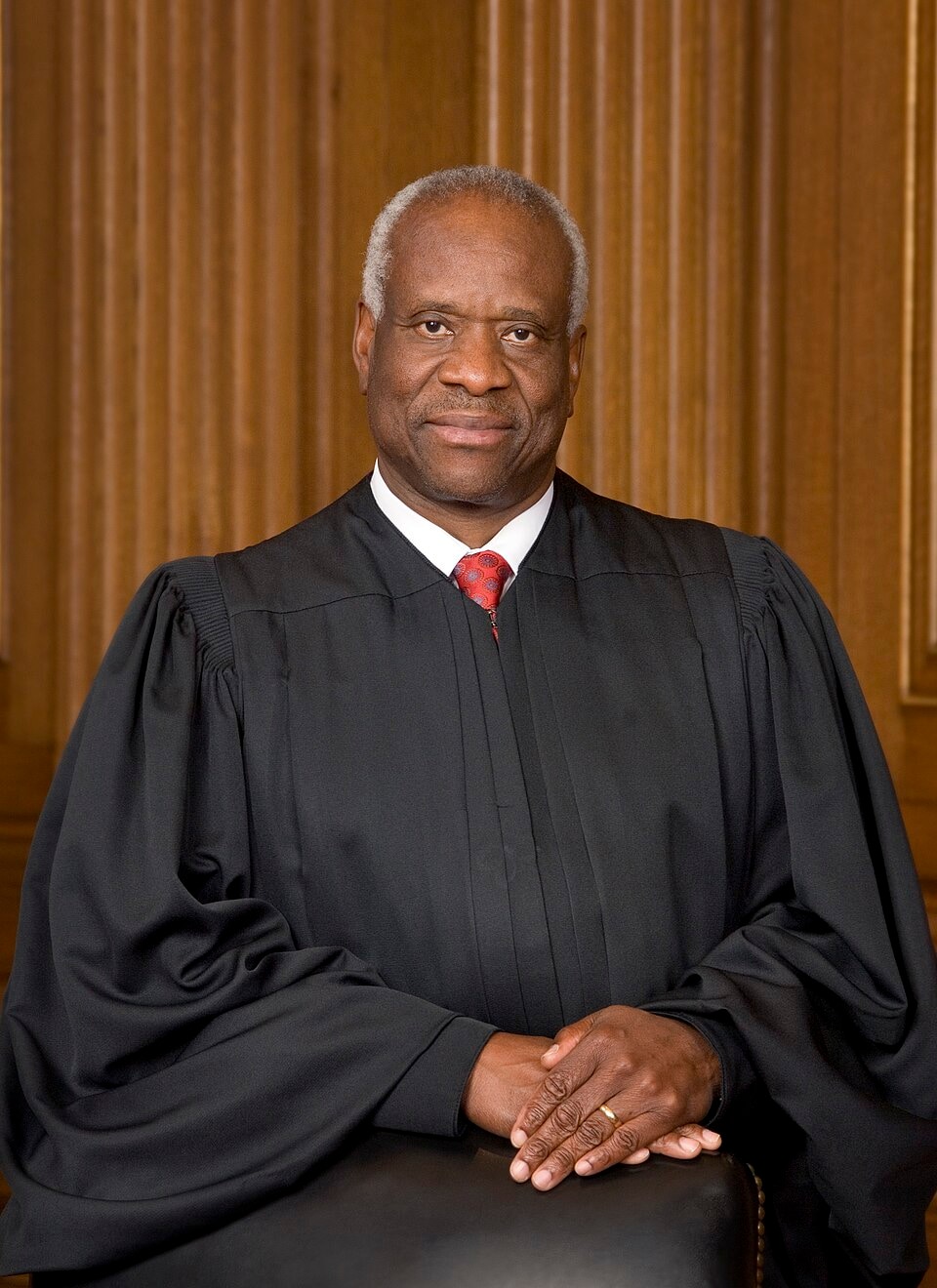
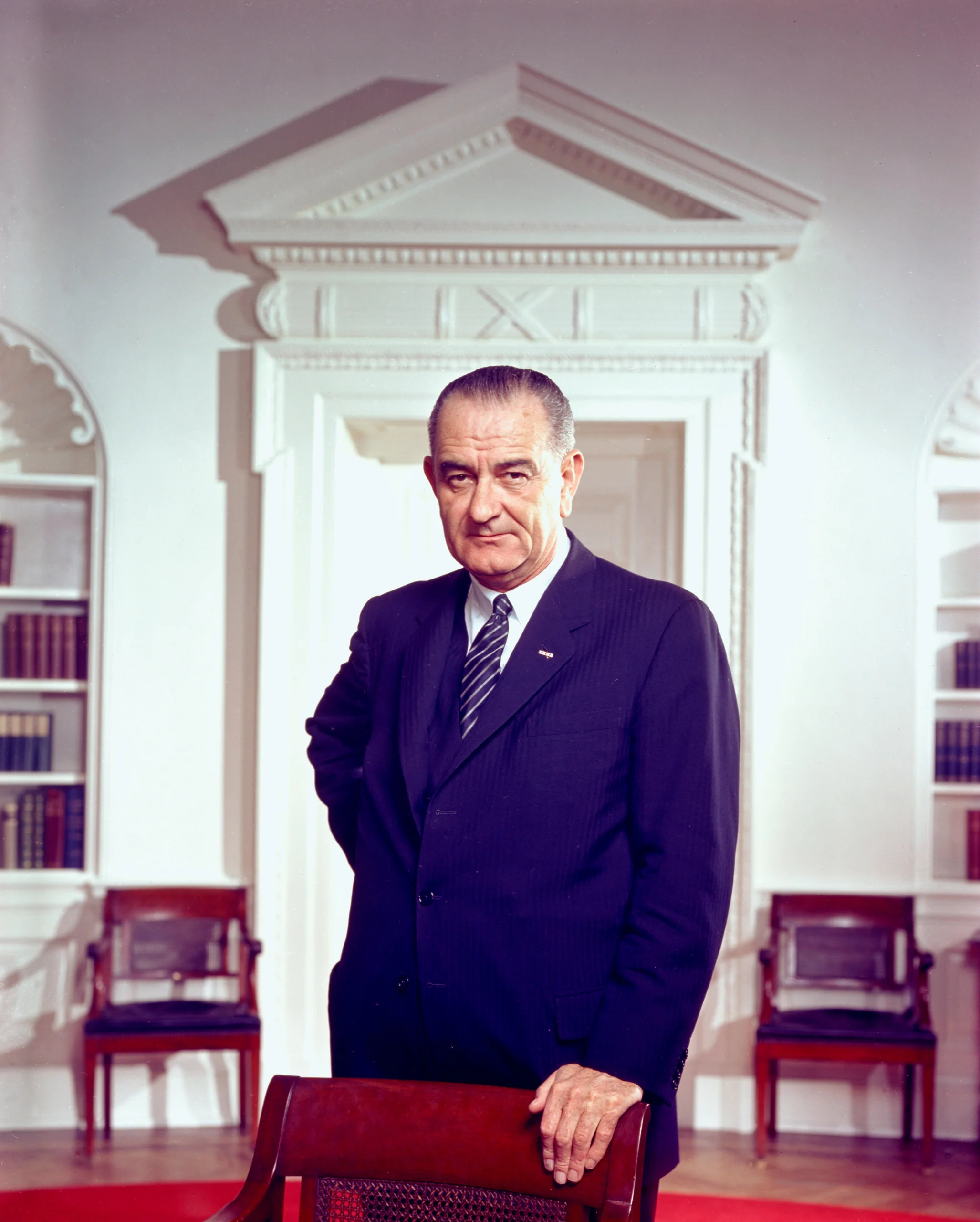
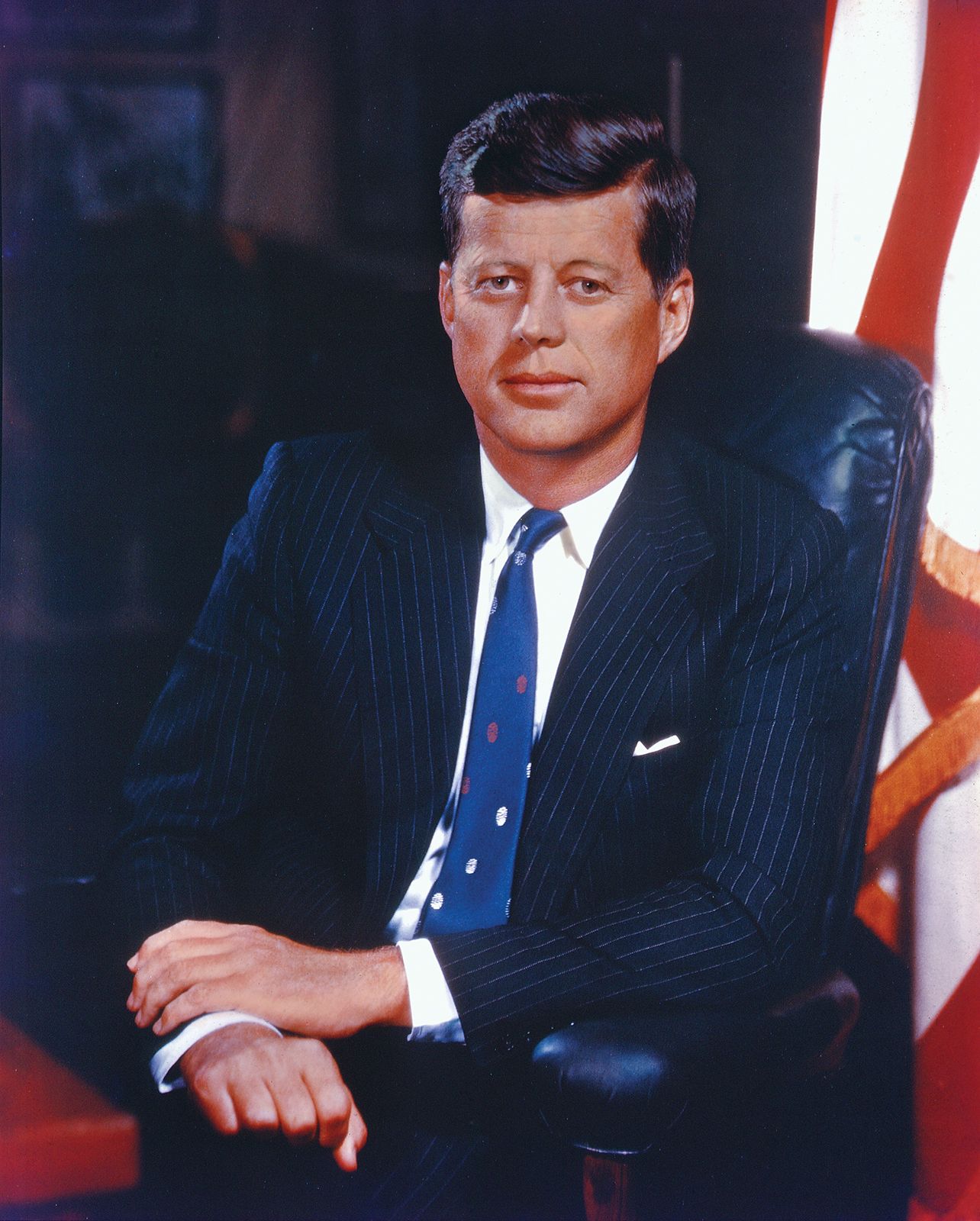
Thoroughgood "Thurgood" Marshall was an American lawyer and jurist who became the first African American to serve as an Associate Justice of the Supreme Court of the United States. A towering figure in the civil rights movement, he is widely known by the nickname "Mr. Civil Rights." He passed away on January 24, 1993, at the age of 84, leaving behind a legacy defined by his relentless litigation against racial segregation and inequality. His career began at Howard University School of Law, where mentor Charles Hamilton Houston taught him to be a social engineer willing to challenge systemic inequality through litigation. Marshall spent years arguing before the Supreme Court, winning 29 of his 32 cases. His strategy relied heavily on sociological data to prove that separation inherently caused harm. President John F. Kennedy appointed him to the U.S. Court of Appeals for the Second Circuit in 1961, and Lyndon B. Johnson later named him Solicitor General in 1965. Johnson nominated Marshall to the Supreme Court in 1967 to replace Justice Tom C. Clark. Despite fierce opposition from Southern senators, the Senate confirmed him by a vote of 69–11. On the bench, Marshall aligned closely with Justice William J. Brennan Jr., often voting together during the liberal Warren Court era. As the Court shifted rightward under President Richard Nixon, Marshall frequently issued dissenting opinions. He championed a flexible sliding-scale approach to the Equal Protection Clause and strongly opposed the death penalty, viewing it as cruel and unusual punishment. He dissented in over 1,400 cases where the majority declined to review death sentences. Marshall also supported abortion rights in Roe v. Wade and defended broad First Amendment protections in decisions like Stanley v. Georgia. He retired in 1991 and was succeeded by Clarence Thomas.
Early Life & Background
Born Thoroughgood Marshall on July 2, 1908, in Baltimore, Maryland, he was the son of William Canfield Marshall, a railroad porter, and Norma Arilda Gorman, a schoolteacher. His birth name was Thoroughgood, which he later shortened to Thurgood for ease of pronunciation and professional use. He grew up in a household where his father instilled in him a sense of self-worth and dignity despite the pervasive racism of the Jim Crow South. His mother often took him to the Baltimore City Courthouse, exposing him early to the legal system and the injustices it perpetuated. Marshall attended Frederick Douglass High School in Baltimore, where he was an active student, debating club member, and athlete. He excelled academically but faced discrimination when applying to the University of Maryland School of Law, the only law school in the state at the time, because it did not admit Black students. Instead, he enrolled at Howard University School of Law in Washington, D.C., in 1930. At Howard, he studied under Charles Hamilton Houston, a mentor who would become instrumental in shaping Marshall's legal philosophy. Houston taught Marshall that the law could be used as a "social engineer" to dismantle systemic inequality, a strategy Marshall would employ throughout his career. After graduating from Howard Law School in 1933, Marshall opened a private practice in Baltimore with his friend Spottswood Robinson III. However, he soon realized that private practice alone could not achieve the sweeping social changes he envisioned. In 1936, he moved to New York to join the NAACP Legal Defense and Educational Fund (LDF) as a special counsel, working directly under Charles Hamilton Houston. This marked the beginning of his national impact. Marshall's early career was defined by a series of strategic lawsuits challenging segregation in higher education and transportation. His breakthrough came in Missouri ex rel. Gaines v. Canada (1938), where he successfully argued that Missouri must provide in-state legal education for Black students or allow them to attend out-of-state institutions. This set the stage for his most famous victory. In 1940, he became the director-counsel of the LDF, a position he held until his appointment to the federal bench in 1961. During this period, he traveled extensively across the South, often facing threats and violence, to litigate cases that would eventually lead to the desegregation of public schools.
Career Growth
Marshall's career can be divided into three distinct phases: civil rights attorney, federal judge, and Supreme Court Justice. As the chief litigator for the NAACP LDF, Marshall won 29 of the 32 cases he argued before the Supreme Court. His most significant victory was Brown v. Board of Education (1954), where the Court unanimously ruled that racial segregation in public schools was unconstitutional, overturning the "separate but equal" doctrine established in Plessy v. Ferguson. Other landmark victories included Smith v. Allwright (1944), which struck down white primaries; Morgan v. Virginia (1946), which ended segregation on interstate buses; and Sweatt v. Painter (1950), which challenged segregation in graduate schools. In 1961, President John F. Kennedy appointed Marshall to the U.S. Court of Appeals for the Second Circuit. He served there for four years, gaining experience in federal jurisprudence. In 1965, President Lyndon B. Johnson appointed him as the Solicitor General of the United States, making him the highest-ranking Black official in the federal government at the time. As Solicitor General, Marshall represented the United States in numerous cases before the Supreme Court, further solidifying his reputation as a legal genius. On June 13, 1967, President Lyndon B. Johnson nominated Marshall to the Supreme Court to replace Justice Tom C. Clark. Despite fierce opposition from Southern senators, the Senate confirmed him by a vote of 69–11. Marshall served on the Court for nearly 25 years, becoming a staunch liberal voice during an era of shifting judicial politics. He frequently issued dissenting opinions, particularly regarding the death penalty, which he viewed as cruel and unusual punishment. He dissented in over 1,400 cases where the majority declined to review death sentences. Marshall also supported abortion rights in Roe v. Wade and defended broad First Amendment protections. He retired on October 1, 1991, and was succeeded by Clarence Thomas.
Career Timeline
Public Image & Style
Thurgood Marshall is portrayed as a visionary leader, a tireless advocate for justice, and a man of unwavering principles. His image is one of dignity, intelligence, and courage. He is often depicted in legal attire, reflecting his profession, and is associated with the struggle for racial equality. His presence commanded respect in every room he entered, whether arguing a case before the Supreme Court or speaking to crowds across the South. He maintained a serious demeanor in public but was known for his sharp wit and humor among close colleagues. He stands as a symbol of the fight for equality, with his likeness appearing on stamps, coins, and monuments worldwide. The renaming of the Baltimore-Washington International Airport to BWI Thurgood Marshall Airport in 2005 cemented his status as a national icon. His physical stature, standing 5 feet 11 inches tall, matched his imposing legal presence.
Fame & Fandom (iFAMOUS Rankings)
iFANN has not yet collected fame data for this person. While Thurgood Marshall does not have a traditional "fandom" in the pop culture sense, he has a devoted following of historians, legal scholars, and civil rights activists. The Thurgood Marshall College Fund serves as a central hub for supporters, organizing events and campaigns to promote his legacy. Fans often refer to themselves simply as advocates for civil rights. Notable fan campaigns include the annual Thurgood Marshall Day celebrations and various educational initiatives aimed at preserving his story. In 2026, renewed attention was given to his advocacy for the "Cheltenham boys," a group of young Black men he helped defend in the 1950s. Additionally, Syracuse officials utilized AI in 2026 to analyze and preserve Marshall's voice and writings, ensuring his legal arguments remain accessible to future generations. The USNS Thurgood Marshall, christened in 2026, continues to honor his service and contributions to justice.
Interesting Facts and Legends
His middle name, "Thoroughgood," was given by his grandfather, who believed it signified a person of integrity. Marshall's legal strategy often involved using sociological data to prove that segregation inherently caused harm, a technique that was groundbreaking at the time. He was a vocal opponent of the death penalty, arguing that it was applied disproportionately to minorities and the poor. The nickname "Mr. Civil Rights" was bestowed upon him by the media and the public, reflecting his unparalleled contribution to civil rights litigation. A story fans still retell involves his early days in Baltimore, where his mother took him to courtrooms to witness the inequalities firsthand, planting the seeds for his future battles. He received the NAACP Spingarn Medal in 1946 and was posthumously awarded the Presidential Medal of Freedom in 1993. He was inducted into the National Hall of Fame for Great Americans and received honorary doctorates from Harvard, Yale, and Howard.
Notable Quotes
“I thought I was doing something right, but I didn't know if I was going to get it done.”
“The Constitution guarantees freedom of speech, but it doesn't guarantee that you will be heard.”
“The law is a tool for change, not just a reflection of the status quo.”
Family & Personal Life
Thurgood Marshall was married twice. His first marriage was to Vivian Burey in 1938 after they met while attending Howard University. They had two daughters, Sonja Marsha Marshall and Sylvia Marshall. Their marriage ended in divorce in 1955 due to personal differences and the pressures of Marshall's demanding career. Vivian died in 1993, just months after Thurgood's passing. Shortly after his divorce, Marshall married Cecilia Suyat, a Chinese-American woman he had met through mutual friends. She was a former teacher and social worker. Their marriage lasted until Marshall's death in 1993. They had no children together. Cecilia survived him and remained active in civil rights causes until her own death in 2018.
Notable Connections
Relationships & Dating History
Thurgood Marshall was married twice. His first marriage was to Vivian Burey in 1938 after they met while attending Howard University. They had two daughters, Sonja Marsha Marshall and Sylvia Marshall. Their marriage ended in divorce in 1955 due to personal differences and the pressures of Marshall's demanding career. Vivian died in 1993, just months after Thurgood's passing. Shortly after his divorce, Marshall married Cecilia Suyat, a Chinese-American woman he had met through mutual friends. She was a former teacher and social worker. Their marriage lasted until Marshall's death in 1993. They had no children together. Cecilia survived him and remained active in civil rights causes until her own death in 2018. Thurgood Marshall is deceased (died January 24, 1993). He has been widowed since 1993. There are no current romantic relationships to report.
- DivorcedVivian Burey1938 - 1955Met at Howard University; two daughters together.
- WidowedCecilia Suyat Marshall1955 - 1993Married until his death; no children together.
Death & Aftermath
Died
January 24, 1993 (aged 84)
Death Place
Bethesda, Maryland, USA
Cause of Death
Heart failure
The United States Navy scheduled the christening of the USNS Thurgood Marshall for 2026, while the Baltimore-Washington International Airport bears his name as a permanent reflection of his stature. The Thurgood Marshall College Fund operates as a central hub for his legacy, awarding over $20 million in scholarships annually to students at historically black colleges and universities. These posthumous dedications followed a period of widespread mourning among civil rights leaders, government officials, and the general public when news broke that he had passed away at his home in Bethesda, Maryland. On January 24, 1993, the first African American Supreme Court Justice died at the age of 84 after suffering from heart failure, a natural occurrence treated as such given his age and history of health issues.
His funeral served as a major event attended by President Bill Clinton and other dignitaries, with his remains interred at Arlington National Cemetery. Public reaction prompted significant national reflection on civil rights history. Posthumously, he received numerous honors including induction into various halls of fame, and his voice and writings continue to be utilized in research projects by institutions like Syracuse University.
Net Worth (Estate Value)
$3 Million
iFANN Editorial Team estimate
As Thurgood Marshall passed away in 1993, his net worth is now considered part of his estate. Estimates vary based on the value of his real estate holdings, intellectual property, and posthumous royalties. The iFANN Editorial Team's analysis of X's earnings, ventures and assets points to roughly $3 million. His wealth during his lifetime came from his salary as a Supreme Court Justice ($125,000 annually in the late 1980s/early 1990s), his legal practice, and book deals. Posthumously, his estate earns revenue from the sale of his books, such as The Path to Desegregation, and licensing deals related to his legacy. The estate is managed by his heirs and the Thurgood Marshall Foundation, which oversees his legacy and educational initiatives. Current estimates suggest his estate is valued between $1 million and $5 million, primarily derived from book royalties, speaking fees (posthumous), and licensing of his likeness and work.
Awards Won (3)
Thurgood Marshall received numerous awards and honors throughout his life, though many were posthumous. Notable wins include the NAACP Spingarn Medal in 1946 for the most outstanding achievement by an African American. He was posthumously awarded the Presidential Medal of Freedom in 1993 by President Bill Clinton, one of the nation's highest civilian honors. He also received the National Association for the Advancement of Colored People (NAACP) Lifetime Achievement Award for his lifelong dedication to civil rights.
1946 · Civil Rights Achievement
General Achievement
1993 · Civilian Honor
General Achievement
Known For
Brown v. Board of Education
1954 · Lead Counsel
Supreme Court Justice
1967 · Associate Justice
Solicitor General of the United States
1965 · Solicitor General
Keywords
Sources
Quick Facts
- Profession
- judge, lawyer, politician
- Born
- July 2, 1908
- Birthplace
- Baltimore, Maryland
- Died
- January 24, 1993
- Death Place
- Bethesda, Maryland
- Gender
- Male
- Spouse
- Vivian Burey Marshall, Cecilia Suyat Marshall
- Birth Sign
- Cancer
Personal Details
- Full Name
- Thoroughgood Marshall
- Height
- 5 ft 11 in (180 cm)
- Spouse
- Vivian Burey Marshall, Cecilia Suyat Marshall
- Children
- Sonja Marsha Marshall, Sylvia Marshall
- Education
- Howard University School of Law
Frequently Asked Questions
Who was Thurgood Marshall?
What was Thurgood Marshall's biggest case?
When did Thurgood Marshall die?
How many children did Thurgood Marshall have?
What is the Thurgood Marshall College Fund?
Join the community
fans discussing