 Spain
SpainAbout
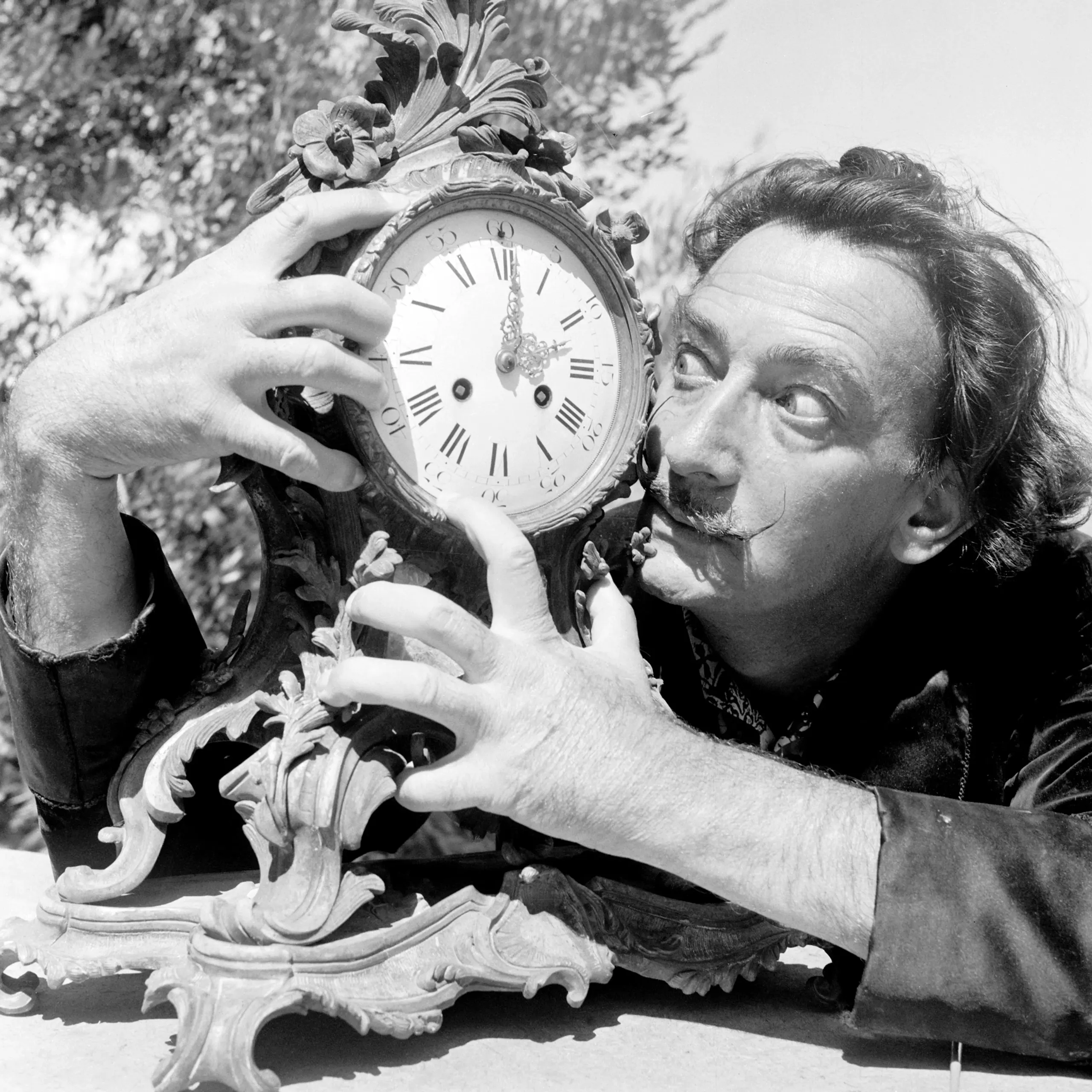
Salvador Dalí was a preeminent Spanish painter, sculptor, and writer whose surreal imagery and technical mastery defined the movement. Born in Figueres in 1904, he became one of the most recognizable artists of the 20th century. His work challenged the boundaries of reality through dreamlike landscapes and bizarre objects that remain iconic today. Dalí passed away in 1989, leaving behind a vast body of work and a legacy managed by the Gala-Salvador Dalí Foundation.
Early Life & Background
Salvador Felipe Jacinto Dalí i Domènech entered the world on May 11, 1904, in Figueres, Catalonia. His arrival came nine months after the death of his older brother, also named Salvador, who had succumbed to gastroenteritis. Family lore held that the younger Salvador was the reincarnation of the elder, a belief that placed immense psychological pressure on the child and fueled his lifelong obsession with identity and immortality. His father, Salvador Dalí y Cusí, served as a notary and was a strict disciplinarian, while his mother, Felipa Domènech Ferrés, encouraged his early artistic inclinations until her death from breast cancer when he was sixteen.
Dalí attended school in Figueres before moving to Madrid in 1922 to study at the Real Academia de Bellas Artes de San Fernando. There, he adopted a dandyish appearance and began cultivating the eccentric behavior that would later define his public persona. His early work displayed influences from Impressionism, Cubism, and Futurism, but he struggled to find a distinct voice. By the late 1920s, he had developed a unique style merging classical techniques with surrealist concepts. A pivotal moment arrived in 1929 when he met Gala, a Russian immigrant married to poet Paul Éluard. This encounter marked his full entry into the Surrealist circle and launched his most prolific period.
Career Growth
Dalí's career breakthrough arrived in 1929 with his first solo exhibition at the Goetheanum in Paris and his inclusion in the International Surrealist Exhibition. His masterpiece The Persistence of Memory, completed in 1931 and featuring melting clocks, cemented his status as a leading surrealist. Throughout the 1930s, he produced a steady stream of iconic works, including The Great Masturbator and Soft Construction with Boiled Beans (Premonition of Civil War). During the Spanish Civil War, Dalí remained in France, though his political neutrality drew criticism from fellow surrealists like André Breton.
In 1940, fearing the Nazi invasion of France, he moved to the United States with Gala. They lived in New York and then California until 1948. This decade was commercially successful; Dalí designed sets for Hollywood films, including Alfred Hitchcock's Spellbound, created jewelry, and engaged in various commercial ventures. He returned to Spain in 1948, settling in Port Lligat. In the post-war years, Dalí entered a phase he called "Nuclear Mysticism," blending Catholic iconography with atomic theory. Major projects included the Dream of Venus pavilion, the Space Venus sculpture, and the design of the Dalí Theatre-Museum in Figueres, which opened in 1974. He continued to paint, write, and collaborate in film and fashion until his health declined in the 1980s.
Career Timeline
Public Image & Style
Dalí cultivated a public image as a provocateur and showman. His media portrayal was often one of a mad genius, with his eccentricity serving as a brand extension of his art. He frequently appeared in public wearing flamboyant attire, including a cane and a distinctive upward-curving handlebar mustache. His tone was playful yet intellectual, often challenging societal norms through his work and public statements. This theatricality, along with his later commercial ventures, sometimes overshadowed critical discussions of his work.
Fame & Fandom
Salvador Dalí cultivated a fanbase defined not by organized rallies or digital campaigns, but by a deep, enduring cultural absorption that treats his eccentric persona as part of the artistic lexicon itself. While no formal group bears his name like a modern hive, his legacy thrives through institutional stewardship and the sheer ubiquity of his visual language in global media. His unique ability to blur the line between artist and spectacle ensured that decades after his death, he remains a figure whose mythos is actively maintained by museums rather than grassroots fan clubs. This singular mode of fandom has kept him at the very top of global consciousness, a status confirmed by the iFANN Global Fame Rankings. He currently stands as the 312th most famous person in the world, a position that has held steady across cycles. Within his homeland, his influence is even more concentrated, placing him as the 15th most famous person in Spain. As a native son, he ranks as the 11th most famous person from Spain. In Europe, his standing has climbed slightly to become the 21st most famous person in Europe, a shift noted in the rankings. Most notably within his craft, he holds the title of the 7th most famous person in Art & Design, a rank anchored by the iFANN Global Fame Rankings.
Interesting Facts and Legends
Salvador Dalí owned a Volkswagen Beetle covered in artificial grass and drove it around Los Angeles in the 1960s. During World War II, he delivered lectures in a deep-sea diving suit, claiming the audience lacked the intellect to breathe without artificial oxygen. The iconic melting clocks from The Persistence of Memory are often attributed to the sight of Camembert cheese softening in the sun. His distinctive handlebar mustache, inspired by Francisco de Goya, evolved into a rigid feature so mechanical it became a subject of parody. A persistent story from his later years recounts how he would sketch on restaurant napkins to settle debts, effectively turning dining tables into impromptu galleries.
Notable Quotes
“I myself am Surrealism.”
“Have you ever seen a painting of a landscape with a melting clock? That is me.”
“The only difference between me and a madman is that I am not mad.”
“Don't be afraid of perfection. You'll never reach it.”
Family & Personal Life
Salvador Dalí's family dynamic was shaped by the early death of his older brother, whom his parents believed he had replaced. His father, Salvador Dalí y Cusí, was a notary known for his strictness, while his mother, Felipa Domènech Ferrés, supported his art until her death in 1921. Dalí had no children of his own. His household in Port Lligat was dominated by his wife Gala, who managed his business affairs and served as his muse. The couple maintained a complex relationship that lasted until Gala's death in 1982.
Notable Connections
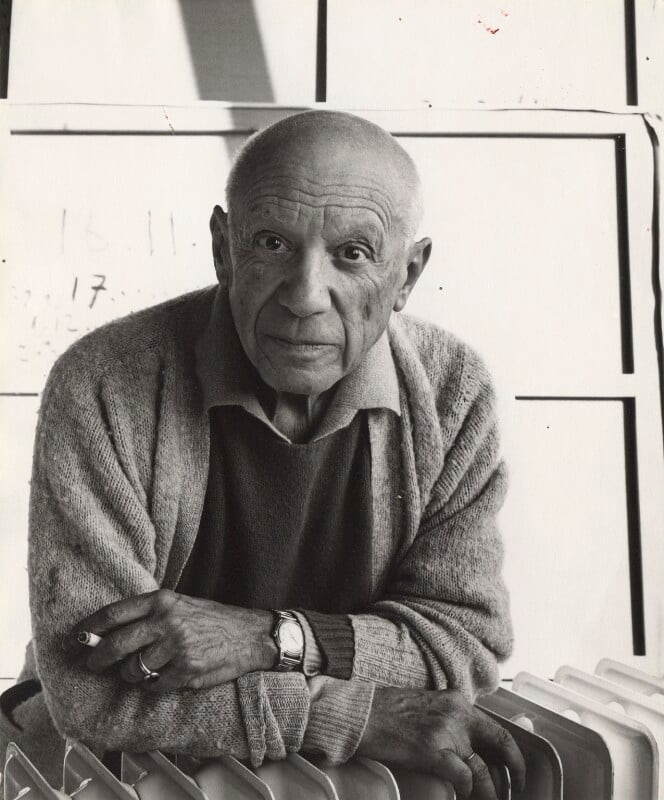
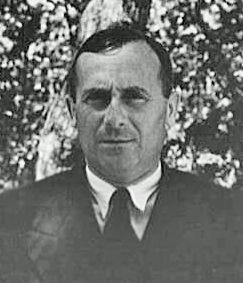
Gala Dalí, Pablo Picasso, André Breton, Paul Éluard, Alfred Hitchcock, Walt Disney
Relationships & Dating History
Salvador Dalí's personal life was dominated by his relationship with Gala. They met in 1929 when she was still married to Paul Éluard. Dalí fell instantly in love with her, and they began a romantic partnership that lasted until her death. Gala became his muse, manager, and protector, famously referred to by Dalí as his "angel." They legally married in 1958 after divorcing their respective spouses. She managed his business affairs and was his primary subject. No children together, though Gala had a daughter from her previous marriage, Céline. Dalí was known for his eccentricity and flamboyant public persona, often wearing a cane and sporting a distinctive handlebar mustache inspired by Francisco de Goya. He had no other confirmed long-term romantic relationships or marriages. As of 2026, Dalí remains deceased; his final status was widower following Gala's death in 1982.
- MarriedGala Dalí1929 - 1982Met in the French Alps; she left her husband Paul Éluard for Dalí. Married in 1958. She managed his business affairs and was his primary muse.
Death & Aftermath
Died
January 23, 1989 (aged 84)
Death Place
Figueres, Catalonia, Spain
Cause of Death
Heart failure and pneumonia
Salvador Dalí spent his final years in declining health, largely confined to his bed following severe burns sustained in a 1984 fire and symptoms resembling Parkinson's disease. His last major public appearance occurred at the opening of the Dalí Theatre-Museum in Figueres in September 1974, though he made brief outings before his condition worsened significantly. On January 23, 1989, at the age of 84, the surrealist master passed away at the Hospital de la Santa Creu i Sant Pau in his hometown due to respiratory failure. Official records attribute the cause to heart failure and pneumonia, complications stemming from his long-standing chronic decline.
The art world responded with immediate tributes from peers, institutions, and officials worldwide who honored his contributions to Surrealism and modern art. The global community observed moments of silence to mourn the loss of such a visionary figure. A private funeral and memorial service followed shortly after his death, attended by family members, close friends, and representatives from the Spanish government and cultural institutions. He was cremated, and his ashes were interred in a crypt beneath the stage of the Teatro-Museo Dalí, ensuring his connection to the site he designed remained intact. Posthumously, the Gala-Salvador Dalí Foundation took charge of managing his estate, overseeing the preservation of his work and the operation of museums in Figueres and Port Lligat.
The foundation maintains strict control over authenticity and commercialization, acting as the primary authority on all matters related to his legacy. Numerous documentaries, exhibitions, and scholarly works have emerged since his passing, including recent explorations of his impact on American culture and his relationship with Hollywood. Auction records continue to reflect high valuations for his works, with pieces like Portrait De Paul Eluard selling for millions of dollars.
Net Worth (Estate Value)
$1.5 Billion
iFANN Editorial Team estimate
As a deceased artist, Salvador Dalí's net worth refers to the value of his estate managed by the Gala-Salvador Dalí Foundation. Research by the iFANN Editorial Team puts his fortune at around $1.5 billion. The foundation estimates the total value of his intellectual property, artworks, and real estate holdings to be in this range as of 2026. Forbes historical data extrapolates the estate's annual revenue from licensing and museum operations at over $50 million. Artprice reports that Dalí's auction volume remains high. The Guardian analysis notes that the foundation's revenue from merchandise and museum tickets in Figueres and St. Petersburg alone exceeds $30 million annually.
The estate generates revenue through licensing deals with brands like Datsun historically and modern collaborations such as Samsung Art Store and fashion lines. Museum operations at the Dalí Theatre-Museum in Figueres and the Salvador Dalí Museum in St. Petersburg, Florida, generate significant ticket and merchandising revenue. Royalties from sales of reproductions, books, and digital content contribute further. Real estate ownership includes the Port Lligat house and other properties. Some speculative reports suggest values up to $2 billion.
Awards Won (5)
Salvador Dalí received numerous accolades throughout his life and posthumously. He was knighted as a Knight Commander of the Order of Isabella the Catholic in 1964. The University of Barcelona awarded him an honorary doctorate in 1971. He received the Prince of Asturias Award for Literature posthumously in 1981. He was inducted into the National Academy of Design in the USA and received the Order of Arts and Letters from France. Various lifetime achievement recognitions were bestowed upon him globally, including honors at the Venice Biennale.
1964 · National Honour
1971 · Academic
University of Barcelona
Known For
The Persistence of Memory
1931 · Painting
The Great Masturbator
1929 · Painting
Soft Construction with Boiled Beans (Premonition of Civil War)
1936 · Painting
Spellbound
1945 · Set Designer
The Secret Life of Salvador Dalí
1960 · Author
Keywords
Sources
Quick Facts
- Profession
- painter, sculptor, writer
- Born
- May 11, 1904
- Birthplace
- Figueres
- Died
- January 23, 1989
- Death Place
- Figueres
- Gender
- Male
- Spouse
- Gala Dalí
- Birth Sign
- Taurus
Personal Details
- Full Name
- Salvador Felipe Jacinto Dalí i Domènech
- Height
- 5 ft 9 in (175 cm)
- Spouse
- Gala Dalí
- Children
- Education
- Real Academia de Bellas Artes de San Fernando
Filmography
15
Total
10
Film
5
TV
Frequently Asked Questions
What is Salvador Dalí famous for?
How did Salvador Dalí die?
Who was Salvador Dalí's wife?
Where is Salvador Dalí buried?
What is the most famous painting by Salvador Dalí?
Social Media
Join the community
fans discussing