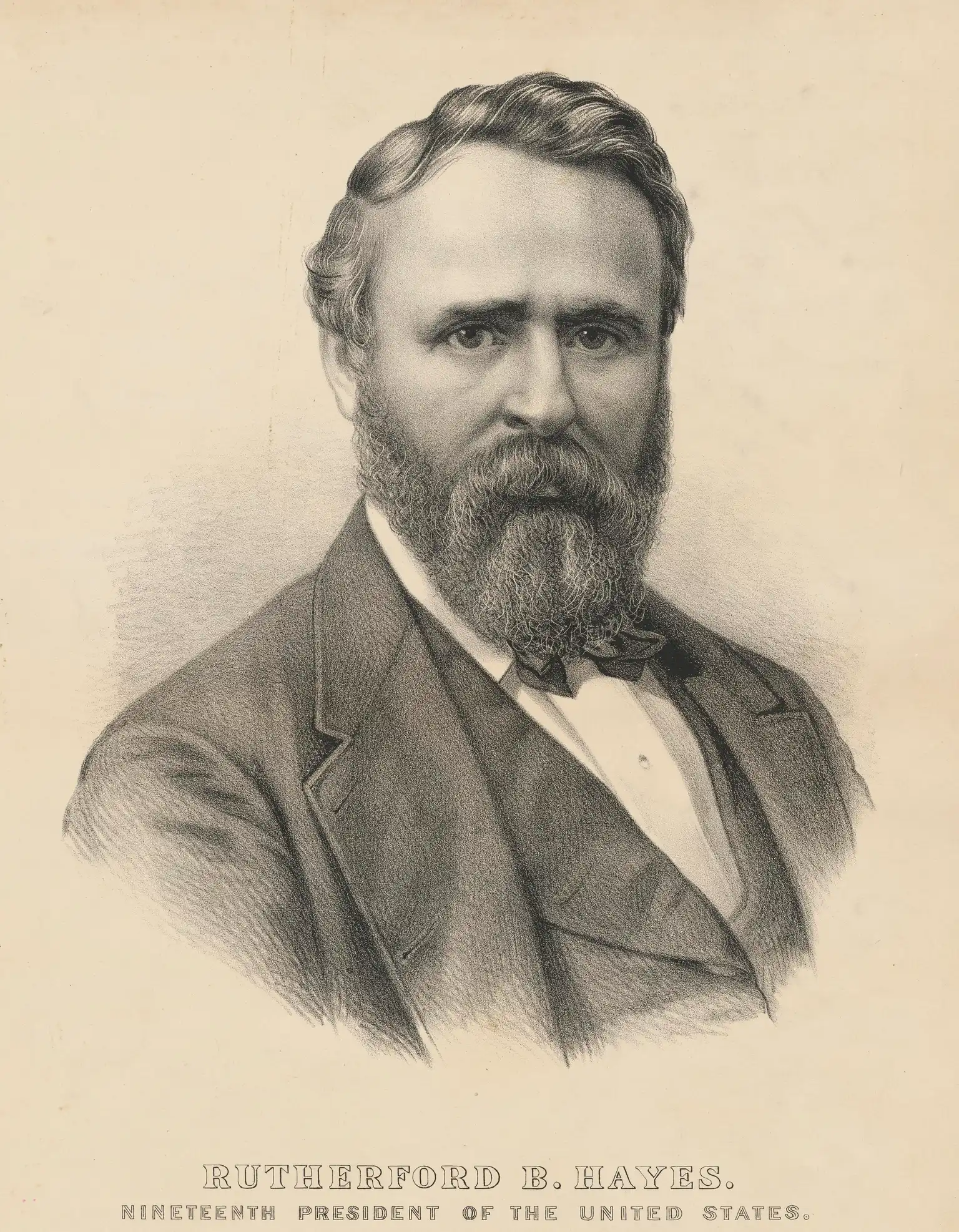
Rutherford B. Hayes
lawyer•military officer•statesman
Also known as: Rutherford Birchard Hayes, Rutherford B. Hayes
Birthday
October 4, 1822
Birth Sign
Libra
Birthplace
Delaware, Ohio
Age
Died at 70
Height
5 ft 10 in (178 cm)
About
Rutherford Birchard Hayes served as the 19th president of the United States from 1877 to 1881. His career bridged the antebellum era, the Civil War, and the Gilded Age through work as a lawyer, Union general, and politician. Born in Delaware, Ohio, he moved to Cincinnati as a child where he studied law and gained early fame defending fugitive slaves under the Fugitive Slave Act. The disputed election of 1876 placed him in the White House after an electoral commission awarded him the victory by a single vote. His administration focused on civil service reform and ending Reconstruction, policies that remain central to his historical legacy.
Early Life & Background
Rutherford Birchard Hayes entered the world on October 4, 1822, in Delaware, Ohio. His father died just two months before the birth, leaving the family in financial difficulty. To ensure his survival, young Rutherford was sent to live with his maternal uncle, Sardis Birchard, in Norwalk, Ohio, where he spent his early childhood. He returned to his mother's care at age four after she remarried, but the move back to Delaware proved difficult for the child. In 1830, his mother relocated the family to Cincinnati, Ohio, to join her brother, Dr. Joseph Horton, who had become a prominent physician there. This move placed Hayes in a supportive intellectual environment that shaped his future.
Hayes attended local schools in Cincinnati before entering Kenyon College in Gambier, Ohio, in 1838. He graduated in 1842, ranking second in his class. Following graduation, he studied law at Harvard Law School, graduating in 1845. He began practicing law in Cincinnati, quickly establishing a reputation for integrity and competence. A pivotal moment in his early career occurred when he took on pro bono cases defending fugitive slaves under the Fugitive Slave Act, earning him the nickname "Abolitionist Lawyer." His legal work brought him into contact with influential Republican leaders, setting the stage for his political ascent.
In 1858, he was elected city solicitor of Cincinnati, a position he held until 1861. During this time, he gained national attention for his defense of refugee slaves, solidifying his status as a staunch abolitionist. When the Civil War broke out in 1861, Hayes abandoned his legal practice to join the Union Army. He entered as a colonel and rose rapidly through the ranks due to his bravery and leadership. He was wounded five times during the conflict: at the Battle of South Mountain in 1862, where a severe wound to his shoulder left him temporarily paralyzed; at the Battle of Antietam; at Fredericksburg; at the Wilderness; and at Cedar Creek. His military service earned him the brevet rank of Major General.
Career Growth
After the war, Hayes returned to civilian life and re-entered politics. He served in the U.S. House of Representatives from 1865 to 1867 as part of the "Half-Breed" faction of the Republican Party. In 1867, he was elected Governor of Ohio, serving three consecutive terms from 1868 to 1872. As governor, he championed civil rights and education reform. In 1876, Hayes won the Republican nomination for president. The subsequent election against Democrat Samuel J. Tilden remains one of the most controversial in American history. Tilden won the popular vote, but neither candidate secured a majority in the Electoral College. A special electoral commission awarded all 20 disputed votes to Hayes, giving him a one-vote victory (185–184). This outcome led to the Compromise of 1877, an informal agreement where Southern Democrats agreed to accept Hayes's presidency in exchange for the withdrawal of federal troops from the South, effectively ending Reconstruction.
Hayes served as president from March 1877 to March 1881. His administration focused on meritocratic government, civil service reform, and racial equality. Notable achievements included issuing Executive Order 1, establishing the first rules for federal employment based on merit rather than patronage. He deployed federal troops to quell the Great Railroad Strike of 1877, a decision that drew criticism but demonstrated his resolve to maintain order. He also arbitrated a border dispute between Argentina and Paraguay, which helped stabilize relations in South America. He appointed John Marshall Harlan to the Supreme Court. Hayes kept his campaign promise not to seek re-election, retiring to his home in Fremont, Ohio, in 1881.
Career Timeline
Public Image & Style
Rutherford B. Hayes is generally portrayed as a man of high moral character, honesty, and moderate reform. Media depictions emphasize his integrity in contrast to the corruption of the Grant administration. He is often described as a "unifying figure" who sought to heal the wounds of the Civil War, though critics point to the compromises he made regarding civil rights in the South. His signature style was formal and dignified, reflecting the Victorian era. He maintained a reputation for frugality and simplicity, often walking the streets of Washington without an escort. His refusal to seek re-election further cemented his image as a public servant motivated by duty rather than power.
Fame & Fandom (iFAMOUS Rankings)
iFANN has not yet collected fame data for this person. There is no organized "fandom" for Rutherford B. Hayes in the modern pop-culture sense. However, he has a dedicated following of history enthusiasts, students, and researchers who study his presidency and the Reconstruction era. Fan-driven projects include digital archiving of his letters, organizing educational tours, and participating in genealogy research facilitated by the Hayes Library. The Hayes Presidential Library actively engages with the public through social media, virtual tours, and educational programs, fostering a community of history fans who appreciate his contributions to American governance.
Interesting Facts and Legends
Rutherford B. Hayes is often remembered for several unique distinctions that set him apart from other presidents. He holds the record for being the only president to be wounded five times during the Civil War, earning him the title of a "wounded warrior." During his presidency, he traveled extensively, taking four extended trips that covered more ground than any previous president, leading detractors to nickname him "Rutherford the Rover." His wife, Lucy Webb Hayes, banned alcohol from the White House, earning her the nickname "Lemonade Lucy" and making their tenure a symbol of temperance. Hayes also settled a significant border dispute between Argentina and Paraguay, a diplomatic feat that earned him international acclaim and a statue in Asunción. Perhaps most notably, he famously promised not to run for a second term, a pledge he kept, setting a precedent for voluntary retirement that few modern politicians emulate.
Notable Quotes
“I am a man of peace, and I would rather see the country divided than see it torn by civil war.”
“The best way to preserve the union is to treat all men equally, regardless of race or color.”
“I have no desire to hold the office longer than my term.”
Family & Personal Life
Rutherford married Lucy Webb on November 30, 1852. Lucy was the daughter of Rev. Henry F. Webb, a Presbyterian minister. They met while Rutherford was studying law in Cincinnati. Their marriage lasted 41 years until Rutherford's death. Lucy became known as "Lemonade Lucy" because she banned alcohol from the White House, adhering to her temperance beliefs. She was a highly active First Lady who hosted frequent social gatherings and advocated for women's suffrage and education. The couple had eight children together: Birchard Austin, James A., Fanny Atkins, Rutherford Platt, Ellen Louise, William Howell, Alice Mary, and Margaretta Scott. The Hayes family lived primarily in Cincinnati and later at Spiegel Grove in Fremont, Ohio, where they raised their large family.
Notable Connections
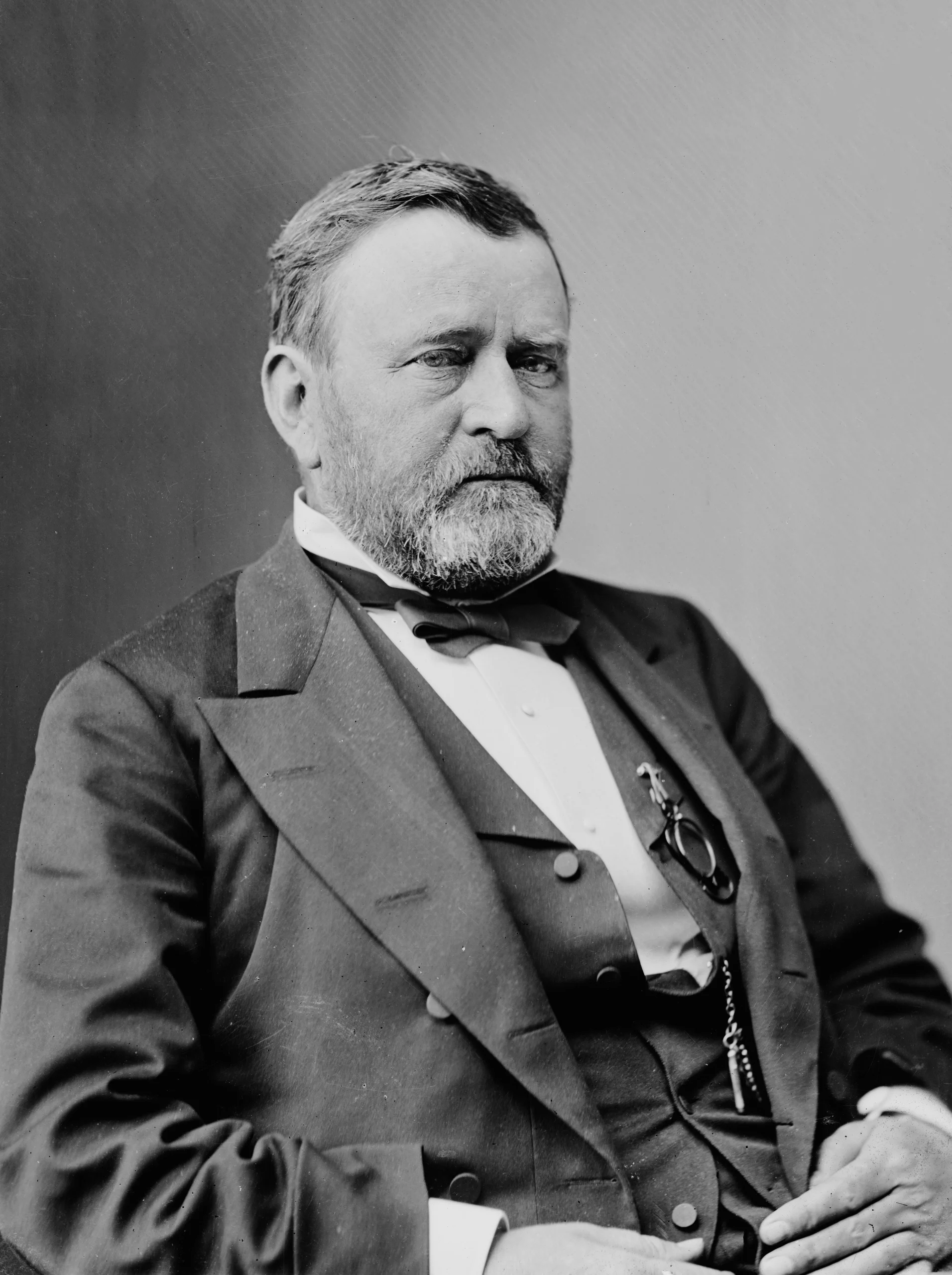
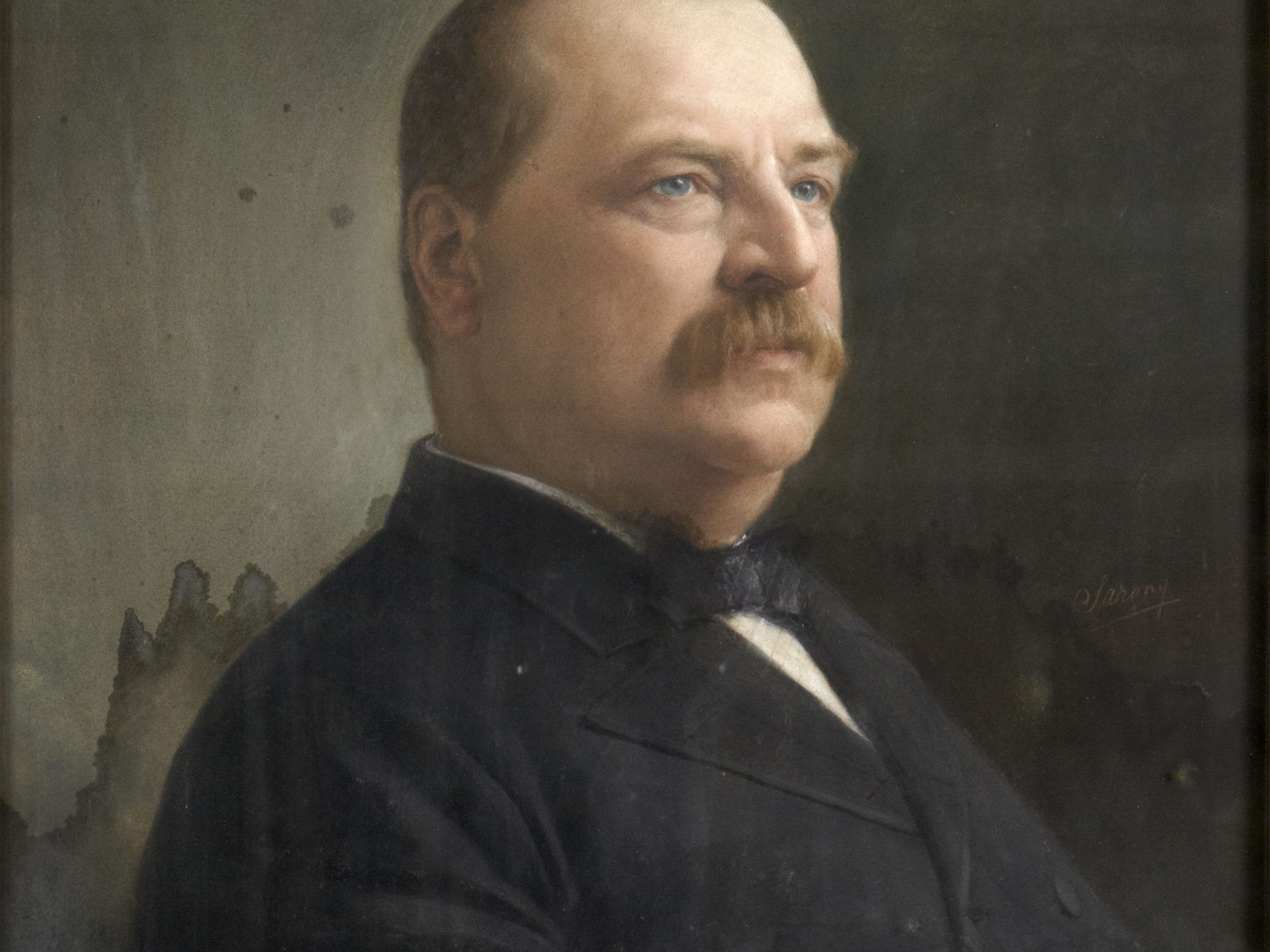
Lucy Webb Hayes, Samuel J. Tilden, John Sherman, William McKinley, Ulysses S. Grant, Grover Cleveland
Relationships & Dating History
Rutherford B. Hayes did not have a public dating history in the modern sense of celebrity romances or tabloid flings. His romantic life was strictly confined to his courtship and marriage to Lucy Webb. They met while Rutherford was studying law in Cincinnati and were married on November 30, 1852. Their relationship was characterized by deep mutual respect, shared religious values, and a strong partnership in public service. There are no records of prior engagements, divorces, or other romantic partners. The couple remained married until Rutherford's death in 1893. As of 2026, Rutherford B. Hayes is deceased, having been widowed since January 17, 1893.
- MarriedLucy Webb Hayes1852 - 1893Met in Cincinnati; married in a quiet ceremony; relationship ended with his death.
Death & Aftermath
Died
January 17, 1893 (aged 70)
Death Place
Fremont, Ohio
Cause of Death
dropsy and chronic Bright's disease
Rutherford B. Hayes spent his final years retired at Spiegel Grove in Fremont, Ohio, managing the estate he had returned to after leaving the presidency in 1881. He passed away peacefully in his sleep on January 17, 1893, surrounded by family members while battling a long-standing illness that had weakened him over many years. Official records attribute his death to dropsy, a historical term for fluid retention often linked to heart failure, compounded by chronic Bright's disease, also known as nephritis. President Grover Cleveland ordered flags across the federal government to fly at half-staff upon hearing of the news, while Congress passed resolutions honoring the former president's integrity and his role in restoring honor to the office following the contentious election of 1876.
Tributes from political circles and local communities emphasized his commitment to civil rights and his service as a unifying figure. A private funeral took place two days later, on January 19, 1893, at the First Presbyterian Church in Fremont, attended by family, former cabinet officials, and dignitaries including Ohio Governor William McKinley before interment in the Hayes Family Cemetery at Spiegel Grove. Posthumously, Hayes received numerous institutional dedications, including induction into the National Law Hall of Fame. His widow Lucy Webb Hayes had established his library in 1916, which became the first presidential library open to the public, and the property was donated to the state of Ohio to form the basis of the Rutherford B. Hayes Presidential Library & Museums. This arrangement ensured the preservation of his papers and personal effects, with scholarship funds and foundations created in his name to support education and civil service reform.
Net Worth (Estate Value)
$0
iFANN Editorial Team estimate
As a deceased historical figure, Rutherford B. Hayes does not have a net worth in the modern celebrity sense. However, his estate value and the financial management of his legacy can be assessed. At the time of his death in 1893, the value of his estate, including his home Spiegel Grove, personal effects, and investments, was substantial for the era but not publicly quantified in modern dollars. The primary revenue source for the Hayes Estate today comes from the operation of the Rutherford B. Hayes Presidential Library & Museums. This includes ticket sales, educational programs, and donations. The estate and museum are managed by the Rutherford B. Hayes Foundation, a non-profit organization dedicated to preserving his legacy and supporting educational initiatives. Recent news indicates that the museum continues to generate interest, particularly with the opening of the carriage house for tours in August 2026 and special exhibits for the America 250 celebration. These activities contribute to the ongoing financial sustainability of the institution, though no specific dollar figures for the estate's current net worth are available in public financial reports.
Awards & Accolades
View 8 records, honours and achievementsKnown For
Presidency of the United States
1877 · 19th President
Keywords
Sources
Quick Facts
- Profession
- lawyer, military officer, statesperson
- Born
- October 4, 1822
- Birthplace
- Delaware, Ohio
- Died
- January 17, 1893
- Death Place
- Fremont, Ohio
- Gender
- Male
- Spouse
- Lucy Webb Hayes
- Birth Sign
- Libra
Personal Details
- Full Name
- Rutherford Birchard Hayes
- Height
- 5 ft 10 in (178 cm)
- Spouse
- Lucy Webb Hayes
- Children
- Birchard Austin Hayes · James A. Hayes · Fanny Atkins Hayes · Rutherford Platt Hayes · Ellen Louise Hayes · William Howell Hayes · Alice Mary Hayes · Margaretta Scott Hayes
- Education
- Kenyon College, Harvard Law School
Frequently Asked Questions
How did Rutherford B. Hayes die?
Why is the 1876 election famous?
Did Rutherford B. Hayes have children?
What is Rutherford B. Hayes best known for?
Is Rutherford B. Hayes still alive?
Join the community
fans discussing