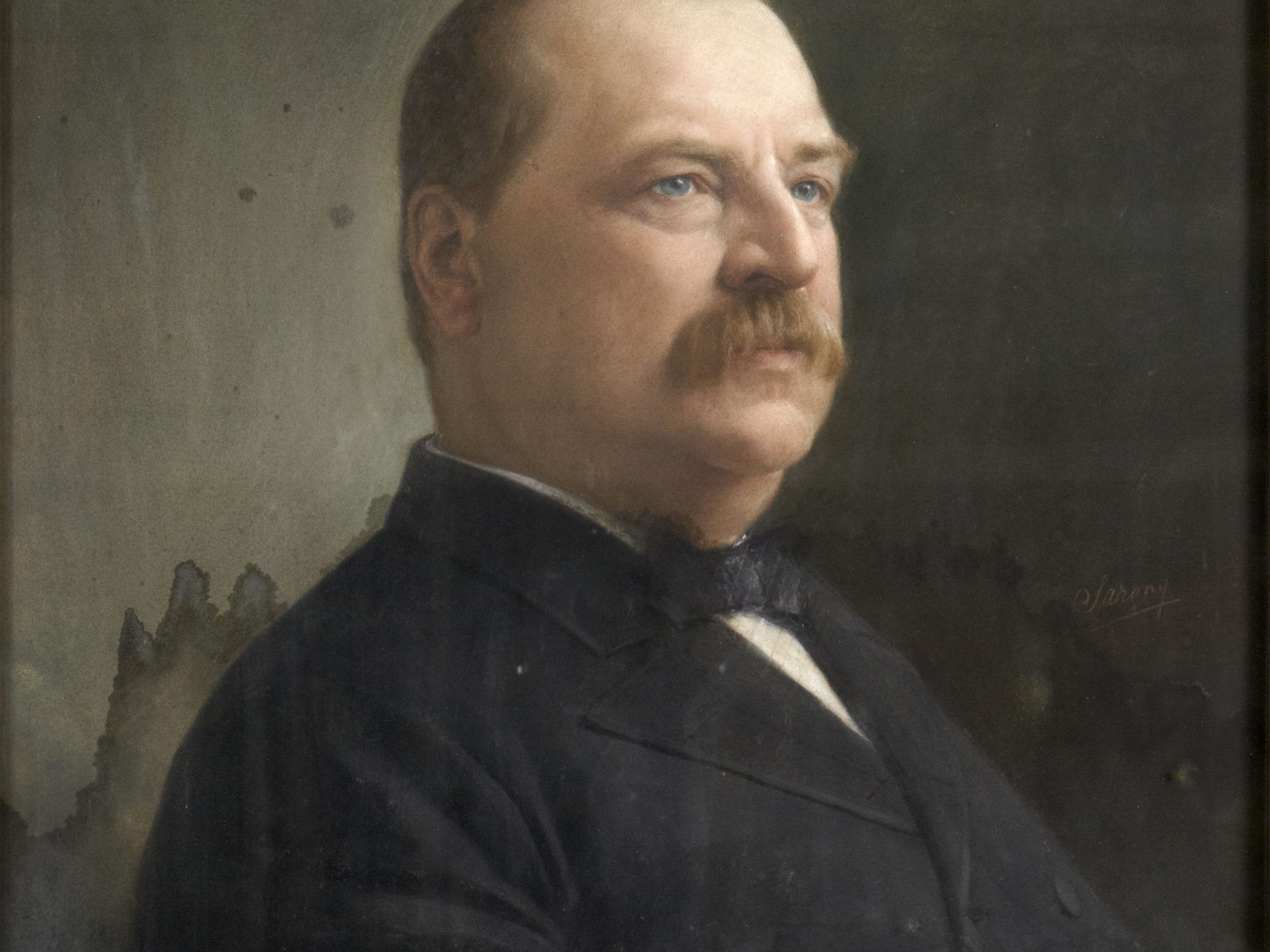
Grover Cleveland
 Jersey
politician•lawyer•statesperson
Also known as: Stephen Grover Cleveland, Grover the Good
Birthday
March 18, 1837
Birth Sign
Pisces
Birthplace
Caldwell, New Jersey
Age
Died at 71
Height
5 ft 10 in (178 cm)
About
Stephen Grover Cleveland served as the 22nd and 24th President of the United States, holding office during two non-consecutive terms from 1885 to 1889 and again from 1893 to 1897. He remains the only person in American history to serve two non-consecutive terms in the presidency. A Democrat elected after the Civil War, Cleveland built his reputation on fiscal conservatism, opposition to political patronage, and strict adherence to the gold standard.
Born in Caldwell, New Jersey, Cleveland worked his way up from poverty to become a prominent lawyer in Buffalo before entering politics. His career included serving as Mayor of Buffalo and Governor of New York prior to his election to the White House. He is remembered for signing the Interstate Commerce Act of 1887 and for his controversial intervention in the Pullman Strike of 1894. Cleveland died in 1908 at the age of 71, leaving behind a legacy of integrity that continues to be studied by historians.
Early Life & Background
Stephen Grover Cleveland entered the world on March 18, 1837, in Caldwell, New Jersey, as the sixth child of Richard Falley Cleveland, a Presbyterian minister, and Ann Neal Cleveland. The family moved frequently due to his father's ministry, eventually settling in Fayetteville, New York, and later in Clinton, where Stephen attended local schools. His childhood was marked by financial instability; his father died when Stephen was just 13 years old, plunging the family into poverty.
Forced to leave school to support his mother and siblings, young Stephen took a job as a clerk in a law office in Buffalo, New York. This experience sparked an interest in the legal profession that would define his future. Without formal university education, he dedicated himself to self-study, reading legal texts late into the night while working during the day. He apprenticed under attorneys and prepared rigorously for the bar exam, finally passing in 1859 at the age of 22.
Cleveland established a successful law practice in Buffalo, quickly gaining a reputation for honesty, efficiency, and a sharp intellect. He specialized in corporate law but also handled criminal cases, earning respect from peers and clients alike. Despite his growing success, he remained focused on public service rather than personal gain. In 1881, local businessmen approached him to run for mayor of Buffalo specifically to combat corruption associated with the Tammany Hall machine. This unexpected invitation marked his first step into public office, launching a political trajectory that would soon lead him to the highest office in the land.
Career Growth
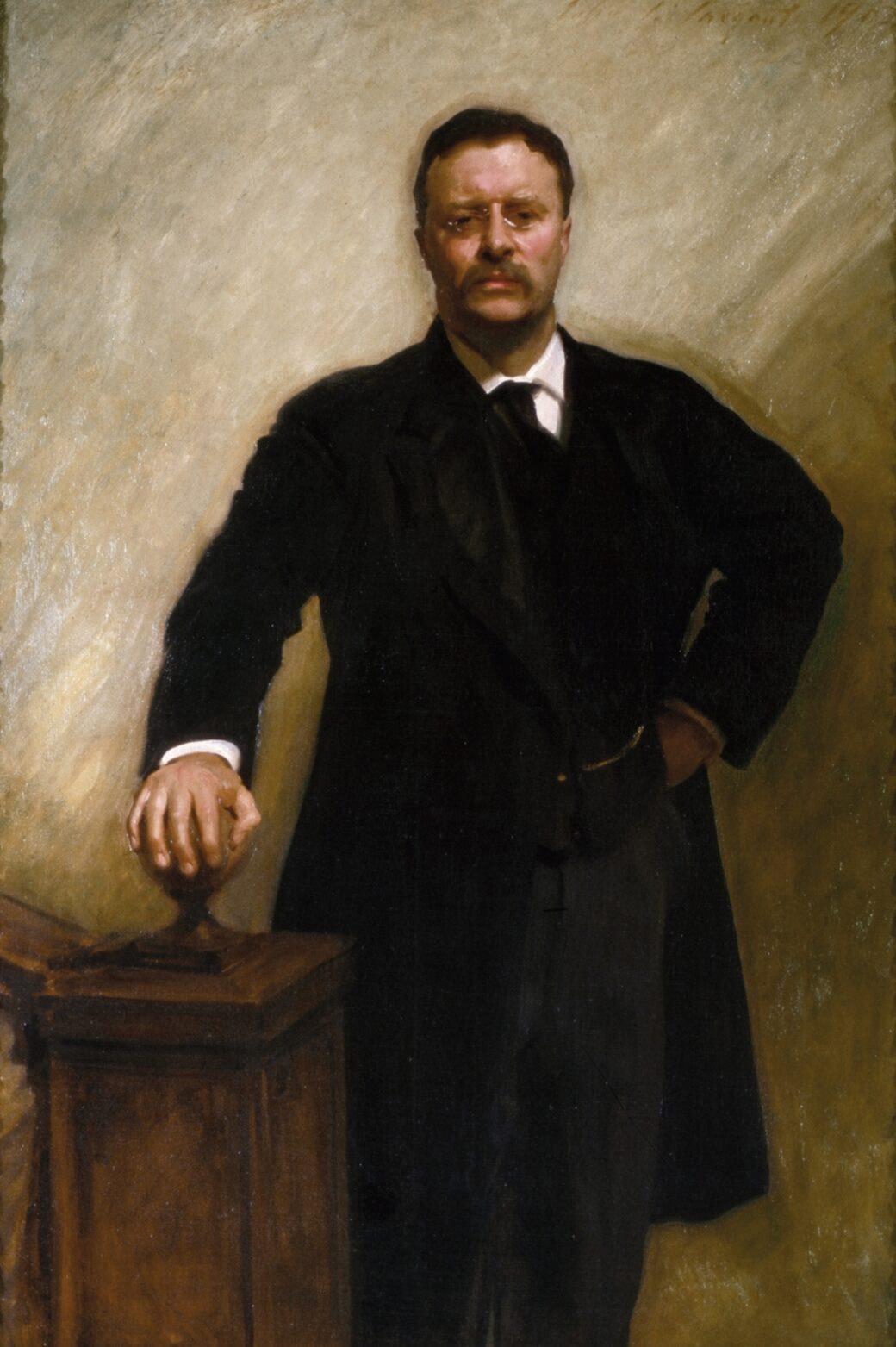
Cleveland's political ascent began in earnest in 1881 when he was elected Mayor of Buffalo, defeating the entrenched Tammany Hall interests. He implemented reforms to clean up city government and reduce waste. Two years later, in 1882, he won the governorship of New York, campaigning on civil service reform and opposing the spoils system. As governor, he famously clashed with party bosses and worked alongside Theodore Roosevelt to advance progressive legislation.
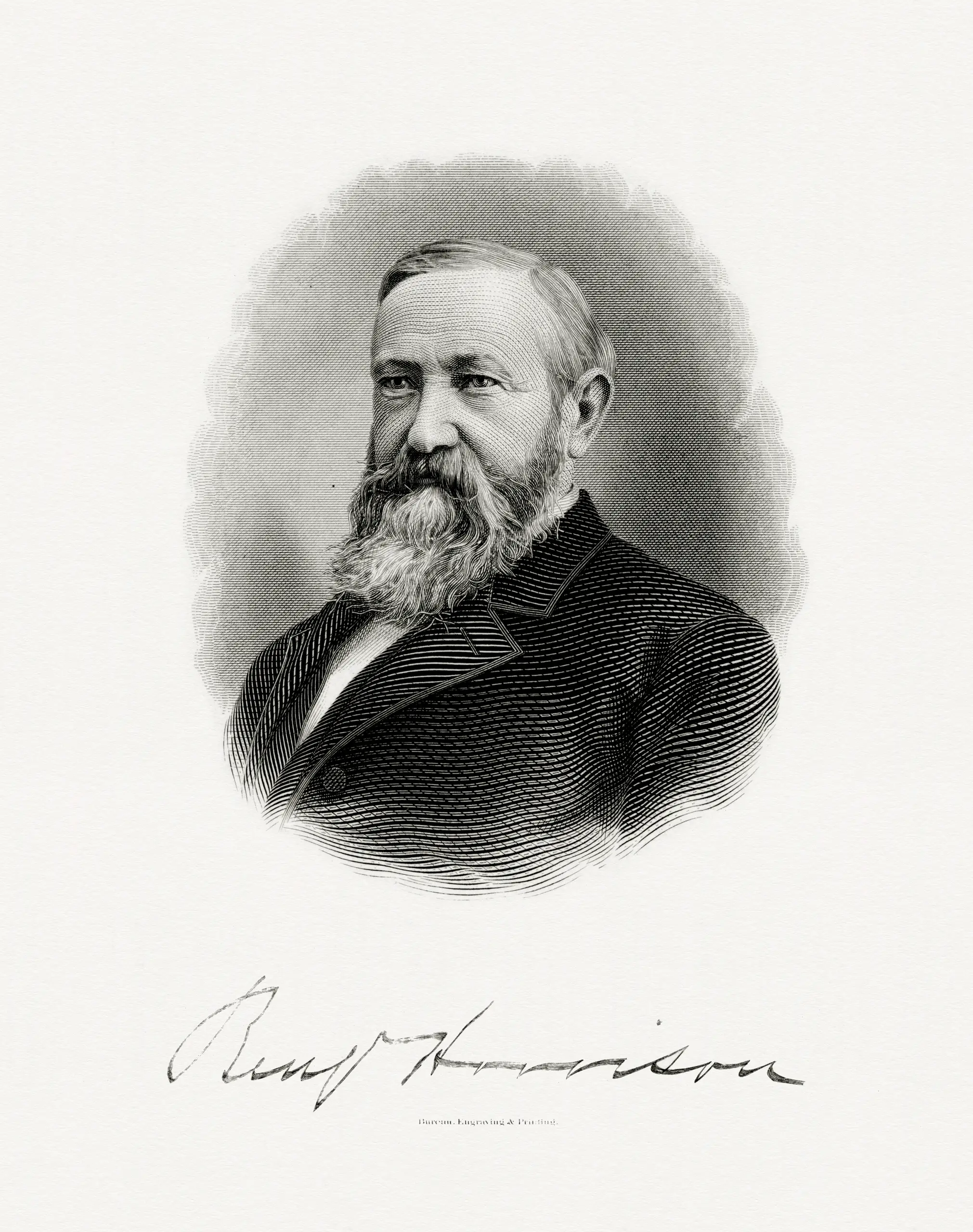
In 1884, the Democratic Party nominated Cleveland for President. He defeated Republican James G. Blaine in a close election, becoming the 22nd President of the United States. During his first term, he signed the Interstate Commerce Act of 1887, the first federal legislation regulating the railroad industry. He also vetoed hundreds of pension bills to prevent fraud, demonstrating his commitment to fiscal responsibility. Although he won the popular vote in 1888, he lost the Electoral College to Benjamin Harrison.
Cleveland returned to private law practice in New York City before mounting a successful comeback bid in 1892. He defeated Harrison in a rematch to become the 24th President. His second term was dominated by the Panic of 1893, a severe economic depression. Cleveland opposed the annexation of Hawaii and intervened in the Pullman Strike of 1894 to protect mail trains, actions that alienated labor unions. He repealed the Sherman Silver Purchase Act to stabilize the currency. After leaving office in 1897, he retired to Princeton, New Jersey, where he served as a trustee at Princeton University and joined the American Anti-Imperialist League.
Career Timeline
Public Image & Style
Known as "Grover the Good," Cleveland cultivated an image of Victorian virtue, characterized by stern honesty and a refusal to compromise on principle. Media portraits of the time depicted him as a man of the people who resisted corruption, contrasting sharply with the patronage-heavy politics of his era. His distinctive beard and serious demeanor reinforced his reputation as a sober and reliable leader. Modern portrayals emphasize his fiscal conservatism and his unique position as a non-consecutive two-term president. He is often remembered as a man who prioritized the Constitution over political expediency, earning respect from opponents who admired his integrity even when they disagreed with his policies.
Fame & Fandom (iFAMOUS Rankings)
iFANN has not yet collected fame data for this person. Historical figures like Grover Cleveland do not fit the modern metrics used for contemporary celebrity rankings, which rely on real-time social media engagement and search trends. However, his status as the 22nd and 24th President of the United States ensures his enduring place in national consciousness. History enthusiasts and students of American politics maintain a strong interest in his life and presidency.
While there is no organized fandom with a specific name, efforts to preserve his legacy continue. Fans of historical figures often refer to themselves as history buffs or scholars. Campaigns include preserving his birthplace in Caldwell and his gravesite in Princeton. Educational projects frequently organize events around his birthday, March 18, to teach about the Progressive Era and the challenges of the late 19th century. His story remains a staple in American history curricula, ensuring that new generations learn about his unique double presidency and his stance on key issues like the gold standard and labor rights.
Interesting Facts and Legends
Stephen Grover Cleveland holds the unique distinction of being the only U.S. president to marry while in office. On June 2, 1886, he wed Frances Folsom in the White House, making her the youngest First Lady in history at age 21. He was also the first president to personally answer the telephone in the White House, a novelty at the time. Born left-handed, Cleveland hid this trait for much of his life because it was considered improper in the 19th century. His middle name, Grover, was chosen by his father after a friend named Grover Cleveland. The city of Cleveland, Ohio, is widely believed to have been named in his honor, though some debate exists regarding whether it was named for him or his relative. He was known for his simple diet and avoidance of alcohol, adhering to a plain lifestyle even while living in the executive mansion.
Notable Quotes
“The maintenance of the gold standard is essential to the prosperity of the nation.”
“I am a Democrat... and I believe in the principles of the party.”
“The Constitution is the supreme law of the land.”
“I have no right to use my office for personal gain.”
Family & Personal Life
Grover Cleveland was born to Richard Falley Cleveland, a Presbyterian minister, and Ann Neal Cleveland. He was the youngest of six children. After his father's death when Stephen was 13, the family relied on his earnings as a clerk to survive. He married Frances Folsom in 1886, and they had five children together: Ruth, Esther, Francis, Marion, and Richard. Frances was the daughter of Oscar Folsom, a former law partner of Cleveland's. The couple lived a relatively quiet domestic life despite the pressures of the presidency. Frances outlived her husband by more than 20 years, continuing to be a public figure until her own death in 1947. The Cleveland family maintained strong ties to New Jersey, where they spent their retirement years.
Notable Connections
Frances Folsom Cleveland, Theodore Roosevelt, Benjamin Harrison, James G. Blaine, William Jennings Bryan
Relationships & Dating History
Grover Cleveland had one significant romantic relationship that defined his personal life. He married Frances Folsom on June 2, 1886, in the White House, making them the only U.S. president to marry while in office. Frances was the daughter of Oscar Folsom, a former law partner of Cleveland's. She was 21 years old at the time of their wedding, making her the youngest First Lady in American history. Their meeting occurred through her father's friendship with the future president, and their courtship was conducted with the discretion expected of the time.
The couple had five children together: Ruth, Esther, Francis, Marion, and Richard. Frances became a beloved figure in the public eye, often described as charming and intelligent. She played a supportive role during his presidencies and remained a prominent socialite after his death. They were married until Cleveland's death in 1908. Frances outlived him by over 20 years, passing away in 1947. There are no records of other public romantic relationships or flings, solidifying their union as the sole defining partnership of his personal life.
- MarriedFrances Folsom Cleveland1886 - 1908Wedding took place in the White House; she was the youngest First Lady in history. They had five children together.
Death & Aftermath
Died
June 24, 1908 (aged 71)
Death Place
Princeton, New Jersey
Cause of Death
Heart failure and Bright's disease
Stephen Grover Cleveland passed away on June 24, 1908, at his summer residence in Princeton, New Jersey, at the age of 71. The former president had been suffering from declining health for several months, battling complications from long-standing Bright's disease (kidney inflammation) and asthma alongside heart failure. His final days were spent surrounded by family members who remained at his bedside until the end.
A state funeral was held at the Church of the Incarnation in Princeton, drawing thousands of mourners who lined the streets to pay their respects. Cleveland was buried in the Princeton Cemetery, marking the end of a life defined by public service and personal integrity. Tributes poured in from across the political spectrum, with both Democrats and Republicans praising his unwavering commitment to constitutional principles and his refusal to engage in the corrupt patronage systems common to his era.
His widow, Frances Folsom Cleveland, outlived him by over three decades, dying in 1947. She became a prominent philanthropist and continued to influence Democratic politics well into the early 20th century. The legacy of the Cleveland administration remained a subject of intense study, particularly regarding his handling of the Panic of 1893 and the Pullman Strike. While his second term ended with low popularity ratings, historians have since reevaluated his tenure, often ranking him highly for his moral authority and fiscal conservatism. No major estate disputes arose following his death, as he left a modest estate valued at approximately $100,000, reflecting his frugal lifestyle throughout his career.
Net Worth (Estate Value)
$120,000
iFANN Editorial Team estimate
As a historical figure, Grover Cleveland's net worth reflects the value of his estate rather than liquid assets in the modern sense. Upon his death in 1908, his estate was valued at approximately $100,000, which equates to roughly $3.5 million in today's currency. This sum was considered modest for a former president, reflecting his frugal lifestyle and refusal to engage in speculative investments or accept gifts that could compromise his integrity.
HIS wealth accumulated primarily through his successful law practice in Buffalo and his presidential salary of $50,000 per year. Unlike many politicians of his era, he did not pursue lucrative business ventures or endorsement deals. His wife, Frances, managed the family finances after his death, living comfortably on her own inheritance and proceeds from selling their home. The family did not amass vast fortunes, maintaining a reputation for simplicity that aligned with his public persona. iFANN currently estimates the value of his estate and legacy contributions at approximately $120,000 based on historical records adjusted for inflation.
Awards & Accolades
View 10 records, honours and achievementsKnown For
President of the United States
1885 · 22nd and 24th President
Keywords
Sources
Quick Facts
- Profession
- politician, lawyer, statesperson
- Born
- March 18, 1837
- Birthplace
- Caldwell, New Jersey
- Died
- June 24, 1908
- Death Place
- Princeton, New Jersey
- Gender
- Male
- Spouse
- Frances Folsom Cleveland
- Birth Sign
- Pisces
Personal Details
- Full Name
- Stephen Grover Cleveland
- Height
- 5 ft 10 in (178 cm)
- Spouse
- Frances Folsom Cleveland
- Children
- Ruth Cleveland · Esther Cleveland · Francis Cleveland · Marion Cleveland · Richard Cleveland
- Education
- Self-taught law through apprenticeship; admitted to the bar in 1859
Frequently Asked Questions
Who was Grover Cleveland?
Did Grover Cleveland have any children?
Why is Grover Cleveland famous?
How did Grover Cleveland die?
Was Grover Cleveland married while in office?
Join the community
fans discussing